
Halloween Safety Guide for Dogs
Essential strategies to protect your dog from Halloween hazards like toxic treats, scary costumes, and chaotic nights.
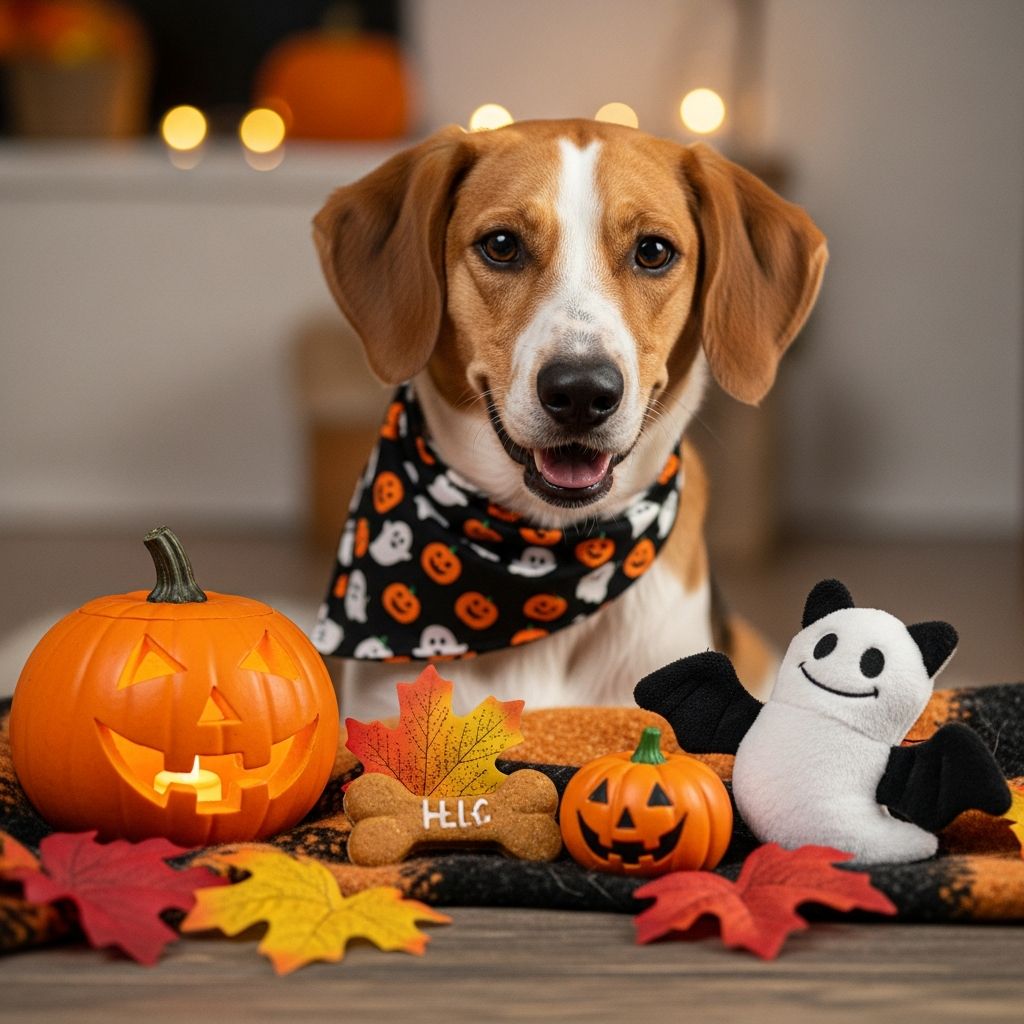
Halloween brings excitement with costumes, treats, and visitors, but it poses unique risks for dogs. Common dangers include toxic candies, frightening noises, and decorations that can cause injury or escape. This guide provides practical steps to safeguard your dog, drawing from veterinary recommendations to ensure a fun, hazard-free holiday.
Understanding Key Risks on Halloween Night
Dogs face heightened dangers during Halloween due to changes in routine and environment. Noisy doorbells, strangers in costumes, and scattered sweets create stress and temptation. Veterinary groups emphasize preparation to mitigate these threats, preventing poisoning, injuries, or lost pets.
- Toxic Substances: Chocolate, xylitol in gum, and raisins are prevalent and deadly if ingested.
- Stress Triggers: Constant doorbell rings and masked visitors can provoke anxiety or bolting.
- Physical Hazards: Costumes, candles, and cords risk choking, burns, or entanglement.
Proactive measures like securing treats and creating quiet zones address these issues effectively.
Preventing Candy-Related Poisoning
Halloween candy is a top threat, with ingredients like chocolate’s theobromine, xylitol’s hypoglycemia risk, and raisins’ kidney damage potential proving fatal even in small amounts. The ASPCA reports thousands of annual pet poisoning cases from such sweets.
Store all treats in high, closed cabinets or elevated spots unreachable by jumping dogs. Educate family members, especially children, on the “no sharing” rule. Opt for pet-safe alternatives like plain pumpkin treats without harmful additives.
| Toxic Ingredient | Effects on Dogs | Source of Risk |
|---|---|---|
| Chocolate | Seizures, heart issues | Candy bars, wrappers |
| Xylitol | Hypoglycemia, liver failure | Gum, sugar-free candies |
| Raisins | Kidney failure | Trail mixes, some treats |
If ingestion occurs, contact a vet or poison hotline immediately; do not induce vomiting without guidance.
Managing Stress from Visitors and Noises
Trick-or-treaters cause repeated disturbances, alarming many dogs. The American Veterinary Medical Association (AVMA) advises isolating reactive pets in a secure, comfortable area.
Designate a “safe haven” room with familiar bedding, toys, and chews. Use white noise machines, calming music, or pheromone diffusers to mask doorbell sounds. For severe anxiety, consult a vet for short-term aids like anxiety wraps.
- Practice doorbell simulations days prior to desensitize your dog.
- Exercise earlier in the day to promote tiredness and relaxation.
- Avoid front-door access; use a helper for candy distribution if needed.
These steps reduce bolting risks when doors open frequently.
Safe Costume Choices for Your Dog
Pet costumes amuse but must prioritize safety. Ensure fits allow full vision, breathing, and mobility without restrictive seams or dangling parts that invite chewing.
Test costumes with short wear sessions beforehand. Add reflective strips for evening visibility. Never leave dressed dogs unsupervised, as fabrics can snag or choke.
Signs a costume is unsafe: excessive panting, pawing at it, or avoidance. Skip costumes for uncomfortable pets to prevent stress.
Securing Home Decorations and Lights
Jack-o’-lanterns, cords, and glow sticks lure curious noses. Lit candles risk burns; opt for LED alternatives as recommended by vets.
Hang decorations high or use pet-proof barriers. Secure cords with wraps to avoid chewing-induced shocks. Dispose of glow stick remnants promptly, as chemicals irritate mouths.
- Elevate pumpkins beyond reach.
- Use flameless candles for porches.
- Check yards for hidden hazards like fake cobwebs.
Identification and Escape Prevention
Frightened dogs often flee open doors. Update ID tags with current phone numbers and ensure microchips are registered. The AVMA stresses visible collars for quick returns.
Confine dogs during peak hours. For outings, use short leashes and avoid crowds. Microchipping provides lifelong security if tags fail.
Planning Safe Evening Walks and Outings
Walking during trick-or-treating amplifies risks from traffic and groups. Schedule early morning or late-night strolls instead.
If joining festivities, keep dogs leashed securely and monitor for stress. Pet strollers offer a safe viewing option for small breeds. Visibility gear like lighted collars prevents accidents in the dark.
Party and Gathering Precautions
Home parties introduce alcohol spills, dropped food, and crowds. Keep dogs separated to avoid ingestion or overwhelm.
Clear floors of hazards and provide water stations. For social dogs, brief supervised interactions suffice; isolate others.
Emergency Preparedness Essentials
Have vet contacts, poison hotlines (e.g., ASPCA at 888-426-4435), and nearest ER clinic details ready. Know symptoms like vomiting, lethargy, or tremors signaling trouble.
A pet first-aid kit with bandages and hydrogen peroxide (for induced vomiting under guidance) is wise.
Frequently Asked Questions
Can dogs eat any Halloween candy?
No, most contain toxic ingredients like chocolate or xylitol. Stick to vet-approved treats.
Should I take my dog trick-or-treating?
Only if calm in crowds; otherwise, stay home in a quiet space.
How do I know if a costume fits my dog?
It should allow free movement, sight, and no distress signs.
What if my dog eats something toxic?
Call a vet or poison control immediately; note the substance and amount.
Are glow sticks safe?
No, the liquid causes mouth irritation; keep away.
Long-Term Training for Holiday Resilience
Beyond one night, train for door greetings and stranger tolerance using positive reinforcement. Gradual exposure to costumes builds confidence year-round.
Enroll in obedience classes for reliable recall, crucial during chaos.
References
- Halloween pet safety — American Veterinary Medical Association. 2023. https://www.avma.org/resources-tools/pet-owners/petcare/halloween-pet-safety
- Halloween Safety Tips — ASPCA. 2023. https://www.aspca.org/pet-care/general-pet-care/halloween-safety-tips
- Halloween safety tips for pets — Humane Society. 2023. https://www.humaneworld.org/en/resources/halloween-safety-tips-pets
- Halloween Pet Safety Tips — DoveLewis Emergency Animal Hospital. 2023. https://www.dovelewis.org/halloween-pet-safety-tips
- Four Halloween Safety Tips For Your Dog — Portland Pet Food Company. 2023. https://portlandpetfoodcompany.com/blogs/education/4-halloween-safety-tips-for-your-dog
Similar Articles








Read full bio of medha deb




