

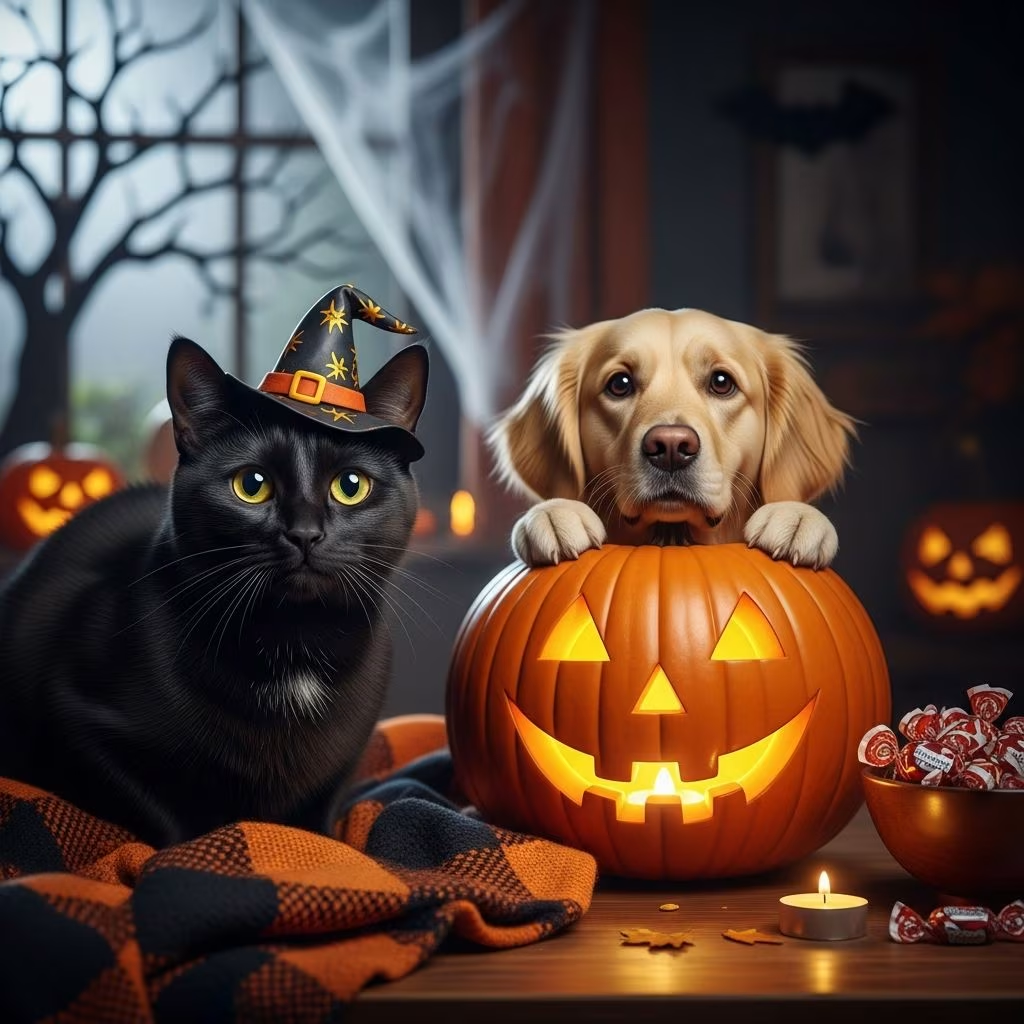
Halloween Pet Safety Tips: Keep Your Pets Safe This Spooky Season
Halloween brings excitement, costumes, decorations, and treats—but for pet parents, it also brings potential dangers. While Halloween can be a fun time for the whole family, including your furry companions, it’s crucial to take steps to ensure your pets remain safe throughout the festivities. From toxic candy to hazardous decorations, Halloween presents unique challenges that require careful planning and awareness. This comprehensive guide covers everything you need to know to keep your dogs and cats safe during this spooky season.
1. Keep All Candy Out of Your Pet’s Reach
One of the most significant Halloween hazards for pets is candy. While your pet should never consume any Halloween treats, certain candies pose more severe risks than others. It’s essential to keep all Halloween candy—including wrappers—completely away from your pets at all times.
Chocolate is particularly dangerous for dogs and cats. Chocolate contains theobromine and caffeine, which are toxic to pets and can cause serious health complications. The darker the chocolate, the more concentrated these toxic compounds become. Symptoms of chocolate toxicity include vomiting, diarrhea, tremors, seizures, and in severe cases, heart problems and death.
Sugar-free candies containing xylitol are equally hazardous, if not more so than regular candy. Xylitol, an artificial sweetener, causes a rapid release of insulin in dogs, leading to hypoglycemia (low blood sugar). This condition can develop within 30 minutes of ingestion and may result in lethargy, loss of coordination, seizures, and liver failure.
Storage strategies for keeping candy safe include:
- Storing candy in locked or high cabinets that even athletic pets cannot access
- Keeping candy in a dog crate or behind a dog gate when unsupervised
- Using floor-to-ceiling cat gates to separate cats from candy storage areas
- Instructing trick-or-treaters and guests not to feed pets any candy
2. Choose a Comfortable and Safe Costume
Not all pets enjoy wearing costumes, regardless of how adorable they look in them. Before dressing up your pet, consider their temperament and comfort level. Some pets experience stress and anxiety from wearing costumes, while others may tolerate them better.
Key considerations when selecting a costume include:
- Unrestricted Movement: Ensure your pet can walk, sit, and breathe easily. Costumes should never bind the legs, neck, or chest area.
- Clear Vision and Hearing: Avoid masks or headpieces that obstruct your pet’s vision or hearing. Pets rely heavily on these senses to feel secure and navigate their environment.
- Hazard Inspection: Check for loose buttons, strings, zippers, or small decorations that could pose choking risks if your pet chews or swallows them.
- Proper Fit: Choose a costume that fits well without being too tight or too loose, which could cause discomfort or allow the pet to escape.
If your pet shows signs of stress or discomfort in a costume, remove it immediately. Alternative festive options include bow ties, bandanas, or themed collars, which provide a fun Halloween look without the stress associated with full costumes.
3. Avoid Dangerous Halloween Decorations
Halloween decorations create a festive atmosphere but can pose significant hazards to curious pets. Many common decorations contain materials that can injure or poison your pets if they come into contact with them.
Electrical Cords: Pets can easily chew on electrical cords, risking electric shock, burns, or entanglement. Choose battery-operated decorations instead, or use safety protectors designed to prevent pets from accessing exposed wires.
Candles: Real flames in jack-o’-lanterns and decorative candles are fire hazards. Dogs and cats can knock them over, causing fires, or burn themselves on the flames. Opt for battery-operated flameless candles or glow sticks as safer alternatives.
Small Decorations: Plastic spiders, fake cobwebs, small baubles, and other miniature decorations can become choking hazards if your pet swallows them. Additionally, these items can cause intestinal blockages, which may require emergency veterinary surgery.
Fog Machines: The fog fluid used in fog machines can be toxic to pets if inhaled or ingested. Avoid using fog machines in areas where pets have access.
Heavy Decorations: Large, unstable decorations can fall and injure pets. Secure decorations properly and keep them away from areas where pets frequently spend time.
4. Create a Secure Safe Space for Your Pet
Halloween night involves constant door opening and closing as trick-or-treaters arrive, creating opportunities for frightened pets to escape. Additionally, the noise, chaos, and influx of strangers can cause significant stress and anxiety for many pets, particularly black cats, which are unfortunately targets for abuse on Halloween.
Establish a safe space by:
- Keeping your pet in a secure, quiet room away from the front door
- Using dog crates or floor-to-ceiling cat gates to contain pets safely
- Keeping pets away from areas where visitors will be present
- Instructing guests to keep doors closed and not to let pets outside
- Ensuring the safe space contains water, food, a litter box (for cats), and comfort items
This designated area allows your pet to feel secure and reduces the risk of escape or anxiety-related behavior problems during the Halloween festivities.
5. Watch for Signs of Stress and Anxiety
Even well-adjusted pets may experience stress during Halloween. Being aware of stress indicators helps you respond appropriately and provide comfort when needed.
Common signs of pet anxiety on Halloween include:
- Panting excessively
- Hiding or seeking enclosed spaces
- Excessive vocalization (barking, meowing, or crying)
- Pacing or inability to settle
- Accidents in the house or outside the litter box
- Loss of appetite
- Excessive drooling
- Trembling or shaking
If your pet displays these signs, contact your veterinarian to rule out medical problems. If no health issues are present, consider calming supplements or calming apparel designed to reduce anxiety. Pheromone diffusers, anxiety wraps, and prescription anti-anxiety medications may help severe cases.
6. Use Treat-Dispensing Toys and Puzzles
Keeping your pet mentally engaged and distracted during Halloween festivities can significantly reduce stress and anxiety. Treat-dispensing toys and food puzzles provide entertainment and redirect your pet’s focus away from visitors, people in costumes, and unusual noises.
Place these toys in your pet’s safe space or crate, away from the front door. Puzzle toys encourage natural problem-solving behaviors and provide lasting mental stimulation, making them ideal for Halloween night when your pet needs to stay calm and occupied.
7. Keep Halloween Decorations Out of Reach and Supervise
Before Halloween arrives, test your pet’s reaction to decorations. Take them outside to familiarize them with neighborhood decorations and observe their body language. Signs like a dropped tail, flattened ears, or reluctance to approach indicate fear or discomfort.
If your pet appears frightened or uncomfortable with decorations, consider alternatives like hosting a dog Halloween party at home or participating in pet-friendly Halloween activities instead of traditional trick-or-treating.
8. Prevent Damage from Discarded Wrappers and Debris
During trick-or-treating hours, yards and streets accumulate candy wrappers, small decorations, and debris. These items can pose serious hazards to pets:
- Candy Wrappers: Discarded wrappers can cause intestinal blockages if swallowed, potentially requiring emergency surgery.
- Small Decorations: Plastic items found on the ground can become choking hazards or cause GI obstruction.
- Sticks and Debris: Wooden items or sharp objects can cause internal injuries if swallowed.
Scan your yard thoroughly for debris before allowing your pet outside, and consider keeping your pet indoors during peak trick-or-treating hours to minimize exposure to hazards.
Frequently Asked Questions About Halloween Pet Safety
Q: Can I take my dog trick-or-treating with me?
A: Only if your dog is comfortable with crowds, noise, and costumes. Consider your dog’s temperament and comfort level first. If your dog is shy, easily spooked, or anxious, it’s better to keep them home in a safe environment rather than expose them to potential stressors.
Q: What should I do if my pet eats Halloween candy?
A: Contact your veterinarian immediately or call the ASPCA Animal Poison Control Center (888-426-4435). Provide information about the type of candy, quantity consumed, and your pet’s weight. Do not wait for symptoms to appear, as some toxic substances cause delayed reactions.
Q: How can I tell if my pet has consumed something harmful?
A: Symptoms of toxicity vary depending on what was consumed but may include vomiting, diarrhea, letharness, lack of appetite, tremors, seizures, or difficulty breathing. Contact your veterinarian immediately if you observe any unusual symptoms.
Q: Is it safe to leave my pet alone during Halloween night?
A: It’s better to keep your pet in a secure, supervised safe space than leave them completely alone. If you must leave during trick-or-treating, ensure your pet is safely crated or confined to a pet-proofed room with water, food, and comfort items available.
Q: What are safer costume alternatives for pets who don’t like costumes?
A: Consider festive bow ties, bandanas, themed collars, or temporary safe hair dyes designed for pets. These options provide Halloween spirit without causing stress or safety concerns associated with full costumes.
Halloween Pet Safety Checklist
Use this checklist to ensure you’ve covered all Halloween safety bases:
- ☐ Store all Halloween candy in a secured, elevated location
- ☐ Choose a comfortable, safe costume or festive alternative
- ☐ Replace electrical cords with battery-operated decorations
- ☐ Replace candles with battery-operated flameless alternatives
- ☐ Remove small decorations that pose choking hazards
- ☐ Secure heavy decorations to prevent tipping
- ☐ Prepare a secure safe space for your pet away from the front door
- ☐ Stock the safe space with water, food, toys, and comfort items
- ☐ Inform guests and trick-or-treaters not to feed your pet
- ☐ Have your veterinarian’s emergency contact information readily available
- ☐ Scan your yard for debris and hazards before Halloween
- ☐ Keep your pet’s ID tags and microchip information current
Conclusion
Halloween can be a fun and festive time for your entire family, including your beloved pets. By following these comprehensive safety tips, you can significantly reduce the risks associated with Halloween hazards. Remember that not all pets enjoy the excitement and chaos of Halloween—some prefer a quiet night at home in a safe environment. Prioritize your pet’s comfort and safety over forcing them to participate in festivities. With careful planning, proper precautions, and awareness of potential dangers, you can ensure your pets have a safe and happy Halloween.
References
- Halloween Pet Safety Tips — Chewy. 2024. https://www.chewy.com/education/dog/general/halloween-pet-safety-tips
- Chocolate Toxicity in Dogs and Cats — American Veterinary Medical Association (AVMA). https://www.avma.org
- Xylitol Toxicity in Dogs — ASPCA Animal Poison Control Center. https://www.aspca.org/pet-care/animal-poison-control
- Halloween Safety for Pets — PetMD. 2024. https://www.petmd.com/general-health/halloween-pet-safety-tips
- Pet Costume Safety Guidelines — The Humane Society of the United States. https://www.humanesociety.org
- Pet Escape Prevention During Holidays — Veterinary Emergency Group (VEG). 2024. https://www.veg.com/post/6-halloween-pet-safety-tips



