

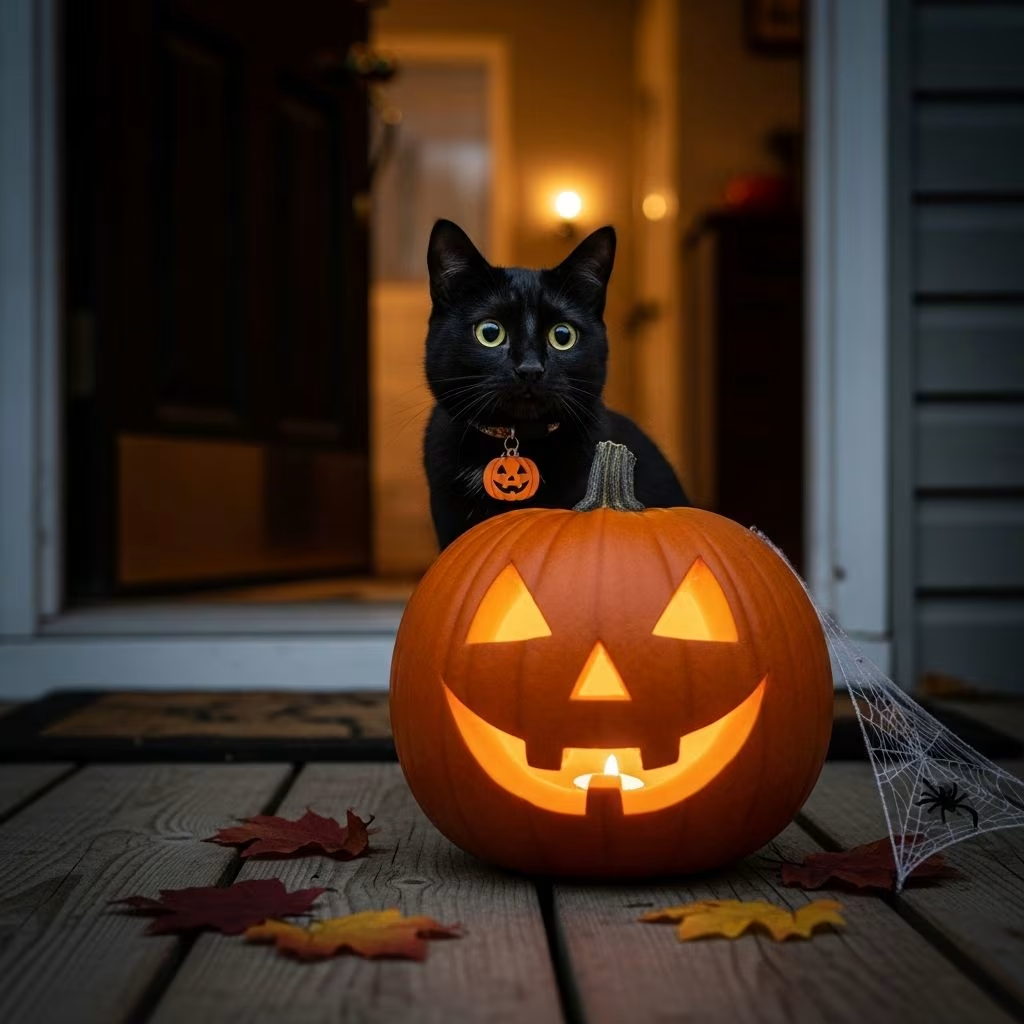
Halloween brings excitement with costumes, candy, and decorations, but it poses unique risks for pets. Increased foot traffic, tempting sweets, and festive setups can lead to accidents, poisonings, or escapes. This guide outlines practical steps to protect dogs, cats, and other animals, drawing from veterinary and animal welfare recommendations to ensure a secure celebration.
Protecting Pets from Toxic Treats and Candy
Candy bowls overflowing with chocolates, gummies, and wrappers create irresistible temptations for curious pets. Many human treats contain ingredients lethal to animals, such as theobromine in chocolate, which causes vomiting, seizures, or heart issues in dogs and cats. Xylitol, found in sugar-free varieties, triggers rapid insulin release leading to hypoglycemia and liver failure. Raisins and grapes, common in trail mixes, risk acute kidney injury.
Prevent access by storing candy in elevated, lidded containers immediately after collecting it. Sweep floors for dropped pieces, including wrappers and sticks that pose choking hazards or intestinal blockages. Dispose of trash securely to avoid rummaging. Offer pet-safe alternatives like pumpkin treats or dental chews to include them without danger.
- Chocolate: Dark varieties most toxic; symptoms appear within hours.
- Xylitol: Even small amounts deadly; seek vet care if ingested.
- Wrappers/Sticks: Cause obstructions requiring surgery.
If ingestion occurs, contact a vet or poison hotline promptly—do not wait for symptoms.
Choosing and Using Pet Costumes Safely
Dressing pets adds fun, but ill-suited outfits lead to stress, injury, or restricted mobility. Select costumes allowing free movement, clear vision, hearing, and breathing; test by observing if your pet can navigate stairs, turn heads, or vocalize normally.
Inspect for small parts like buttons or strings that could be swallowed. Avoid masks covering faces, as they heighten anxiety. Introduce gradually with short sessions days before Halloween, rewarding calm behavior. Never leave costumed pets unsupervised, especially outdoors where snags on fences or traffic pose risks.
| Costume Do’s | Costume Don’ts |
|---|---|
| Reflective materials for visibility | Tight fits restricting breath |
| Secure fasteners | Dangling pieces |
| Pet-approved via trial wear | Face-obscuring masks |
For reluctant pets, skip costumes—safety trumps aesthetics.
Securing Your Home Against Escapes
Open doors during trick-or-treating create prime escape opportunities, especially for startled animals. Shelters report spikes in lost pets on Halloween. Update collars with current ID tags and verify microchip info; add reflective collars for nighttime visibility.
Confine pets to a quiet interior room with closed doors, away from entryways. Use baby gates or crates for extra security. Dim lights and play soothing sounds to mask doorbells and chatter. Supervise closely if near the action, leashing as needed.
- Prep ID: Tags with phone/email; microchip scan-ready.
- Safe space: Bed, toys, water; pheromone diffusers for calm.
- Door protocol: Assign a handler; sign for gentle knocks.
For parties, board pets or use calming vests like ThunderShirts.
Pet-Proofing Halloween Decorations
Festive displays like jack-o-lanterns, cobwebs, and lights endanger playful paws. Candles risk burns or fires if knocked over; opt for LED alternatives. Electrical cords invite chewing, causing shocks or mouth injuries—bundle and cover them.
Stringy cobwebs tangle in guts post-ingestion; position high or avoid. Glow sticks’ liquid irritates if bitten. Fog machines and dry ice release harmful fumes or cause frostbite—ventilate and restrict access. Keep all out of reach.
High-Risk Decor Checklist:
- Open flames: Elevate or replace with flameless.
- Wires: Conceal in tubing.
- Fake webs: Skip or ceiling-only.
- Chemicals: Dry ice in ventilated bowls; no licking.
Managing Pet Stress During Festivities
Noises, strangers in outfits, and flashes overwhelm sensitive pets, prompting hiding, barking, or bolting. Create a sanctuary with familiar comforts. Positive reinforcement—treats for relaxation—builds confidence. For severe anxiety, consult vets for supplements or meds preemptively.
Out trick-or-treating? Assess tolerance; leash securely, avoid crowds. Indoor-only is safest for most, especially black cats facing superstitions.
Emergency Preparedness for Halloween
Post these numbers visibly: Vet clinic, animal poison control (e.g., ASPCA hotline), emergency animal hospital. Know symptoms of distress: lethargy, vomiting, seizures, labored breathing. Act fast—time-sensitive toxics like xylitol demand immediate intervention.
Stock a pet first-aid kit with bandages, hydrogen peroxide (for induced vomiting per vet), and activated charcoal.
FAQs: Common Halloween Pet Concerns
Q: Can pets eat any Halloween candy?
A: No—most contain toxins like chocolate or xylitol. Stick to vet-approved treats.
Q: Is it safe to walk my dog on Halloween night?
A: Yes, if leashed, ID’d, and reflective; watch for traffic and scares.
Q: What if my pet chews a cord?
A: Unplug, check mouth for burns, call vet immediately to prevent shocks.
Q: How do I calm a fearful cat?
A: Quiet room, Feliway diffuser, white noise; avoid forcing interaction.
Q: Are glow sticks dangerous?
A: Yes, liquid causes drooling/upset stomach; remove and rinse mouth.
Fun, Safe Ways to Include Pets in Halloween
Host a pet photo session pre-trick-or-treat with safe props. Bake homemade pumpkin biscuits (plain canned pumpkin, no xylitol). Window clings let pets “participate” without exposure. These keep spirits high minus risks.
By planning ahead, Halloween becomes a treat for all household members. Vigilance turns potential horrors into happy memories.
References
- Tricks, Treats, and Tails: Pet Safety Tips for Halloween — ASPCA Pet Insurance. 2023. https://www.aspcapetinsurance.com/resources/halloween-pet-safety-tips/
- 7 Halloween Pet Safety Tips — PetMD. 2024. https://www.petmd.com/general-health/halloween-pet-safety-tips
- Halloween Safety Tips for Your Pets — Cherry Creek Vet. 2023. https://www.cherrycreekvet.com/blog/halloween-safety-tips-for-your-pets/
- 5 Halloween Pet Safety Tips — Somerset Veterinary Group. 2024. https://somersetvetgroup.com/news/five-halloween-pet-safety-tips
- Halloween Safety Tips — ASPCA. 2023. https://www.aspca.org/pet-care/general-pet-care/halloween-safety-tips



