Halloween DIY Dog Treat: Peanut Butter Cups for Dogs
Learn how to make safe, delicious peanut butter cups for dogs this Halloween season.
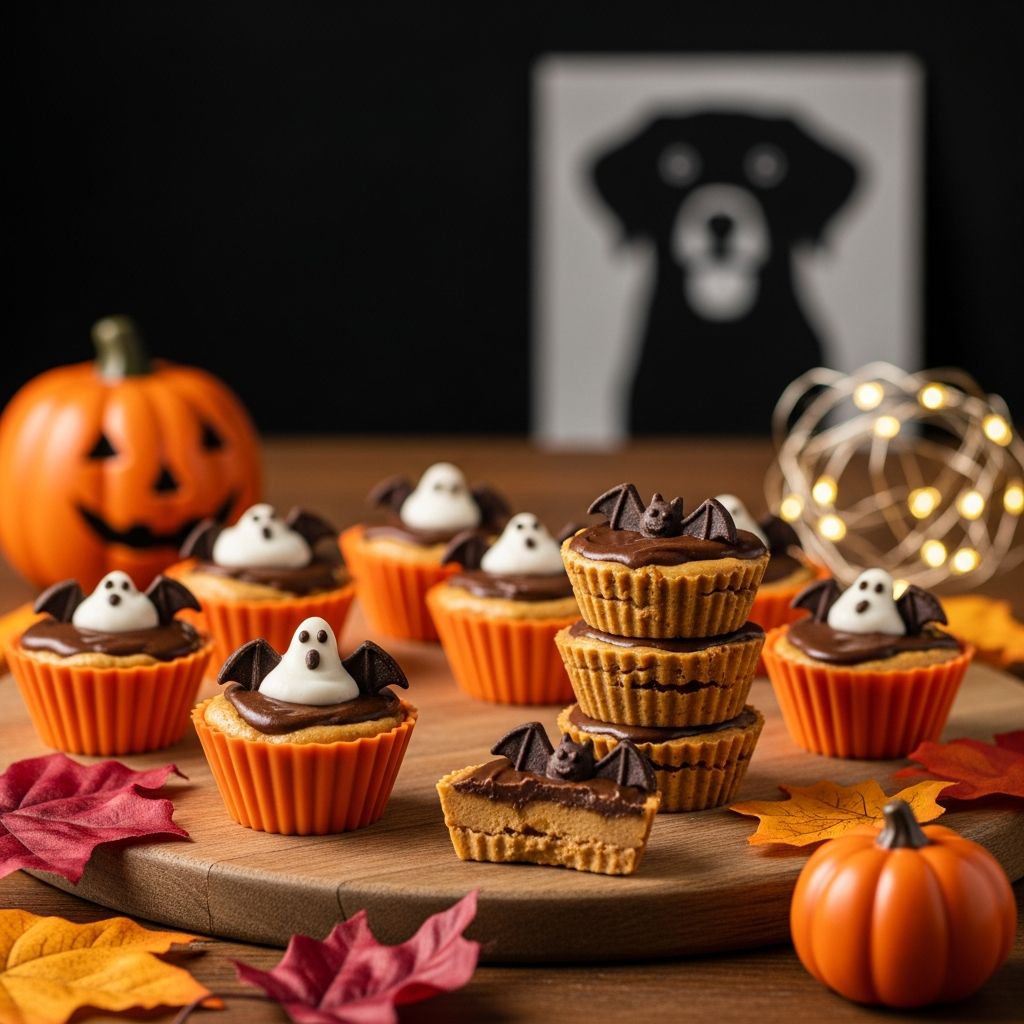
Halloween is a season filled with candy, costumes, and festive celebrations. While trick-or-treating and indulging in chocolate treats are part of the fun for humans, our furry friends deserve to join in on the Halloween festivities too—safely, of course. Since chocolate and traditional candy are toxic to dogs, it’s essential to find creative alternatives that allow your pup to enjoy the season without compromising their health.
One of the best ways to celebrate Halloween with your dog is by making homemade peanut butter cups that are both delicious and completely safe for canine consumption. These DIY dog treats capture the essence of the classic peanut butter cup candy while using dog-friendly ingredients that your pet will absolutely love. Not only are these treats easy to make, but they’re also a wonderful way to show your dog some extra love during the spooky season.
Why Homemade Dog Treats Matter
Store-bought dog treats often contain preservatives, artificial flavors, and fillers that may not be ideal for your pet’s health. By making treats at home, you have complete control over the ingredients, ensuring that your dog receives only the highest quality, nutritious components. Homemade dog treats also allow you to cater to your individual dog’s dietary needs and preferences.
Additionally, crafting treats for your dog creates a bonding experience. It’s a chance to spend quality time preparing something special for your beloved companion. Whether you’re making these peanut butter cups for Halloween or any other occasion, your dog will appreciate the effort and care you’ve put into creating something made especially for them.
Understanding Dog-Safe Ingredients
Before diving into the recipe, it’s important to understand why certain ingredients are suitable for dogs while others are dangerous. Many human foods that are harmless or even beneficial for us can be toxic or problematic for our canine companions.
Peanut Butter: A Dog-Friendly Favorite
Peanut butter is one of the most beloved ingredients in dog treat recipes, and for good reason. Dogs typically love the taste and smell of peanut butter, and when given in moderation, it can be a safe and nutritious addition to their diet. Peanut butter provides protein, healthy fats, and essential nutrients like vitamin E and niacin. However, it’s crucial to use natural, unsweetened peanut butter without xylitol, an artificial sweetener that is extremely toxic to dogs even in small amounts.
Carob: The Chocolate Alternative
Carob is a plant-based ingredient derived from the pods of the carob tree. It has a naturally sweet taste and a mild chocolate-like flavor that many dogs enjoy. Unlike chocolate, which contains theobromine and caffeine—both toxic to dogs—carob is completely safe for canine consumption. Carob provides a satisfying taste without any of the health risks associated with chocolate, making it the perfect ingredient for dog-safe peanut butter cups.
Coconut Oil: Healthy Fats for Your Dog
Coconut oil is a healthy fat that can offer various benefits to your dog’s coat, skin, and overall health. When used in moderation, coconut oil adds richness to these treats and helps bind the ingredients together. It also has natural antimicrobial and anti-inflammatory properties that may support your dog’s wellbeing.
Ingredients You’ll Need
Making peanut butter cups for your dog requires just a few simple, dog-friendly ingredients:
- 1 cup natural, unsweetened peanut butter
- 1/2 cup carob powder (or carob chips)
- 1/2 cup coconut oil
- Silicone molds (preferably in fun shapes like pumpkins, ghosts, or pumpkins for Halloween)
- Optional: 1-2 tablespoons of pure maple syrup for added sweetness
These ingredients are readily available at most grocery stores and online retailers. Make sure to purchase natural peanut butter without added xylitol, as this artificial sweetener is dangerous for dogs.
Step-by-Step Recipe Instructions
Preparation Phase
Begin by setting up your workspace for success. Place your silicone molds on a baking tray—this makes it much easier to transfer them to the freezer without spilling. Silicone molds are ideal for making these treats because they’re flexible, making it simple to pop the finished treats out once they’ve set. For Halloween, consider using molds shaped like pumpkins, ghosts, or other festive designs to add a seasonal touch to your treats.
Melting the Coconut Oil
Pour the coconut oil into a small microwave-safe bowl. Heat it in the microwave for 10-second intervals, stirring between each interval, until the oil is completely melted. Alternatively, you can melt the coconut oil on the stovetop over low heat. Be careful not to overheat or boil the oil, as this can diminish its nutritional properties and potentially make it less suitable for your dog.
Mixing the Ingredients
In a mixing bowl, combine the melted coconut oil with the natural peanut butter. Stir thoroughly until the two ingredients are well incorporated and form a smooth base. If you’re using maple syrup to add extra sweetness, add it now and mix it in completely. Then, gradually add the carob powder, stirring continuously until you achieve a smooth, well-blended mixture with no lumps. The consistency should be thick enough to hold its shape but spreadable enough to fill your molds easily.
Filling the Molds
Using a spoon, piping bag, or squeeze bottle, carefully fill your silicone molds with the peanut butter-carob mixture. A spoon works well for most situations, but a piping bag gives you more precision if you’re using detailed molds. Fill each cavity to just below the rim to prevent overflow. If you’re making layered treats, you can fill the molds halfway with the mixture, freeze for 30 minutes, then add another layer for a more complex treat.
Freezing and Setting
Place the filled molds on their baking tray in the freezer. Allow them to set for at least one hour. Most treats will be completely firm after one hour, but some may benefit from up to two hours in the freezer to ensure they hold their shape perfectly. Once the treats are fully set and hardened, gently pop them out of the silicone molds by bending the mold backward. They should release easily without cracking or breaking.
Storage and Serving Guidelines
These homemade peanut butter cups can be stored in the refrigerator for up to two weeks or in the freezer for up to three months. Keep them in an airtight container to maintain freshness and prevent them from absorbing odors from other foods. Many dogs enjoy these treats frozen, as they provide a cool, refreshing snack, particularly on warmer days. However, you can also serve them at room temperature if your dog prefers.
When serving these treats to your dog, start with small portions to ensure they tolerate the new treat well. These peanut butter cups are rich and calorie-dense, so they should be given in moderation as occasional treats rather than daily snacks. A good rule of thumb is to ensure that treats make up no more than 10% of your dog’s daily caloric intake, with the remaining 90% coming from their regular, balanced diet.
Nutritional Considerations and Safety
While these peanut butter cups are a safe and healthy treat option for most dogs, there are some important considerations to keep in mind. These treats are relatively high in fat due to the peanut butter and coconut oil content. For dogs with existing digestive sensitivities, pancreatitis, or obesity, these treats may not be the best choice, or should only be given occasionally and in very small quantities.
Excessive consumption of these treats can lead to loose stools and gastrointestinal upset in some dogs. Always monitor your dog after introducing any new treat and watch for signs of digestive distress. If you’re unsure whether these treats are appropriate for your specific dog’s dietary needs and health status, consult with your veterinarian before introducing them.
Additionally, if you choose to add maple syrup for sweetness, use only pure maple syrup without any additives. Real maple syrup is safe for dogs in small amounts and even offers some nutritional benefits, including manganese and zinc. However, any added sugar—even natural sugar—increases the caloric content of the treat, so be mindful of portion sizes.
Creative Variations and Flavor Combinations
Once you’ve mastered the basic recipe, you can experiment with various additions and modifications to keep your dog interested and offer nutritional variety. Consider adding a small amount of unsweetened applesauce to the mixture for added moisture and a subtle fruity flavor. You can also incorporate mashed banana for a naturally sweet twist, or even a small amount of pumpkin puree for a seasonal Halloween flavor that complements the peanut butter base.
For dogs that enjoy a bit of crunch, you can mix in a small amount of finely crushed dog-safe biscuits or oats. Just ensure that any additions are dog-friendly and don’t introduce allergens that your specific dog might have. Always introduce new ingredients gradually and watch for any adverse reactions.
Making Halloween Extra Special
Halloween is the perfect occasion to make these special treats for your dog. Create themed peanut butter cups by using Halloween-shaped silicone molds. You can make pumpkin-shaped treats, ghost-shaped cups, or any other spooky design. Package these homemade treats in a cute container and present them as a special Halloween gift to your furry best friend.
If you have multiple dogs, you might consider making a batch large enough for everyone. These treats are perfect for handing out to neighborhood dogs who come trick-or-treating with their owners, or for sharing at dog parks and dog-themed parties. Your friends’ dogs will love receiving homemade treats made with care and attention to their safety and health.
Benefits of Making Treats at Home
Beyond the obvious benefit of knowing exactly what goes into your dog’s treats, homemade recipes offer several other advantages. You avoid artificial preservatives, colorants, and flavorings that some commercial treats contain. You can adjust the recipe based on your dog’s taste preferences and dietary restrictions. You save money compared to purchasing premium treats from specialty pet stores. Most importantly, you provide your dog with a tangible expression of your love and care through nutrition.
Frequently Asked Questions (FAQs)
Q: Can I use regular chocolate in these dog treats instead of carob?
A: No, absolutely not. Chocolate is toxic to dogs and can cause serious health complications. Carob is the safe alternative that provides a similar chocolate-like flavor without any harmful effects.
Q: What type of peanut butter is safe for dogs?
A: Use natural, unsweetened peanut butter that doesn’t contain xylitol, an artificial sweetener that is extremely toxic to dogs. Always check the label before purchasing.
Q: How often can I give these treats to my dog?
A: These treats should be given in moderation due to their high fat content. Limit them to occasional treats, ensuring they don’t exceed 10% of your dog’s daily caloric intake.
Q: Can dogs eat the same treats as humans?
A: While the peanut butter cups made with this recipe are safe for both dogs and humans, you should prepare separate batches. Avoid adding ingredients like chocolate, nuts (other than peanuts), or excessive sugar that dogs shouldn’t consume.
Q: Do I need to bake these treats?
A: No, these treats require no baking. They’re simply mixed, poured into molds, and frozen until set, making them quick and easy to prepare.
Q: Are these treats suitable for dogs with allergies?
A: The basic recipe is allergen-friendly for many dogs, but some may have sensitivities to peanut butter or coconut oil. If your dog has known allergies, consult your veterinarian before introducing these treats.
Q: How long do these treats last in storage?
A: These treats can be refrigerated for up to two weeks or frozen for up to three months when stored in an airtight container.
References
- Xylitol Toxicity in Dogs — American Veterinary Medical Association (AVMA). https://www.avma.org/
- Pet Nutrition Guide: Safe Human Foods for Dogs — American Animal Hospital Association (AAHA). https://www.aaha.org/
- Chocolate Toxicity in Pets — ASPCA Animal Poison Control Center. https://www.aspca.org/pet-care/animal-poison-control
- Carob as a Safe Chocolate Substitute for Dogs — Veterinary Nutrition Foundation. https://www.vetmedcenter.com/
- Coconut Oil Benefits for Dogs — International Society of Feline Medicine (ISFM). https://www.isfm.net/
Similar Articles




Read full bio of medha deb