

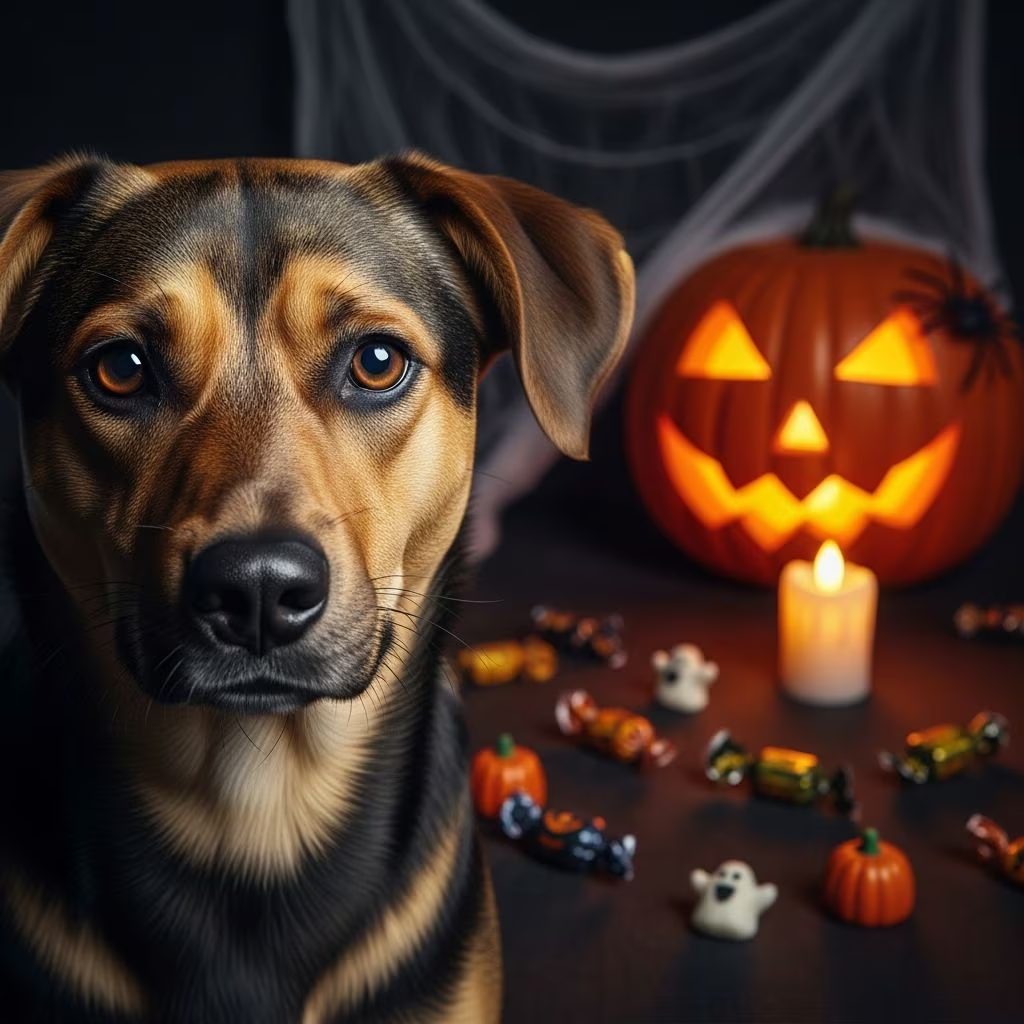
Halloween Dangers for Dogs: Keep Your Pet Safe This Spooky Season
Halloween is a festive occasion for humans, but it can pose significant risks to our canine companions. From toxic treats to frightening decorations and costume mishaps, the holiday season presents numerous hazards that pet owners must navigate carefully. Understanding these dangers and implementing proper safety measures is essential to ensure your dog enjoys Halloween while remaining healthy and secure.
Toxic Candy and Treats
One of the most serious Halloween dangers for dogs is the abundance of candy and chocolate scattered throughout homes and accessible to curious pets. Many popular Halloween treats contain ingredients that are highly toxic to dogs, making it crucial for pet owners to store candy securely away from their four-legged friends.
Chocolate toxicity remains the primary concern during Halloween. Chocolate in all forms—especially dark chocolate and baking chocolate—can cause severe poisoning in dogs. The theobromine found in chocolate affects a dog’s nervous system and cardiovascular function, leading to symptoms such as vomiting, diarrhea, tremors, and in severe cases, seizures or heart problems. Even small amounts of dark chocolate can be dangerous, depending on your dog’s size and weight.
Beyond chocolate, many candy products contain xylitol, an artificial sweetener that poses an even greater threat than chocolate. Xylitol can cause a rapid drop in blood sugar and lead to liver damage in dogs, sometimes with fatal consequences. This ingredient appears in sugar-free candies, gums, and other diet sweets, making it particularly deceptive since pet owners may assume sugar-free products are safer. Even small amounts of xylitol can trigger severe reactions in dogs.
To protect your dog from candy-related poisoning, establish clear household rules about candy storage and disposal. Keep all Halloween treats in secure, elevated locations that are inaccessible to your pet, and ensure all household members understand the importance of not sharing human treats with dogs.
Costume and Clothing Hazards
While dressing dogs in costumes has become increasingly popular during Halloween, costumes present several safety risks if not chosen and monitored carefully. Pet owners must be vigilant when their dogs wear any type of clothing or costume to prevent injury or ingestion of dangerous materials.
Loose fabric and dangling decorations on costumes pose choking and intestinal blockage risks. Bells, plastic eyes, ribbons, and other embellishments can easily be chewed off and swallowed, potentially requiring emergency veterinary surgery for removal. Digestive obstructions caused by costume pieces are serious medical emergencies that often necessitate expensive surgical intervention.
Costumes can also restrict movement and visibility, causing your dog to trip, become entangled on furniture, or get caught in closing doors. Avoid costumes with excessive dangly pieces, and never leave your dog unattended while wearing a costume. Additionally, ensure that costumes fit properly and don’t restrict breathing or circulation. Some dogs may overheat in thick costumes, so monitor your pet’s temperature and comfort level throughout the evening.
Rather than elaborate costumes, consider simple accessories like bandanas or lightweight collars with Halloween-themed tags that eliminate many of these risks while still allowing your dog to participate in the festive spirit.
Plastic Bag and Packaging Dangers
The excitement of Halloween brings an influx of candy wrappers, plastic bags, and food packaging into homes. These seemingly harmless items pose serious suffocation and choking hazards to dogs who may be drawn by lingering food scents or simple curiosity.
Snack and candy bags present a particularly dangerous risk. Even empty bags can be lethal to dogs. A curious dog may poke its head into a candy bag or snack bag to investigate, and the plastic can create a vacuum-like seal around the dog’s head, leading to suffocation within just three to five minutes. The dog’s panic response accelerates oxygen depletion, making this a life-threatening emergency that develops rapidly.
All plastic bags, wrappers, and packaging materials should be disposed of immediately and kept in secured trash containers that your dog cannot access. Never leave candy bags or snack bags unattended on tables, counters, or anywhere within your dog’s reach. Even if you’ve removed the contents, the residual scent can entice your dog to investigate—with potentially fatal consequences.
Decoration and Environmental Hazards
Halloween decorations create a festive atmosphere for humans but introduce numerous safety concerns for curious dogs who explore their environment primarily through their mouths.
Fake spider webs and rubber decorations are often chewed and ingested by dogs, leading to digestive upset and potential blockages. Similarly, decorative fall vegetables such as corn, old pumpkins, and decorative gourds may attract dogs, particularly those looking for mental stimulation or novelty items to chew.
Candles and open flames represent both burn and fire hazards. Curious dogs can easily brush against candles, causing severe burns to their face, paws, or fur. A knocked-over candle on a hearth or table could ignite your home’s furnishings. To maintain Halloween ambiance safely, replace real candles with flameless LED candles that provide the desired aesthetic without fire risk or burn dangers.
Electric cords and power lines associated with Halloween light displays and electronic decorations can be dangerous if your dog chews on them. Electrical hazards can cause burns to the mouth, cardiac arrhythmias, or fatal electrocution. Secure all cords by covering them or tucking them away where dogs cannot access or chew on them. Keep decorative light displays away from water sources and ensure all electrical connections are weatherproof if decorations are placed outdoors.
Stress and Behavioral Impacts
Beyond physical hazards, Halloween’s chaotic environment creates significant psychological stress for many dogs. The constant doorbell ringing, unfamiliar voices, unusual sounds, and streams of costumed strangers can overwhelm even typically sociable dogs.
Dogs experiencing Halloween-related stress may exhibit various behavioral and health changes, including:
- Reduced appetite and digestive upset
- Increased anxiety or nervousness
- Escape attempts when doors open frequently
- Heightened alertness or protective behaviors
- Confusion and disorientation from unusual stimuli
Not all dogs enjoy Halloween festivities, and forcing participation can cause anxiety and emotional distress. Recognizing your dog’s stress signals is critical for their wellbeing. Signs that your dog is uncomfortable include lip licking, yawning, turning away, wide eyes, pinned-back ears, and backing away from interactions.
Preventing Door Escapes
The frequent opening and closing of doors during trick-or-treating hours creates opportunities for dogs to dash outside and become lost. With neighborhoods filled with trick-or-treaters, unfamiliar people, and unusual activity, a frightened dog could easily disappear into the chaos.
To prevent door escapes, keep your dog in a secure back room of your home during peak trick-or-treating hours. Set up a comfortable, safe space equipped with toys, interactive feeders, or food puzzles to keep your dog entertained and calm while separated from the door activity. Consider using a crate or carrier if your dog is crate-trained, as this provides additional security and containment.
Install baby gates to create barriers between your dog and the front door, and brief all household members and guests about the importance of carefully opening and closing doors to prevent escape attempts. Microchipping your dog provides an additional safety net in case an escape does occur, significantly improving the chances of reunion.
Outdoor Halloween Safety
If you plan to include your dog in trick-or-treating activities or outdoor Halloween celebrations, proper leash management is non-negotiable. Leashes save lives by preventing your dog from bolting into traffic, eating hazardous items from the ground, or running away from the commotion.
Keep your dog on a secure leash at all times during outdoor Halloween activities. A leash prevents your dog from consuming dropped candy, eating contaminated food items, or getting into situations that could result in injury. Additionally, leashes help prevent dog fights and keep spooked dogs from bolting and becoming lost in unfamiliar neighborhoods.
Be aware that outdoor cats face increased risks during Halloween, including potential encounters with intentional harm during the holiday and the preceding “Mischief Night.” The safest option is to keep cats—and dogs who are anxious around strangers—indoors during Halloween celebrations.
Creating a Halloween Safety Plan
Developing a comprehensive safety plan before Halloween arrives ensures your dog remains protected throughout the holiday. Key elements of an effective plan include:
- Securing all candy, treats, and food items in elevated, locked storage areas
- Removing or securing all decoration hazards, including candles, cords, and small decorative items
- Preparing a comfortable, quiet space for your dog away from the front door and main activity areas
- Ensuring your dog has current identification, microchip registration, and updated photos in case escape occurs
- Briefing all household members and guests about dog safety rules and the importance of not sharing human food
- Planning ahead for trick-or-treating, including proper leash selection and route planning
- Having your veterinarian’s emergency contact information readily available
Recognizing Signs of Poisoning or Injury
Despite best prevention efforts, accidents can happen. Pet owners should recognize warning signs that their dog has ingested something toxic or sustained an injury requiring immediate veterinary attention. Seek emergency veterinary care if your dog exhibits:
- Vomiting or diarrhea
- Decreased energy, appetite, or lethargy
- Straining to defecate or inability to have bowel movements
- Excessive drooling or difficulty swallowing
- Tremors, seizures, or loss of consciousness
- Difficulty breathing or coughing
- Burn marks or singed fur
- Signs of abdominal pain or distension
If you suspect your dog has ingested chocolate, xylitol, or another toxic substance, contact your veterinarian or animal poison control center immediately. Time is critical in cases of toxin ingestion, and early intervention significantly improves outcomes.
Making Halloween Enjoyable for Your Dog
Halloween can still be a fun occasion for dogs when safety measures are implemented thoughtfully. Gradually expose your dog to Halloween stimuli, such as costumes and unusual sounds, in a controlled manner before the holiday. Let your dog observe you putting on a mask or costume so they understand it’s still you beneath the disguise. This familiarization reduces fear and anxiety on the actual holiday.
Consider celebrating Halloween with activities that suit your dog’s personality and comfort level. Dogs who enjoy social interaction and are confident with strangers may participate in trick-or-treating with proper leash control. Dogs who prefer quiet environments should be allowed to rest undisturbed in their safe space without pressure to interact with costumed visitors.
Frequently Asked Questions
Q: Can dogs eat any Halloween candy safely?
A: No. Dogs should not consume any Halloween candy, as even small amounts can cause serious health problems. All chocolate and candy containing xylitol are toxic, and other candies may cause digestive upset, choking hazards, or other complications.
Q: How quickly can a dog suffocate from a plastic bag?
A: A dog can suffocate in a plastic or Mylar snack bag within just three to five minutes as the bag creates a vacuum-like seal. The dog’s panic response accelerates oxygen depletion, making this a life-threatening emergency that develops very rapidly.
Q: What should I do if my dog escapes on Halloween?
A: Contact local animal shelters, veterinary clinics, and animal control immediately. Post on social media and neighborhood groups with recent photos. Having your dog microchipped and wearing proper identification significantly improves the chances of safe recovery.
Q: Are Halloween costumes safe for all dogs?
A: Not all dogs tolerate costumes well. Never force a dog to wear a costume if they show signs of discomfort. Choose simple costumes without loose pieces, ensure proper fit, and never leave a costumed dog unattended. Some dogs are simply happier without costumes, and that’s perfectly acceptable.
Q: What’s the safest way to decorate for Halloween with a dog in the home?
A: Use flameless LED candles instead of real candles, secure all electrical cords and wires, avoid small decorative items your dog could chew and swallow, and keep decorations elevated and away from your dog’s reach. Remove any decorations that could attract your dog’s interest.
References
- The Top Halloween Dangers for Dogs & Cats — Preventive Vet. 2024. https://www.preventivevet.com/dogs/top-10-halloween-dangers-for-dogs
- Halloween Pet Safety (5 Tips Pet Parents Need To Know) — Dutch. 2024. https://www.dutch.com/blogs/general/halloween-pet-safety-tips
- The 4 Most Common Halloween Dangers for Pets — Wellness Pet Food. 2024. https://www.wellnesspetfood.com/blog/the-4-most-common-halloween-dangers-for-pets/
- Dog Halloween Training Tips | How to Prepare Your Dog for Trick or Treating — Kinship. 2024. https://www.kinship.com/uk/dog-behaviour/dog-halloween-training-tips



