

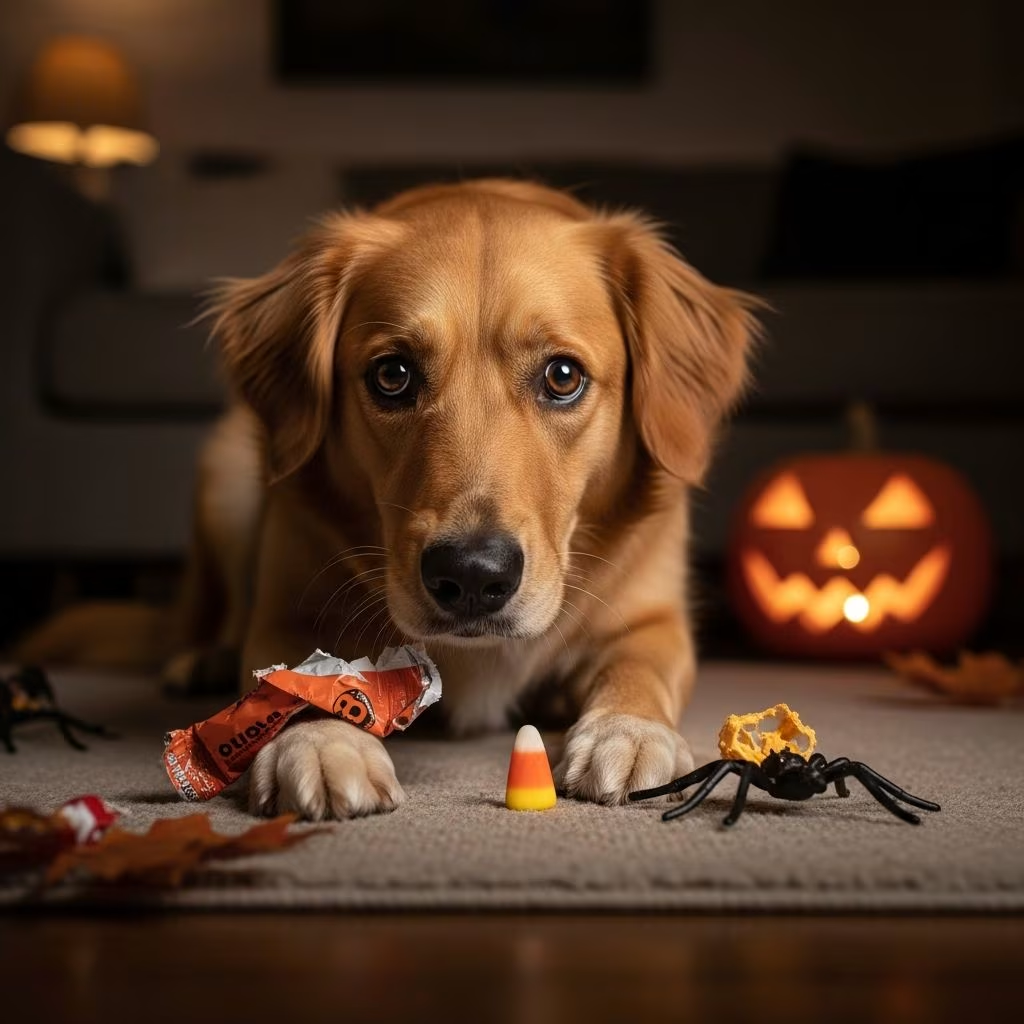
Halloween Dangers for Dogs: A Comprehensive Safety Guide
Halloween is an exciting time for families, but it can present significant risks to our canine companions. From toxic treats and dangerous decorations to stressful situations and escape hazards, pet owners need to be aware of the many ways this holiday can threaten their dogs’ health and safety. Understanding these dangers and taking preventive measures can help ensure your furry friend enjoys a safe and happy Halloween.
Toxic Halloween Treats and Candy Dangers
Chocolate toxicity remains one of the most serious Halloween dangers for dogs. Chocolate in all forms—particularly dark chocolate and baking chocolate—contains theobromine, a compound toxic to canines that can cause severe health complications ranging from mild gastrointestinal upset to fatal cardiac arrhythmias. Even small amounts of dark or baking chocolate can be dangerous, depending on your dog’s size and weight.
Beyond chocolate, xylitol (an artificial sweetener found in sugar-free candies, gum, and some baked goods) poses an extreme threat to dogs. Xylitol can cause rapid insulin release leading to severe hypoglycemia, and even tiny amounts can be life-threatening. Symptoms of xylitol poisoning develop quickly and may include vomiting, lethargy, loss of coordination, and seizures.
Prevention strategies include:
- Store all Halloween candy in secure, elevated locations away from curious noses
- Keep candy bags off tables, counters, and low shelves
- Educate children about not sharing treats with pets
- Check ingredient labels on all candies and baked goods for xylitol
- Consider dog-safe treats as alternatives for your pet during Halloween festivities
Pet Costume and Wearable Hazards
While dressing up your dog in a cute costume might seem like harmless fun, costumes can present multiple safety risks that pet owners often overlook. Loose fabric pieces, dangly decorations, and small attachments on costumes pose serious choking and obstruction hazards.
Common costume dangers include:
- Loose buttons, bells, and plastic “eyes” that dogs may chew off and swallow
- Dangling fabric strips that can wrap around the neck or become entangled on furniture
- Tight costumes that restrict movement or breathing
- Costume pieces that dogs consume, leading to intestinal blockages requiring surgical intervention
- Small pets becoming tripped up or tangled in costume material while running or playing
If your dog ingests costume pieces, watch for warning signs including vomiting, decreased appetite and energy levels, straining to defecate, or abdominal pain. These symptoms may indicate a digestive obstruction, which is a veterinary emergency requiring immediate professional attention. Digestive obstructions typically require surgery or endoscopic removal to resolve.
Best costume practices:
- Choose costumes without small detachable parts or loose fabric
- Ensure the costume fits properly without restricting movement or breathing
- Never leave your costumed dog unattended
- Consider dog-appropriate costumes or avoid costumes altogether if your dog seems uncomfortable
- Test the costume on your dog before Halloween to ensure proper fit and comfort
Suffocation Risks from Bags and Packaging
One of the most dangerous yet often overlooked Halloween hazards is the risk of suffocation from snack and candy bags. Dogs rummaging through Halloween goodies can easily stick their head into plastic or Mylar bags in search of lingering food particles and scents. Once a dog’s head becomes wedged in a bag, the plastic creates a vacuum-like seal that can lead to suffocation in as little as 3 to 5 minutes.
The panic response that naturally follows when a dog’s head gets stuck actually accelerates the danger—increased stress depletes oxygen and raises carbon dioxide levels even faster. Regardless of the dog’s size or strength, they typically cannot extract themselves once trapped. Empty candy and snack bags pose the same risk as full ones, as a dog’s powerful sense of smell entices them to investigate.
Prevention measures include:
- Immediately dispose of all candy and snack bags in secure, sealed trash containers
- Keep trash cans in areas your dog cannot access
- Use pet-proof garbage containers or gates to limit access to kitchen areas on Halloween
- Supervise your dog closely during peak trick-or-treating hours when bags are most prevalent
- Collect candy bags from visitors or children to prevent dogs from investigating them
Halloween Decoration Dangers
Halloween decorations, while festive and fun for humans, create numerous hazards for curious dogs. Many common Halloween decorations are unsafe for pets to interact with or consume.
Fake Spider Webs and Autumnal Decorations
Both dogs and cats naturally explore new items with their mouths, making decorations particularly risky. Dogs may chew on or ingest fake spider webs, rubber spiders, old pumpkins, corn, gourds, and other autumnal vegetables used for decorating. While these items might seem harmless, they can cause gastrointestinal upset or intestinal blockages.
Electrical Cords and Power Sources
Halloween lighting displays often involve numerous electrical cords and power sources. Dogs may chew on exposed wiring, leading to electrical burns in the mouth and throat, respiratory distress, or cardiac arrest. Keep all cords covered, tucked away in secure locations, or use cord protectors to prevent access. Arrange your electrical setup so wires are completely out of reach.
Candles and Open Flames
Real candles used for ambiance or in jack-o’-lanterns present serious burn and fire hazards. Curious dogs may brush against open flames, resulting in painful burns to their nose, face, or fur. A knocked-over candle could ignite nearby decorations or start a house fire. LED flameless candles provide the same festive atmosphere without the risk, making them an ideal alternative for pet-owning households.
Environmental Stressors and Behavioral Challenges
Beyond physical hazards, Halloween itself creates environmental stressors that can significantly impact your dog’s well-being. The holiday’s unique sensory experiences—constant doorbell ringing, knocking, and unfamiliar people in costumes—can overwhelm even well-adjusted dogs.
Common stress responses include:
- Reduced appetite and digestive upset
- Increased anxiety and nervousness
- Aggression or defensive behavior
- Difficulty sleeping or resting
- Excessive barking or whining
- Attempts to escape or door dash
Recognizing stress signals is crucial for your dog’s safety and comfort. Signs that your dog is anxious or uncomfortable include lip licking, yawning, turning away, wide eyes, ears pinned back, and backing away from situations. These subtle cues indicate your dog needs space and relief from the stimulation.
Preventing Door Dashing and Escape Attempts
The constant opening and closing of doors during trick-or-treating creates opportunities for dogs to bolt outside and potentially get lost. Door dashing is a serious Halloween risk, especially for dogs that are anxious or excited by the chaos.
Effective prevention strategies include:
- Keep your dog in a secure back room or designated safe space during peak trick-or-treating hours
- Use baby gates or closed doors to create physical barriers between your dog and the front entrance
- Place your dog in a crate or carrier stocked with toys, treats, and interactive food puzzles for entertainment
- Turn off the doorbell if it significantly stresses your dog
- Place “please no visitors” signs on your door to discourage trick-or-treaters during especially stressful times
- Ensure your dog wears current identification, including a collar tag and microchip information
- Keep recent photos of your dog handy in case they escape
Outdoor Safety for Trick-or-Treating Dogs
If your dog will join you for trick-or-treating around the neighborhood, maintaining strict control is essential. Always keep your dog on a sturdy leash throughout the outing. A leash prevents your dog from bolting into traffic, eating dangerous items from the ground, or getting into confrontations with other dogs. The leash also provides security if your dog becomes startled or spooked by costumes or loud noises.
Additional outdoor safety tips include:
- Avoid leaving your dog unattended at any point during the night
- Use a reflective leash or collar to ensure visibility to passing vehicles
- Watch for dropped candy and other hazards on sidewalks and lawns
- Monitor your dog’s stress levels and take breaks in quiet areas if needed
- Keep trick-or-treating trips brief, especially for senior dogs or those with health issues
- Ensure your dog is up-to-date on flea, tick, and parasite prevention, as outdoor exposure increases risk
Outdoor Cat Safety Considerations
While this guide focuses primarily on dogs, it’s important to note that outdoor cats face heightened risks during Halloween and the period preceding it (often called “Mischief Night”). Beyond the standard outdoor dangers cats face daily, there’s an increased risk of intentional harm from individuals during this holiday period. To keep your cat safe, keep them indoors during Halloween festivities.
Creating a Safe Halloween Environment
The most effective approach to protecting your dog during Halloween involves creating a comprehensive safety plan:
| Safety Category | Key Actions |
|---|---|
| Food Safety | Store candy securely, check ingredient labels for xylitol and chocolate, provide dog-safe treats |
| Costume Safety | Choose simple designs without loose parts, supervise dressed dogs, test fit before the holiday |
| Environment | Secure trash, cover cords, use flameless candles, store decorations safely |
| Stress Management | Maintain routine, use safe spaces, recognize anxiety signs, consider calming supplements |
| Identification | Ensure current collar tags, microchip registration, keep recent photos available |
Frequently Asked Questions
Q: What should I do if my dog eats Halloween candy?
A: If your dog ingests candy, especially chocolate or anything containing xylitol, contact your veterinarian or animal poison control immediately. Provide information about the type and amount of candy consumed. Do not wait for symptoms to appear; professional guidance is crucial for toxic substances.
Q: Can my dog wear a Halloween costume safely?
A: Dogs can wear costumes if you choose simple designs without loose pieces or small decorations, ensure proper fit, and supervise them constantly. Consider your dog’s comfort level and personality; not all dogs enjoy wearing costumes, and that’s perfectly acceptable.
Q: How can I help my anxious dog during Halloween?
A: Create a safe, quiet space away from trick-or-treaters with toys and comfortable bedding. Keep your dog’s normal routine as consistent as possible. Close curtains to block visual stimulation, use white noise to mask doorbell sounds, and consider consulting your veterinarian about calming supplements or medications for severe anxiety.
Q: What identification should my dog have on Halloween?
A: Your dog should wear a collar with current ID tags displaying your phone number and address. Additionally, ensure your dog has a microchip with updated registration information. These multiple forms of identification dramatically increase the likelihood of recovery if your dog escapes.
Q: Are glow sticks safe for dogs?
A: While glow stick fluid is typically not highly toxic, it can cause mouth irritation, drooling, and gastrointestinal upset if chewed. It’s best to keep glow sticks away from dogs or use pet-safe glow stick alternatives if you want to include your dog in outdoor Halloween activities.
Q: Can I take my dog trick-or-treating?
A: Yes, but only if your dog is comfortable with crowds, noise, and costumes. Keep your dog on a leash at all times, monitor stress levels, watch for dropped candy and hazards, and keep the outing brief. Not all dogs enjoy trick-or-treating, and it’s perfectly fine to leave your dog at home in a safe, comfortable space.
References
- The Top Halloween Dangers for Dogs & Cats — Preventive Vet. 2024. https://www.preventivevet.com/dogs/top-10-halloween-dangers-for-dogs
- Dog Halloween Training Tips: How to Prepare Your Dog for Trick or Treating — Kinship. 2024. https://www.kinship.com/uk/dog-behaviour/dog-halloween-training-tips
- Halloween Pet Safety: 5 Tips Pet Parents Need To Know — Dutch. 2024. https://www.dutch.com/blogs/general/halloween-pet-safety-tips



