

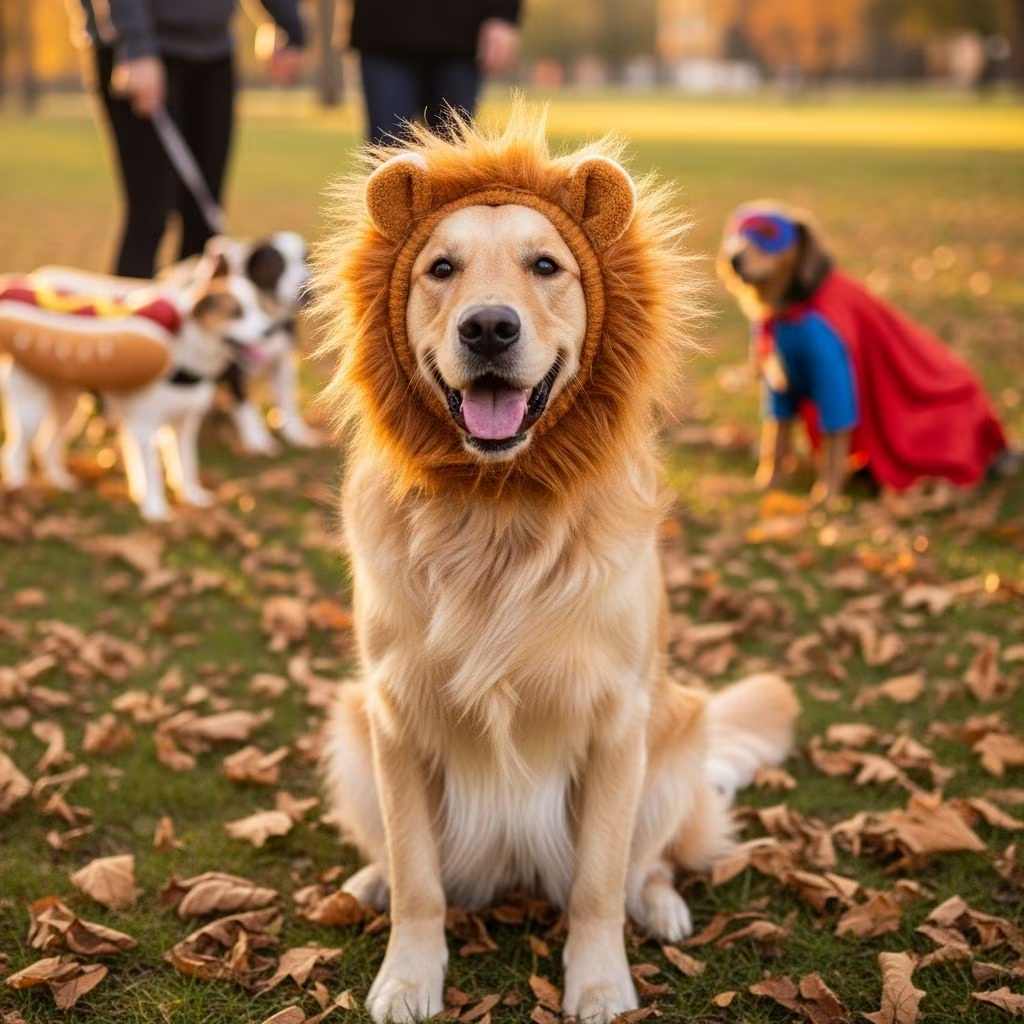
Halloween Costume Ideas for Dogs: Safe & Fun Styles
Halloween is an exciting time to celebrate with your furry friend, and dressing up your dog in a festive costume can be a memorable experience. However, choosing the right costume goes beyond just picking something cute—it requires careful consideration of your dog’s safety, comfort, and personality. Whether your dog loves attention or prefers a low-key approach, there’s a costume style that can work for them. This guide explores various Halloween costume ideas for dogs while emphasizing the importance of safety and comfort.
Understanding Dog Costume Safety
Before diving into costume ideas, it’s essential to understand the fundamental safety principles that should guide your choice. A proper dog Halloween costume must prioritize your pet’s wellbeing above all else. The costume should fit properly without restricting movement, allow your dog to breathe normally, and not obstruct their vision or hearing.
When selecting a costume, ensure that you can slip your fingers comfortably between the costume and your dog’s body, particularly around the neck and legs. Avoid costumes with small detachable pieces like buttons, beads, or sequins that your dog could chew off and swallow, creating a choking hazard. Additionally, steer clear of anything that could cause your dog to trip or become tangled, especially if you’ll be walking them in the costume.
Temperature regulation is another critical concern. Heavy or layered costumes can quickly cause overheating, particularly for brachycephalic breeds like pugs and bulldogs that already struggle with temperature control. Watch for signs of overheating, such as excessive panting, drooling, or restlessness, and limit costume-wearing time accordingly.
Preparation and Introduction Timeline
The key to a successful Halloween costume experience is gradual introduction and positive reinforcement. Rather than surprising your dog with a costume on Halloween night, experts recommend purchasing the costume at least two weeks in advance.
Follow this step-by-step introduction process:
Week One: Show your dog the costume and offer treats. Let them explore it naturally without any pressure.
Week Two: Drape the costume over their back for a few seconds, then reward with treats and praise. Repeat this several times over a few days.
Final Days: Gradually put the outfit on for short periods, starting with just a few minutes. Use positive reinforcement consistently so your dog associates the costume with good things.
This approach helps your dog become comfortable with the outfit and reduces stress or anxiety on the actual day. Remember that if your dog shows signs of stress or discomfort at any point, you should remove the costume immediately.
Popular Dog Costume Categories
Classic and Timeless Costumes
Classic dog costumes never go out of style and remain popular choices for many pet owners. These include simple and effective options that most dogs find comfortable to wear. A superhero costume with a cape can make your dog look heroic, while a pirate outfit with a bandana and eye patch adds a playful touch. Hot dog or taco costumes are perennial favorites that never fail to get laughs, and they’re typically simple designs that don’t restrict movement.
Ghost costumes are another timeless option, though care should be taken to ensure the fabric doesn’t cover your dog’s face or obstruct their vision and breathing. A simple white sheet with eye holes can work, but many prefer to use a lightweight sheet that your dog can see through easily.
Pop Culture and Character Costumes
If you want your dog to channel their favorite movie or TV character, character-based costumes offer endless possibilities. Your dog could dress as a Jedi from Star Wars, a character from Harry Potter, or even a superhero like Batman or Wonder Woman. Movie-themed costumes allow you to coordinate with your own outfit for matching family photos.
Consider your dog’s size when choosing character costumes. Small dogs might look adorable as a baby Yoda, while larger dogs could pull off an impressive Wookiee or dinosaur costume. Make sure any character costume you choose doesn’t have small attachments that could pose choking hazards.
Themed and Punny Costumes
Punny costumes are a creative way to showcase your sense of humor while dressing up your dog. These include clever wordplay-based outfits like a “cereal killer” (complete with miniature cereal boxes), a “taco-bout-it” costume, or dressing your dog as a walking taco. Other punny options include a “pup-corn” costume, a “barking lot” attendant, or even a “sub-woofer” complete with speaker-inspired design.
These costumes are often simple to assemble from household items or basic supplies, making them budget-friendly and usually quite comfortable for your dog since they don’t require tight fitting or restrictive pieces.
Minimalist and Lightweight Options
Not every dog enjoys wearing a full costume, and that’s perfectly acceptable. Minimalist options like festive collars, bandanas, or Halloween-themed harnesses can still get your dog in the holiday spirit without the discomfort of a full outfit. A simple orange bandana makes your dog a pumpkin, a red bandana creates a ladybug theme, and a striped collar can evoke a circus performer.
These lightweight options are ideal for dogs who are sensitive to clothing, anxious about costumes, or simply prefer minimal coverage. A festive collar with bells, a cute bow tie, or a lightweight harness with Halloween colors often provides enough festive flair without the stress.
Reflective and Safety-First Costumes
If you’ll be walking your dog during trick-or-treating hours when it’s dark outside, consider costumes featuring reflective materials or glow elements. A costume with reflective tape, a diffused LED collar, or reflective bands attached to the harness ensures that your dog remains visible to vehicles and other people.
Safety-first costumes don’t have to sacrifice style. Many designs now incorporate reflective elements while maintaining an attractive appearance. This is especially important for dogs that will be outside during twilight or evening hours when visibility is reduced.
Costume Selection by Dog Personality
Your dog’s personality should heavily influence your costume choice. An energetic, outgoing dog might enjoy a bold costume that gets attention, while a more reserved dog might prefer something subtle and comfortable.
For Social Butterflies: Dogs that love attention and interact well with people can handle more elaborate costumes. Consider superhero outfits, character costumes, or fun punny designs.
For Anxious Dogs: If your dog tends to be nervous or reactive, stick with minimal coverage like bandanas, collars, or harnesses. These provide festive appeal without triggering anxiety.
For Active Dogs: Choose costumes that don’t restrict movement and allow for normal running, jumping, and play. Avoid long trains, trailing pieces, or anything that could trip your pup.
For Senior Dogs: Older dogs may be less tolerant of costumes and temperature fluctuations. Keep costumes lightweight, easy to put on and remove, and monitor them closely for signs of discomfort.
DIY Costume Tips
Creating your own dog costume can be fun, cost-effective, and allows for customization to your dog’s specific needs. However, homemade costumes require careful safety considerations.
When DIY-ing pet outfits, avoid using toxic materials or anything with small pieces your dog might chew off and swallow. Use soft, breathable fabrics that won’t irritate your dog’s skin. Secure all decorations firmly so they can’t come loose, and use pet-safe fasteners like Velcro instead of buttons, elastic bands, or drawstrings that pose choking hazards.
Test your homemade costume before Halloween by having your dog wear it for short periods. Make adjustments as needed to ensure proper fit and comfort. Remember that simple is often better—an overly complicated costume is more likely to cause stress or pose safety risks.
Costume Duration and Comfort Management
Even the most well-designed costume should only be worn for a limited time. Your dog might be enthusiastic about a quick Instagram photo session, but comfort will decline if they’re dressed for extended periods.
Plan to keep your dog in costume for specific activities like trick-or-treating, party photos, or greeting visitors, then remove it promptly. This approach helps prevent overheating, reduces stress, and maintains your dog’s positive association with the costume.
Never leave your costumed dog unattended, even briefly. Costumes can shift, become uncomfortable, or create situations where your dog gets caught on something. Constant supervision ensures you can quickly address any issues.
Important Safety Checklist
Before taking your dog out in their Halloween costume, complete this safety checklist:
Fit and Movement: Can you slip your fingers comfortably between the costume and your dog’s body? Can your dog walk, run, sit, and lie down naturally?
Senses: Are your dog’s eyes, ears, nose, and mouth completely unobstructed? Can they see, hear, breathe, and bark normally?
Choking Hazards: Are there any small detachable pieces, loose buttons, or dangling decorations? Are all fasteners secure?
Temperature: Is the costume lightweight and breathable? Can your dog regulate their temperature properly?
ID and Visibility: Are ID tags visible and secure? Does the costume have reflective elements if you’ll be out at night?
Dog’s Comfort: Does your dog show signs of stress or anxiety? Are they willing to wear the costume?
Collar and Leash: Can your dog wear their collar and leash comfortably with the costume? Is your microchip information current?
What to Avoid
Certain costume elements should be avoided entirely to ensure your dog’s safety. Never force a costume on a dog that shows signs of distress or discomfort, regardless of how cute it looks. If your dog is anxious about costumes or frightened by your own Halloween outfit, it’s better to skip the costume altogether.
Avoid masks or hoods that cover your dog’s face and obstruct vision or breathing. Don’t use costumes with toxic elements or materials that could harm your dog if ingested. Steer clear of overly complicated designs with multiple layers, long tails, or excessive dangling accessories.
Don’t leave your dog in costume for extended periods, and never leave them unattended while wearing it. Avoid costumes that are too tight and restrict movement or circulation, and don’t use costumes designed for human children—they’re often too small and not designed with dog safety in mind.
Frequently Asked Questions
Q: Is it safe for dogs to wear Halloween costumes?
A: Yes, dogs can safely wear Halloween costumes if they fit properly, allow for normal movement and breathing, and are worn under supervision. Always prioritize your dog’s comfort and safety over aesthetics.
Q: How long should a dog wear a Halloween costume?
A: Keep costume-wearing time brief. Limit it to specific activities like trick-or-treating or photos, typically 30 minutes to an hour depending on your dog’s comfort level and the costume’s weight.
Q: What if my dog hates wearing costumes?
A: If your dog shows signs of stress or discomfort, don’t force the costume. A simple festive collar, bandana, or no costume at all is better than forcing your dog into something they hate.
Q: Can I leave my dog alone while they’re wearing a costume?
A: No. Never leave your costumed dog unattended. Even simple costumes can shift or become uncomfortable, and your dog might get caught on something while unsupervised.
Q: When should I introduce my dog to their Halloween costume?
A: Start at least two weeks before Halloween. Gradually introduce the costume over several days using positive reinforcement, treats, and praise to create a positive association.
Q: Are homemade dog costumes safe?
A: Homemade costumes can be safe if you use pet-safe materials, avoid small detachable pieces, secure all decorations firmly, and test the costume before Halloween to ensure proper fit and comfort.
Q: What should I do if my dog shows signs of overheating in their costume?
A: Remove the costume immediately if you notice excessive panting, drooling, or restlessness. Ensure your dog has access to fresh water and a cool area. Limit costume time and avoid heavy costumes in warm weather.
References
- 7 Doggy Dos and Don’ts for Halloween 2025 — PD Insurance. 2025. https://www.pd.com.au/blogs/dog-halloween-costume-treats-safety/
- 9 Last-Minute (and Safe) Costume Ideas for Your Dog — Scratch and Patch. 2025. https://scratchandpatch.co.uk/10-last-minute-and-safe-costume-ideas-for-your-dog/
- Want to Dress Up Your Pet for Halloween? Follow These 6 Pet Costume Safety Tips — Orchard Road Animal Hospital. 2025. https://www.orchardroadanimalhospital.com/services/cats/blog/want-dress-your-pet-halloween-follow-these-6-pet-costume-safety-tips
- How to Make Halloween Costumes Fun and Safe for Your Dog — American Kennel Club (AKC). 2025. https://www.akc.org/expert-advice/lifestyle/dog-halloween-costume-safety/
- Halloween Costume Tips For Your Dog — PetSmart. 2025. https://www.petsmart.com/learning-center/dog-care/costume-tips-for-your-dog-this-halloween
- Best Pet Halloween Costume Ideas 2025 & Safety Tips for Dogs — Webbox. 2025. https://www.webbox.co.uk/blog/best-pet-halloween-costume-ideas-2025-safety-tips-for-dogs
- Tricks, Treats, and Tails: Pet Safety Tips for Halloween — ASPCA Pet Insurance. 2025. https://www.aspcapetinsurance.com/resources/halloween-pet-safety-tips/
- These 6 Halloween Pet Safety Tips Are Fright-Night Necessities — Chewy. 2025. https://www.chewy.com/education/dog/general/halloween-pet-safety-tips



