

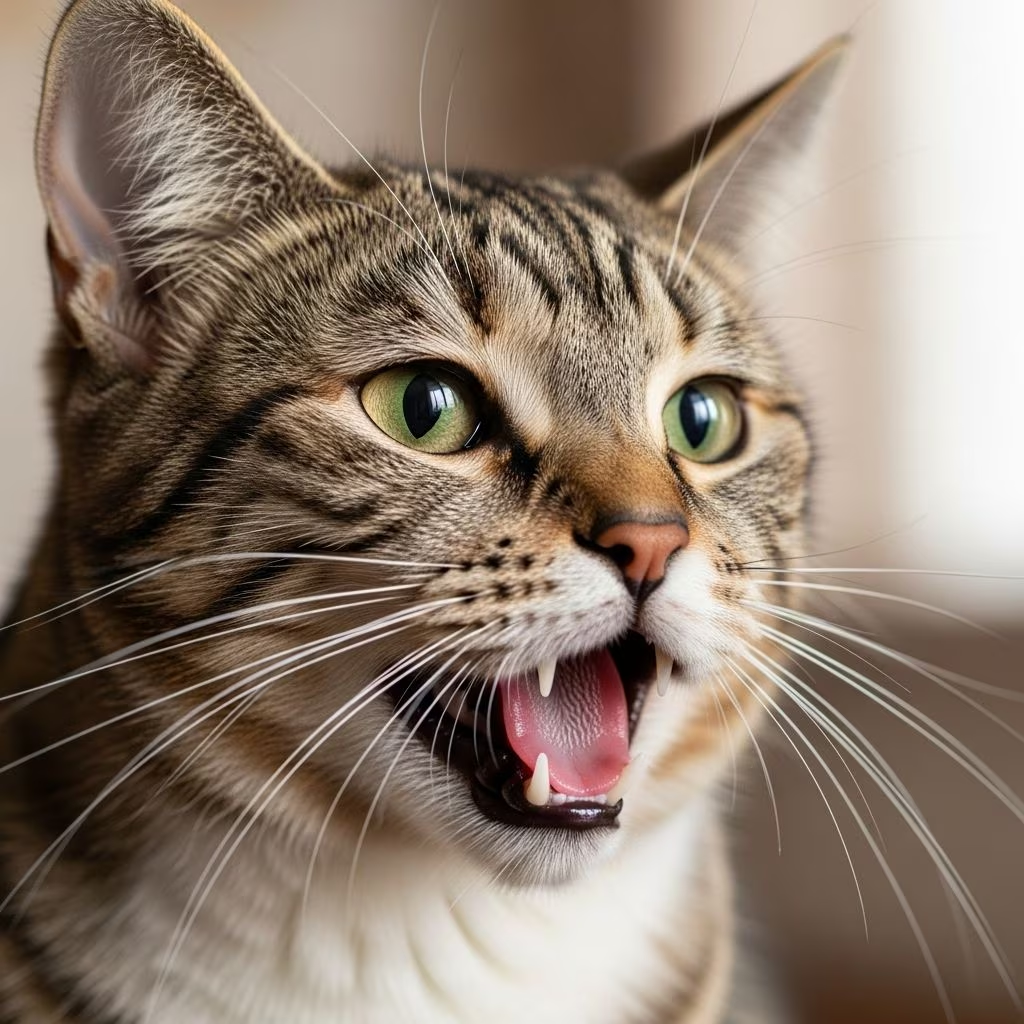
Understanding Halitosis in Cats
Halitosis, the medical term for bad breath, is a common condition affecting cats of all ages and breeds. While it’s easy to dismiss your cat’s unpleasant breath as a normal quirk, halitosis can be a significant indicator of underlying health problems that require veterinary attention. Understanding the causes, recognizing symptoms, and implementing proper treatment and prevention strategies are essential for maintaining your cat’s oral health and overall well-being.
Bad breath in cats is not something pet owners should overlook. The offensive odor emanating from your cat’s mouth often signals dental disease, systemic health issues, or other medical conditions that deserve professional evaluation and care.
What Causes Halitosis in Cats?
Halitosis can result from multiple factors, both oral and systemic. Identifying the underlying cause is crucial for effective treatment and prevention of this common feline condition.
Periodontal Disease and Dental Plaque
The most common cause of halitosis in cats is periodontal disease caused by plaque and tartar buildup. Plaque is a sticky substance composed of saliva and leftover food particles that adheres to the tooth surface, providing an ideal environment for bacterial growth. Plaque-containing bacteria attach to freshly cleaned and polished teeth almost immediately after your cat begins to salivate. Within just a few days, this plaque mineralizes into rough tartar, also called calculus, which accumulates more plaque and triggers gum inflammation known as gingivitis.
As plaque ages and gingivitis progresses into periodontitis—a condition involving loss of tooth support—the bacterial flora in the mouth changes from beneficial bacteria to destructive bacteria. The primary culprit behind bad breath is bad bacteria causing decay that produces smelly sulfur compounds. These volatile sulfur compounds may also compromise the integrity of the tissue barrier, allowing endotoxins (bacterial components) to cause periodontal destruction and enter the bloodstream through endotoxemia and bacteremia.
Other Oral Factors
Beyond plaque and tartar, several other oral conditions contribute to halitosis in cats:
- Decomposing food particles: Food debris retained within periodontal pockets can decompose, creating foul odors
- Oral ulcers: These may develop from underlying viruses like feline calicivirus or from uremic ulcers caused by kidney disease
- Mouth cancer: Oral tumors can lead to dead or decaying tissue, causing offensive breath
- Tooth abscesses: Infected teeth create localized infections contributing to bad breath
- Stomatitis: Inflammation of the inner surface of cheeks, lips, tongue, and roof of the mouth can irritate tissues and produce odors
- Persistent bleeding: Coagulation abnormalities can contribute to halitosis
Systemic Health Issues
Bad breath in cats doesn’t always originate from the mouth. Several systemic health conditions can manifest as halitosis:
- Kidney disease: May produce a strong ammonia-like scent on the breath
- Diabetes: Can create compounds called ketones that produce a sickly-sweet smelling breath
- Liver disease: Can contribute to overall metabolic imbalances affecting breath odor
- Gastrointestinal disorders: Problems with digestion can result in bad breath
Additional Contributing Factors
Several other factors can lead to halitosis in cats, including poor diet choices, foreign objects lodged in the mouth, mouth injuries, infections, and inadequate oral hygiene. Some cats prefer foods that leave strong odors, while wet food or diets that don’t encourage chewing can result in food particles sticking between teeth, promoting bacterial growth.
Recognizing Symptoms of Halitosis
Early recognition of halitosis symptoms can help you catch dental and health problems before they develop into more severe conditions. Common signs include:
- Offensive or foul-smelling breath
- Red, swollen, or bleeding gums
- Visible tartar or yellow or brown discoloration on teeth
- Redness of the mouth and gums
- Behavioral changes or irritability
- Difficulty eating or dropping food from the mouth
- Loss of appetite or inability to eat
These symptoms warrant prompt veterinary evaluation, as they may indicate significant oral disease or systemic health issues requiring professional treatment.
Treatment of Halitosis in Cats
Effective treatment of halitosis involves identifying and eliminating the underlying cause. Your veterinarian will determine the appropriate treatment plan based on the diagnosis.
Professional Dental Cleaning
For cats with periodontal disease, professional dental cleaning is the primary treatment. The process involves:
- A thorough examination of the entire oral cavity to identify all dental problems
- Teeth cleaning and polishing under general anesthesia
- Removal of plaque and tartar both above and below the gumline using hand instruments and specialized scaler tips designed for subgingival cleaning
Professional cleaning effectively removes the bacterial biofilm and mineralized deposits that cause halitosis. Your veterinarian may also extract severely damaged or rotten teeth during this procedure.
Additional Treatment Options
Depending on the underlying cause, your veterinarian may recommend:
- Antibiotics: To treat bacterial infections or abscesses
- Dietary modifications: Changes to support oral or systemic health
- Tooth extractions: Removal of severely compromised teeth
- Treatment of systemic conditions: Management of kidney disease, diabetes, or other underlying health issues
Prevention of Halitosis in Cats
After addressing the causes of halitosis, prevention becomes essential to avoiding recurrence. Daily plaque control is fundamental to maintaining healthy feline teeth and breath.
Veterinary Oral Health Council Approved Products
Fortunately, multiple products can decrease plaque accumulation once teeth are clean. The Veterinary Oral Health Council (VOHC) accepts only dental products that are safe and scientifically proven to reduce plaque and tartar accumulation. These approved products include:
- Specially formulated dental diets
- Dental treats (such as Greenies™ Feline™ Dental Treats and Purina® DentaLife® dental cat treats)
- Water additives
- Topical applications
A complete list of VOHC-accepted products is available at VOHC.org, or you can ask your veterinarian for specific recommendations tailored to your cat’s needs.
The Role of Zinc in Halitosis Prevention
Oral care products containing zinc offer special benefits for halitosis prevention. Zinc inhibits the formation of odor through its natural attraction to sulfur compounds. When zinc and hydrogen sulfide combine, they form zinc sulfide, an insoluble compound that prevents odor production. Additionally, zinc interferes with microbial growth and inhibits the calcification of microbial deposits that contribute to halitosis.
Regular Veterinary Care
Consistent professional monitoring is crucial for halitosis prevention and treatment. Dental examinations at least twice a year are recommended to help treat and prevent halitosis from recurring. These regular check-ups allow your veterinarian to identify early signs of dental disease and address them before they progress to more serious conditions.
Important Reminders About Dental Care
When caring for your cat’s teeth at home, always remember to never use human toothpastes on your cat, as several ingredients can cause upset stomach, vomiting, and diarrhea. Instead, use veterinary-approved dental products specifically formulated for feline use.
Halitosis in Different Cat Populations
While any cat can develop halitosis, certain factors influence susceptibility. Halitosis is generally less common in very young cats who haven’t had sufficient time to accumulate significant dental tartar. However, any cat of any age or breed can experience bad breath depending on their individual health status, genetics, and oral hygiene maintenance.
Frequently Asked Questions
Q: Is bad breath normal in cats?
A: While many cats experience some level of bad breath, halitosis is not a normal condition that should be ignored. Noticeable bad breath typically indicates an underlying problem such as dental disease or a systemic health issue requiring veterinary evaluation.
Q: Can I treat my cat’s halitosis at home without professional help?
A: While you can implement preventive measures like dental diets and treats approved by the Veterinary Oral Health Council, professional veterinary treatment is necessary to address existing halitosis. Only a veterinarian can properly examine your cat’s mouth, identify the underlying cause, and perform necessary treatments like professional dental cleaning.
Q: How often should my cat have dental cleanings?
A: Dental examinations at least twice yearly are recommended, with professional cleanings performed as needed based on your veterinarian’s assessment. The frequency may vary depending on your individual cat’s oral health status and risk factors.
Q: What does different colored breath mean in my cat?
A: The scent and appearance of your cat’s breath can indicate specific health conditions. A sweet or fruity smell may suggest diabetes, while a strong ammonia scent could indicate kidney disease. Any significant change in breath odor warrants veterinary evaluation.
Q: Can dental disease in cats lead to other health problems?
A: Yes, bacteria present in dental disease can travel throughout the body, potentially causing heart or kidney disease. Additionally, severe periodontal disease can result in gum recession and tooth loss, causing pain and affecting your cat’s quality of life.
References
- Halitosis in Cats — VCA Animal Hospitals. 2024. https://vcahospitals.com/know-your-pet/halitosis-in-cats
- Why Does My Cat’s Breath Stink? — PetNest Animal Hospital. 2024-08-20. https://petnestanimalhospital.com/2024/08/20/why-does-my-cats-breath-stink/
- Bad Breath in Cats — PetMD. 2024. https://www.petmd.com/cat/conditions/mouth/bad-breath-cats
- Why Does My Cat’s Breath Smell Bad? — Westmoreland Animal Hospital. 2024-05-21. https://www.westmorelandah.com/site/blog/2024/05/21/cat-breath-smell-bad
- Why Does My Cat’s Breath Smell Bad? — Steinway Court Veterinary. 2023-12-15. https://www.steinwaycourtvet.com/site/blog/2023/12/15/cats-breath-smell-bad



