

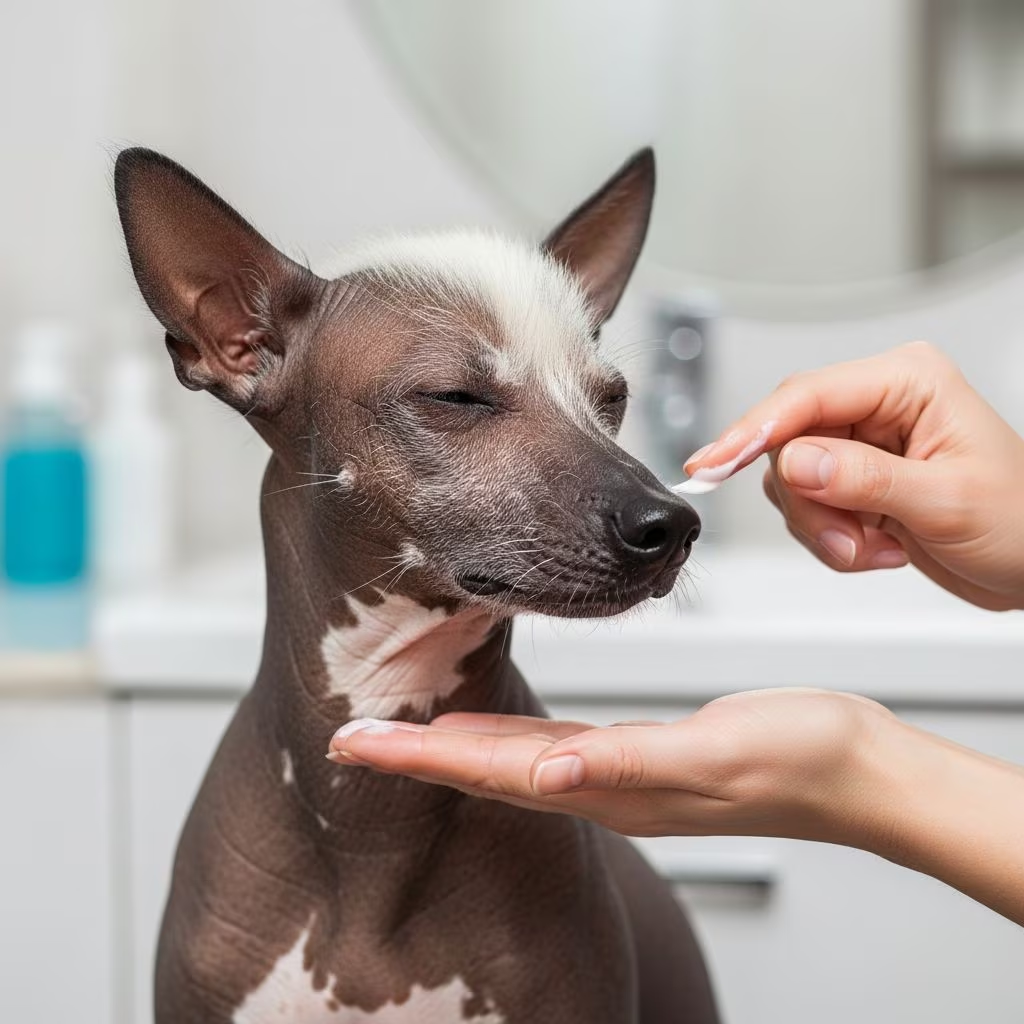
Hairless dogs, such as the Xoloitzcuintli, Chinese Crested, and American Hairless Terrier, possess sensitive skin that requires dedicated care to stay healthy. Without fur for protection, their skin is prone to dryness, oil buildup, infections, sunburn, and environmental irritants. Proper grooming routines focusing on cleansing, moisturizing, and shielding from elements can prevent these issues and enhance their comfort.
Understanding the Unique Skin of Hairless Breeds
The skin of hairless dogs produces more natural oils than furred counterparts to regulate body temperature and retain moisture. This excess sebum can lead to clogged pores, acne, blackheads, and folliculitis if not managed. Additionally, exposed skin absorbs dirt, pollen, and bacteria more easily, increasing risks of dermatitis, pyoderma, and fungal infections. Regular maintenance mimics the protective role of fur, ensuring suppleness and resilience.
Breeds like the Mexican Hairless Dog (Xolo) exemplify these traits, needing vigilant care to avoid discomfort. Veterinary experts emphasize proactive hygiene to balance oil production without stripping essential lipids.
Establishing an Effective Bathing Routine
Frequent bathing is cornerstone for hairless dog skin health, ideally weekly or bi-weekly, to remove accumulated oils, debris, and allergens. Use lukewarm water to avoid drying out the skin, and select hypoallergenic, moisturizing shampoos free from fragrances, sulfates, parabens, and harsh chemicals.
- Antibacterial shampoos: Prevent acne and bacterial overgrowth common in hairless breeds.
- Conditioners with natural oils: Replenish moisture post-shampooing; look for jojoba, castor, or baobab oils.
- Gentle application: Massage softly into skin folds, avoiding vigorous scrubbing that causes micro-abrasions.
After rinsing thoroughly, pat dry with a soft towel rather than rubbing. For cats or scratch-prone pets, supplement baths with damp cloth wipes between sessions. Exfoliating formulas with glycerin unclog pores and promote elasticity without irritation.
Moisturizing Strategies for Daily Skin Health
Post-bath moisturizing is essential to lock in hydration and create a barrier against pollutants. Apply pet-safe oils or lotions sparingly to prevent greasiness.
| Moisturizer Type | Benefits | Application Tips |
|---|---|---|
| Baobab Oil | Fights acne, preserves collagen, environmental barrier | Small amount rubbed into skin after conditioning |
| Jojoba Seed Oil | Antioxidant protection, mimics natural sebum | Daily light massage, focus on dry areas |
| Coconut or Castor Oil | Hydrates deeply, soothes irritation | Use in conditioners; avoid excess to prevent clogging |
Incorporate these into a multi-step process: shampoo, condition, oil application. This restores stripped oils and maintains pH balance, reducing pruritus and scaling.
Protecting Against Sunburn and UV Damage
Hairless dogs burn in just 15-20 minutes of direct sun exposure, risking painful blisters, hyperpigmentation, or skin cancer. Limit outdoor time to dawn or dusk, and always apply dog-specific sunscreen.
- Pet-formulated sunscreens: Hypoallergenic, non-toxic; reapply every 2-4 hours outdoors.
- Avoid human products: Zinc oxide causes hemolytic anemia in dogs.
- Child-safe sprays: Viable alternative if pet-labeled unavailable; test for reactions.
Dark-pigmented skin offers slight natural protection, but pale areas like bellies need extra coverage. Combine with clothing for extended exposure.
Seasonal Adjustments for Optimal Protection
Summer Sun Defense
Beyond sunscreen, provide shaded areas and cooling mats. Increase bathing to twice weekly if sweating exacerbates oiliness.
Winter Warmth and Hydration
Cold air dries skin rapidly; outfit in full-coverage coats extending from neck to tail base, preferably waterproof for wet weather. Indoor heating strips moisture, so boost humidifiers and daily oil rubs. Monitor for chapping on paws and noses.
Caring for Skin Folds and Sensitive Areas
Skin folds trap moisture, fostering yeast and bacterial growth. Clean daily with alkaline water (pH 11) or vet-recommended wipes to inhibit microbes.
- Eyes: Spray alkaline water, wipe gently; prevents tear stains and debris buildup.
- Ears: Inspect weekly for wax; clean with mineral oil solutions.
- Paws and Tail: Moisturize to combat cracking.
Dental health ties to skin care—weekly brushings prevent bacterial spread via skin contact.
Nutrition’s Role in Skin Vitality
Diet influences skin quality. Prioritize omega-3 fatty acids (fish oil supplements), antioxidants (vitamins E and C), and zinc for oil regulation and healing. Hydration via fresh water supports sebum balance. Consult vets for tailored supplements avoiding excesses that worsen acne.
Recognizing and Treating Common Skin Issues
Monitor for redness, pustules, flaking, or odor. Common conditions:
- Canine Acne: Blackheads from oil blockage; treat with benzoyl peroxide wipes.
- Pyoderma: Bacterial infection; requires antibiotics.
- Dermatitis: Allergic reactions; antihistamines and hypoallergenic diets.
Seek veterinary care promptly—early intervention prevents chronic issues. Bi-annual skin exams aid prevention.
Daily Maintenance Checklist
- Bathe weekly with medicated shampoo and conditioner.
- Moisturize post-bath and daily on dry spots.
- Apply sunscreen before sun exposure.
- Clean folds and ears routinely.
- Brush teeth 3-4 times weekly.
- Trim nails monthly.
- Adjust clothing for weather.
Frequently Asked Questions (FAQs)
How often should I bathe my hairless dog?
Weekly baths are ideal, adjusted for oiliness; use moisturizing products to prevent dryness.
Can I use human lotion on my hairless dog?
No—many contain toxic ingredients. Stick to veterinary-approved pet moisturizers.
What sunscreen is safe for hairless dogs?
Dog-specific formulas without zinc oxide or PABA; reapply as directed.
Do hairless dogs need sweaters in winter?
Yes, full-coverage ones protect against cold and dryness.
How do I prevent acne in hairless breeds?
Regular antibacterial washes and oil control via bathing.
Long-Term Benefits of Consistent Care
Dedicated routines yield glossy, irritation-free skin, boosting confidence and longevity. Owners report fewer vet visits and happier pets. Tailor approaches per breed—Xolos need more sun protection, Cresteds more fold cleaning.
References
- Protect Your Hairless Pet’s Sensitive Skin with These Tips — Tranimal Hospital. 2023. https://www.tranimalhospital.com/articles/a_33248.html
- Have a Hairless Dog? Here’s How to Groom Them Properly — American Kennel Club (AKC). 2024-02-15. https://www.akc.org/expert-advice/health/groom-hairless-dog/
- Grooming Routine for Hairless Pets — Superior Care Pet. 2024. https://www.superiorcare.pet/blogs/news/grooming-routine-for-hairless-pets-why-skin-care-is-just-as-important-as-for-long-haired-breeds
- Caring for Your Dog’s Fur and Hairless Breeds — ASPCA Pet Insurance. 2023-10-01. https://www.aspcapetinsurance.com/resources/dog-fur-care/
- Mexican Hairless Dog Xolo: Complete Care Guide — Rubyloo. 2024. https://rubyloo.co/blogs/news/mexican-hairless-dog-xolo



