

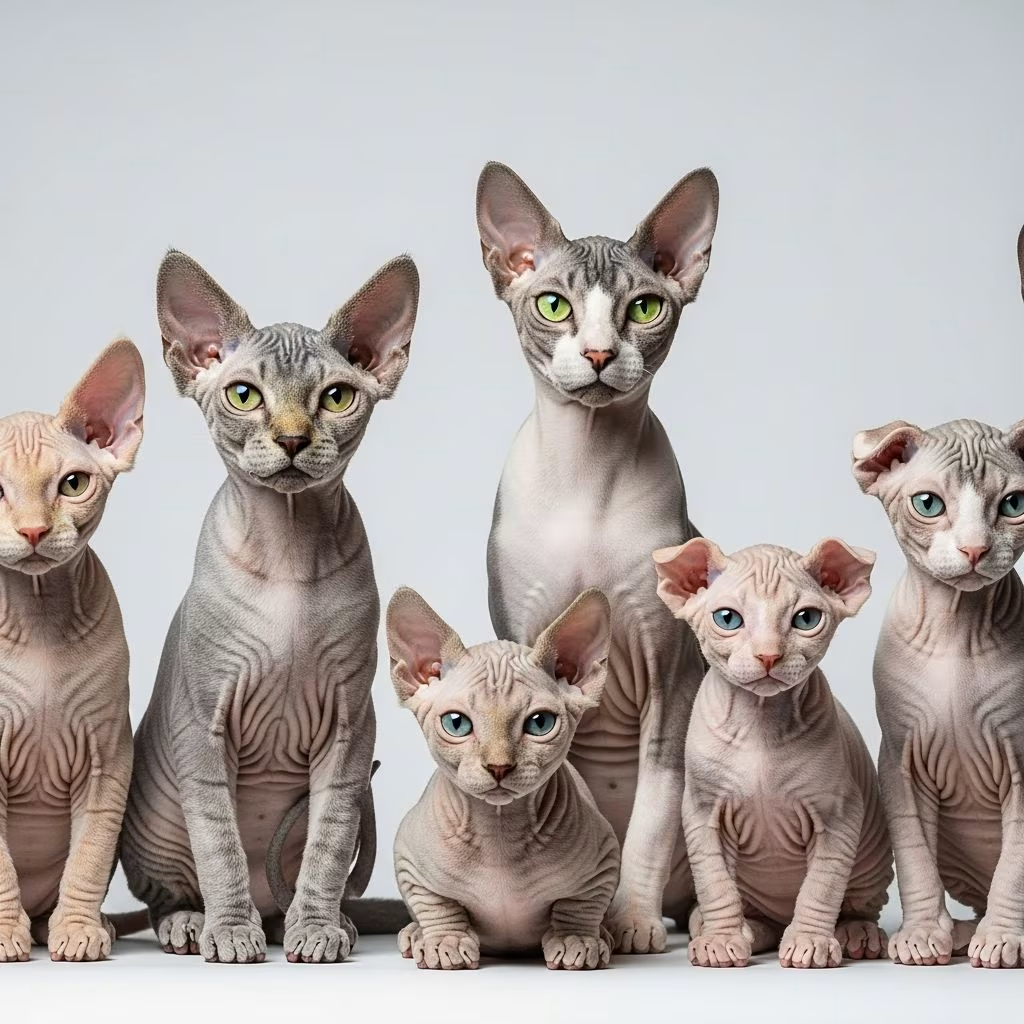
Understanding Hairless Cats
Fluffy, short-haired, and curly-haired cats represent the majority of popular pets, but there exists a unique group of felines with a distinctly minimalist appearance: hairless cats. These head-turning companions might possess soft, downy fur or be completely void of hair, presenting an entirely different aesthetic from traditional cats. Their unusual appearance often captivates cat enthusiasts and those seeking something truly distinctive in a feline companion.
While the hairless appearance of these cats might suggest low-maintenance care requirements, the reality is quite different. These special cats demand routine grooming and extra attention to protect them from environmental hazards including sun exposure, excessive heat, and cold temperatures. However, dedicated fans of these bald beauties consistently report that the additional effort and care required is absolutely worth it for the unique companionship these cats provide.
Six Hairless Cat Breeds to Know
1. Sphynx
The Sphynx represents perhaps the most recognizable hairless cat breed. While they might appear completely nude to casual observers, the Sphynx is actually covered in fine, soft fur that feels remarkably like chamois to the touch. This distinctive texture makes them pleasantly warm, making them perfect cuddle companions on chilly mornings. Sphynx cats possess charming facial wrinkles and characteristically long toes that add to their unique appeal.
Some Sphynx cats have whiskers and eyebrows, while others do not, but their expressive faces and wrinkled skin give them an unmistakable appearance. It’s important to note that Sphynx cats have considerable personalities and are known for being vocal and communicative, often “talking” to their owners throughout the day. Their active nature and affectionate disposition make them engaging household companions.
2. Peterbald
The Peterbald breed is instantly recognizable by its notably large, perky ears that seem disproportionately large for their wedge-shaped head. These cats originated in Russia and remain relatively rare outside their homeland, though they have developed a devoted following among hairless cat enthusiasts. Peterbalds are characterized by their friendly, energetic personalities and active nature.
One fascinating aspect of the Peterbald breed is its coat variety. Unlike some hairless breeds with consistent appearance, Peterbalds can range from completely bare to fuzzy, curly-haired, or even wiry fur of varying lengths. Some Peterbald cats may even have a short or long coat indistinguishable from non-hairless cat breeds. These cats enjoy interactive play, including fetch, and love to follow their human companions throughout the home.
3. Donskoy
The Donskoy breed is notable for its incredible variety in coat types. Unlike breeds with standardized appearances, Donskoy cats come in four distinct varieties, each with unique characteristics:
- Rubber Bald: Born completely bald and remain hairless throughout their entire life
- Flocked: Born with a downy, peach-fuzz coat; some flocked Donskoy cats eventually shed their fuzz and become completely bald
- Velour: Born with a bald spot localized just on their head
- Brush: Feature scattered bald spots throughout their coat
Donskoy cats are distinguished by their sweet personality and notable intelligence. They make friendly family companions and adapt well to homes with children and other pets. Their adaptable nature and loving temperament have made them increasingly popular among families seeking a unique yet personable feline companion.
Additional Hairless Breeds
Beyond the three primary breeds, several other hairless cat varieties deserve mention. The Bambino is a small breed weighing between 7 to 15 pounds with an average lifespan of about 12 years. The Elf breed shares characteristics with the Sphynx but with distinctive pointed ears. The Lykoi breed, sometimes called “werewolf cats,” presents a unique appearance with patchy hairlessness. The Ukrainian Levkoy combines hairlessness with unique ear characteristics distinctive to the breed.
Caring for a Hairless Cat
Understanding Special Requirements
Adding a hairless cat to your family involves several important considerations that differ significantly from caring for traditionally furred cats. Their lack of fur means hairless cat breeds are particularly susceptible to sunburn and cannot regulate their body temperature as effectively as cats with protective fur coats. This fundamental difference in physiology requires thoughtful environmental management and protective measures.
Temperature and Sun Protection
Hairless cats require year-round environmental management to maintain comfort and health. During summer months, provide cooling mats in air-conditioned spaces and ensure access to shaded areas. Apply pet-safe sunscreen to exposed skin areas when cats spend time near windows or outdoors. Consider installing UV filters on windows to reduce harmful sun exposure while allowing natural light.
Winter care is equally important. Provide cozy sweaters, blankets, and heated beds to help hairless cats maintain their body temperature during cold months. These cats cannot generate adequate body heat naturally, making external warmth sources essential for their wellbeing. Maintain indoor temperatures within a comfortable range to prevent stress or illness related to temperature fluctuations.
Grooming and Bathing
Paradoxically, while hairless cats shed much less than their furry counterparts, they actually require more grooming than other cat breeds. The absence of fur means oils and debris accumulate directly on the skin surface rather than being distributed through a protective coat.
Oil glands present in hairless cats’ skin open directly into rudimentary hair follicles and apocrine ducts open directly onto the skin surface. This physiological characteristic causes their skin to become quite greasy and oily, necessitating regular cleaning and maintenance. Veterinarians recommend using a mild hydrating shampoo on your hairless cat approximately once per week. Alternatively, you can wipe them down daily with a soft, warm, damp cloth, ensuring thorough cleaning between deep wrinkles where oil, dirt, and debris accumulate.
However, it’s important to balance cleanliness with skin health. While frequent baths are necessary, they can potentially dry out sensitive skin. Consult with your veterinarian about a recommended skincare routine tailored specifically to your hairless cat’s individual needs. Your vet might recommend special shampoos formulated to replenish natural oils rather than strip them away.
Ear and Nail Care
Hairless cats require more frequent cleaning of their ears and nails due to increased wax and oil buildup in these areas. Weekly ear cleaning helps prevent infections and maintains ear health. Nails similarly accumulate excess oil around nail beds, requiring regular attention. Establish a consistent cleaning schedule and use appropriate tools recommended by your veterinarian to prevent discomfort or infection.
Health Considerations for Hairless Cats
Common Skin Conditions
Hairless cats and kittens are particularly prone to developing dermatological issues, making routine bathing and grooming essential preventive measures. Many hairless cats develop seborrhea, comedones (dilated, plugged hair follicles), and recurrent bacterial and yeast infections. Comedones typically appear as dark pimples on the chin and body, though severe cases can spread across the entire body.
These skin conditions require professional veterinary attention. Work with your vet to develop appropriate treatment strategies, which may include oral medications, topical treatments, or specialized dietary adjustments. Your veterinarian can perform necessary diagnostic tests to identify specific conditions and recommend special shampoos or medications appropriate for your cat’s particular needs.
Breed-Specific Health Issues
Certain hairless cat breeds are predisposed to specific health conditions requiring awareness and monitoring. Sphynx cats and their crossbreeds are particularly prone to heart disease and muscular dystrophy. Regular veterinary check-ups, appropriate exercise, and monitoring for symptoms are important components of responsible ownership for these breeds.
Understanding your specific breed’s health predispositions allows you to work proactively with your veterinarian on prevention and early detection strategies. Regular health screenings, appropriate nutrition, and lifestyle modifications can help maintain optimal health for your hairless companion.
Addressing Common Questions About Hairless Cats
Are Hairless Cats Hypoallergenic?
A common misconception is that hairless cats are hypoallergenic or safe for people with cat allergies. The reality is more nuanced. While hairless cats produce reduced dander in the environment compared to furred cats, they are not truly hypoallergenic. Cat allergies stem from proteins present in a cat’s saliva, urine, and dander—specifically the Fel d 1 protein. These allergens are present regardless of whether a cat has fur or not.
However, hairless cats are considered among the best cat options for people with allergies due to reduced dander circulation. Weekly bathing can help further minimize dander accumulation. Before welcoming any cat into your home, consult with your doctor about appropriate allergy management strategies and consider spending time with the specific breed to assess your personal tolerance.
Do Hairless Cats Have Dander?
Yes, hairless cats absolutely have dander. Dander is shed skin cells that occur naturally in all cats. If you have a cat dander allergy, you will likely experience the same allergic reaction with a hairless cat as you would with a traditionally furred cat. The reduction in dander circulation is due to less surface area for dander to attach and spread, not the absence of dander production.
Do Hairless Cats Have Whiskers?
Interestingly, the answer is both yes and no depending on the individual cat. Some hairless cats do have whiskers, while others do not. In cases where whiskers are present, they are sometimes short and stubby, or they may be broken. This variation adds to the individual charm of hairless cats, as each cat has its own unique appearance and characteristics.
Are Hairless Cats “Natural”?
The answer depends on how you define “natural.” Hairlessness in cats is technically a naturally occurring genetic mutation that appears spontaneously in cat populations. However, modern hairless cat breeds have been developed through selective breeding, which is an intentional human-guided process. Therefore, while the genetic mutation is natural, the breeds as we know them today are products of deliberate selective breeding programs designed to emphasize and maintain the hairless trait.
Where Do Hairless Cats Come From?
Many hairless cats are believed to have originated from the Aztec cat, a now-extinct ancient cat breed that naturally lacked fur. There is also a distinct line of hairless cats believed to have originated in Canada. Modern hairless cat breeds recognized today are relatively recent developments and remain quite rare. The breeds have been carefully developed over recent decades through selective breeding programs involving individuals carrying the hairless gene.
Is a Hairless Cat Right for Your Family?
Considerations Before Adoption
Hairless cat breeds may require significantly more TLC and attention than traditionally furred cats, but dedicated cat lovers find these unique animals absolutely worth the additional effort. Before adopting a hairless cat, honestly assess your ability to commit to their specialized care requirements, including regular grooming, consistent temperature management, and vigilant health monitoring.
These cats make wonderful companions for families prepared to meet their distinctive needs. Their engaging personalities, affectionate nature, and striking appearance create memorable bonds with their human companions. If you’re ready for the challenge, these bald beauties will reward your dedication with years of unique companionship and entertainment.
Frequently Asked Questions
Q: How often should I bathe my hairless cat?
A: Veterinarians typically recommend bathing hairless cats approximately once per week using a mild hydrating shampoo. However, you can supplement weekly baths with daily wipe-downs using a soft, warm, damp cloth to manage oil buildup.
Q: What temperature should my home be for a hairless cat?
A: Hairless cats cannot regulate body temperature effectively, so maintain indoor temperatures between 75-85°F (24-29°C). Provide heating pads in winter and cooling mats in summer to ensure comfort year-round.
Q: Are hairless cats more expensive than regular cats?
A: Yes, hairless cats typically cost significantly more than traditionally furred cats, often ranging from $1,500 to $3,000 or more from reputable breeders. Factor in additional grooming supplies, specialized shampoos, and potential veterinary costs when budgeting.
Q: Can hairless cats go outside?
A: Hairless cats can spend limited supervised time outdoors, but require protection from sun exposure with pet-safe sunscreen and UV-protective clothing. Indoor cats remain safest, with outdoor time limited to secure, shaded enclosures.
Q: How long do hairless cats live?
A: Most hairless cat breeds have lifespans of 9-15 years, with some individuals living into their late teens with proper care. Specific lifespan varies by breed and individual health factors.
Q: What should I feed my hairless cat?
A: Feed high-quality cat food appropriate to your cat’s age and health status. Consult your veterinarian about specific dietary needs, as some hairless cats may benefit from specialized nutrition to support skin and immune health.
References
- Sphynx Cat Breed Information and Care — PetMD. 2025. https://www.petmd.com/cat/general-health/hairless-cats
- Sphynx Cat Genetics and KRT71 Gene Mutation — Wikipedia. 2024. https://en.wikipedia.org/wiki/Sphynx_cat
- Hairless Cat Breeds and Care: Comprehensive Guide — Chewy Education. 2024. https://www.chewy.com/education/cat/general/behavior-breeds-10-things-to-know-about-hairless-cats
- Sphynx Cat Health and Care Guidelines — PetMD. 2025. https://www.petmd.com/cat/breeds/sphynx
- Temperature Regulation and Care for Hairless Cats — PetMD. 2025. https://www.petmd.com/cat/care/how-keep-sphynx-cats-and-other-hairless-cats-warm
- Sphynx Cat Characteristics and Behavior — Britannica. 2024. https://www.britannica.com/animal/Sphynx-cat



