
Hairballs In Cats: Expert Prevention And Treatment Guide
Discover why hairballs go beyond normal grooming, learn to spot dangers early, and explore effective prevention strategies for your cat's well-being.
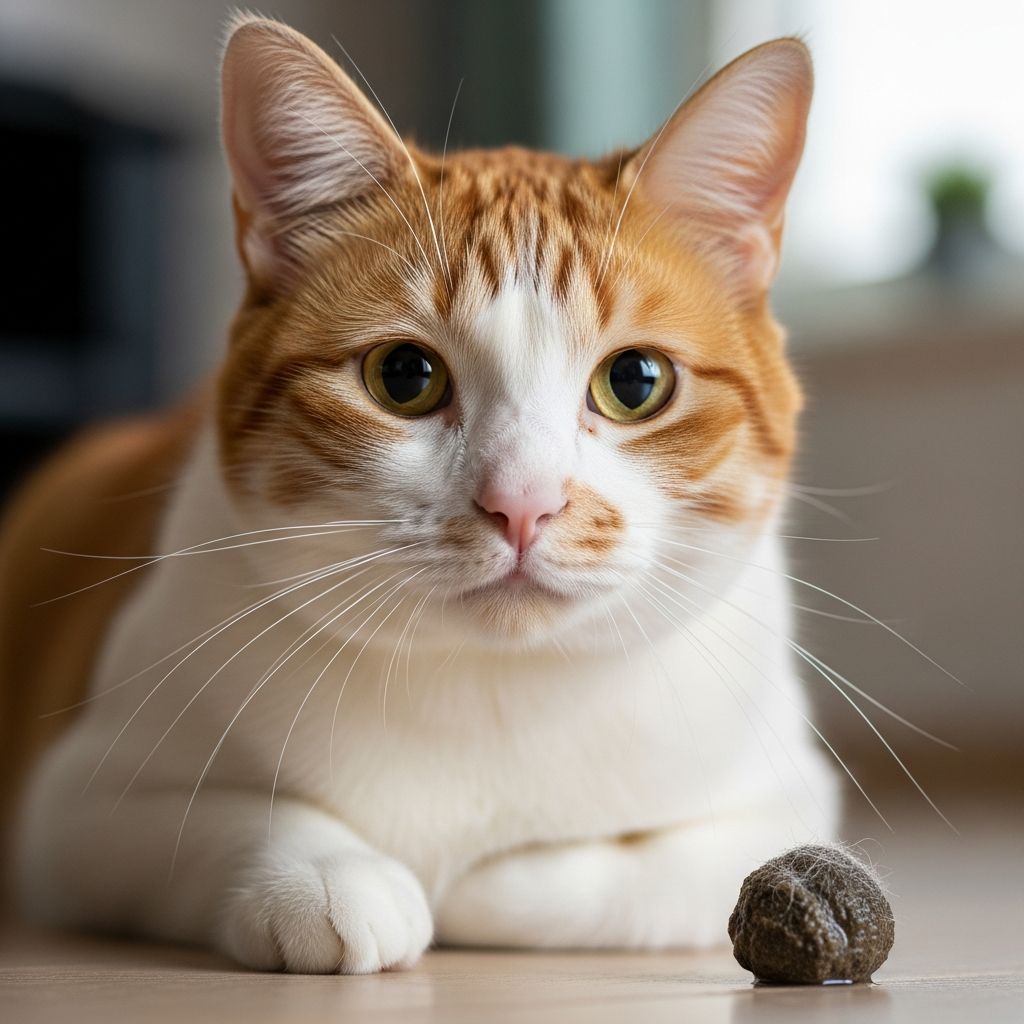
Cats naturally groom themselves by licking their fur, ingesting loose hairs that can accumulate in the stomach and form hairballs, known medically as trichobezoars. While occasional expulsion is typical, frequent or complicated cases demand attention to prevent severe health risks.
The Grooming Process Behind Hairball Formation
Feline self-grooming involves a specialized tongue covered in backward-facing papillae that act like tiny hooks, efficiently removing dirt and loose fur but directing swallowed hairs into the digestive system. In the stomach, these hairs mix with digestive juices and food, gradually matting into sausage-shaped masses that cats often regurgitate. Long-haired breeds like Persians face higher risks due to greater fur volume, while short-haired cats can also suffer if grooming intensifies from stress or skin issues.
This process supports coat health but overloads the gut when hair intake exceeds expulsion capacity. Understanding this mechanism helps owners differentiate routine maintenance from emerging problems.
Recognizing Everyday vs. Alarming Symptoms
Normal hairball signs include occasional retching followed by a tubular fur mass, typically every one to two weeks without other distress. However, persistent symptoms warrant concern.
- Gagging or hacking without expulsion
- Vomiting undigested food or clear liquid
- Temporary appetite dip or lethargy
When these escalate—such as daily vomiting, refusal to eat beyond 24 hours, or abdominal tenderness—they indicate potential complications like impactions. Cats may hide, vocalize in pain, or strain without results, signaling digestive distress.
Potential Dangers of Unresolved Hairballs
Beyond regurgitation, hairballs can migrate, causing obstructions. In the intestines, they block nutrient passage, leading to bloating, persistent vomiting, and dehydration. Esophageal lodgings provoke swallowing difficulties and inflammation, while nasopharyngeal entry triggers sneezing and nasal issues.
Mineralized hairballs, hardened over time, resist passage and heighten obstruction risks. Without intervention, these can prove fatal, especially in cats with slowed gut motility from diseases.
| Symptom Type | Normal Occurrence | Emergency Signs |
|---|---|---|
| Vomiting | Occasional hair mass | Frequent, with food/fluid or blood |
| Appetite | Brief disinterest | 24+ hour refusal |
| Behavior | Mild lethargy post-expulsion | Constant hiding, pain cries |
| Digestion | Normal bowels | Constipation, distended belly |
Underlying Conditions Linked to Frequent Hairballs
Chronic hairballs often stem from root causes beyond grooming. Gastrointestinal disorders like inflammatory bowel disease (IBD) or dietary intolerances slow motility, trapping hair. Allergies prompt excessive licking, boosting ingestion, while parasites irritate the gut, exacerbating issues.
Stress-induced overgrooming or skin diseases like atopy increase fur swallowing. Veterinary diagnostics, including imaging and bloodwork, pinpoint these to address origins rather than symptoms.
Effective Prevention Strategies for Cat Owners
Proactive steps minimize hairball frequency. Regular brushing removes loose fur, reducing swallowed amounts—daily for longhairs, weekly for shorthairs. Specialized diets with lubricants like petrolatum ease passage.
- High-fiber foods: Promote natural expulsion via firmer stools.
- Hairball remedies: Pastes or gels lubricate the tract.
- Hydration boosts: Wet food or fountains aid digestion.
Environmental enrichment curbs stress-grooming. Raw diets may help via bone abrasion, though evidence is anecdotal.
Veterinary Interventions for Stubborn Cases
Immediate care for blockages involves diagnostics like X-rays or ultrasound to locate masses. Laxatives or enemas clear minor impactions; surgery removes severe ones.
Post-treatment, vets recommend tailored diets, flea control, and grooming routines. Monitoring prevents recurrence, ensuring long-term digestive health.
Nutritional Approaches to Reduce Risks
Premium commercial foods formulated for hairball control contain added fibers and oils. Studies link fiber supplementation to fewer episodes by enhancing peristalsis. Comparing options:
| Diet Type | Key Benefits | Potential Drawbacks |
|---|---|---|
| Fiber-enriched kibble | Bulks stool, moves hair | May cause initial loose stools |
| Hairball control wet food | Hydrates, lubricates | Higher cost |
| Raw meat/bone | Dental health, low carbs | Pathogen risks, prep time |
Transition gradually and consult vets for breed-specific needs.
Breed Predispositions and Lifestyle Factors
Long-haired breeds like Maine Coons ingest more fur, but indoor cats groom excessively from boredom. Age matters: seniors face motility declines, amplifying risks. Multi-cat homes spread allergens, indirectly worsening issues.
FAQs on Cat Hairballs
Are hairballs always dangerous?
No, occasional ones are normal, but frequent or symptomatic cases need evaluation.
How often should my cat vomit hairballs?
Once every 1-2 weeks is typical; more signals problems.
Can hairballs cause death in cats?
Yes, untreated intestinal blockages can be fatal.
What home remedies work best?
Brushing, fiber treats, and hydration; avoid forcing oils.
Should I switch foods for hairballs?
Vet-recommended hairball formulas help, especially with other symptoms.
Long-Term Management for Healthy Felines
Integrate grooming, diet, and check-ups into routines. Track episodes in a journal to spot patterns early. Annual exams catch predispositions, while prompt vet visits resolve acute threats.
By prioritizing prevention, owners safeguard their cats from hairball hazards, fostering vibrant lives free from digestive woes.
References
- Hairballs in Cats: When It Is Normal and When to Call the Vet — Heart of Chelsea Veterinary Group. 2023. https://heartofchelsea.com/blog/hairballs-in-cats/
- Hairballs in Cats: Causes, Symptoms, & Remedies — Kingstowne Cat Clinic. 2025-01. https://kingstownecatclinic.com/2025/01/hairballs-in-cats-causes-symptoms-remedies/
- Hair Balls in Cats: A normal nuisance or a sign that something is wrong? — PMC (PubMed Central). 2024. https://pmc.ncbi.nlm.nih.gov/articles/PMC10816490/
- What to Do About Hairballs in Cats — WebMD. 2023. https://www.webmd.com/pets/cats/what-to-do-about-hairballs-in-cats
- The Danger of Hairballs — Cornell University College of Veterinary Medicine. 2023. https://www.vet.cornell.edu/departments-centers-and-institutes/cornell-feline-health-center/health-information/feline-health-topics/danger-hairballs
- Trichobezoars (Hairballs) in Cats — VCA Animal Hospitals. 2024. https://vcahospitals.com/know-your-pet/trichobezoars-in-cats
Similar Articles








Read full bio of Sneha Tete




