Hairball Remedies for Cats: Complete Guide
Effective hairball remedies and prevention strategies to keep your cat healthy and comfortable.
Understanding Cat Hairballs
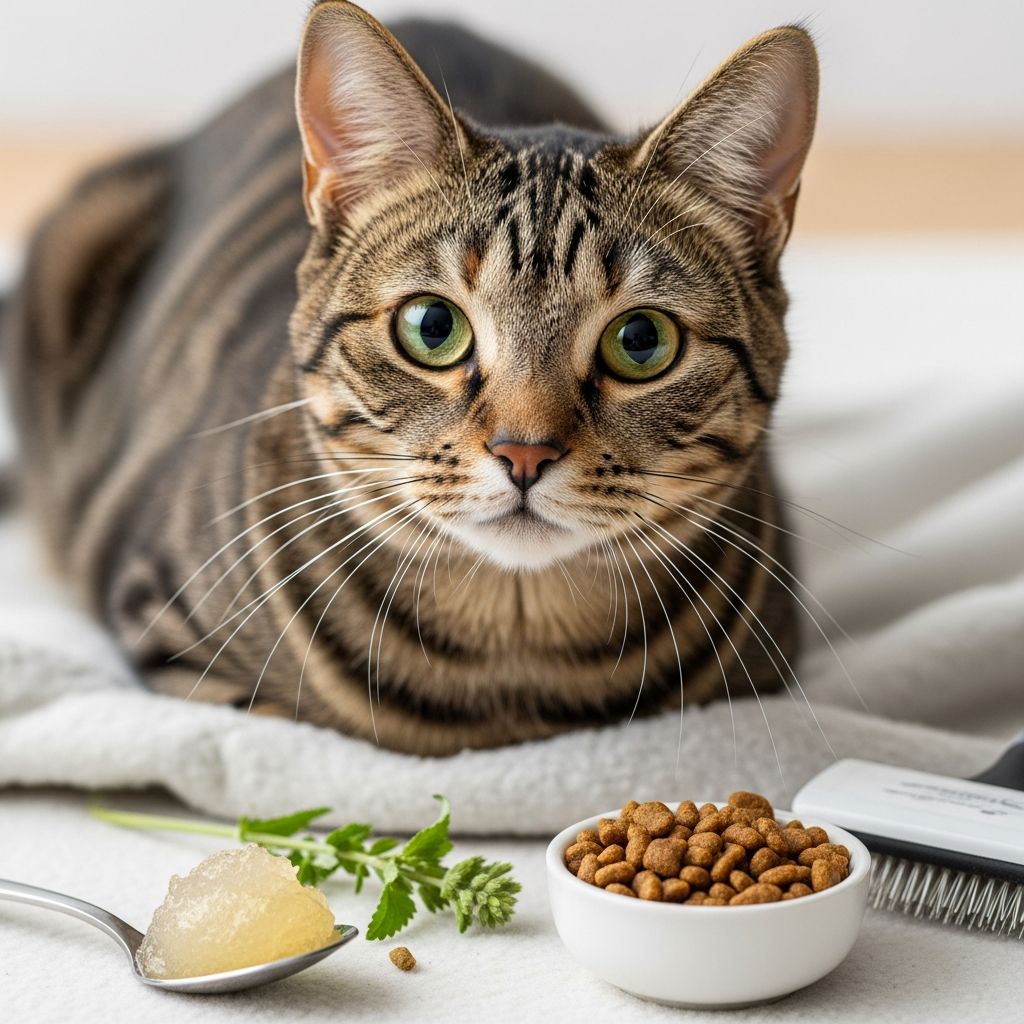
Hairballs are a common issue that many cat owners encounter. When cats groom themselves, they ingest loose hair that can accumulate in their digestive tract, potentially forming hairballs. While occasional hairballs are normal, frequent vomiting of hairballs can indicate an underlying issue or the need for preventative measures. Fortunately, numerous remedies and prevention strategies can help keep your feline companion comfortable and healthy.
Over-the-Counter Hairball Remedies
Several effective over-the-counter products are designed specifically to manage hairballs in cats. These remedies work by lubricating the digestive tract or providing fiber to help hair pass through naturally.
Hairball-Control Gels and Lubricants
Hairball-control gels, such as Laxatone, act as lubricants that ease the passage of fur through the gastrointestinal tract. These products are typically flavored to make them more palatable for cats. Many come in different flavors like chicken or fish, which cats find appealing. You can apply these gels directly to your cat’s paw, allowing them to lick it off, or mix it into their food. Using these products two to three times per week can be an effective part of your hairball prevention routine.
Hairball Treats
If administering medication to your cat seems challenging, hairball treats offer a convenient alternative. Treats like PetHonesty Dual Texture Hairball Support Chews are high in fiber and appeal to even finicky eaters. These treats combine taste with therapeutic benefit, making hairball management enjoyable for both you and your cat. They can be given as regular snacks while simultaneously supporting digestive health.
Natural and Herbal Supplements
Vet-approved natural remedies provide another option for hairball management. High-fiber nutritional supplements naturally sweep hair through the digestive system. Some products, including Vet’s Best Chewable Tablets Hairball Control Supplement for Cats, contain herbal remedies that support a healthy digestive tract. These natural alternatives appeal to cat owners seeking gentler solutions than synthetic products.
Hairball Control Dietary Options
One of the most effective ways to manage hairballs is through dietary adjustments. Specialized hairball control foods are formulated with increased fiber and other nutrients designed to reduce hairball formation and occurrence.
High-Fiber Hairball Control Foods
Perhaps the easiest method for managing hairballs at home is switching your cat to a high-fiber hairball control food. These formulations contain insoluble fiber that improves digestive function, helping move hair through your cat’s digestive system more efficiently. Wet foods like Purina Pro Plan Hairball Control or Hill’s Science Diet Adult Hairball Control are among the healthiest options available. Wet food provides additional hydration benefits while supporting digestive health.
Hill’s Science Diet Hairball Control Cat Food includes natural vegetable fibers designed to move hair through your cat’s system, reducing hairball formation. This brand offers formulations for adult cats, senior cats (7+), and other targeted needs, delivering complete and balanced nutrition with essential nutrients supporting healthy skin and a shiny coat.
While dry hairball control foods are available as alternatives, wet foods generally provide superior hydration and digestive support. When switching your cat to a new food, introduce it gradually over 7-10 days to avoid digestive upset.
Digestive Support and Supplements
Beyond food and treats, various supplements can support your cat’s digestive health and reduce hairball formation.
Digestive Enzyme Supplements
Digestive enzyme supplements containing protease can potentially reduce hairballs by aiding in the breakdown of ingested hair. Protease is an enzyme that breaks down peptides and proteins. When added to your cat’s diet, these enzymes help break down hair, reducing hairball formation. However, consult your veterinarian before using digestive enzyme supplements to ensure they are safe and appropriate for your cat’s specific health needs.
Fiber Supplements
Adding fiber to your cat’s diet through treats and nutritional supplements supports hairball prevention. Just like humans, cats need fiber to maintain a healthy digestive tract, though their nutritional needs differ from humans and other omnivores. Some effective fiber sources include pumpkin, pumpkin powder, cat grass, and Metamucil (fiber pill or powder). However, avoid adding excessive fiber to your cat’s diet, as this may prevent proper nutrient absorption or cause digestive discomfort. If you’re already feeding hairball formula food, consult your veterinarian before adding additional fiber supplements.
Prevention Through Regular Grooming
Regular grooming is one of the most effective hairball prevention methods, particularly for long-haired cats and seasonal shedders.
Daily Brushing and Combing
Brushing your cat more often reduces the hair they ingest during self-grooming. Frequent brushing removes loose hair, dander, and dirt that would otherwise be swallowed and potentially cause hairballs. Daily brushing is especially important for cats with medium-length or long fur. For cats resistant to brushing, consider professional grooming services every 6 months, particularly for long-haired breeds.
After brushing, wipe your cat with a fragrance-free, hypoallergenic baby wipe or damp paper towel to remove any remaining loose fur, further reducing hairball risk.
Hydration and Water Intake
Proper hydration is essential for maintaining optimal digestive health and preventing hairballs.
Ensuring Adequate Water Consumption
Ensure your cat has access to clean water at all times. Proper hydration helps keep the digestive system functioning smoothly and may aid in the passage of hairballs. If your cat eats dry food, their diet likely isn’t providing enough water to meet their hydration needs, requiring additional water intake.
Many felines prefer running water to still water and may dislike the smell or taste of tap water. Consider investing in a cat water fountain to encourage increased water consumption. Alternatively, incorporating canned food into your cat’s diet can provide supplemental hydration to support digestive function and reduce hairball risk.
Addressing Excessive Grooming
Sometimes hairball issues stem from excessive grooming behavior rather than normal self-maintenance.
Identifying Problem Grooming
Excessive grooming can result from pain, anxiety, or other underlying causes. If your cat is overgrooming, consult your veterinarian to identify potential medical or behavioral issues. Your vet may recommend behavioral modifications, environmental enrichment, or medical treatment depending on the underlying cause.
Digestive Tract Lubrication
Lubricating the digestive tract can help hair pass through naturally without forming obstructions.
Oil and Fat Supplementation
Including oil in your cat’s diet helps lubricate the digestive tract, making it easier for hair to pass through naturally. You can provide small amounts of canned tuna or sardines occasionally to supplement their diet with beneficial oils. Alternatively, place a small amount of petroleum jelly on your cat’s paw; they’ll lick it off naturally, and the jelly will line the digestive tract to help hair pass through their system. Petroleum-based remedies are also commercially available and can be periodically fed to your cat as recommended.
Identifying Underlying Health Issues
While occasional hairballs are normal, frequent hairball formation can indicate underlying health conditions requiring veterinary attention.
When to Consult Your Veterinarian
Depending on the cause of frequent hairballs, remedies may work by helping manage seasonal or increased shedding, relieving overgrooming, or restoring gastrointestinal health. Underlying health problems including gastrointestinal disease, metabolic diseases, hormonal diseases (such as hyperthyroidism, diabetes, or kidney disease) may contribute to hairball formation. Schedule routine vet visits to monitor your cat’s overall health and discuss any persistent hairball issues. Your veterinarian can recommend appropriate remedies based on your cat’s specific situation and health history.
Preventive Care Summary
Effective hairball prevention combines multiple strategies for optimal results:
– Brush your cat more often to reduce ingested hair, especially important for long-haired cats- Give your cat hairball-control gel two or three times per week- Add fiber to your cat’s diet through treats and supplements or switch to hairball control food- Ensure continuous access to fresh, clean water- Use regular brushing combined with baby wipes to remove additional loose fur- Incorporate wet food into your cat’s diet for enhanced hydration- Monitor for excessive grooming behaviors and consult your veterinarian if needed
Frequently Asked Questions
Q: How often should I brush my cat to prevent hairballs?
A: Brush your cat daily, or at least several times per week. Long-haired cats and seasonal shedders benefit most from daily brushing to remove loose hair before it’s ingested during grooming.
Q: Are hairball remedies safe for all cats?
A: Most over-the-counter hairball remedies are safe for healthy cats, but cats with specific health conditions may need veterinary guidance. Always consult your veterinarian before introducing new supplements or remedies, especially if your cat has existing health issues.
Q: Can I use human fiber supplements for my cat?
A: No, cats have different nutritional needs than humans. While cat-specific fiber supplements like Metamucil designed for cats are acceptable in appropriate amounts, human supplements may not be suitable. Always use products specifically formulated for felines and follow veterinary dosing recommendations.
Q: How long does it take to see results from hairball remedies?
A: Results vary depending on the remedy used and your cat’s individual situation. Dietary changes may take 2-4 weeks to show noticeable improvement, while lubricating gels may work more immediately. Consult your veterinarian if you don’t observe improvement within a reasonable timeframe.
Q: What’s the difference between wet and dry hairball control food?
A: Wet hairball control foods provide additional hydration benefits that support digestive function, making them generally superior for hairball prevention. Dry foods are convenient but may require supplemental water intake. Many veterinarians recommend combining both types or prioritizing wet food for cats prone to hairballs.
Q: Can I prevent hairballs without changing my cat’s diet?
A: While dietary changes are highly effective, you can implement other prevention strategies like regular brushing, ensuring adequate water intake, using hairball remedy products, and addressing excessive grooming behaviors. However, combining dietary adjustments with these methods typically yields the best results.
Q: What should I do if my cat vomits frequently despite using hairball remedies?
A: Frequent vomiting may indicate an underlying health issue beyond simple hairball formation. Contact your veterinarian to rule out medical conditions such as gastrointestinal disease, allergies, hyperthyroidism, or other metabolic concerns requiring professional evaluation and treatment.
References
- Cat Hairballs 101: How to Help — PetMD. 2024. https://www.petmd.com/cat/general-health/cat-hairballs-101-how-help
- 7 Cat Hairball Remedies & Cat Food: Which Ones Work? — Sploot Vets. 2024. https://www.splootvets.com/post/cat-hairball-remedies
- Minimizing Hairballs in Cats — ASPCA Pet Health Insurance. 2024. https://www.aspcapetinsurance.com/resources/minimizing-hairballs-in-cats/
- Hairballs in Cats: Causes, Symptoms, & Remedies — WebMD Pets. 2024. https://www.webmd.com/pets/cats/what-to-do-about-hairballs-in-cats
Similar Articles







Read full bio of Sneha Tete