

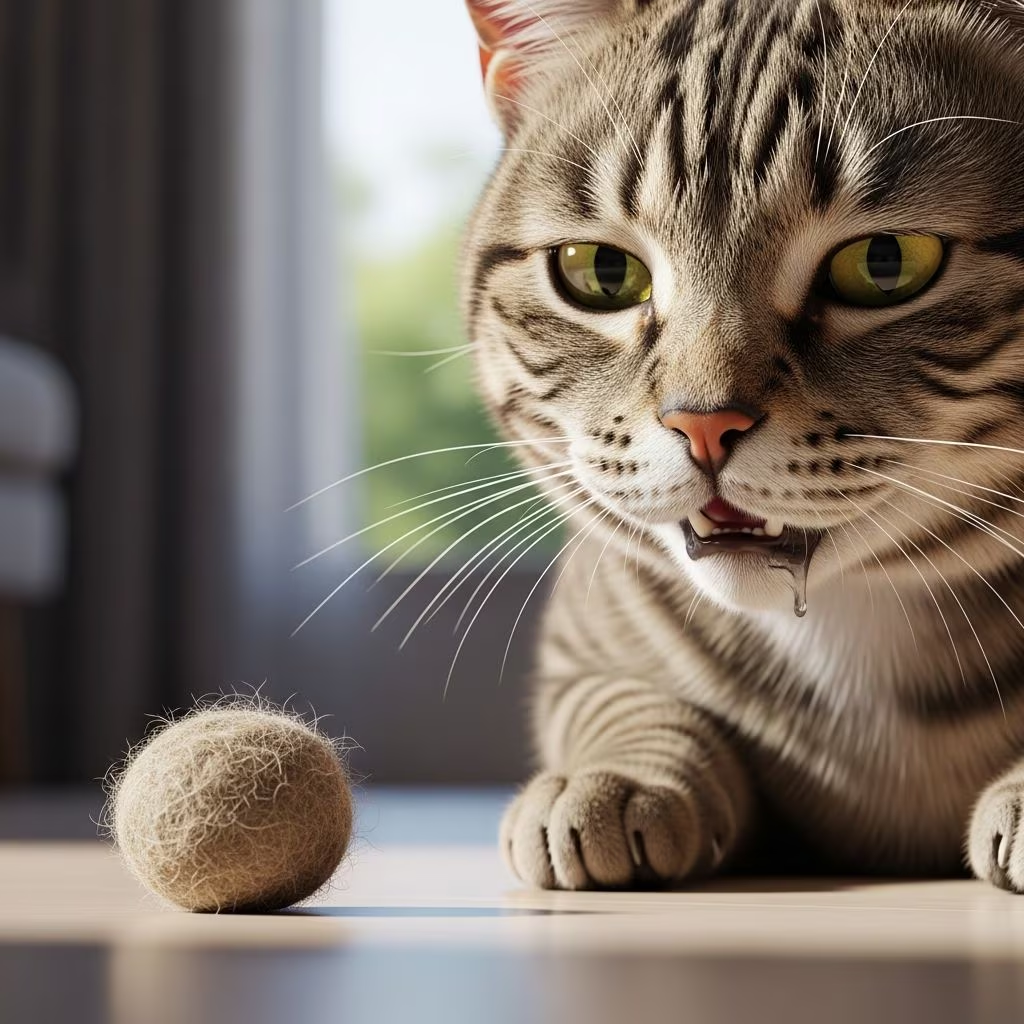
Hairball control cat food is marketed as a solution to help cats pass ingested fur more easily, but it often contains high fiber levels that can lead to unintended health issues like dehydration, urinary problems, and digestive disturbances.
What Are Hairballs in Cats?
Hairballs form when cats ingest fur during grooming, and the indigestible keratin in hair accumulates in the stomach, mixing with mucus to create clumps that are vomited up. This natural process is more common in long-haired breeds or cats that overgroom, but frequent occurrences signal underlying issues.
Normally, most swallowed hair passes through the digestive tract without problems, but residue builds up due to keratin’s insolubility, leading to tubular-shaped vomits pushed through the esophagus. While occasional hairballs are harmless, complications arise if they cause blockages.
Do Cats Need Special Hairball Food?
Hairball formulas from brands like Purina, Hill’s Science Diet, Iams, and Royal Canin incorporate extra fiber, omega fatty acids, and lubricants to lubricate the digestive tract and promote hair passage. These are intended as short-term remedies, not lifelong diets, as veterinarians recommend switching back to regular food once hairballs resolve.
However, cats’ fiber needs differ significantly from humans; excessive amounts can hinder nutrient absorption and irritate the gastrointestinal tract. High-fiber diets may draw fluids into the intestines, exacerbating dehydration risks in obligate carnivores.
Side Effects of Hairball-Control Cat Food
While designed to help, hairball cat food can cause several adverse effects, particularly from elevated fiber and reduced fat content.
- Dehydration and Urinary Issues: Fiber absorbs water, pulling it from the body and leading to cystitis, urinary inflammation, bladder stones, and concentrated urine.
- Digestive Disturbances: Indigestion, constipation, diarrhea, bloating, and inflammatory bowel disease from high carbohydrates and grains.
- Nutrient Imbalances: Rapid transit reduces absorption of vitamins and minerals, despite fortifications; low fat contributes to weight loss or poor coat health.
- Chronic Diseases: Long-term use links to diabetes, hypertension, pancreatic issues, liver failure, heart disease, and incontinence.
- Allergic Reactions: Ingredients like vegetable proteins trigger itching, skin redness, excessive shedding, vomiting, and appetite loss.
Monitoring is crucial: if constipation, diarrhea, or urinary changes occur, reduce intake or switch brands. Persistent issues warrant veterinary consultation to rule out cystitis or blockages.
How Does Hairball Food Work?
These formulas increase stool bulk with fiber to push hair through, while oils lubricate passages. However, over-reliance can worsen problems, as seen in cases where cats develop daily hairballs despite treatment.
| Component | Intended Benefit | Potential Risk |
|---|---|---|
| High Fiber | Promotes hair passage | Dehydration, constipation |
| Omega Fatty Acids | Lubricates gut | Minimal, but excess calories |
| Added Vitamins | Compensates for quick transit | Imbalanced if not absorbed |
Risks of Too Much Fiber in Cat Diets
Cats are obligate carnivores requiring high-protein, low-carb diets; excess fiber disrupts this balance. It irritates the GI tract, causes fluid shifts leading to dehydration, and heightens urinary disease risk. WebMD notes too much fiber blocks nutrient uptake, advising vet guidance on supplements like pumpkin.
Veterinarians from Vetinfo warn of long-term cystitis from concentrated urine. In one case, a 17-year-old cat on hairball relief still vomited daily, highlighting limitations.
Alternatives to Hairball Cat Food
Safer options prioritize hydration, species-appropriate nutrition, and grooming over fiber-heavy kibble.
- Wet Food: High moisture (78-82%) prevents dehydration, provides animal proteins, folic acid for gut health, and mimics natural prey. Benefits include better weight management, kidney health, and palatability.
- Grooming: Regular brushing removes loose fur, reducing ingestion by up to 50%.
- Hairball Gels/Lubricants: Malt-based products coat hair for safe passage; no known side effects short-term, but monitor for sensitivities.
- Fiber Supplements: Use sparingly—pumpkin, carrots, or cat grass in moderation.
- Hypoallergenic Diets: Single-protein sources avoid allergens causing overgrooming.
Combining wet and dry for variety prevents boredom while optimizing health.
Best Wet Cat Food for Hairballs
Opt for grain-free, high-meat wet foods with 50%+ animal protein, low carbs (<5%), and natural preservatives. Examples include those rich in chicken, fish, or beef, ensuring taurine and omega-3s for coat health. Transition gradually over 7-10 days to avoid tummy upset.
When to See a Vet for Hairballs
Seek immediate care for:
- Unproductive retching, repeated vomiting without hair.
- Lethargy, appetite loss, fever, constipation, or bloated abdomen signaling blockages.
- Urinary issues: frequent small urinations, blood, or litter avoidance.
Blockages can be fatal, requiring surgery in rare esophageal lodgings. Annual check-ups catch allergies or skin issues prompting overgrooming.
How to Prevent Hairballs Naturally
- Daily Brushing: Use tools suited to coat length.
- Hydration Boost: Fountains, wet food multiple times daily.
- Balanced Diet: 70-80% wet, high-quality dry sparingly.
- Play & Enrichment: Reduces stress-grooming.
- Monitor Allergens: Avoid pollen, fleas, perfumes triggering licks.
Frequently Asked Questions (FAQs)
What are the side effects of hairball cat food?
Common issues include dehydration, cystitis, constipation, diarrhea, and nutrient malabsorption from high fiber.
Is hairball control food safe for long-term use?
No, it’s a short-term remedy; prolonged use risks chronic health problems. Switch to regular food post-resolution.
Can wet food prevent hairballs?
Yes, its high moisture and proteins aid digestion and hydration, reducing hairball formation effectively.
How much fiber is too much for cats?
Vets recommend consulting for specifics; excess over human-like doses harms carnivore digestion.
What if my cat still has hairballs on special food?
Check for allergies, blockages, or grooming issues; vet evaluation is essential.
References
- Hairballs in Cats: Is anti-hairball cat food helpful? — Untamed. 2023. https://untamed.com/blogs/nutrition/hairball-cat-food
- Hairballs in Cats: Causes, Symptoms, & Remedies — WebMD. 2024-01-15. https://www.webmd.com/pets/cats/what-to-do-about-hairballs-in-cats
- The Pros and Cons of Feeding Hairball Control Cat Food — Miss Molly Says. 2023. https://missmollysays.com/the-pros-and-cons-of-feeding-hairball-control-cat-food/
- Digestive Lubricants and Hairball Gels — VCA Animal Hospitals. 2024. https://vcahospitals.com/know-your-pet/digestive-lubricants-and-hairball-gels
- The Danger of Hairballs — Cornell University College of Veterinary Medicine. 2023-05-01. https://www.vet.cornell.edu/departments-centers-and-institutes/cornell-feline-health-center/health-information/feline-health-topics/danger-hairballs



