

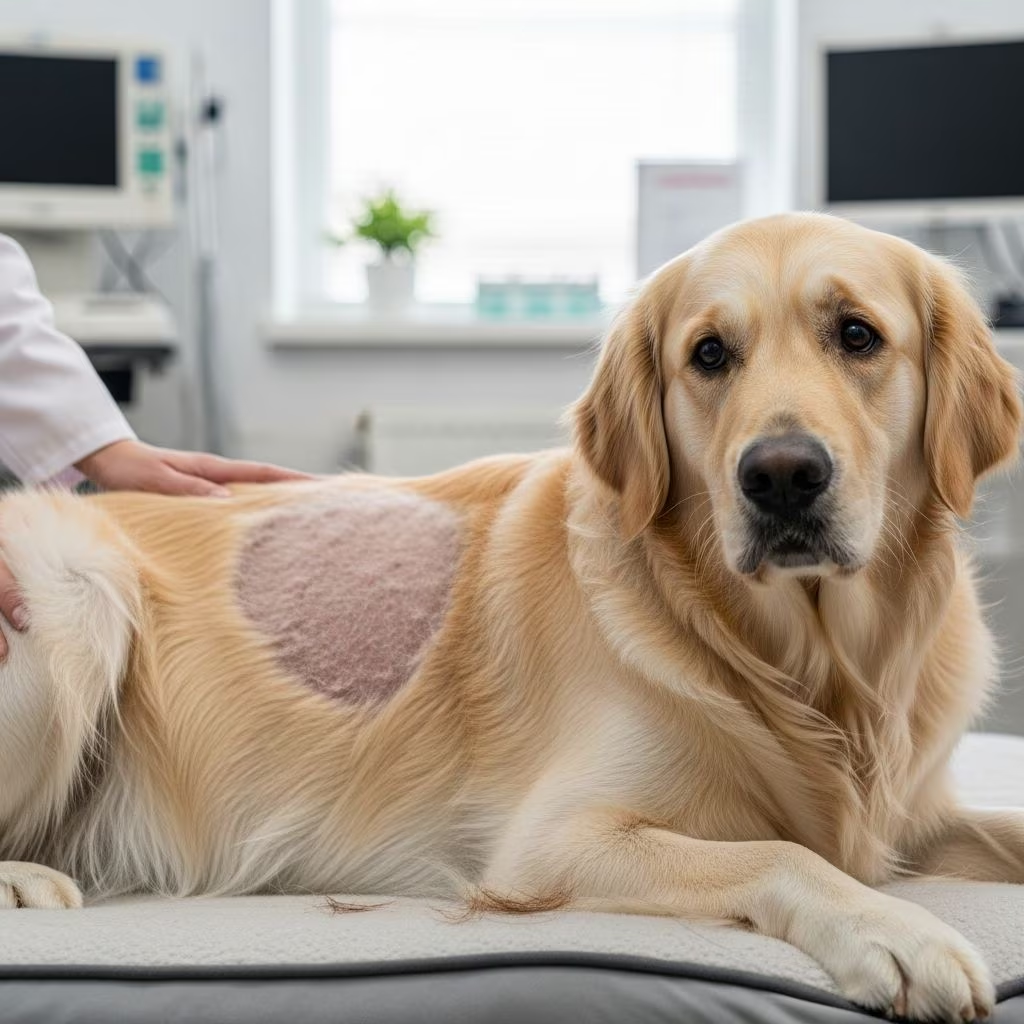
Discovering that your pregnant dog is losing hair can be concerning for any pet owner. However, this phenomenon is remarkably common during canine pregnancy and often resolves naturally after delivery. Understanding the underlying causes and knowing how to support your dog during this critical period can help ease your worries and ensure the health of both the mother and her developing puppies.
Understanding Hair Loss During Canine Pregnancy
Hair loss in pregnant dogs, medically known as alopecia, represents a natural physiological response to the significant demands pregnancy places on a dog’s body. When a dog becomes pregnant, her body undergoes dramatic hormonal and metabolic changes to support fetal development. These changes can directly affect the hair growth cycle, leading to temporary shedding that typically resolves after birth.
Research indicates that temporary hair loss is a recognized occurrence during pregnancy and lactation in dogs. The condition is typically noninflammatory unless a secondary skin infection develops, distinguishing pregnancy-related hair loss from other dermatological conditions that may require more aggressive treatment.
Primary Causes of Coat Changes in Expectant Dogs
Hormonal Fluctuations and Hair Cycle Disruption
One of the most significant factors contributing to hair loss during pregnancy is hormonal imbalance. During pregnancy, a dog’s body experiences substantial shifts in hormone production, particularly progesterone and estrogen. These hormonal changes can disrupt the normal hair growth cycle, pushing follicles into a resting phase known as telogen effluvium. In this phase, hairs cease active growth and eventually shed, with new growth temporarily stalled until hormonal levels stabilize after pregnancy concludes.
Nutritional Deficiencies and Caloric Demands
Pregnancy dramatically increases a dog’s nutritional requirements. Pregnant dogs may need up to 50% more calories than they normally consume to support fetal development and their own increased metabolic demands. When caloric intake is insufficient, the body prioritizes vital organ function and fetal development, potentially sacrificing secondary processes like hair growth and skin health.
Beyond calories, specific nutrients play crucial roles in maintaining coat quality. Protein deficiencies can directly inhibit or slow hair follicle growth. Additionally, calcium becomes critically important during pregnancy and nursing, as insufficient levels can lead not only to hair loss and skin issues but also to serious complications such as seizures and muscle tremors, a condition commonly called milk fever.
Physical and Emotional Stress
Pregnancy represents a profoundly stressful period for a dog’s body. This stress triggers physiological responses that can negatively impact coat health. Stress-induced hair loss occurs when stress hormones send hair follicles into the telogen (resting) phase, where hairs fall out and are not readily replaced. Supporting your pregnant dog with a calm environment, consistent routine, and appropriate exercise can help minimize stress-related shedding.
Distinguishing Pregnancy-Related Hair Loss from Other Conditions
While hair loss during pregnancy is typically benign, pet owners should be aware that other conditions unrelated to pregnancy can also cause alopecia in dogs. Distinguishing between pregnancy-related hair loss and other problematic causes is essential for appropriate care:
- Parasitic infections: Fleas, mites, and other external parasites cause hair loss through inflammation and immune responses. These conditions typically involve significant itching and visible skin irritation.
- Fungal infections: Conditions like ringworm produce localized hair loss with distinctive patterns and often accompany scaling or odor.
- Bacterial infections: These can develop secondarily in areas of hair loss and produce purulent discharge or crusting.
- Endocrine disorders: Hypothyroidism and Cushing’s disease cause diffuse hair loss accompanied by other systemic symptoms.
- Allergic reactions: Food allergies or environmental sensitivities produce itching, inflammation, and hair loss along with other dermatological signs.
- Demodicosis: This mite-related condition produces characteristic hair loss patterns and requires specific treatment.
Pregnancy-related hair loss typically presents without significant itching, redness, discharge, or odor, distinguishing it from these other conditions. However, consultation with a veterinarian remains essential for accurate diagnosis.
Optimizing Nutrition for Your Pregnant Dog
Meeting Increased Caloric Needs
Feeding a balanced, nutrient-dense diet is fundamental to supporting your dog during pregnancy. As pregnancy progresses, caloric requirements increase substantially. Without adequate calories, your dog’s body will redirect resources from less critical functions toward fetal development, resulting in compromised coat and skin health.
Work with your veterinarian to establish an appropriate feeding schedule and portion sizes. Premium quality dog foods formulated for pregnancy or growth stages often provide better nutritional profiles than standard maintenance diets. Some owners transition their pregnant dogs to puppy formulas, which contain higher protein and fat content to support the increased demands.
Ensuring Adequate Protein and Essential Nutrients
Protein serves as the building block for hair, skin, and developing tissues. Insufficient protein intake directly inhibits hair follicle growth and can compromise overall health. Additionally, omega-3 and omega-6 fatty acids are crucial for maintaining skin barrier integrity and supporting coat quality.
Fish oil supplements can be beneficial and safe for most pregnant dogs. These supplements work to improve the skin barrier and decrease itchiness, though you should always consult your veterinarian before introducing any new supplements during pregnancy.
Calcium and Phosphorus Balance
Calcium requirements increase significantly during pregnancy to support fetal skeletal development and prepare for lactation. Maintaining proper calcium-phosphorus balance is critical; deficiencies can result in serious complications beyond coat problems, including milk fever, which presents with seizures and muscle tremors.
Managing Symptoms and Supporting Skin Health
When to Avoid Traditional Treatments
Pet owners should exercise caution with certain medications and treatments during pregnancy. Traditional allergy medications should not be used during pregnancy in dogs showing allergy signs such as itching, as many contain ingredients that may affect fetal development. Environmental management strategies, such as regular grooming and bathing with gentle shampoos, can help manage itching without pharmaceutical intervention.
Gentle Grooming Practices
Regular brushing helps remove loose hair, distribute natural skin oils, and identify any developing skin issues early. Gentle grooming with appropriate tools minimizes additional hair loss from rough handling and can be a bonding experience for you and your pregnant dog. Avoid harsh treatments or frequent bathing, which can further dry the skin and increase shedding.
Environmental Management
Providing a clean, comfortable environment reduces stress and minimizes exposure to parasites or infectious organisms. Regular cleaning of bedding and living spaces, combined with excellent hygiene practices, supports overall skin health during this vulnerable period.
Recognizing When Professional Help Is Needed
While many dogs experience normal, temporary hair loss during pregnancy, certain signs warrant immediate veterinary consultation. Contact your veterinarian if your pregnant dog develops:
- An unpleasant odor emanating from her coat or skin
- An oily or greasy coat texture
- Visible lesions, pustules, or open sores
- Severe or localized hair loss in abnormal patterns
- Signs of secondary skin infection
- Excessive scratching or skin irritation
- Any behavioral changes or signs of illness
These symptoms may indicate secondary bacterial or fungal infections, allergic reactions, or other conditions requiring targeted treatment.
Pre-Breeding Health Screening
The best time to address potential hair loss issues is before breeding occurs. Working with a veterinarian prior to breeding helps ensure your dog is in optimal health to handle pregnancy’s demands. Dogs with pre-existing skin conditions, allergies, or endocrine disorders may be at higher risk for experiencing significant hair loss during pregnancy. Identifying and addressing these issues beforehand can improve outcomes for both mother and puppies.
Recovery Timeline and Hair Regrowth
One of the most reassuring aspects of pregnancy-related hair loss is its temporary nature. In most cases, dogs that lose hair during pregnancy will experience hair regrowth within a few months after giving birth. The hormonal and nutrient fluctuations that affected the hair cycle during pregnancy stabilize after delivery, allowing normal hair growth to resume.
The exact timeline for hair regrowth varies between individual dogs and depends on factors such as overall health, nutrition during and after pregnancy, nursing demands, and the extent of initial hair loss. Maintaining excellent nutrition during nursing can accelerate the recovery process and support continued coat health as your dog nurses her puppies.
Frequently Asked Questions
Can flea prevention products be safely used during pregnancy?
Most flea prevention products are not labeled for use in pregnant or nursing dogs. Before using any flea prevention treatment, consult your veterinarian. Your veterinarian can help you develop safe alternatives, such as environmental management strategies, to manage and prevent fleas in pregnant dogs without risking fetal health.
Is hair loss during pregnancy temporary?
Yes, in most cases, hair loss associated with pregnancy is temporary. The hormonal and nutrient fluctuations experienced during pregnancy affect the hair growth cycle, but these changes typically resolve after birth, allowing normal hair regrowth to resume within months.
What signs indicate a secondary skin infection?
Secondary skin infections may develop in areas of hair loss. Signs include an unpleasant odor, oily coat, pustules or lesions, and increased skin inflammation. If you notice any of these signs, contact your veterinarian promptly for evaluation and treatment.
How much should I increase my pregnant dog’s food intake?
Pregnant dogs may need up to 50% more calories than their normal maintenance requirements. Consult your veterinarian to determine the appropriate amount based on your dog’s individual needs, stage of pregnancy, and body condition.
Are supplements safe during pregnancy?
Fish oil supplements can be beneficial and safe for most pregnant dogs, but always consult your veterinarian before introducing any new supplement. Your vet can recommend appropriate supplements and dosages for your specific dog.
Moving Forward With Confidence
Hair loss in pregnant dogs is a common and typically temporary occurrence that reflects the significant physical demands of pregnancy. By understanding the underlying causes, ensuring optimal nutrition, and maintaining a supportive environment, you can help your dog navigate this special period successfully. After delivery, as hormones stabilize and nutritional demands shift, most dogs experience natural hair regrowth within several months.
Working closely with your veterinarian throughout pregnancy ensures that your dog receives appropriate care and that any complications are identified and addressed promptly. With proper support and attention, your pregnant dog can maintain good health during pregnancy and successfully transition to motherhood.
References
- My Pregnant Dog Is Losing Hair, What’s Wrong? Our Vet Explains — Dogster. 2024. https://www.dogster.com/ask-the-vet/pregnant-dog-losing-hair
- Hair Loss (Alopecia) in Dogs – Dog Owners — Merck Veterinary Manual. 2024. https://www.merckvetmanual.com/dog-owners/skin-disorders-of-dogs/hair-loss-alopecia-in-dogs
- Hair Loss in Dogs: Causes, Symptoms, and Treatment — PetMD. 2024. https://www.petmd.com/dog/conditions/skin/hair-loss-dogs-causes-symptoms-and-treatment
- Hair Loss Patches in Dogs – Causes & What To Do — VRCC. 2023. https://www.vrcc.com/site/blog/2023/01/15/hair-loss-dog



