

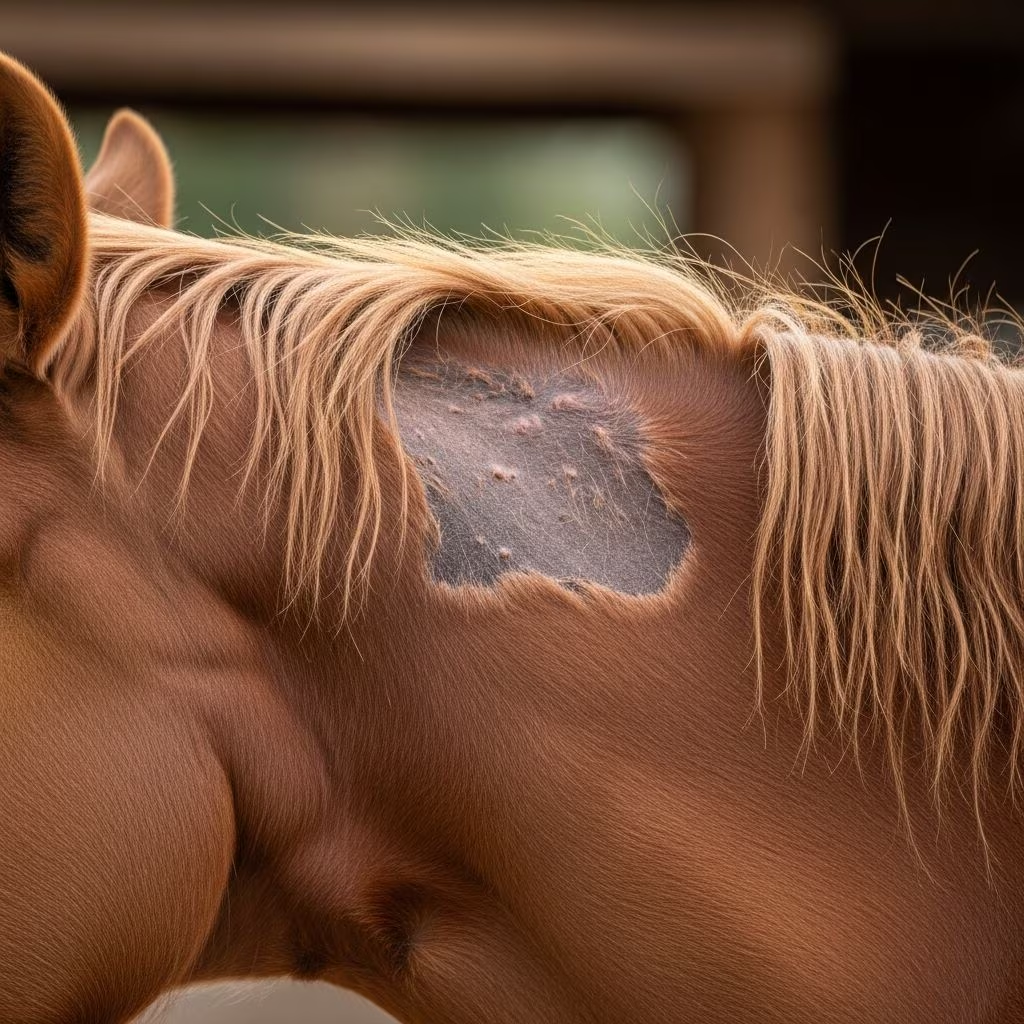
Hair loss, or alopecia, affects horses of all ages and breeds, manifesting as patchy bald spots, thinning coats, or widespread shedding beyond normal seasonal changes. This condition signals underlying health issues ranging from benign friction to serious infections or endocrine disorders. Prompt identification of the root cause is crucial for effective management and coat restoration.
Recognizing the Signs of Equine Alopecia
Owners often first notice irregular bald patches on the neck, back, flanks, or legs. These areas may appear scaly, crusty, or inflamed, accompanied by itching that leads to rubbing against fences or trees. In contrast, non-itchy hair loss might show smooth skin without irritation. Distinguishing these patterns helps narrow down potential triggers.
- Patchy alopecia: Circular or irregular bald spots, often from fungal or bacterial sources.
- Diffuse thinning: Overall coat sparsity due to nutrition or hormones.
- Linear loss: Straight-line baldness from tack friction or rubbing.
- Crusted patches: Raised, oozing sores typical of bacterial dermatoses.
Monitoring for associated symptoms like weight loss, lethargy, or lameness provides vital clues for veterinary assessment.
Primary Infectious Triggers
Infections top the list of alopecia causes, thriving in damp environments or crowded stables. Fungal invasions, notably dermatophytosis (ringworm), break down hair shafts, creating brittle, fractured hairs that fall out easily. Bacterial culprits like Dermatophilus congolensis in rain rot penetrate wet skin, forming thick scabs that lift hair mats.
Parasitic invasions, including mites, lice, or Onchocerca worms, burrow into follicles, provoking intense pruritus and self-trauma. Ticks and fleas exacerbate this by transmitting secondary pathogens.
| Infection Type | Common Sites | Key Features |
|---|---|---|
| Fungal (Ringworm) | Face, girth, hindquarters | Circular patches, gray scabs, contagious |
| Bacterial (Rain Rot) | Back, topline | Crusty ‘paintbrush’ lesions, humidity-linked |
| Parasitic (Mites/Lice) | Mane, tail, legs | Itching, dandruff-like debris |
Non-Infectious Contributors to Baldness
Beyond pathogens, mechanical and systemic factors play key roles. Friction from ill-fitting blankets, saddles, or trailers rubs away hair, especially over bony prominences. Nutritional shortfalls, particularly in protein, biotin, or trace minerals like zinc and selenium, weaken follicles, leading to poor growth.
Hormonal disruptions, such as hypothyroidism or elevated estrogens in broodmares, slow follicle cycling. Pituitary Pars Intermedia Dysfunction (PPID, or equine Cushing’s) in seniors causes hypertrichosis followed by abnormal shedding. Stress from illness, fever, or transport induces telogen effluvium, where follicles enter resting phase prematurely.
- Environmental: UV overexposure, chemical shampoos, or toxic plants.
- Seasonal: Spring shedding exaggerated by light cycle disruptions from artificial lighting.
- Autoimmune: Rare attacks on follicles, yielding smooth, symmetric loss.
Diagnostic Approaches for Accurate Identification
Veterinarians start with a thorough history and physical exam, noting lesion distribution and horse demographics. Skin scrapings reveal mites or bacteria, while fungal cultures confirm dermatophytes—essential since ringworm mimics other conditions.
Hair plucks under microscopy detect shaft abnormalities. Biopsies offer definitive insights for inflammatory vs. non-inflammatory alopecia. Bloodwork screens for hormonal imbalances, PPID via ACTH levels, or nutritional deficits. Ultraviolet Wood’s lamp highlights fluorescing fungi in some cases.
Differentiating idiopathic (unknown origin) from treatable forms prevents unnecessary interventions.
Treatment Strategies Tailored to the Cause
Therapy hinges on diagnosis. Infectious cases demand targeted antimicrobials: topical antifungals like lime sulfur dips for ringworm, or systemic griseofulvin in stubborn infections. Rain rot responds to antibacterial shampoos (chlorhexidine) and drying agents, with systemic penicillin for deep involvement.
Parasite control involves ivermectin or topical insecticides, repeated as needed. Nutritional alopecia improves with balanced feeds rich in omega-3s, biotin supplements, and mineral corrections—avoid selenium excess, which paradoxically causes mane/tail loss.
Hormonal therapies include pergolide for PPID and thyroid supplements like levothyroxine. Inflammatory pruritus benefits from corticosteroids or oclacitinib, while topicals like tacrolimus or minoxidil stimulate regrowth anecdotally. Supportive care—clean bedding, fly masks, and clippers for matted areas—accelerates recovery.
| Cause Category | Treatment Options | Expected Outcome |
|---|---|---|
| Infectious | Antifungals, antibiotics, dewormers | Rapid regrowth if follicles intact |
| Nutritional | Dietary supplements, balanced forage | Gradual improvement over months |
| Hormonal | Endocrine meds, pergolide | Stabilized coat with ongoing management |
| Mechanical | Equipment refit, protective padding | Quick resolution post-adjustment |
Many cases self-resolve with follicle health restoration, but scarred areas remain permanent.
Preventive Measures for a Luscious Coat
Proactive husbandry minimizes risks. Maintain dry, well-ventilated stabling to deter bacteria and fungi. Regular grooming removes debris without over-brushing, and fitted tack prevents rubs. Quarantine new arrivals to curb contagion.
Balanced nutrition via hay analysis and vitamin E/selenium guarding against deficiencies. Seasonal light management—natural day lengths or melatonin—curbs abnormal shedding. Insect control with repellents reduces bite-induced allergies. Annual vet checks for PPID in veterans catch issues early.
- Weekly baths with mild antiseptics in humid climates.
- Blanket checks for fit and hygiene.
- Forage-first diets minimizing grain excesses.
Special Considerations for Breeding and Senior Horses
Broodmares experience transient alopecia from lactation demands or estrogen surges; supportive feeding aids rebound. Foals with congenital hypotrichosis (sparse birth coat) may need monitoring for immune links. Seniors prone to PPID benefit from baseline hormone panels at age 15.
Frequently Asked Questions (FAQs)
Is horse hair loss always a sign of illness?
No, friction or seasonal shedding often explains it, but persistent patches warrant vet evaluation.
How long does regrowth take after treatment?
2-6 months typically, depending on cause and follicle viability.
Can ringworm spread to humans?
Yes, practice hygiene and isolate affected horses.
What home remedies help mild alopecia?
Avoid unproven topicals; focus on clean, dry conditions and nutrition. Consult vets before supplements.
Does clipping bald areas promote growth?
It aids treatment access but doesn’t stimulate follicles directly.
References
- Hair Loss (Alopecia) in Horses – Causes, Treatment and … — Vetster. 2023. https://vetster.com/en/symptoms/horse/hair-loss-alopecia
- Hair Loss (Alopecia) in Horses – Signs, Causes & Treatment — Mad Barn. 2024. https://madbarn.com/hair-loss-in-horses/
- Hair Loss (Alopecia) in Horses — Merck Veterinary Manual. 2025-02-01. https://www.merckvetmanual.com/horse-owners/skin-disorders-of-horses/hair-loss-alopecia-in-horses
- Hair Loss (Alopecia) in Horses — MSD Veterinary Manual. 2025-02-01. https://www.msdvetmanual.com/horse-owners/skin-disorders-of-horses/hair-loss-alopecia-in-horses
- Hair Loss on a Horse’s Face or Body (Alopecia) — SmartPak Equine. 2024. https://www.smartpakequine.com/learn-health/hair-loss-in-horses-alopecia
- Bad Hair Days: Seasonal Alopecia in Horses — Kentucky Equine Research. 2023. https://ker.com/equinews/bad-hair-days-seasonal-alopecia-horses/



