

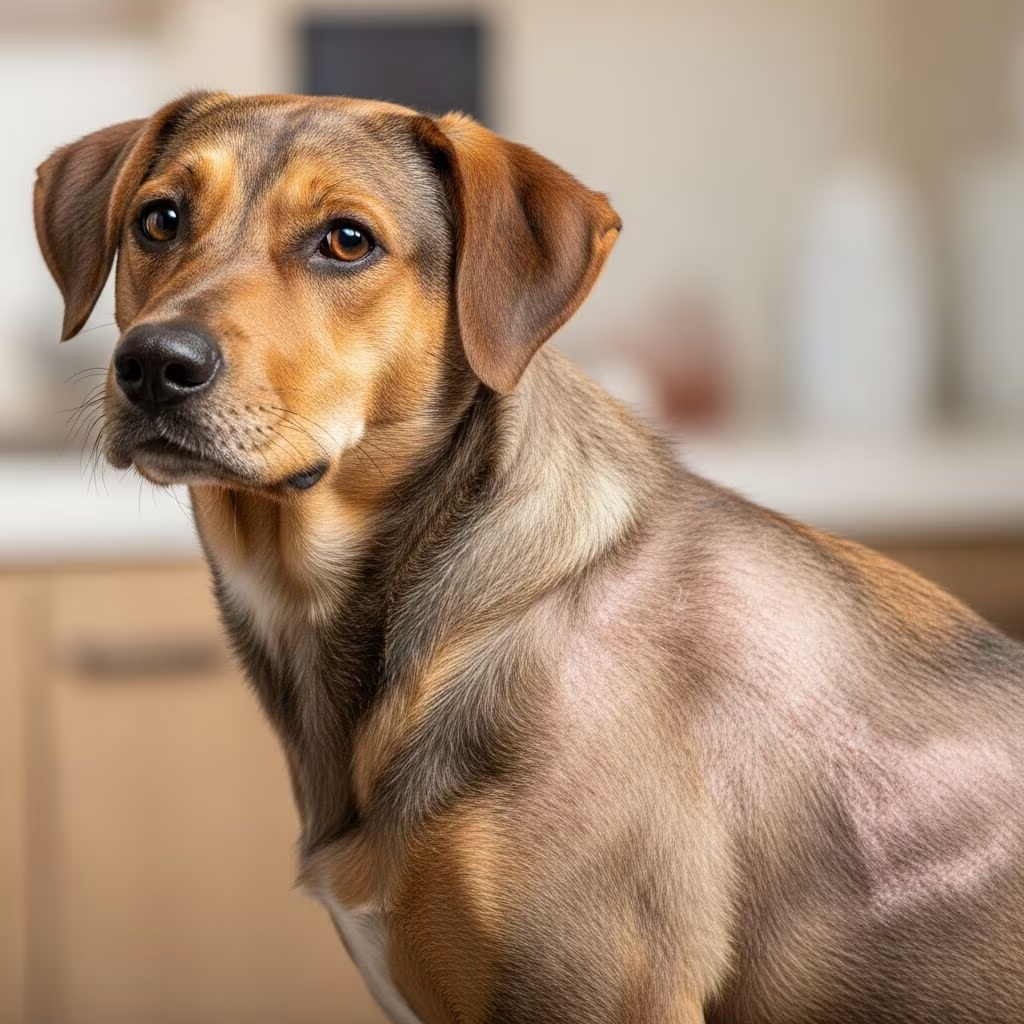
Hair loss, known medically as alopecia, affects many dogs and can range from small bald patches to widespread thinning of the coat. This condition often signals an underlying health issue that requires prompt attention to prevent discomfort or complications. Understanding the triggers and remedies empowers pet owners to support their dog’s skin and fur health effectively.
Recognizing the Signs of Alopecia
Dogs with alopecia may show patchy bald spots, symmetrical hair thinning on the flanks or belly, or generalized shedding beyond normal seasonal changes. Accompanying symptoms frequently include intense itching, red or inflamed skin, scaly patches, foul odors, or even oozing sores from secondary infections. Some cases present without itchiness, pointing to non-inflammatory origins like genetic factors. Observing the pattern—whether focal around the ears and paws or diffuse across the body—helps narrow down potential causes.
- Patchy alopecia: Often linked to parasites or infections.
- Symmetrical loss: Common in hormonal disorders.
- Thinning without bald spots: May indicate nutritional or stress-related issues.
Primary Causes of Hair Loss
Alopecia stems from diverse factors, broadly categorized into infectious, allergic, endocrine, genetic, and behavioral origins. Identifying the root cause through veterinary evaluation is crucial for targeted intervention.
Parasitic Infestations
External parasites top the list of alopecia culprits. Fleas trigger flea allergy dermatitis (FAD), causing severe itching and hair loss at the base of the tail or along the back. Mites responsible for demodectic or sarcoptic mange lead to crusty, bald areas, especially on the face, legs, and trunk. Lice and ticks exacerbate irritation, prompting excessive scratching that worsens hair fallout.
Allergic Reactions
Allergies provoke intense pruritus, leading dogs to chew and lick affected areas until hair vanishes. Environmental allergens like pollen or dust mites, food sensitivities, and contact irritants cause red, inflamed skin with secondary baldness. FAD remains particularly notorious for its disproportionate impact from minimal flea exposure.
Hormonal Imbalances
Endocrine disorders disrupt the hair growth cycle. Hypothyroidism slows metabolism, resulting in dry, brittle fur and symmetrical alopecia on the sides. Cushing’s disease (hyperadrenocorticism) produces pot-bellied dogs with thin skin and hair loss over the trunk. Sex hormone imbalances, especially in unspayed females during heat cycles, contribute to flank alopecia.
Infections and Inflammation
Bacterial pyoderma, or hot spots, creates moist, painful bald patches. Fungal infections like ringworm form circular, scaly lesions that spread via spores. These infections often follow initial damage from allergies or parasites, creating a vicious cycle.
Genetic and Congenital Factors
Certain breeds inherit alopecia predispositions. Dachshunds and Greyhounds suffer follicular dysplasia, with bald thighs or underbelly. Hairless breeds like Chinese Crested exhibit congenital alopecia from birth. Alopecia X, or hair cycle arrest, affects plush-coated breeds like Pomeranians, causing non-itchy hair loss without inflammation.
Behavioral and Environmental Triggers
Stress-induced overgrooming, known as psychogenic alopecia, stems from anxiety, boredom, or pain. Dogs lick compulsively, staining skin yellow and creating bald spots. Poor nutrition, friction from collars, or chemical exposures also impede regrowth.
Breeds Prone to Alopecia
Genetics play a significant role in susceptibility. Table below highlights high-risk breeds and common alopecia types:
| Breed | Common Alopecia Type | Key Features |
|---|---|---|
| Pomeranian, Alaskan Malamute | Alopecia X | Symmetrical flank/thigh baldness, no itch |
| Dachshund, Chihuahua | Pattern Baldness | Bald belly/chest, genetic |
| Golden Retriever, Labrador | Allergic/Endocrine | Itchy patches, hormonal links |
| Boxer, Bulldog | Demodex Mange | Facial/leg baldness, young dogs |
Diagnostic Approaches
Veterinarians employ a step-by-step process to pinpoint alopecia causes. History-taking covers diet changes, flea exposure, and breed risks. Physical exams check for parasites via skin scrapings or tape tests. Blood panels screen for thyroid or adrenal issues. Biopsies confirm autoimmune or neoplastic conditions. Dermoscopy, a non-invasive magnification tool, reveals follicle details in cases like alopecia areata.
- Skin scrapings for mites.
- Cytology for bacteria/fungi.
- Hormone assays (T4, ACTH stimulation).
- Intravenous pyelogram or ultrasound for tumors.
Treatment Strategies
Therapy targets the underlying issue while supporting skin healing. Success hinges on accurate diagnosis.
Parasite Control
Topical or oral antiparasitics like selamectin or isoxazolines eradicate fleas and mites. Bathing with medicated shampoos removes debris.
Allergy Management
Hypoallergenic diets trial for 8-12 weeks identifies food triggers. Antihistamines, apoquel, or cytopoint injections curb itching. Immunotherapy desensitizes to environmental allergens long-term.
Hormonal Corrections
Levothyroxine normalizes hypothyroidism. Trilostane or mitotane manages Cushing’s. Spaying prevents sex hormone flares.
Infection Clearance
Antibiotics (cephalexin) and antifungals (fluconazole) resolve pyoderma or ringworm. Twice-weekly antifungal baths accelerate recovery.
Supportive Care
E-collars prevent self-trauma. Omega-3 supplements reduce inflammation. Moisturizing sprays promote barrier repair. For Alopecia X, melatonin or growth hormone analogs spur regrowth cosmetically.
Behavioral cases benefit from puzzle toys, pheromone diffusers, or fluoxetine to alleviate anxiety.
Prevention Tips for Healthy Coats
Proactive measures minimize alopecia risks:
- Monthly flea preventives year-round.
- Balanced, high-quality diet with omega fatty acids.
- Regular grooming to detect issues early.
- Stress reduction via exercise and enrichment.
- Annual vet checkups with skin evaluations.
When to See a Veterinarian
Consult a vet immediately if hair loss spreads rapidly, accompanies lethargy, vomiting, or non-healing sores. Early intervention prevents secondary infections and improves outcomes. Delaying care risks chronic issues or misdiagnosis.
Frequently Asked Questions (FAQs)
Can alopecia in dogs grow back?
Yes, regrowth occurs once the cause is treated. Timeline varies from weeks for infections to months for hormonal fixes. Persistent genetic cases may not fully resolve.
Is dog hair loss contagious?
Only if fungal like ringworm; otherwise, no. Isolate affected dogs and disinfect environments.
What home remedies help dog bald spots?
Avoid unproven remedies. Use vet-approved oatmeal shampoos for soothing, but never skip professional diagnosis.
Does diet cause hair loss in dogs?
Deficiencies in zinc, fatty acids, or allergies can. Switch to novel protein diets under guidance.
How long does treatment take?
Parasites: 2-4 weeks. Allergies/hormones: 1-3 months. Monitor progress with follow-ups.
References
- Hair loss (alopecia) in dogs – PDSA — People’s Dispensary for Sick Animals. 2023. https://www.pdsa.org.uk/pet-help-and-advice/pet-health-hub/symptoms/hair-loss-alopecia-in-dogs
- Hair Loss in Dogs – Causes & Treatments | Tucson Vet — VSCOT. 2023-03-15. https://www.vscot.com/site/blog/2023/03/15/dog-patchy-hair-loss
- How to Treat Alopecia in Dogs – Doglyness — Doglyness. N/A. https://www.doglyness.com/blogs/news/how-to-treat-alopecia-in-dogs
- Dogs with Alopecia: Your Care Guide – TauroProline — TauroProline. N/A. https://www.tauroproline.com/dogs-with-alopecia-your-care-guide
- Alopecia X in Dogs (Hair Cycle Arrest) – MedVet — MedVet. N/A. https://www.medvet.com/alopecia-x-in-dogs-hair-cycle-arrest/
- Hair Loss in Dogs: Causes, Symptoms, and Treatment | PetMD — PetMD. N/A. https://www.petmd.com/dog/conditions/skin/hair-loss-dogs-causes-symptoms-and-treatment
- Alopecia Areata in a Dog: Clinical, Dermoscopic and Histological … — PMC (NCBI). 2018. https://pmc.ncbi.nlm.nih.gov/articles/PMC5939680/



