

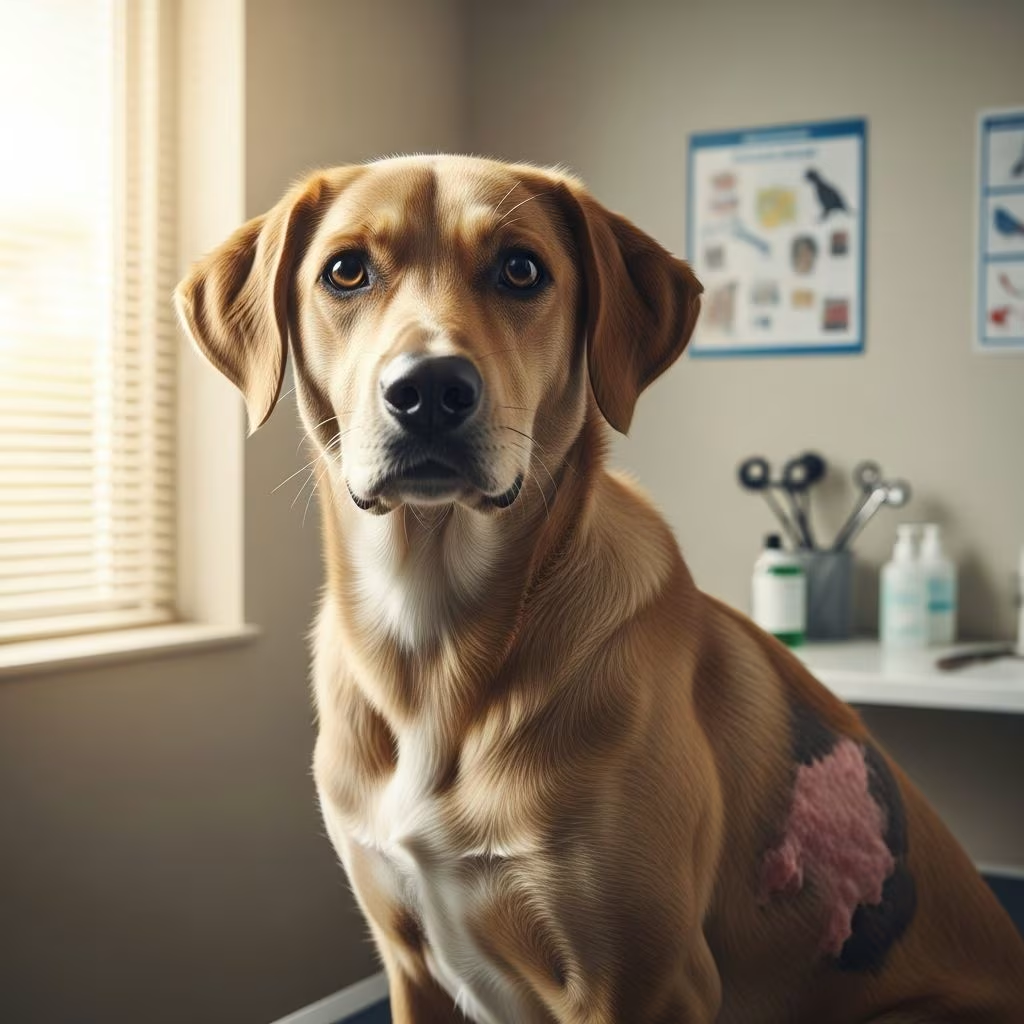
Understanding Hair Loss in Dogs
Hair loss in dogs, medically known as alopecia, is a common condition that affects pets of all breeds and ages. Unlike normal shedding, which is a natural part of a dog’s hair growth cycle, alopecia represents an abnormal loss of fur that can indicate underlying health issues or other concerns. When your dog develops bald spots, patchy fur, or noticeably thinning hair, it warrants attention from a veterinary professional to identify the root cause and implement appropriate treatment.
The condition can manifest in various ways, ranging from small localized bald patches to complete hair loss across large areas of the body. Understanding the distinction between normal shedding and pathological hair loss is essential for dog owners to recognize when veterinary intervention is needed.
Recognizing the Signs and Symptoms
Hair loss in dogs can present with numerous visible and behavioral signs that help veterinarians diagnose the underlying condition. Recognizing these symptoms early allows for prompt treatment and prevents complications.
Visible Skin Changes
When alopecia occurs, the affected areas often show more than just missing fur. The skin beneath the lost hair may exhibit several characteristic changes:
– Redness or inflammation- Thickened or scaly skin- Dark pigmentation changes- Pustules or discharge- Bleeding or crusting- Foul odor emanating from affected areas- Dry, flaky, or irritated skin
Behavioral Indicators
Dogs experiencing hair loss often display behavioral changes that indicate discomfort or stress. Excessive scratching, licking, or chewing at specific body areas frequently accompanies alopecia. Some dogs may show signs of anxiety or engage in obsessive grooming behaviors. In cases where hormonal imbalances are responsible, you might notice changes in eating habits, increased water consumption, or altered energy levels.
Primary Causes of Canine Alopecia
Hair loss in dogs stems from diverse causes, ranging from parasitic infestations to systemic hormonal disorders. Understanding these causes is crucial for effective treatment.
Parasitic Causes
External parasites represent one of the most common triggers of hair loss in dogs. Fleas, ticks, lice, and mites can cause significant discomfort and skin damage. When parasites infest a dog’s skin, they create irritation that leads to excessive scratching and biting. This self-trauma damages hair shafts and follicles, resulting in bald patches. Mange, caused by specific mite species, can lead to generalized or localized hair loss depending on the type. Demodectic mange, in particular, can be hereditary in certain breeds prone to poor immune function.
Allergic Reactions
Allergies represent another frequent cause of alopecia in dogs. These can be triggered by food ingredients, environmental factors such as pollen or dust, or reactions to parasites like fleas. Dogs with allergies typically exhibit intense itching, leading them to scratch their ears, chew their paws, or bite at their belly. The resulting trauma to the skin creates secondary bald spots and can lead to infections if the damaged skin becomes exposed to bacteria.
Skin Infections
Both bacterial and fungal infections can cause significant hair loss. Bacterial infections, particularly those causing hot spots, create red, painful, itchy patches where hair falls out. Ringworm, a fungal infection, causes circular patches of hair loss and is contagious to other animals and humans. Secondary infections frequently develop when dogs scratch and damage their skin, introducing bacteria into the affected areas.
Endocrine and Hormonal Disorders
Hormonal imbalances represent a significant category of alopecia causes. Hypothyroidism, which occurs when the thyroid gland produces insufficient hormone, commonly causes hair thinning and loss, particularly affecting the coat’s quality and density. Cushing’s disease, caused by excessive cortisol production, leads to characteristic hair loss patterns along the back, body, and tail, accompanied by increased thirst, weakness, and a pot-bellied appearance. Certain breeds, including Bulldogs, Dobermans, Greyhounds, and Dachshunds, show increased susceptibility to these endocrine disorders.
Nutritional Deficiencies
An imbalanced or nutritionally inadequate diet can result in poor coat quality and hair loss. Vitamin deficiencies, insufficient protein intake, or lack of essential fatty acids compromise hair shaft integrity and promote excessive shedding. A complete and balanced diet appropriate for your dog’s age and activity level is essential for maintaining healthy coat and skin.
Genetic and Breed-Specific Factors
Some dog breeds are genetically predisposed to hair loss. Certain breeds like the Chinese Crested, American Hairless Terrier, Peruvian Inca Orchid, and Xoloitzcuintli are naturally hairless or have minimal hair coverage. Additionally, intact female dogs often experience significant hair loss following heat cycles due to hormonal fluctuations. Some breeds develop seasonal alopecia in autumn that may take 6-12 months to resolve.
Other Contributing Factors
Hair loss can also result from trauma, pressure sores caused by tight collars, post-surgical clipping effects, stress-related over-grooming behaviors, chemotherapy treatments for cancer, and certain skin cancers themselves. Contact alopecia occurs when something repeatedly rubs against the fur, shortening or removing it in specific areas.
Diagnostic Approach
When you bring your dog to a veterinarian for hair loss concerns, they will conduct a thorough examination to identify the underlying cause. This typically includes reviewing your dog’s medical history, diet, and any recent changes in behavior or environment. Your vet may perform skin scrapings, fungal cultures, or other diagnostic tests to identify infections or parasites. Blood work might be necessary to evaluate thyroid function and other hormonal levels. Physical examination of the affected areas provides important clues about the nature and extent of the condition.
Treatment Options and Management Strategies
Treatment for canine alopecia depends entirely on identifying the underlying cause. A one-size-fits-all approach is ineffective; instead, veterinarians develop targeted treatment plans based on diagnosis.
Parasitic Management
For parasitic causes, veterinarians prescribe appropriate medications to eliminate the organisms from your dog’s fur and prevent reinfestation. This often includes environmental treatment to disinfect areas where the dog spends time. Regular preventative flea and tick medication helps protect against future infestations.
Infection Treatment
Bacterial skin infections are typically treated with antibiotics, either oral or topical, depending on severity. Fungal infections like ringworm require antifungal medications applied topically or administered orally. In cases where secondary infections develop from scratching, antibiotic treatment becomes essential to prevent complications.
Medication for Allergies and Itching
Veterinarians may prescribe medications to reduce itching and inflammation associated with allergies. These might include antihistamines, corticosteroids, or newer immunomodulatory drugs. Food trials using hypoallergenic, limited ingredient, or hydrolyzed diets help identify dietary triggers and can resolve food-related hair loss.
Hormonal Treatment
For endocrine disorders, appropriate medications help correct hormonal imbalances. Hypothyroidism is managed with thyroid hormone replacement therapy, typically requiring lifelong treatment. Cushing’s disease is usually treated with medication rather than surgery, as tumor removal from the pituitary or adrenal gland carries significant surgical risks.
Topical and Supportive Care
Topical treatments play an important role in managing alopecia. Therapeutic sprays, ointments, and medicated dips can soothe irritated skin and promote healing. Recovery cones or Elizabethan collars prevent dogs from licking or chewing affected areas, which accelerates healing and prevents secondary infections. Ensuring your dog’s environment is free from parasites and other triggers supports recovery and prevents recurrence.
Nutritional Support
Providing a complete and balanced diet appropriate for your dog’s age and activity level supports coat health. Supplements containing omega-3 and omega-6 fatty acids can improve skin condition and promote healthier hair growth. Your veterinarian can recommend appropriate nutritional adjustments based on your dog’s specific needs.
Behavioral and Stress Management
When stress or anxiety contributes to excessive grooming and hair loss, anti-anxiety medication or calming supplements like Solliquin may help reduce these behaviors. Identifying and minimizing stress triggers in your dog’s environment also contributes to treatment success.
Surgical and Advanced Options
For cases involving tumors or growths, surgical removal may be necessary. Skin cancers might require chemotherapy and radiation therapy in addition to surgical intervention.
Prevention and Long-Term Management
While not all hair loss can be prevented, several measures reduce the risk and help maintain your dog’s coat health. Regular flea and tick prevention protects against parasitic hair loss. Maintaining a balanced, high-quality diet supports skin and coat health. Regular grooming helps you identify early signs of skin problems before they progress. Keeping your dog’s environment clean and free of parasites prevents infestations. Managing stress through appropriate exercise and mental stimulation reduces stress-related grooming behaviors. Regular veterinary check-ups allow early detection of hormonal or nutritional issues.
When to Consult Your Veterinarian
You should contact your veterinarian if your dog shows signs of excessive hair loss, develops bald patches or thinning fur, displays excessive scratching or licking behaviors, has visible skin irritation or discharge, or shows accompanying symptoms like increased thirst or appetite changes. Early intervention typically results in faster resolution and prevents complications from developing.
Frequently Asked Questions
Q: Is normal shedding the same as alopecia?
A: No. Normal shedding is part of your dog’s natural hair growth cycle and occurs seasonally or year-round in some breeds. Alopecia, or pathological hair loss, indicates an underlying health issue or condition requiring veterinary attention and represents excessive, abnormal fur loss.
Q: Can hair loss in dogs be cured?
A: This depends on the underlying cause. Some causes, like parasitic infestations or food allergies, can be completely resolved with appropriate treatment. Others, like hereditary conditions or chronic endocrine disorders, can be managed effectively but may not be curable. Your veterinarian can discuss the prognosis specific to your dog’s condition.
Q: How long does it take for a dog’s hair to regrow?
A: Hair regrowth timelines vary depending on the cause and severity of hair loss. Some conditions show improvement within weeks, while others take several months. Some seasonal alopecia may take 6-12 months to resolve completely. Your veterinarian can provide a more specific timeline based on your dog’s situation.
Q: Are home remedies effective for dog hair loss?
A: While some home remedies like olive oil or apple cider vinegar may provide temporary relief or support coat health, they cannot address underlying medical conditions. Professional veterinary diagnosis and treatment are essential, though home care can complement prescribed treatments.
Q: Can stress cause hair loss in dogs?
A: Yes, stress can contribute to hair loss through excessive grooming and over-licking behaviors. Dogs experiencing anxiety or environmental stress may engage in obsessive grooming that damages hair and creates bald patches. Reducing stress and providing calming support can help manage this type of hair loss.
Q: Is dog hair loss contagious to humans?
A: Most causes of dog hair loss are not contagious to humans. However, ringworm, a fungal infection that causes hair loss, is zoonotic and can spread to people. Practice good hygiene and wash hands after handling a dog with suspected ringworm.
Q: What should I feed my dog to prevent hair loss?
A: Feed your dog a complete and balanced diet appropriate for their age and activity level. Look for foods containing adequate protein, essential fatty acids (omega-3 and omega-6), and essential vitamins and minerals. Consult your veterinarian about whether supplements or specific diet formulations would benefit your dog.
References
- Hair Loss in Dogs: Signs, Symptoms, and Treatments — American Kennel Club. 2024. https://www.akc.org/expert-advice/health/hair-loss-in-dogs/
- Hair Loss in Dogs: Causes, Symptoms, and Treatment — PetMD. 2024. https://www.petmd.com/dog/conditions/skin/hair-loss-dogs-causes-symptoms-and-treatment
- Hair Loss (Alopecia) in Dogs — PDSA. 2024. https://www.pdsa.org.uk/pet-help-and-advice/pet-health-hub/symptoms/hair-loss-alopecia-in-dogs
- Dog Bald Spots, Dog Hair Loss, Balding Dogs — WebMD Pets. 2024. https://www.webmd.com/pets/dogs/dog-bald-spot
- Dog Hair Loss: Home Remedies, Causes, and Diagnosis — Paw CBD. 2024. https://www.pawcbd.com/blogs/posts/dog-hair-loss-home-remedies-causes-and-diagnosis



