
Hahn’s Macaw Essential Care Guide For Pet Owners
Discover Hahn's macaw personality, dietary needs, care requirements, and why they make exceptional mini-macaw companions.
Understanding the Hahn’s Macaw: A Complete Pet Owner’s Guide
The Hahn’s macaw represents one of the most popular mini-macaw species available to bird enthusiasts today. These remarkable parrots combine the bold personality and intelligence of their larger macaw cousins with a more manageable size that appeals to a broader range of pet owners. Unlike their oversized relatives, Hahn’s macaws fit comfortably into household environments while maintaining the characteristic traits that make macaws such beloved companions. Their compact stature, combined with exceptional intelligence and engaging personalities, has made them favorites among macaw enthusiasts and bird breeders worldwide.
What Is a Hahn’s Macaw?
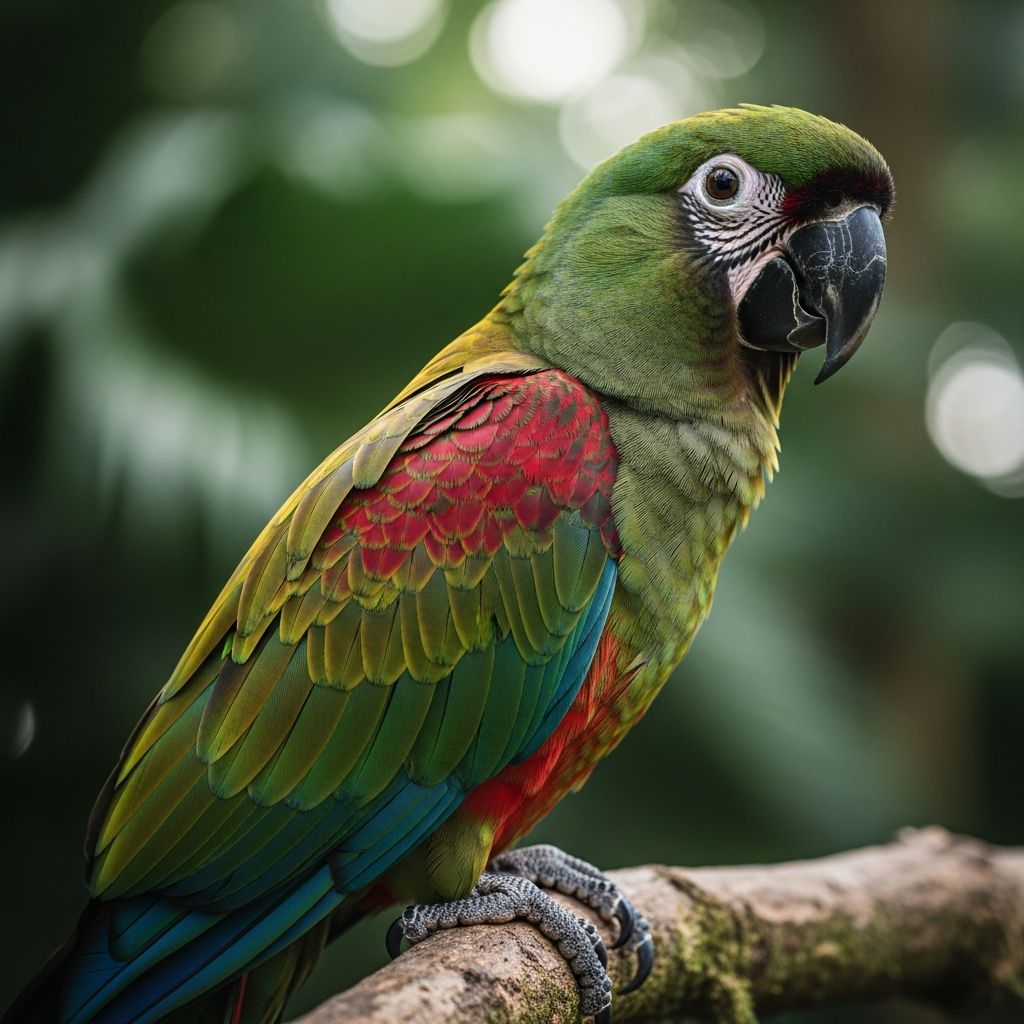
The Hahn’s macaw is fundamentally a scaled-down version of the larger macaw species, maintaining all the physical attributes and behavioral characteristics of its bigger cousins but in a more practical size. These miniature macaws are the smallest members of the macaw family, measuring approximately 31 centimeters in length and weighing around 120 to 160 grams. Their compact size makes them significantly smaller than many conure species, leading some novices to initially confuse them with other parrot types.
The most distinctive visual characteristic of the Hahn’s macaw is its primarily green plumage combined with a fleshy white face-patch, a feature common to all macaw species. This facial patch serves more than aesthetic purposes; it can flush pink when the bird experiences emotional changes, providing owners with visible indicators of their pet’s mood and emotional state. The combination of their intelligent expression, colorful features, and diminutive size creates an undeniably charming appearance that appeals to both experienced bird handlers and newcomers to macaw ownership.
Key Characteristics and Attributes
Several defining characteristics distinguish Hahn’s macaws as exceptional pet birds:
– The smallest macaw species, offering practical advantages for home environments- Green coloration with distinctive fleshy white face-patches- Highly vocal communicators with exceptional whistling abilities- Long lifespans exceeding 30 years, with some individuals living 40 to 50 years under optimal care- Sexual monomorphism, meaning males and females appear virtually identical- Intelligence comparable to much larger macaw species- Strong beaks and tapered tails characteristic of all macaw types- Social and interactive temperament
Personality and Behavioral Traits
The Hahn’s macaw’s personality mirrors that of its larger macaw relatives, displaying boldness, playfulness, and remarkable activity levels despite their diminutive proportions. These birds are exceptionally intelligent, quickly learning vocalizations, whistles, and tricks with surprising proficiency. Hand-raised Hahn’s macaws develop strong bonds with their owners and can provide years of entertainment through their antics and engaging behaviors.
When properly socialized from an early age, these birds demonstrate the capacity to become wonderful pets that charm owners with their personalities and interactive nature. However, potential owners must understand that Hahn’s macaws are active birds constantly seeking stimulation. They will readily investigate—and likely damage—furniture, drapes, and other household items. These parrots thrive when provided with appropriate outlets for their natural behaviors, including climbing, chewing, and exploration.
The vocal nature of Hahn’s macaws represents both an asset and a consideration for potential owners. These birds are whistlers capable of producing clear, melodious sounds, making them popular with those who appreciate their communicative abilities. However, their vocalizations can reach considerable volumes, a factor worth considering for those living in noise-sensitive environments.
Native Region and Natural Habitat
The Hahn’s macaw originates from northeastern South America, where it has evolved to thrive in tropical forest environments. Understanding their natural habitat provides valuable insights into their care requirements and behavioral needs in captivity. These birds are easier to locate in the wild than many other macaw species, which has made them popular subjects for aviculturists and bird breeders. The availability of Hahn’s macaws from breeders, combined with their smaller space requirements for breeding compared to larger macaw species, has contributed to their popularity in the pet trade.
Proper Care and Feeding Requirements
Maintaining a Hahn’s macaw’s health requires commitment to comprehensive care standards that address all aspects of their physical and psychological needs.
Nutritional Requirements
Like all macaws, the Hahn’s species requires a nutritionally balanced, diverse diet to ensure longevity and health. A deficient diet can significantly reduce a bird’s lifespan and contribute to various health problems. A quality diet for Hahn’s macaws should include:
– High-quality formulated pellets as the dietary foundation- Fresh vegetables, particularly green leafy varieties- Fresh fruits offered in moderation as treats- Healthy, unsalted, and unseasoned nuts provided occasionally- Spray millet as an appreciated treat- Sprouted sunflower seeds beginning germination- Cooked maize and fresh corn- Green beans and hawthorn berries- Varied vegetables and calcium-supplemented foods during breeding and weaning stages
The dietary approach should emphasize variety and nutritional balance. Unlike some parrot species, macaws typically tolerate higher fat content, making nuts an acceptable occasional treat when offered without salt or seasonings. During breeding seasons or when caring for young birds transitioning to solid food, egg-rearing foods supplemented with calcium and frozen mixed vegetables provide essential nutrition for developing chicks.
Space and Exercise Requirements
Despite their smaller size, Hahn’s macaws require substantial space and regular exercise to maintain optimal health. These birds will develop obesity and associated health complications if confined for extended periods. Mental and physical stimulation remains paramount for macaw welfare, as these highly intelligent birds require constant engagement and enrichment.
The importance of adequate space and exercise cannot be overstated. Macaws deprived of sufficient stimulation and activity can develop serious behavioral and psychological issues, including neurosis and self-mutilating disorders. A depressed or unhappy macaw presents significant challenges for owners and the bird alike. Providing appropriate cage sizes, varied toys, climbing opportunities, and interactive activities represents essential components of responsible Hahn’s macaw ownership.
Housing and Environmental Considerations
Cage specifications should accommodate the bird’s size and behavioral needs. Cage bar spacing should range from 0.75 to 1.5 inches to prevent escape or injury. Perches should measure approximately 5/8 inch in diameter for Hahn’s macaws, providing appropriate grip without causing foot strain. Environmental temperatures should mimic natural conditions, though household temperatures between 70-80 degrees Fahrenheit are generally acceptable. Healthy birds can tolerate temperature variations, but stable, comfortable conditions promote better health outcomes.
Frequent bathing and showering opportunities should be provided, as macaws naturally enjoy water and maintain plumage health through regular bathing. This enrichment activity simultaneously provides physical exercise and psychological stimulation.
Health and Common Conditions
Hahn’s macaws are susceptible to several health conditions that can be mitigated through preventive care and proper husbandry:
– Self-mutilation and feather plucking disorders, often resulting from inadequate stimulation or psychological stress- Nutritional disorders stemming from improper diet composition- Macaw Wasting Syndrome, a serious condition affecting multiple macaw species- Overgrown beaks requiring veterinary intervention- Avian polyomavirus- Proventricular dilatation disease (PDD)- Oral abscesses- Pacheco’s disease virus- Psittacosis
Regular veterinary health examinations combined with nutritionally balanced diets provide critical protective measures against disease development. Annual physical examinations should establish baseline health data through clinical testing, including complete blood counts and plasma biochemistries. Newly acquired birds should undergo quarantine periods to prevent disease transmission, and breeding populations particularly benefit from preventive vaccinations against avian polyomavirus and other common diseases.
Lifespan and Longevity Considerations
Small macaws like Hahn’s species typically live 20 to 25 years in captivity, though lifespans of 35 years have been documented. These birds reach sexual maturity between 4 to 6 years of age. With optimal care—including proper nutrition, regular veterinary attention, and appropriate environmental conditions—Hahn’s macaws have demonstrated the capacity to live 40 to 50 years. The distinction between typical and extended lifespans underscores how profoundly care quality influences longevity. Owners contemplating Hahn’s macaw ownership must recognize this commitment extends several decades, requiring sustained dedication to the bird’s welfare throughout its life.
Sourcing and Acquisition
Prospective Hahn’s macaw owners will typically find these birds through avian-specialty pet stores and dedicated bird breeders rather than large chain pet retailers. The popularity of Hahn’s macaws among aviculturists has created a well-established breeding community, making them more readily available than certain other macaw species. This established breeding network ensures consistent availability of hand-raised birds with predictable temperaments, provided they originate from reputable sources committed to proper socialization and care.
Conservation Status and Regulations
Understanding regulatory protections demonstrates the importance of responsible pet ownership. Hahn’s macaws, along with noble, red-bellied, severe, and yellow-collared macaw species, are listed on CITES Appendix II, indicating that while not currently threatened with extinction, their trade must be strictly regulated to prevent future population decline. Commercial breeding through established channels provides sustainable alternatives to wild capture, supporting conservation objectives while meeting pet demand.
Frequently Asked Questions
Q: How long do Hahn’s macaws live?
A: Hahn’s macaws typically live 20 to 25 years in captivity, with documented lifespans of 35 years and potential longevity extending to 40 to 50 years under optimal care conditions.
Q: Are Hahn’s macaws good for first-time bird owners?
A: When hand-raised and properly socialized, Hahn’s macaws can make excellent pets. However, their intelligence, vocal nature, space requirements, and long lifespan demand commitment from experienced bird handlers.
Q: What is the best diet for a Hahn’s macaw?
A: A balanced diet should include high-quality formulated pellets as the foundation, supplemented with fresh vegetables, occasional fruits, unsalted nuts, and varied enrichment foods like sprouted seeds and cooked corn.
Q: How much space does a Hahn’s macaw require?
A: While smaller than large macaws, Hahn’s macaws need substantial space with appropriate cage dimensions and extended out-of-cage time for exercise and mental stimulation to prevent obesity and behavioral problems.
Q: What health problems are common in Hahn’s macaws?
A: Common issues include feather plucking, nutritional disorders, Macaw Wasting Syndrome, and overgrown beaks. Prevention through balanced nutrition and regular veterinary care is essential.
Q: Why do Hahn’s macaws pluck their feathers?
A: Feather plucking often results from inadequate stimulation, psychological stress, or improper living conditions. Providing enrichment, social interaction, and mental engagement helps prevent this destructive behavior.
Q: Where can I find a Hahn’s macaw?
A: Reputable bird breeders and avian-specialty pet stores typically carry Hahn’s macaws. Avoid large chain retailers and ensure any source prioritizes hand-raising and proper socialization.
Making the Right Decision
Hahn’s macaws represent exceptional companion birds for individuals prepared to meet their substantial care requirements. These intelligent, engaging parrots offer years of companionship and entertainment within a more manageable size frame than larger macaw species. However, prospective owners must honestly assess their capacity to provide decades-long commitment, appropriate nutrition, mental stimulation, veterinary care, and physical space. The reward for meeting these obligations is a remarkable companion whose personality, intelligence, and affection justify the considerable investment of time and resources.
For those ready to accept this commitment, a hand-raised Hahn’s macaw can become a treasured family member and source of endless fascination and joy.
References
- Hahn’s Macaw Personality, Food & Care – Pet Birds by Lafeber Co. — Lafeber Company. 2024. https://lafeber.com/pet-birds/species/hahns-macaw/
- Basic Information Sheet: Macaw — Lafeber Company. January 8, 2012. https://lafeber.com/vet/basic-information-sheet-for-the-macaw/
- Macaw Birds: Types, Temperament, and Care Tips — PetMD. 2024. https://www.petmd.com/bird/breeds/macaw-birds-types-temperament-and-care-tips
- Hahn’s Macaw Fact Sheet — Northern Parrots. 2024. https://www.northernparrots.com/blog/hahns-macaw-fact-sheet/
Similar Articles








Read full bio of Sneha Tete


