

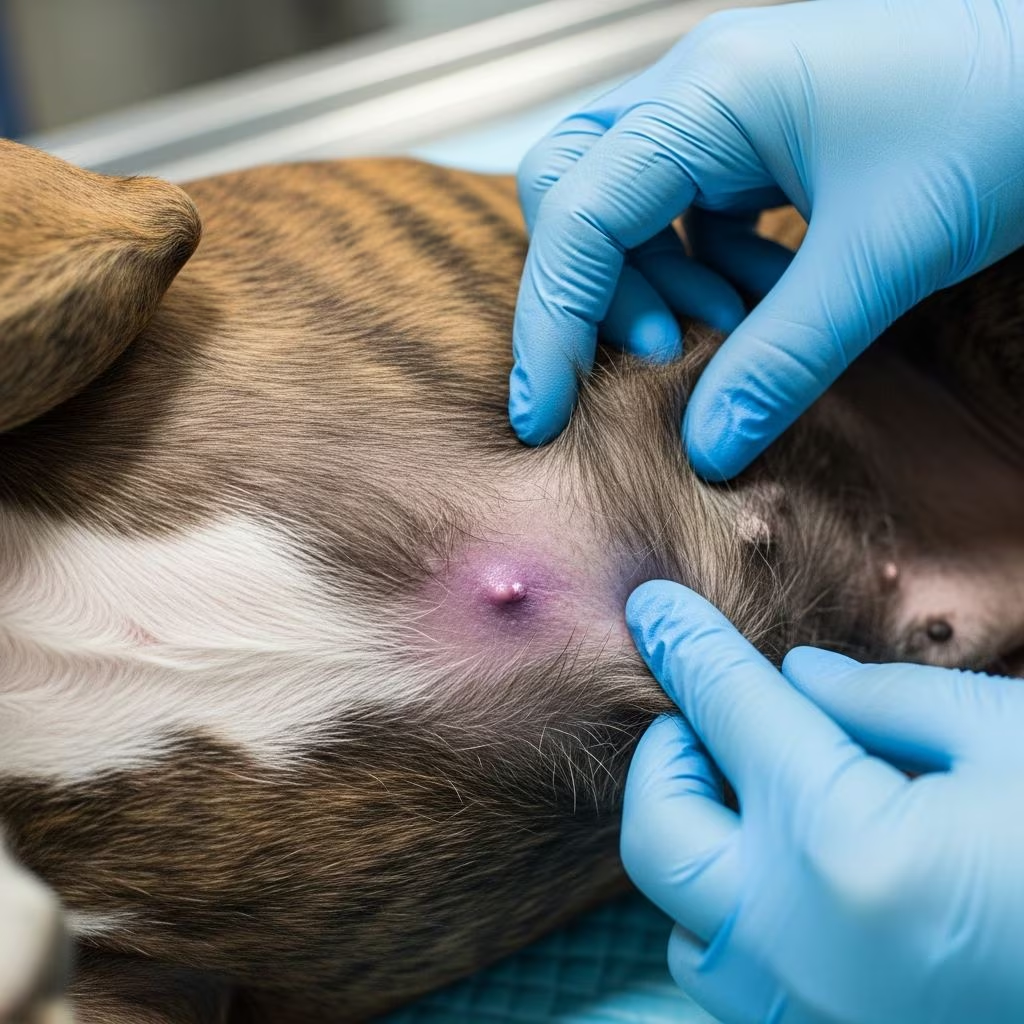
Haemangiosarcoma is a highly aggressive cancer originating from blood vessel cells in dogs, primarily affecting the spleen, heart, liver, and skin. This malignant tumour spreads rapidly, often leading to internal bleeding and sudden collapse, making early detection challenging but crucial for management.
What is haemangiosarcoma in dogs?
Haemangiosarcoma, also known as hemangiosarcoma, represents about 5-7% of all canine cancers and is more common in middle-aged to older dogs, typically over 6 years. It arises from endothelial cells lining blood vessels, forming tumours that are soft, friable, and prone to rupture, causing life-threatening haemorrhage. The spleen is the most frequent site (about 50% of cases), followed by the right atrium of the heart (25%), with skin and subcutaneous forms being less aggressive.
This cancer is classified into visceral (internal organs) and dermal (skin) types. Visceral haemangiosarcoma has a poor prognosis due to metastasis to lungs, liver, and omentum, while dermal variants respond better to treatment. Breeds predisposed include German Shepherds, Golden Retrievers, Labrador Retrievers, Boxers, and flat-coated Retrievers, suggesting a genetic component.
Haemangiosarcoma symptoms in dogs
Symptoms often appear suddenly when a tumour ruptures, leading to acute collapse. Common signs include:
- Sudden weakness or collapse due to internal bleeding
- Pale gums from anaemia
- Abdominal distension or swelling from blood accumulation
- Rapid breathing or panting
- Lethargy and depression
- Loss of appetite and weight loss
- Evidence of pain, such as whining or reluctance to move
For splenic haemangiosarcoma, dogs may show intermittent weakness resolving temporarily as blood reabsorbs, masking the issue until catastrophic rupture. Cardiac forms present with fluid around the heart (pericardial effusion), causing exercise intolerance and fainting. Skin haemangiosarcoma appears as red, raised lesions that ulcerate or bleed. Early detection relies on routine exams spotting lumps or abdominal masses, as many dogs lack overt signs initially.
Haemangiosarcoma causes and risk factors
The exact causes remain unclear, but genetic predisposition plays a key role, with higher incidence in large, middle-aged breeds. Environmental factors like sun exposure contribute to dermal forms in lightly pigmented dogs. No direct links to diet, vaccines, or toxins are proven, though chronic inflammation may promote vascular changes. Middle age (8-10 years average diagnosis) and male dogs show slight overrepresentation. Understanding these risks underscores annual veterinary check-ups for at-risk breeds.
Diagnosing haemangiosarcoma in dogs
Diagnosis starts with a thorough history and physical exam, noting breed, age, and symptoms like pallor or splenomegaly. Key diagnostics include:
- Abdominal ultrasound: Identifies splenic or liver masses and free abdominal fluid (haemoperitoneum).
- Chest X-rays: Checks for heart base masses, lung metastases, or effusion.
- Blood tests: Reveal anaemia, thrombocytopenia, elevated liver enzymes; coagulation profiles assess clotting issues.
- Echocardiogram: For suspected cardiac involvement.
- Cytology/FNA: Fine-needle aspirate of masses, though often inconclusive due to blood contamination.
- Biopsy: Definitive via histopathology post-surgery, confirming haemangiosarcoma over benign haemangioma.
Staging involves three-view thoracic radiographs and abdominal ultrasound to grade metastasis (stage I: localised; II: ruptured with no mets; III: metastatic). This guides treatment; about 75% have metastases at diagnosis.
Haemangiosarcoma treatment in dogs
Treatment is multimodal, focusing on stabilisation, tumour removal, and slowing spread. Options include:
- Surgery: Splenectomy for splenic tumours (removes spleen, which regenerates function elsewhere); pericardiectomy for heart cases. Feasible if no gross metastases.
- Chemotherapy: Doxorubicin-based protocols post-surgery extend survival; administered every 2-3 weeks for 5 cycles. Response rates 20-30%.
- Radiation: Limited use due to metastasis; stereotactic for localised masses.
- Palliative care: Blood transfusions, fluids for bleeding episodes; pain meds improve comfort.
Dermal haemangiosarcoma often cured by wide surgical excision. Visceral forms require oncology referral. Emerging therapies like tyrosine kinase inhibitors (e.g., Palladia) show promise in trials. Owners weigh quality vs. quantity of life, considering costs (£3,000-£8,000 for full course).
Haemangiosarcoma prognosis in dogs
| Form/Stage | Median Survival Time | Notes |
|---|---|---|
| Splenic, untreated rupture | 1-2 weeks | Due to re-bleeding |
| Splenic, surgery alone | 1-3 months | 70-80% recur/metastasise |
| Splenic, surgery + chemo | 4-6 months | Up to 10% >1 year |
| Cardiac | 1-4 weeks untreated; 2-6 months post-surgery | Poor due to location |
| Dermal, excised | Years; low metastasis risk | Best prognosis |
Prognosis hinges on stage, location, and response. Stage III cases average <3 months even with treatment. Factors improving outlook: incidental finding, no rupture, complete excision. Regular monitoring post-treatment detects recurrence early.
Preventing haemangiosarcoma in dogs
No guaranteed prevention exists, but strategies reduce risk:
- Annual vet exams with abdominal palpation/ultrasound for at-risk breeds.
- Monitor for lumps, especially in predisposed dogs over 6 years.
- Healthy lifestyle: balanced diet, exercise, weight control to bolster immunity.
- Sun protection for dermal risk (rashes in white-skinned areas).
- Genetic screening where available; spay/neuter timing debated but not proven preventive.
Early intervention via wellness checks transforms outcomes, catching masses pre-rupture.
Coping with a haemangiosarcoma diagnosis
A diagnosis devastates owners, but palliative focus maintains joy. Home care: soft bedding, small meals, short walks; meds for pain/nausea. Support groups, pet hospice aid emotional toll. Euthanasia timing weighs suffering vs. happiness—sudden bleeds demand compassionate decisions. Celebrate bonds through photos, treats; many dogs live meaningfully months post-diagnosis.
Frequently Asked Questions
What is the most common location for haemangiosarcoma in dogs?
The spleen is the primary site, accounting for roughly half of cases, followed by the heart.
How quickly does haemangiosarcoma progress in dogs?
Extremely fast; visceral forms metastasise early, with rupture causing collapse within days to weeks untreated.
Can haemangiosarcoma be cured in dogs?
Rarely; surgery + chemo offers remission but not cure for visceral types. Dermal forms have high cure rates with excision.
Should I get surgery for my dog’s splenic haemangiosarcoma?
Yes, if stable and no mets—extends life significantly vs. palliation alone. Discuss staging and chemo with oncologist.
What breeds are prone to haemangiosarcoma?
Golden Retrievers, German Shepherds, Labs, Boxers; large breeds over 6 years.
Is chemotherapy painful for dogs with haemangiosarcoma?
Generally well-tolerated; side effects mild (nausea, lethargy) compared to humans.
References
- Dog Cancer – Symptoms, Diagnosis & Treatment — Lombard Veterinary Hospital. 2023. https://www.lombardvet.com/services/dogs/dog-cancer
- Dog Cancer – Symptoms, Diagnosis & Treatment — Pleasant Hill Animal Hospital. 2023. https://www.pleasanthillanimalhospital.com/services/dogs/dog-cancer
- Dog Cancer: Diagnosis, Treatment, & Prognosis — Love Vet. 2024. https://love.vet/dog-cancer-diagnosis-treatment-prognosis-for-dog-cancer/
- Cancer in Dogs: Common Types, Symptoms, Diagnosis — OncoDaily. 2024. https://oncodaily.com/oncolibrary/cancer-in-dogs
- Cancer in Pets — American Veterinary Medical Association (AVMA). 2023-01-15. https://www.avma.org/resources/pet-owners/petcare/cancer-pets
- Cancer in Dogs — Blue Cross UK. 2024. https://www.bluecross.org.uk/advice/dog/health-and-injuries/coping-with-cancer-in-dogs



