

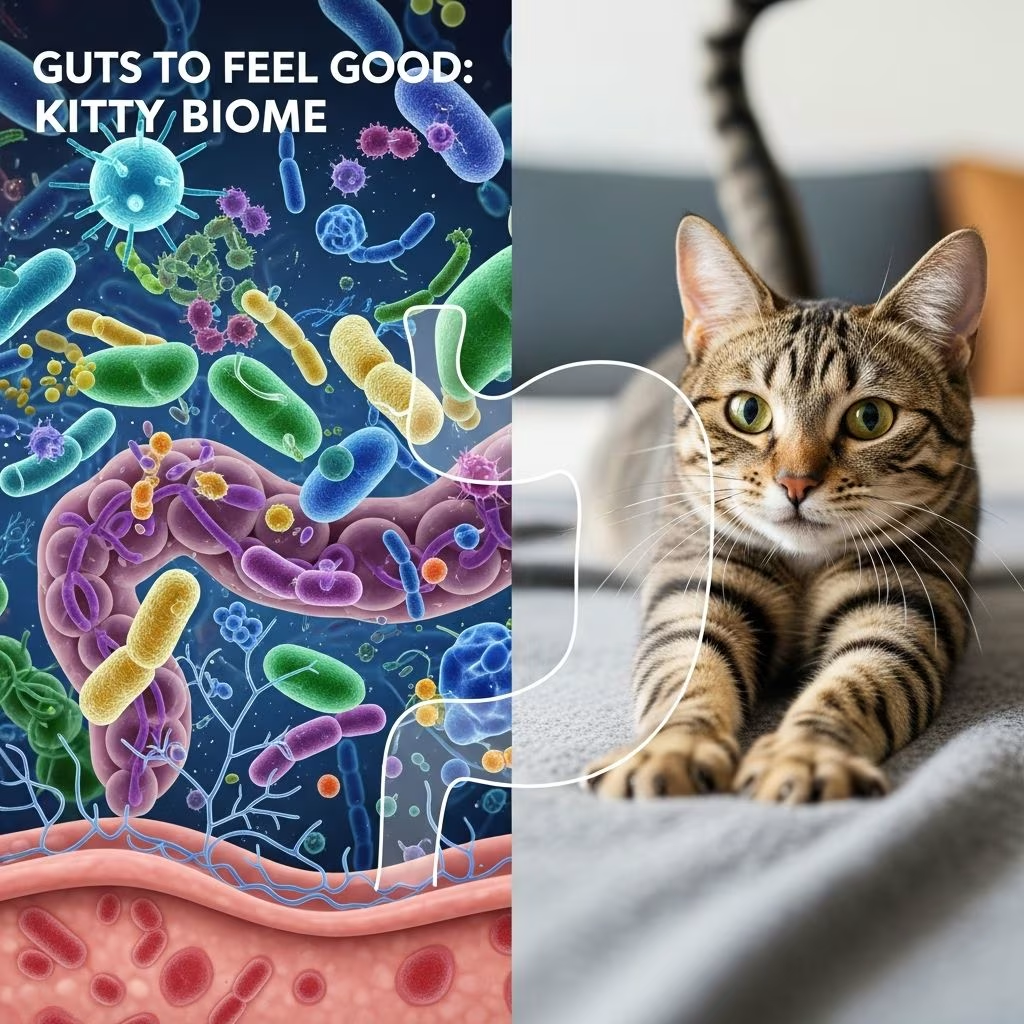
The gut microbiome, often called the \”kitty biome,\” plays a pivotal role in your cat’s overall health. This complex community of bacteria in the digestive tract influences digestion, immune function, inflammation levels, nutrient absorption, and even behavior. A balanced microbiome helps cats thrive, while imbalances—known as dysbiosis—can lead to issues like allergies, obesity, digestive upset, and weakened immunity.
Cats, as obligate carnivores, have unique microbial needs shaped by their high-protein, low-carb biology. Research shows the feline gut hosts dominant phyla like Firmicutes, Bacteroidetes, Proteobacteria, Fusobacteria, and Actinobacteria, which aid in breaking down food the body cannot process alone, nourish gut cells, and combat pathogens. Understanding and supporting this ecosystem is key to preventing health problems and promoting vitality.
What Is the Kitty Biome?
The kitty biome refers to the trillions of microorganisms—primarily bacteria—residing in your cat’s gastrointestinal tract. These microbes form a dynamic ecosystem that digests food, produces essential vitamins and short-chain fatty acids, maintains the gut lining, and communicates with the brain via the gut-brain axis.
In cats, the microbiome is less reliant on microbial fermentation for digestion compared to humans or dogs, but it remains crucial for health. Studies indicate that Firmicutes and Bacteroidetes dominate, with variations influenced by diet, genetics, environment, and antibiotics. A healthy biome prevents overgrowth of harmful bacteria, supports vitamin synthesis, and bolsters immunity, which is about 70% gut-based in felines.
- Digestion Aid: Breaks down proteins and fibers.
- Immune Boost: Fights pathogens and reduces inflammation.
- Nutrient Production: Generates vitamins and postbiotics for energy and gut integrity.
- Brain Connection: Influences mood, reducing anxiety and lethargy.
Dysbiosis disrupts this balance, leading to soft stools, diarrhea, allergies, obesity, cognitive issues, and more. Factors like high-carb diets promote carb-loving bacteria linked to inflammation.
Why Gut Health Matters for Cats
A thriving kitty biome translates to tangible benefits. Balanced bacteria enhance nutrient absorption, ensuring cats extract maximum value from their meals. Better digestion means firmer stools and less discomfort, while decreased inflammation lowers risks of chronic conditions.
Immunity surges as good bacteria crowd out pathogens, vital since cats face environmental threats. The gut-brain link means a healthy microbiome can curb stress-related behaviors, fostering a content cat. Weight management improves, as imbalanced microbiomes contribute to obesity by altering metabolism.
| Benefit | Description | Impact on Cat Health |
|---|---|---|
| Increased Nutrient Absorption | Microbes break down complex foods | Optimal energy and growth |
| Better Digestion | Reduces upset and improves stool quality | Fewer vet visits for GI issues |
| Decreased Inflammation | Balances pro/anti-inflammatory bacteria | Prevents allergies and joint issues |
| Boosted Immunity | 70% of immune system in gut | Stronger resistance to infections |
| Mood Enhancement | Gut-brain axis signaling | Less anxiety, more playfulness |
Neglect leads to cascading effects: poor immunity invites diseases, inflammation fuels allergies, and dysbiosis hampers overall vitality.
Signs of Poor Gut Health in Cats
Watch for these red flags indicating microbiome imbalance:
- Chronic diarrhea or soft, frequent stools.
- Gas, bloating, or vomiting after meals.
- Sudden weight loss or gain despite stable diet.
- Frequent allergies, itching, or skin issues.
- Lethargy, anxiety, or behavioral changes.
- Recurrent infections or slow healing.
Antibiotics, stress, or diet shifts often trigger these. Early vet consultation prevents escalation.
9 Ways to Improve Your Cat’s Gut Health
Targeted strategies restore balance effectively.
#1: Optimize Diet
High-protein, low-carb foods suit obligate carnivores. Avoid carb-heavy fillers like rice or potatoes, which foster inflammatory bacteria. Raw or high-meat diets maximize protein, promoting beneficial microbes. Transition gradually over 7-10 days.
#2: Add Prebiotics
These fibers feed good bacteria. Sources like fructooligosaccharides (FOS) or inulin stimulate growth without major microbiome shifts in cats. Start small to avoid gas; studies show benefits for nutrient digestibility and fermentation.
#3: Use Probiotics
Live bacteria restore balance post-antibiotics or illness. Cats need acid-resistant, enteric-coated strains due to acidic stomachs. Daily dosing works best as they don’t colonize permanently. Benefits include vitamin production and pathogen combat. Vet-approved cat-specific formulas only.
#4: Minimize Antibiotics
These wipe out good bacteria. Use only when necessary; follow with probiotics.
#5: Reduce Stress
Stress disrupts the biome via gut-brain axis. Provide enrichment, stable routines, and pheromone diffusers.
#6: Hydrate Well
Wet food or fountains aid digestion and flush toxins.
#7: Identify Allergens
Food sensitivities imbalance guts. Elimination diets under vet guidance pinpoint triggers.
#8: Regular Vet Checkups
Monitor via fecal tests; early intervention key.
#9: Consider Supplements
Gut restore products for chronic issues combine pre/probiotics.
Probiotics vs. Prebiotics for Cats
| Aspect | Probiotics | Prebiotics |
|---|---|---|
| Definition | Live beneficial microbes | Non-digestible fibers feeding good bacteria |
| Action | Add/replenish bacteria | Stimulate existing bacteria growth |
| Best For | Dysbiosis recovery | Daily maintenance |
| Cat Considerations | Enteric-coated for acidity | Small doses to prevent upset |
| Sources | Supplements (not human yogurt) | Specialty foods/fibers like FOS |
Synbiotics combine both for synergy.
FAQs
What is the cat gut microbiome?
A diverse bacterial community in the digestive tract aiding digestion, immunity, and more.
Can poor gut health affect my cat’s mood?
Yes, via the gut-brain axis; imbalance links to anxiety.
Are probiotics safe for cats?
Cat-specific, vet-approved ones are; avoid human products.
How does diet impact the kitty biome?
High-protein/low-carb promotes health; carbs encourage inflammation.
When should I see a vet for gut issues?
At signs of persistent diarrhea, weight changes, or allergies.
Conclusion
Supporting your cat’s kitty biome through diet, supplements, and care unlocks peak health. Consistent efforts yield a vibrant, happy feline. Consult vets for tailored plans.
References
- 9 Ways to Improve Your Cat’s Digestive Health — AnimalBiome. 2023. https://www.animalbiome.com/blogs/cat/9-ways-to-improve-your-cat-s-digestive-health
- Understanding the Importance of Cat Gut Health — SuperTails. 2024. https://supertails.com/blogs/posts/understanding-the-importance-of-cat-gut-health
- How to Support Your Cat’s Microbiome & Gut Health — Purina. 2023. https://www.purina.com/articles/cat/health/digestion/cat-gut-health-microbiome
- What Is Your Cat’s Gut Microbiome and Why Is It Important? — Hill’s Pet. 2024. https://www.hillspet.co.za/cat-care/nutrition-feeding/cat-microbiome-and-gut-health
- The Effects of Nutrition on the Gastrointestinal Microbiome of Cats and Dogs — PMC (von SM Wernimont et al.). 2020-07-01. https://pmc.ncbi.nlm.nih.gov/articles/PMC7329990/



