

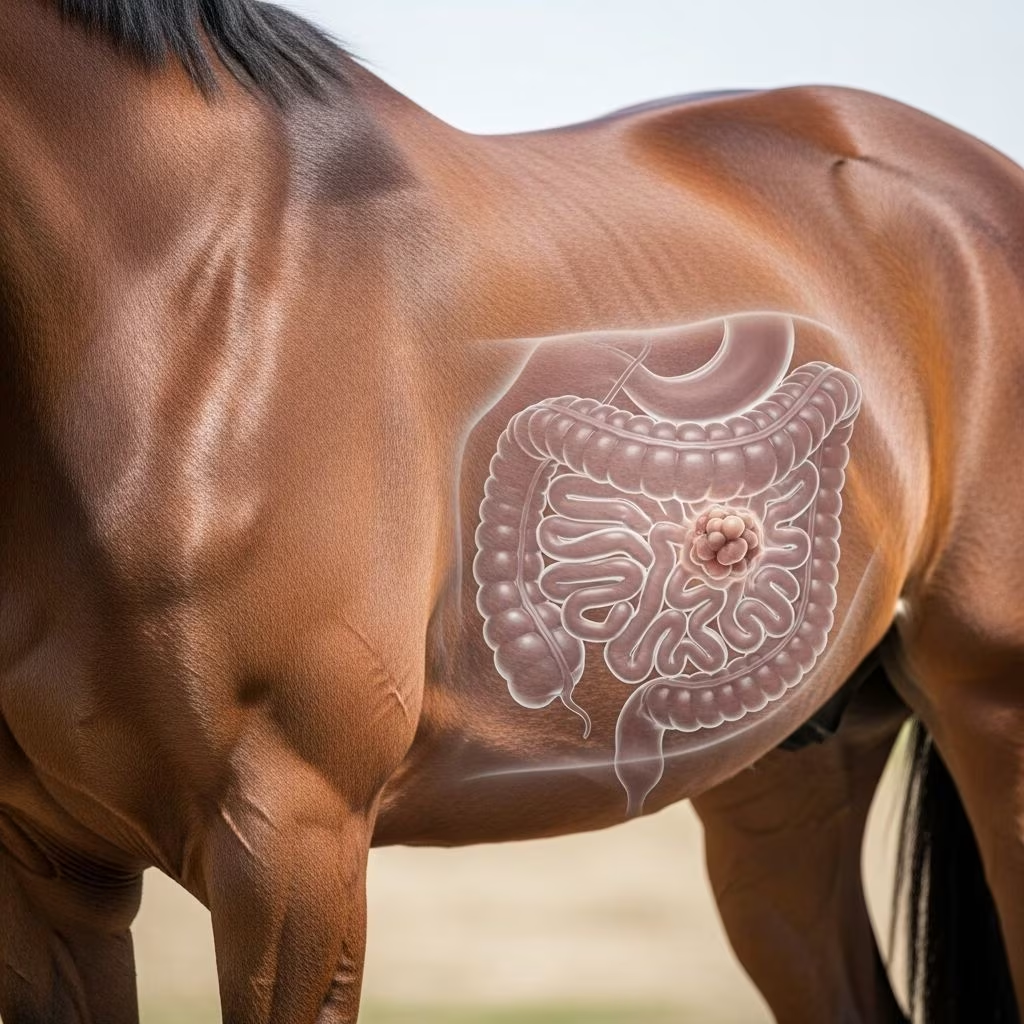
Gastrointestinal neoplasia, or tumors in the horse’s digestive tract, represents a rare yet serious health concern in equine medicine. These abnormal growths can disrupt normal gut function, leading to chronic issues or acute emergencies. While uncommon, they demand prompt recognition due to their potential for rapid progression and poor outcomes.
Understanding the Rarity and Impact of Equine GI Cancers
Horses rarely develop cancers within their gastrointestinal system compared to other species. Studies indicate that these tumors account for a small fraction of all equine neoplasms, often discovered incidentally during investigations for unrelated colic or weight loss. The digestive tract’s length and complexity make it a challenging site for tumor development, yet when they occur, they frequently involve the small intestine, stomach, or mesentery.
The impact is profound because the equine gut is vital for nutrient absorption and overall vitality. Tumors can obstruct passage, cause inflammation, or infiltrate surrounding tissues, mimicking common conditions like impactions or enteritis. Early detection is key, but nonspecific symptoms often delay diagnosis until the disease advances.
Common Types of Tumors Affecting the Horse Gut
- Lipomas: Benign fatty tumors, often pedunculated, that arise from mesenteric tissues. They pose risks by twisting around intestines, causing strangulation.
- Lymphoma: A malignant lymphoid cancer that infiltrates intestinal walls, leading to thickening and dysfunction. Intestinal forms are prevalent.
- Adenocarcinomas: Glandular cancers primarily in the stomach or small intestine, known for aggressive local invasion.
- Leiomyomas and Leiomyosarcomas: Smooth muscle tumors, either benign or malignant, commonly found in the small intestine.
- Other rare forms: Including squamous cell carcinomas in the stomach and melanomas with GI involvement.
Lipomas are notably frequent in older mares, particularly overweight Quarter Horses, while lymphoma affects a broader age range without strong breed predispositions.
| Tumor Type | Common Location | Benign/Malignant | Predisposed Groups |
|---|---|---|---|
| Lipoma | Mesentery/Small Intestine | Benign | Older broodmares, ponies |
| Lymphoma | Intestines, Mesentery | Malignant | Any age/breed |
| Adenocarcinoma | Stomach/Small Intestine | Malignant | Older horses |
| Leiomyoma | Small Intestine | Benign | Middle-aged geldings |
Recognizing Clinical Signs of Intestinal Neoplasia
Symptoms of gut tumors in horses are often vague, overlapping with more common ailments like colic or parasitism. Owners might notice progressive weight loss despite normal appetite, intermittent mild colic, or reduced performance. In advanced cases, diarrhea, edema, or ventral abdominal distension appear.
Acute presentations occur with strangulating lipomas, mimicking severe colic: intense pain, sweating, pawing, and lying down frequently. Chronic lymphoma may cause anorexia, fever, and poor coat quality. Esophageal or gastric tumors can lead to choke-like episodes or reflux, complicating feeding.
- Weight loss and muscle wasting
- Recurrent colic episodes
- Diarrhea or soft feces
- Lethargy and depression
- Peripheral edema (legs, ventral abdomen)
These signs escalate based on tumor location and size, underscoring the need for thorough veterinary evaluation.
Diagnostic Approaches for Suspected GI Tumors
Diagnosing gastrointestinal neoplasia requires a multimodal strategy due to nonspecific signs. Initial steps include a complete physical exam, bloodwork for anemia, hypoalbuminemia, or elevated globulins, and fecal analysis to rule out parasites.
Ultrasonography reveals intestinal wall thickening, masses, or free fluid. Rectal palpation may detect enlarged mesenteric lymph nodes or firm tumors. Abdominocentesis provides fluid for cytology if effusion is present.
For confirmation, exploratory laparotomy offers direct visualization and biopsy. Endoscopy visualizes gastric or upper small intestinal lesions, while advanced imaging like CT scans is emerging in referral centers. Biopsies, though challenging antemortem, are crucial for typing the tumor.
- History and clinical exam
- Hematology and serum biochemistry
- Abdominal ultrasound and rectal exam
- Fluid analysis (peritoneal, gastric)
- Biopsy via surgery or endoscopy
Challenges include lesion accessibility and risks of invasive procedures in compromised horses.
Treatment Strategies for Equine Gut Neoplasia
Treatment hinges on tumor type, location, and metastasis. Benign, focal lipomas or leiomyomas may be surgically resected with anastomosis if strangulation occurs. Success rates are higher for non-invasive growths.
Malignant tumors like lymphoma or adenocarcinoma have limited options. Surgery debulks masses but rarely cures due to spread. Chemotherapy protocols are experimental, with some lymphoma cases responding to drugs like lomustine or corticosteroids. Radiation and immunotherapy remain largely unexplored in horses.
Palliative care focuses on pain relief (NSAIDs, opioids), nutritional support, and fluid therapy. Owners must weigh quality-of-life factors.
Prognosis and Long-Term Outlook
Overall prognosis for GI neoplasia is guarded to poor. Benign tumors like pedunculated lipomas carry fair outcomes post-surgery, with survival exceeding years if uncomplicated. Malignant cases, especially adenocarcinoma, often progress rapidly, with survival under six months.
Lymphoma varies: cutaneous forms fare better, but intestinal types average four months post-diagnosis. Factors influencing outlook include early detection, resectability, and owner commitment to advanced care.
Preventive Measures and Owner Awareness
No proven preventives exist, but monitoring older horses for weight changes, maintaining dental health, and deworming protocols aid early detection. Regular vet checks for at-risk breeds (e.g., ponies, Quarter Horses) are advisable.
Educating owners on colic red flags and seeking referral for persistent symptoms can improve outcomes.
Frequently Asked Questions (FAQs)
What causes gut tumors in horses?
Exact causes are unknown, but genetics, age, and chronic inflammation may contribute. No strong environmental links established.
Can surgery cure intestinal cancer in horses?
Possibly for benign, localized tumors like lipomas; malignant ones often recur or metastasize.
How is lymphoma diagnosed in a horse’s gut?
Through ultrasound, biopsy, and cytology; exploratory surgery often confirms.
Is chemotherapy safe for horses with GI tumors?
Emerging protocols show promise for lymphoma, but side effects and availability limit use.
What is the survival rate for horses with lipomas?
High if surgically addressed before strangulation; many live years post-op.
Recent Advances in Equine Oncology
Research progresses with targeted therapies and better imaging. Studies emphasize multidisciplinary approaches at referral hospitals, improving select cases’ management.
References
- Equine Colic and GI Diseases — University of Florida College of Veterinary Medicine. 2011. https://lacs.vetmed.ufl.edu/files/2011/12/Equine-Colic-and-GI-Diseases.pdf
- Intestinal Neoplasia in Horses — Succeed Veterinary. 2023. https://succeed-vet.com/educational-resources/disease-library/intestinal-neoplasia/
- Equine Gastrointestinal Neoplasia — Mad Barn Research Bank. 2024. https://madbarn.com/research/equine-gastrointestinal-neoplasia/
- Lymphoma in Horses — Vetster. 2025. https://vetster.com/en/conditions/horse/lymphoma
- Equine Gastrointestinal Neoplasia — PubMed (DOI-linked study). 2024-08-15. https://pubmed.ncbi.nlm.nih.gov/39155163/



