
Gut Microbiota’s Role in Animal Immunity
Discover how intestinal microbes shape immune defenses in animals, from maturation to disease resistance.
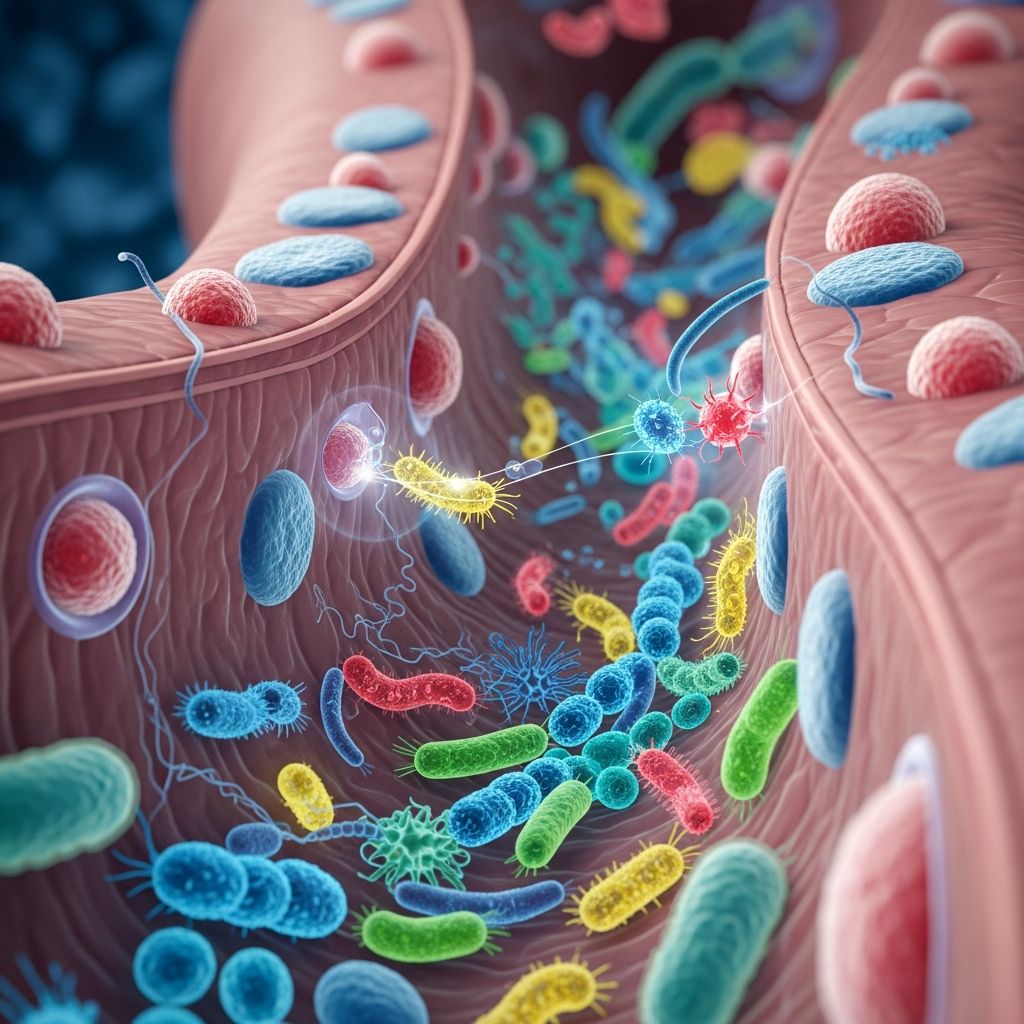
The intestinal tract of animals hosts a vast community of microorganisms known as the gut microbiota, which plays a pivotal role in shaping and maintaining the immune system. This dynamic ecosystem influences everything from immune cell development to responses against pathogens, ensuring a balanced state of health.
Establishing the Foundation: Microbiota and Immune Development
From birth, animals rely on microbial colonization to mature their immune systems. In germ-free models, such as mice raised without microbes, immune structures like lymphoid tissues fail to develop properly, leading to underdeveloped epithelia and impaired defenses. Conventional animals, exposed to a diverse microbiota, exhibit robust immune maturation, underscoring the microbiota’s indispensable role.
Early-life colonization triggers the expansion of innate immune cells and cytokine production, such as interleukin-22 (IL-22), which supports epithelial integrity. This process is host-specific, with diet influencing microbial composition and, in turn, immune readiness.
Maintaining Peace: Mechanisms of Immune Tolerance
Immune tolerance prevents overreactions to harmless gut residents while allowing vigilance against threats. Regulatory T cells (Tregs) are central, promoted by microbial metabolites that dampen inflammation and fortify barriers.
Commensal bacteria, like certain Bacteroides species, produce signals that activate Tregs, fostering a symbiotic harmony. Disruptions, such as antibiotic use, can tip this balance, heightening risks of autoimmunity or chronic inflammation.
Biochemical Messengers: Metabolites from the Gut
Gut microbes ferment dietary fibers into short-chain fatty acids (SCFAs) like butyrate, acetate, and propionate. These compounds cross into circulation, modulating immune functions systemically.
- Butyrate: Enhances mucus production and antimicrobial peptides, supporting barrier function.
- Propionate: Drives Treg differentiation, curbing excessive responses.
- Acetate: Influences innate lymphoid cells, promoting IL-22 for pathogen defense.
Indole derivatives from tryptophan metabolism also contribute, fine-tuning inflammation and tolerance.
Beyond the Gut: Systemic Immune Influences
The gut-immune axis extends to distant sites. SCFAs protect against respiratory viruses like influenza by altering T cell profiles. In autoimmune models, microbiota depletion prevents central nervous system inflammation, revealing causal links.
Pattern recognition receptors, such as Toll-like receptors (TLRs), sense microbial products like LPS, priming dendritic and T cells for broader immunity.
Species-Specific Dynamics in Animals
Across species, microbiota-immune interactions vary. In koalas, age-related shifts in gut composition correlate with immune changes, informing captive management. Calves and piglets benefit from probiotics enhancing diversity and morphology, boosting resistance.
Wild vertebrates, like barn swallows, show antigen challenges reshaping microbiota, which predicts response strength. These insights highlight tailored approaches for livestock and wildlife.
Disruptions and Pathological Consequences
Dysbiosis—imbalanced microbiota—links to diseases. In rheumatoid arthritis models, microbial signals drive T cell activation via TLRs. Viral loads in infections like HIV inversely correlate with beneficial taxa like Lactobacillales.
| Condition | Microbiota Role | Key Mechanism |
|---|---|---|
| Autoimmunity (e.g., EAE) | Permissive | TLR activation, T cell differentiation |
| Inflammatory Bowel Disease | Trigger | Reduced SCFAs, barrier breach |
| Viral Infections | Protective | SCFA-modulated T cells |
| Vaccine Response | Modulatory | Diet-microbe interactions |
Therapeutic Horizons: Modulating the Microbiota
Probiotics, prebiotics, and synbiotics offer promise. Probiotic-rich diets in ruminants improve immunity and reduce antibiotics. Immunostimulants activate responses, while vaccines target resistant pathogens.
Defined microbiota transplants in gnotobiotic animals demonstrate causality, paving ways for precision interventions.
Age and Environmental Factors
Immune maturation hinges on timely colonization. Neonatal diets shape fermentation, metabolite profiles, and responsiveness. In aging animals, microbiota shifts may weaken defenses, as seen in koalas.
FAQs
What is the gut microbiota?
The community of trillions of microbes in the intestines that aids digestion, produces vitamins, and regulates immunity.
How does microbiota affect animal vaccines?
Cage-mate transfers show ‘favorable’ microbiota enhance responses, influenced by diet.
Can antibiotics harm gut-immune balance?
Yes, they disrupt microbiota, impairing tolerance and increasing disease susceptibility.
Are SCFAs beneficial for all animals?
Generally yes, promoting barrier integrity and anti-inflammatory cells across species.
How to support healthy microbiota in livestock?
Use pro/prebiotics, diverse fibers, and minimize unnecessary antibiotics.
Practical Applications in Veterinary Practice
Veterinarians can leverage microbiota knowledge for prophylaxis. Early probiotics in neonates prevent dysbiosis; fecal analyses guide therapies. In wildlife conservation, understanding axes aids rehabilitation.
Future research targets microbiome editing via CRISPR or engineered commensals for tailored immunity.
References
- The Role of Intestinal Microbiota and Immune System Interactions — PMC. 2024. https://pmc.ncbi.nlm.nih.gov/articles/PMC12666415/
- The Mammalian Gut Microbiome, Immune Responses and Disease — Scientific Archives. 2023. https://www.scientificarchives.com/article/the-mammalian-gut-microbiome-immune-responses-and-disease-from-observational-to-causal-relationships
- Improving animal health with gut microbiome therapeutics — CAS Insights. 2024. https://www.cas.org/resources/cas-insights/animal-gut-health
- The gut microbiota-immune-brain axis in a wild vertebrate — Frontiers in Microbiology. 2024-07-01. https://www.frontiersin.org/journals/microbiology/articles/10.3389/fmicb.2024.1413976/full
- The Interplay between the Gut Microbiome and the Immune System — PMC. 2021. https://pmc.ncbi.nlm.nih.gov/articles/PMC8001875/
- Animal Age Affects the Gut Microbiota and Immune System in Koalas — ASM Journals. 2022. https://journals.asm.org/doi/10.1128/spectrum.04101-22
Similar Articles








Read full bio of Sneha Tete


