
Gut Issues In Pet Birds: Signs, Causes, And Care
Recognize, treat, and prevent common digestive problems in pet birds to keep your feathered friends thriving and healthy.
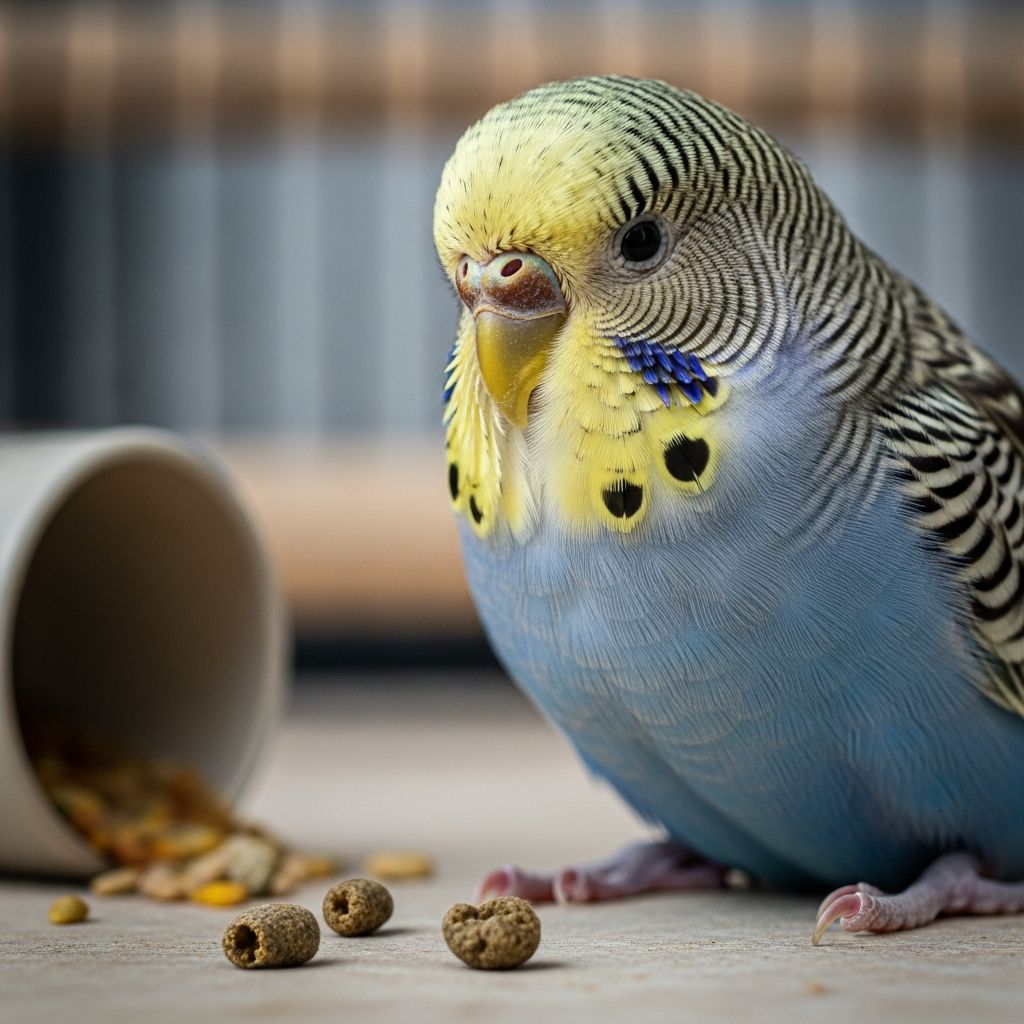
Pet birds rely on efficient digestion to maintain vitality, but various disorders can disrupt this process, leading to serious health declines. Understanding these conditions helps owners intervene early, potentially saving lives since birds mask illness until advanced stages.
Recognizing Trouble in Your Bird’s Digestive System
Birds exhibit subtle signs of digestive distress, often only noticeable upon close observation. Key indicators include undigested seeds in droppings, which signal poor breakdown in the stomach. Regurgitation differs from normal courtship behavior by being persistent and accompanied by distress, while chronic weight loss despite normal or increased eating points to malabsorption.
Other red flags are abnormal droppings—watery, discolored, or bloody—along with lethargy, ruffled feathers, and crop swelling. Appetite changes, from voracious eating to refusal, warrant immediate attention, as do white patches in the mouth or throat. Prompt recognition prevents rapid deterioration common in avian species.
Common Pathogens Disrupting Bird Digestion
Yeast Overgrowth: Candidiasis and Gastric Yeast
Candidiasis, or thrush, arises when Candida albicans yeast proliferates in the crop or mouth, especially in young, stressed, or antibiotic-treated birds. Symptoms feature white lesions, regurgitation, and crop distension with mucus. Treatment involves antifungal agents like nystatin or systemic options such as fluconazole for severe cases, paired with hygiene to curb spread.
Avian gastric yeast (Macrorhabdus ornithogaster) targets the proventriculus, causing weight loss, undigested food in feces, and variable appetite. This condition, prevalent in immunocompromised birds, demands antifungal therapy like amphotericin B for 30 days, probiotics, and acidified water to restore balance. Mortality can hit 80% without intervention.
Bacterial and Parasitic Invaders
Bacteria like those causing bacterial enteritis lead to diarrhea and dehydration, often from contaminated food or water. Parasites, including roundworms and Capillaria, infest ground-foragers, transmitted via infected insects or droppings. Symptoms encompass straining, bloody stools, and weight loss; routine deworming every three months is advised.
Trichomoniasis and other oral parasites create lesions mimicking vitamin deficiencies, treatable with targeted antiparasitics under veterinary guidance.
Structural and Neurological Digestive Challenges
Proventricular Dilation Disease (PDD)
PDD, or Macaw Wasting Disease, stems from viral nerve damage, dilating the proventriculus and impairing contractions. Psittacines like macaws and cockatoos suffer chronic wasting, regurgitation, and undigested seeds in droppings. Fatal in most cases, management offers supportive anti-inflammatories, but euthanasia often becomes necessary; quarantine prevents fecal-oral spread.
Crop Stasis and Foreign Bodies
Delayed crop emptying, or sour crop, results from infections, poor diet, or obstructions, causing regurgitation and foul breath. Foreign objects like substrate or toys lodge here, requiring flushing or surgery. Goiters from iodine lack swell the throat, hindering swallowing and leading to vomiting.
Nutritional Imbalances and Their Gut Impact
Seed-only diets foster fatty liver disease and hypovitaminosis A, thickening gut linings and sloughing protective layers. This ‘going light’ syndrome in small parrots elevates ventriculus pH, inviting secondary infections. Correct with balanced pellets, veggies, and parenteral vitamin A injections alongside dietary shifts.
| Deficiency | Symptoms | Treatment |
|---|---|---|
| Iodine | Goiter, voice change, weight loss | Iodine supplements, diet correction |
| Vitamin A | Oral lesions, poor digestion | Injections, fresh produce |
| Balanced diet lack | Weight loss, undigested food | Pelleted food transition |
Diagnosis: Veterinary Tools for Accurate Assessment
Vets employ fecal exams for parasites and yeast, crop washes for gastric yeast, and radiographs for PDD or obstructions. Endoscopy visualizes papillomas—wart-like growths causing obstruction, bleeding, or prolapse-like vent issues. Bloodwork rules out systemic involvement, while biopsies confirm viral diseases like PDD.
Treatment Strategies: From Meds to Supportive Care
Antifungals dominate yeast cases: topical chlorhexidine or nystatin for mild crop thrush; systemic azoles for deeper infections. Parasite control uses safe dewormers, avoiding water medication to ensure intake. PDD lacks cures but benefits from hygiene and nutrition.
Supportive nursing isolates sick birds for monitoring, provides warmth (85-90°F), and offers hand-fed fluids or slurries. Avoid stress; injectable or oral meds bypass taste issues. Homeopathics may ease minor diarrhea but consult vets first.
Prevention: Building a Resilient Bird Environment
- Clean cages, dishes, and perches daily to block pathogen buildup.
- Feed species-specific pellets (70-80% diet), supplementing sparingly with seeds, fruits, and veggies.
- Minimize stress via stable routines, proper lighting (10-12 hours), and social interaction.
- Quarantine new birds 30-45 days; deworm foragers quarterly.
- Avoid antibiotics unless essential, preserving gut flora.
When to Rush to the Avian Vet
Act fast on persistent regurgitation, bloody/watery droppings >24 hours, or sudden weight loss. Abdominal distension, open-mouth breathing, or prolapse signals emergency. Early vet visits boost survival odds dramatically.
FAQs on Pet Bird Gut Health
What causes green droppings in birds?
Excess bile from fasting or liver issues; diet with dyes can mimic. Vet fecal check needed.
Can birds recover from PDD?
Rarely; supportive care extends life but doesn’t cure.
Is yogurt safe for bird diarrhea?
No—lactose intolerant. Use vet probiotics instead.
How to empty a sour crop at home?
Don’t; risk aspiration. Vet massage/flush safer.
Prevent yeast in hand-fed chicks?
Frequent crops, hygiene, avoid overfeeding.
Long-Term Management for Chronic Cases
Birds recovering from gut issues need monitored weights weekly, fecal cultures periodically, and diet tweaks. Probiotics maintain flora post-antibiotics. Annual avian vet exams catch recurrences early.
References
- Digestive Disorders of Pet Birds — Merck Veterinary Manual. 2023. https://www.merckvetmanual.com/bird-owners/disorders-and-diseases-of-birds/digestive-disorders-of-pet-birds
- Digestive Problems in Birds: Symptoms, Causes & Treatment — Pets4Homes. 2023. https://www.pets4homes.co.uk/pet-advice/digestive-problems-in-birds.html
- Avian gastrointestinal anatomy and diseases (Proceedings) — dvm360. 2023. https://www.dvm360.com/view/avian-gastrointestinal-anatomy-and-diseases-proceedings
- Nursing Care for Sick Pet Birds — VCA Animal Hospitals. 2023. https://vcahospitals.com/know-your-pet/nursing-care-for-sick-pet-birds
- Sick Bird Care & Conditions — Little Critters Veterinary Clinic. 2023. https://www.littlecrittersvet.com/sick-birds.pml
Similar Articles








Read full bio of medha deb


