

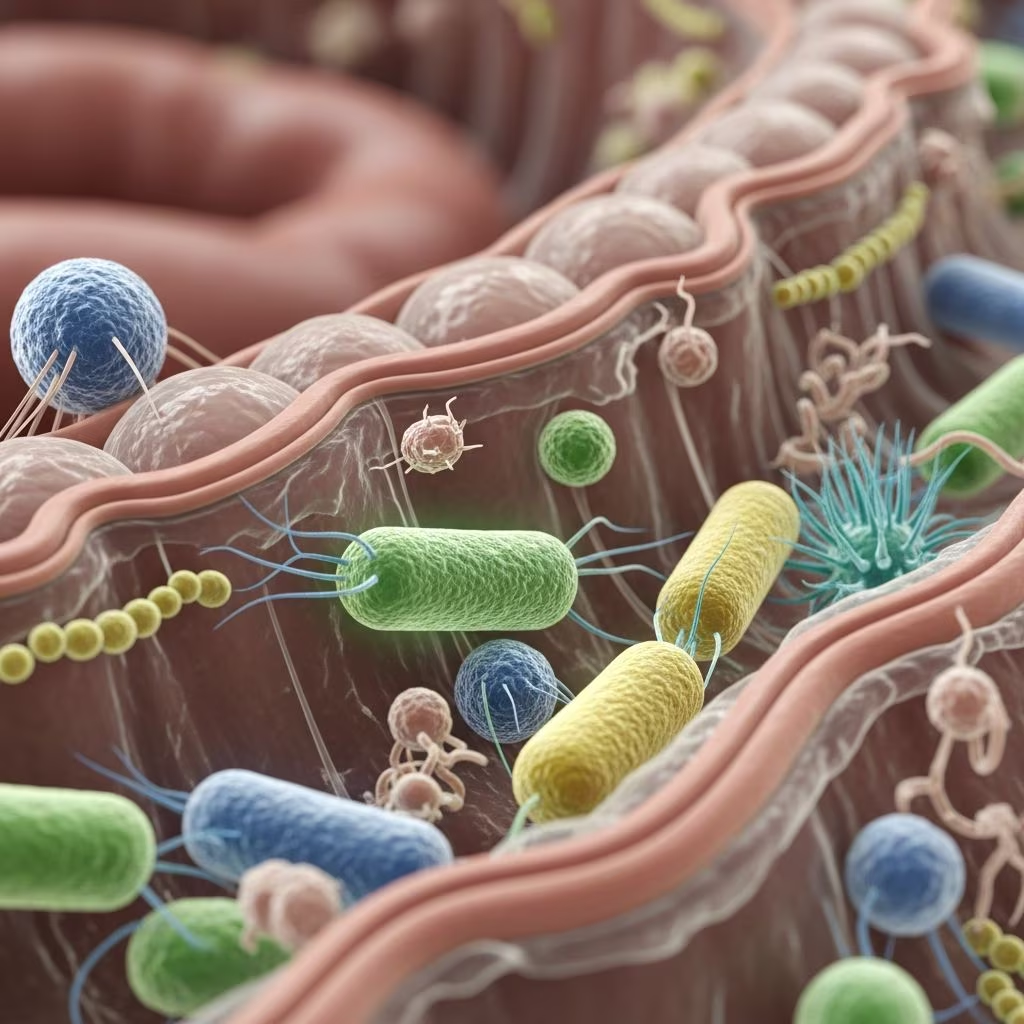
Understanding Animal Intestinal Microbiota and Its Crucial Functions
The intestinal microbiota represents a complex ecosystem of microorganisms that play fundamental roles in animal health and physiology. These microbial communities substantially enhance energy extraction from food sources, provide essential vitamins and minerals that animals cannot synthesize independently, and generate signals that regulate optimal immune function. The composition and diversity of these microbial populations directly influence overall animal wellness, affecting everything from nutrient absorption to disease resistance.
When the balance of intestinal microorganisms becomes disrupted—a condition known as dysbiosis—animals experience significant health consequences. Dysbiosis represents an imbalance in the normal microbial community structure, often characterized by a reduction in beneficial bacteria and an overgrowth of potentially harmful species. This disruption particularly manifests in digestive disorders, where dysbiosis frequently co-occurs with gastrointestinal diseases across both canine and feline populations.
Recognizing Dysbiosis and Its Health Implications
Intestinal dysbiosis emerges as a critical factor in various animal health conditions, ranging from acute digestive disturbances to chronic gastrointestinal complications. Both acute and chronic gastrointestinal diseases substantially modify the microbial composition within animal gut systems. Conditions such as acute uncomplicated diarrhea and acute hemorrhagic diarrheal syndrome produce measurable changes in microbial populations, typically reducing beneficial bacteria that produce short-chain fatty acids while increasing pathogenic species like E. coli.
Certain therapeutic interventions and dietary approaches can trigger dysbiosis development. Antibiotic treatment, while necessary for bacterial infections, significantly disrupts normal microbial balance by eliminating beneficial bacteria alongside targeted pathogens. Additionally, chronic enteropathies and conditions requiring specialized medical management frequently result in reduced microbial diversity and altered bacterial composition.
Nutritional Strategies for Microbiota Modification
Dietary intervention represents one of the most fundamental and accessible approaches to modifying intestinal microbiota composition in animals. Strategic nutritional adjustments can meaningfully influence microbial populations, promoting beneficial bacteria while reducing pathogenic organisms.
Fiber and Prebiotic Integration
Dietary fiber and prebiotic substances function as selective nutrients that preferentially feed beneficial microorganisms. Research demonstrates that administering prebiotics and fiber-rich diets can effectively manipulate the gastrointestinal microbiota composition in animals. These compounds pass through the upper digestive tract largely undigested, reaching the colon where they serve as food sources for beneficial bacteria. This selective feeding promotes the growth of health-promoting microbial species while simultaneously reducing populations of potentially harmful organisms.
Nutrient-Specific Dietary Approaches
Emerging evidence suggests that specific nutrient profiles can significantly influence microbial composition. The concept of nutrigenetics—tailoring nutrition based on individual genetic profiles and microbiome interactions—represents an advancing frontier in animal nutrition. This personalized approach considers how specific animals process nutrients differently, enabling more targeted dietary interventions that optimize microbiota composition based on individual metabolic characteristics.
Probiotic Therapies: Living Beneficial Microorganisms
Probiotics represent live beneficial microorganisms administered specifically to improve intestinal health and modify microbial populations. These preparations contain strains carefully selected for their ability to promote health, enhance immune function, and restore dysbiotic communities. The scientific interest in probiotic therapies has intensified substantially over the past decade, with growing recognition of their potential therapeutic applications across various animal species.
Probiotic Efficacy and Strain-Specific Effects
The effectiveness of probiotic therapy depends heavily on strain-specific characteristics. Different bacterial strains produce varying effects on the intestinal environment and immune response. While in vitro laboratory studies frequently demonstrate promising probiotic effects, translating these results into consistent in vivo clinical outcomes presents ongoing challenges. Many probiotic preparations that showed excellent laboratory performance failed to produce comparable clinical improvements when administered to animals with gastrointestinal conditions.
Recent advances in probiotic science have identified specific bacterial strains with documented health benefits. Novel advanced microbiome-derived probiotics containing strains such as Peptacetobacter hiranonis, Megamonas funiformis, and Enterococcus faecium—originally isolated from healthy animal feces—show promising results in restoring microbial balance and improving clinical outcomes in animals experiencing diarrhea.
Dosage and Application Considerations
Optimal probiotic dosage and application protocols remain incompletely characterized for most animal species and conditions. Specific gastrointestinal diseases and conditions where probiotics provide maximal benefit have not been extensively assessed, highlighting the need for more targeted clinical research. Veterinarians must exercise evidence-based clinical judgment when recommending probiotic products, considering the specific condition being treated and the available scientific evidence supporting particular strains.
Synbiotics: Combining Probiotics with Prebiotics
Synbiotics represent combinations of probiotics and prebiotics working synergistically to modify intestinal microbiota. This combined approach simultaneously introduces beneficial microorganisms while providing the nutritional substrate these organisms require for establishment and proliferation. The theoretical advantage of synbiotics lies in creating optimal conditions for both the introduced bacteria and indigenous beneficial populations.
Fecal Microbiota Transplantation: Advanced Microbiota Restoration
Fecal microbiota transplantation (FMT) represents an innovative frontier in animal gastrointestinal therapy. This procedure involves transferring fecal material from a healthy donor animal into the gastrointestinal tract of a recipient animal experiencing dysbiosis. The fundamental objective centers on reconstructing and rebalancing the recipient’s microbial community by introducing a comprehensive array of beneficial microorganisms from a verified healthy source.
FMT Administration Methods
Multiple delivery routes enable FMT administration, each offering distinct advantages depending on the animal species and clinical circumstances:
- Nasogastric or nasojejunal tube placement, allowing direct deposit of fecal material into the stomach or small intestine
- Duodenoscopic delivery, enabling visualization and precise placement within the small intestine
- Colonoscopic administration, reaching the large intestine through the rectum
- Enema administration, introducing fecal material through the rectum
- Peroral capsule formulations, offering non-invasive oral administration
FMT Applications Across Animal Species
FMT demonstrates therapeutic promise across both companion and livestock species. In companion animals, FMT shows effectiveness in treating antibiotic-associated diarrhea, chronic diarrheal conditions, and inflammatory bowel disease, with significant clinical symptom improvement and microbiota restoration. In livestock applications, FMT has been explored in ruminants including calves and dairy cows for managing diarrhea, improving udder health, and enhancing milk quality in subclinical mastitis cases. Young pigs receiving FMT demonstrate reduced post-weaning diarrhea, enhanced weight gain, and improved microbial composition.
Historical Perspective and Natural Precedent
The concept of fecal material transfer is not novel in veterinary medicine. Numerous animal species naturally engage in coprophagy—consuming their own feces—a behavior that improves nutrient absorption, strengthens gastrointestinal function, and promotes resistance to pathogenic colonization. FMT essentially applies this natural principle through deliberate, controlled therapeutic administration.
Immunomodulatory Approaches to Microbiota Management
Beyond direct microbiota modification, enhancing animal immune systems through immunomodulatory strategies offers powerful alternatives to antimicrobial approaches. These methods strengthen natural disease resistance and reduce reliance on antibiotics.
Immune Support Through Microbial Compounds
Probiotics, prebiotics, postbiotics, and synbiotics work collectively to support healthy gut microbiomes and strengthen resistance to harmful pathogens. These biotherapeutic approaches foster immune system activation and development of robust defense mechanisms against infectious agents.
Immunostimulant Strategies
Immunostimulants directly activate and strengthen immune responses, further reducing dependence on traditional antimicrobials. Targeted vaccination programs provide proactive protection against resistant pathogens, contributing to comprehensive herd health and disease management strategies.
Specialized Bacterial Functions in Gut Health
Specific bacterial species and their metabolic byproducts play crucial roles in maintaining gastrointestinal health. Beneficial bacteria produce short-chain fatty acids through fermentation processes, supporting intestinal epithelial health and providing energy for intestinal cells. Additionally, certain bacteria influence bile acid metabolism through connections to the farnesoid X receptor, helping maintain normal glucose concentrations.
Some bacterial species possess antimicrobial properties against pathogens. For example, certain bacteria prevent Clostridium difficile spores from germinating, protecting animals against this serious pathogenic infection. Conversely, dysbiosis-associated increases in primary bile acids create conditions favoring pathogenic spore germination, increasing disease risk.
Evaluating Microbiota Status and Treatment Response
Diagnostic tools enable assessment of microbiota composition and dysbiosis severity. The dysbiosis index quantifies imbalances in microbial communities, helping veterinarians identify unhealthy microbiota and track changes in response to therapeutic interventions including FMT. This objective measurement facilitates evidence-based treatment decisions and enables monitoring of therapeutic efficacy over time.
Emerging Therapeutic Applications
Environmental Health Integration
Microbiome-focused treatments may simultaneously improve animal health and environmental sustainability. Research demonstrates that certain gut bacteria possess the capacity to absorb and eliminate per- and polyfluoroalkyl substances (PFAS)—persistent environmental pollutants. In experimental models, these microbes reduced systemic PFAS accumulation by up to 75%, suggesting promising applications for detoxification strategies in animals exposed to environmental contaminants.
Treatment Selection and Clinical Decision-Making
Choosing appropriate microbiota modification strategies requires careful consideration of individual animal circumstances, specific diagnoses, available evidence, and practical feasibility. Common initial approaches include dietary modification, antibiotic therapy when necessary, and probiotic supplementation, often initiated based on clinical presentation and suspected diagnoses. However, more targeted approaches using strain-specific probiotics or FMT may provide superior outcomes for specific conditions.
Future Directions in Animal Microbiota Management
Advancing animal health through microbiome science requires continued development across multiple domains:
- Simplification of genetic screening processes to identify optimal nutrient and probiotic profiles for individual animals
- Development of scalable feeding models integrating microbiome interactions with nutritional science
- Expansion of research to include underrepresented animal species beyond traditional livestock and companion animals
- Establishment of clear regulatory frameworks governing probiotic products and FMT procedures
- Translation of promising laboratory findings into consistent clinical outcomes through rigorous animal trials
Frequently Asked Questions
What causes intestinal dysbiosis in animals?
Dysbiosis develops through multiple mechanisms including antibiotic treatment, acute and chronic gastrointestinal diseases, dietary changes, and conditions like chronic enteropathies. Any factor substantially disrupting normal microbial balance can contribute to dysbiosis development.
How long does probiotic therapy typically require before showing results?
Response timelines vary considerably based on the specific condition, probiotic strain, individual animal factors, and treatment duration. While some animals show improvement within days, comprehensive microbiota restoration may require weeks or months of consistent probiotic administration.
Is FMT safe for all animal species?
FMT safety depends on proper donor screening, appropriate recipient selection, and sterile administration techniques. While successfully applied in veterinary medicine for numerous species, FMT remains non-standard in small animal practice, requiring veterinary expertise and careful clinical judgment.
Can dietary changes alone restore dysbiotic microbiota?
Dietary modifications can meaningfully influence microbiota composition through fiber and prebiotic integration. However, severe dysbiosis or specific conditions may require combined interventions including probiotics, prebiotics, or advanced therapies like FMT for optimal restoration.
What should producers consider when implementing microbiota therapies?
Successful integration of microbiota-focused treatments requires consideration of individual animal genetics, current health status, available evidence for specific interventions, regulatory requirements, and practical implementation feasibility within existing management systems.
References
- Faecal Microbiota Transplantation as a New Frontier — Biomedical Research. Accessed February 2026. https://biomedres.us/fulltexts/BJSTR.MS.ID.009069.php
- Improving animal health with gut microbiome therapeutics — Chemical Abstracts Service (CAS). 2025. https://www.cas.org/resources/cas-insights/animal-gut-health
- Understanding the canine intestinal microbiota and its modification — PubMed Central (PMC). 2017. https://pmc.ncbi.nlm.nih.gov/articles/PMC5645859/
- Probiotics and the canine microbiota: evidence-based considerations — Veterinary Medicine and Science, Wiley Online Library. 2017. https://onlinelibrary.wiley.com/doi/abs/10.1002/vms3.17
- Pilot study evaluating tolerability and changes in fecal microbiota in dogs with diarrhea during administration of advanced microbiome-derived probiotic — Frontiers in Veterinary Science. 2025. https://www.frontiersin.org/journals/veterinary-science/articles/10.3389/fvets.2025.1720932/full
- Role of the Intestinal Microbiota in Animals — Merck Veterinary Manual. https://www.msdvetmanual.com/immune-system/the-biology-of-the-immune-system/role-of-the-intestinal-microbiota-in-animals



