
Poultry Gut Health: Practical Strategies For Enteric Disease
Exploring complex intestinal disorders affecting chickens and turkeys, their triggers, impacts, and proven management strategies for optimal flock performance.
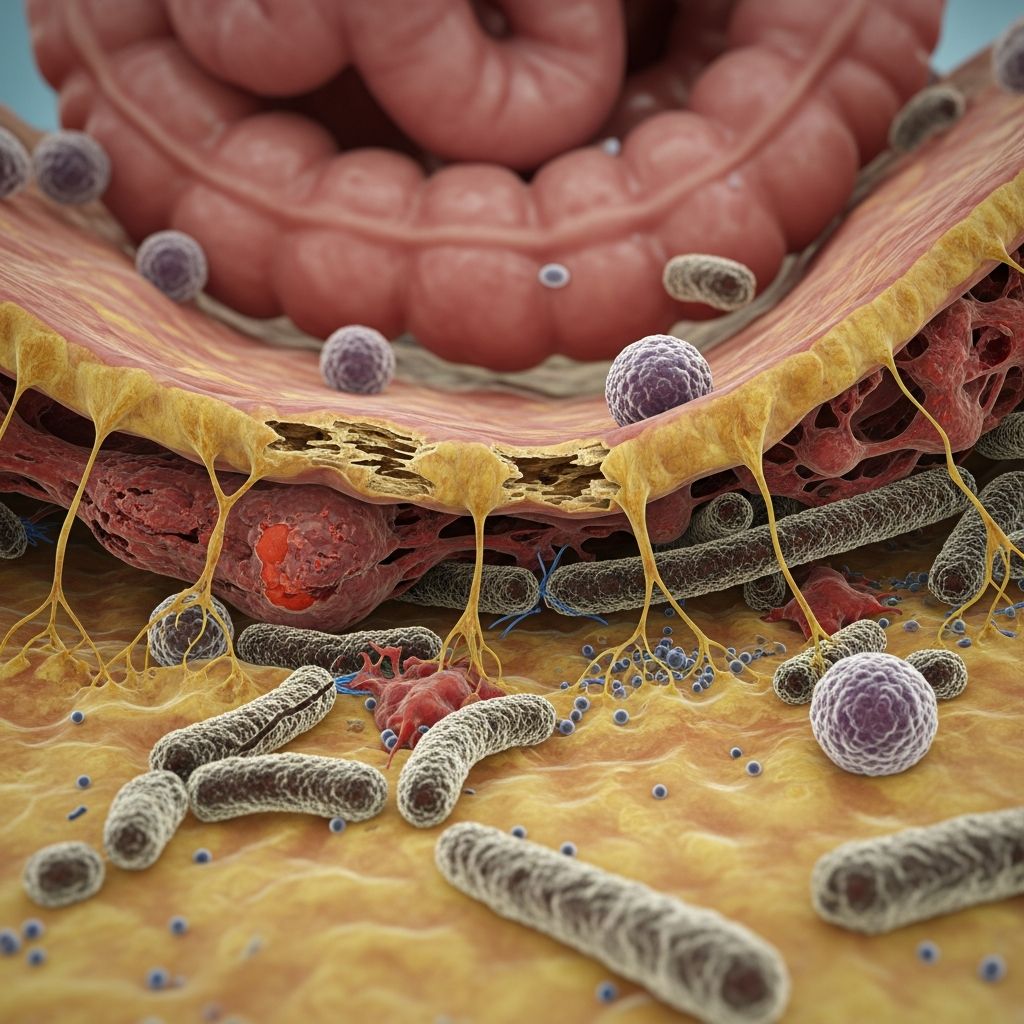
Intestinal disorders represent a major challenge in modern poultry production, leading to substantial economic losses through reduced growth rates, higher feed costs, and increased mortality. These conditions, often involving multiple contributing factors, disrupt nutrient absorption and overall bird vitality. This article examines the primary types of enteric problems in chickens and turkeys, focusing on their origins, manifestations, and practical control measures.
Understanding the Scope of Poultry Intestinal Disorders
Poultry enteric diseases encompass a spectrum of conditions that impair digestive function.
Multicausal enteric disease
, also known as malabsorption or stunting syndrome, primarily affects young birds and results in poor weight gain, uneven pigmentation, and suboptimal feathering. In contrast,necrotic enteritis
is an acute bacterial infection causing rapid tissue death in the gut, with mortality rates reaching up to 50% in severe outbreaks.These issues are prevalent in intensive farming systems where high stocking densities and uniform diets can exacerbate vulnerabilities. Young broilers aged 2-5 weeks and turkey poults aged 7-12 weeks are particularly susceptible, though layers and backyard flocks can also be impacted.
Primary Causes and Risk Factors
Enteric diseases in poultry arise from a combination of infectious agents, nutritional imbalances, and environmental stressors. Viruses such as rotaviruses, astroviruses, reoviruses, and parvoviruses are frequently implicated in multicausal syndromes, often transmitted vertically from hens to chicks or via fecal-oral routes post-hatching.
Bacteria play a pivotal role, especially in necrotic enteritis, where Clostridium perfringens types A and C proliferate excessively. This gram-positive, spore-forming anaerobe thrives in disrupted gut microbiomes, producing toxins that damage the jejunum and ileum. Predisposing factors include prior coccidiosis from Eimeria species, which damages the intestinal lining and allows clostridial overgrowth.
- Dietary triggers: High levels of non-starch polysaccharides (NSPs) in grains like wheat, barley, rye, and oats; animal proteins such as fish meal; and rapid feed changes that alter gut pH and transit time.
- Management issues: Overcrowding, poor litter quality, cold brooding temperatures, and mycotoxin-contaminated feed.
- Secondary infections: Interactions between viruses and bacteria create dysbiosis, reducing beneficial microbes and promoting pathogens.
Subclinical forms persist without obvious signs but silently erode performance by impairing feed efficiency and body weight gains.
Recognizing Clinical Signs and Pathological Changes
Symptoms vary by disease type but often include lethargy, ruffled feathers, watery or foul-smelling diarrhea, and sudden flock mortality spikes. In multicausal enteric disease, birds exhibit stunted growth, pale combs, undigested feed in droppings, and poor uniformity.
Necrotic enteritis presents acutely: affected birds become severely depressed before death, with gross lesions featuring a dilated, friable small intestine filled with brown, gaseous content. Microscopically, villus atrophy, epithelial blunting, and bacterial plaques are evident.
| Condition | Key Signs | Common Lesions |
|---|---|---|
| Multicausal Enteric Disease | Stunting, poor feathering, pale birds, high FCR | Enlarged proventriculus, small gizzard, pancreatic atrophy, intestinal mucus |
| Necrotic Enteritis (Clinical) | Sudden mortality, depression, diarrhea | Jejunal necrosis, gas-filled gut, liver damage |
| Necrotic Enteritis (Subclinical) | No overt signs, reduced growth | Mild villus damage, dysbiosis |
Diagnosis relies on history, necropsy, and histopathology. Bacterial culture confirms C. perfringens, while PCR detects viruses. No single test confirms multicausal cases due to their complexity.
Prevention Strategies for Robust Gut Health
Proactive management is essential, as treatments are limited. Key approaches focus on minimizing predisposing factors.
Optimizing Nutrition and Feed Management
Formulate diets low in NSPs and animal by-products. Use enzymes to break down indigestible fibers, improving nutrient utilization and reducing substrate for pathogens. Maintain consistent particle size and avoid abrupt diet shifts.
Biosecurity and Husbandry Practices
- Implement strict hygiene: Clean litter, disinfect houses between flocks, and control stocking density.
- Vaccinate against coccidiosis and monitor for early signs.
- Introduce probiotics and prebiotics to foster beneficial gut flora, outcompeting clostridia.
- Ensure proper brooding temperatures to avoid stress-induced immunosuppression.
Coccidiosis control is paramount, as it primes the gut for secondary bacterial invasions.
Treatment Options and Interventions
For multicausal enteric disease, no specific antivirals exist; supportive care emphasizes hydration, electrolytes, and nutritional support. Good husbandry reduces severity.
Necrotic enteritis responds to antimicrobials in drinking water as the sole source:
- Bacitracin: 52.8 mg/L for 5-7 days.
- Penicillin: 400,000 U/L for 5 days.
- Lincomycin: 17 mg/L for 7 days.
Remove moribund birds promptly to prevent spread. In organic or antibiotic-restricted settings, phytogenics and organic acids show promise for subclinical control.
Economic Impact and Long-Term Management
These disorders inflate feed conversion ratios by 10-20% and cut growth rates, costing billions annually in global poultry production. Subclinical cases are costlier due to undetected persistence.
Farmers should adopt integrated gut health programs: routine monitoring, precise nutrition, and data-driven interventions. Collaboration with veterinarians ensures tailored vaccination and medication plans.
FAQs on Poultry Gut Disorders
What is the most common cause of sudden mortality in broilers?
Necrotic enteritis, triggered by Clostridium perfringens overgrowth post-coccidiosis.
Can enteric diseases affect egg production?
Yes, in layers, leading to poor shell quality and reduced output via nutrient malabsorption.
How do I prevent necrotic enteritis without antibiotics?
Use coccidiostats, probiotics, balanced low-NSP diets, and optimal biosecurity.
Are backyard flocks at risk?
Absolutely; poor hygiene and variable feeds heighten susceptibility.
What role does diet play in gut health?
High-protein feeds and grains promote clostridial toxins; enzyme-supplemented diets mitigate this.
Advanced Monitoring and Future Directions
Emerging tools like microbiome sequencing and AI-driven flock analytics enable early detection. Research into vaccination against C. perfringens toxins and novel prebiotics holds promise for sustainable control.
Maintaining vigilant gut health translates to resilient flocks, superior performance, and profitability.
References
- Necrotic Enteritis in Poultry — MSD Veterinary Manual. 2023. https://www.msdvetmanual.com/poultry/necrotic-enteritis/necrotic-enteritis-in-poultry
- Multicausal Enteric Disease of Poultry — Merck Veterinary Manual. 2023. https://www.merckvetmanual.com/poultry/multicausal-enteric-disease/multicausal-enteric-disease-of-poultry
- Necrotic Enteritis in Poultry — EW Nutrition. 2023. https://ew-nutrition.com/necrotic-enteritis-in-poultry/
Similar Articles








Read full bio of medha deb


