

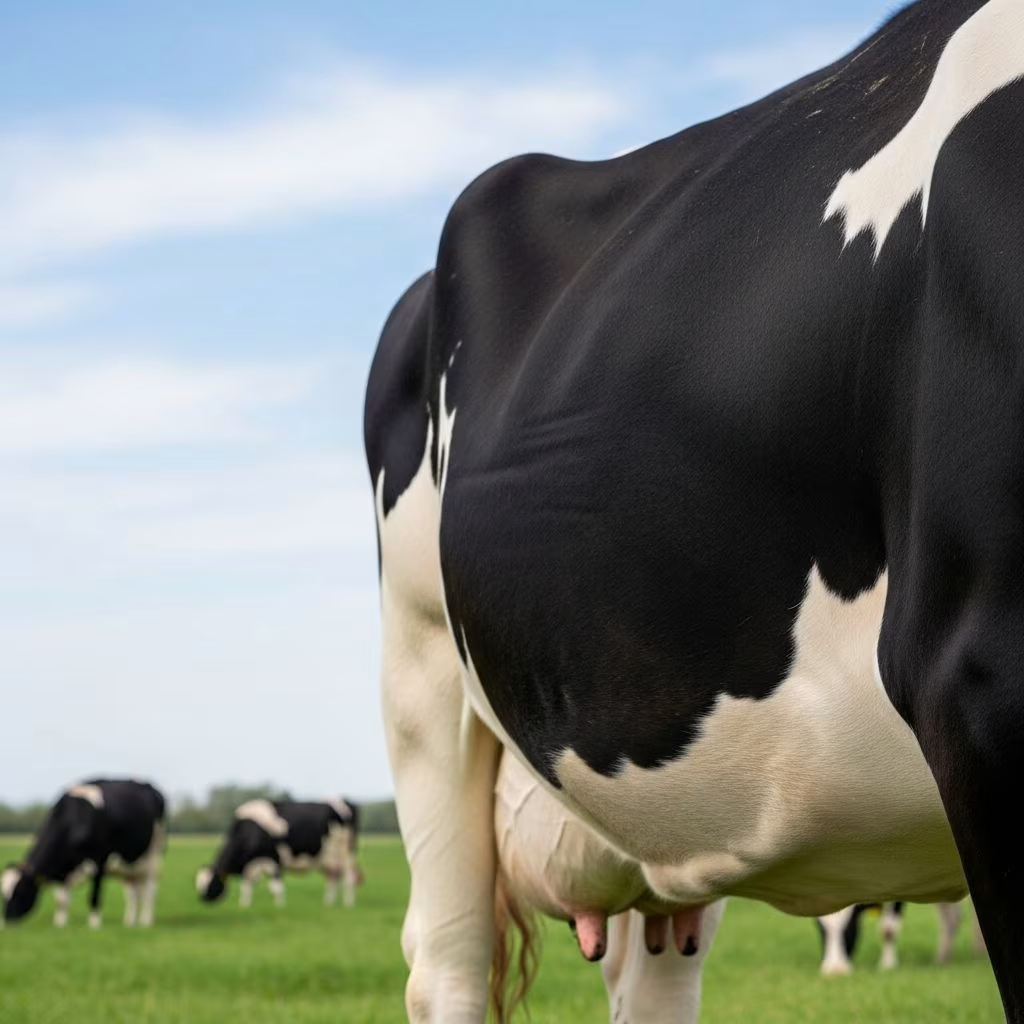
Cattle gut disorders represent a significant challenge in livestock management, often leading to reduced productivity, weight loss, and even mortality if not addressed promptly. These conditions range from infectious diarrheas to mechanical obstructions, affecting the rumen, intestines, and overall digestive efficiency. Understanding their origins, recognizing early signs, and applying targeted interventions can safeguard herd health and economic viability.
Understanding the Bovine Digestive System
The ruminant digestive tract is uniquely adapted for fermenting fibrous feeds. The rumen, reticulum, omasum, and abomasum work in concert with the small and large intestines to break down plant material. Disruptions here, whether from pathogens, toxins, or physical issues, cascade into systemic problems like dehydration and metabolic imbalances.
Key vulnerabilities include the rumen’s sensitivity to dietary shifts and the intestines’ exposure to parasites and bacteria. Factors such as stress, overcrowding, and poor nutrition exacerbate risks, making proactive monitoring essential.
Common Symptoms of Intestinal Issues
Early detection hinges on observing behavioral and physical changes. Cattle with gut problems often display:
- Reduced feed intake and rumination
- Diarrhea, ranging from watery to bloody
- Abdominal pain, evidenced by kicking at the belly or teeth grinding
- Bloating or tympany, causing a distended left flank
- Dehydration signs like sunken eyes and tacky gums
- Weakness, fever, or rapid weight loss in chronic cases.
These signs warrant immediate veterinary assessment, as delays can lead to secondary complications like acidosis or sepsis.
Major Categories of Gut Diseases
Infectious Enteritis and Diarrhea
Infectious agents dominate acute gut issues in adult cattle. Bacterial culprits like Salmonella trigger foul-smelling, bloody diarrhea with fever and lethargy. Viral pathogens, including bovine viral diarrhea (BVD), cause persistent loose stools and immunosuppression[10]. Parasitic infections, notably coccidiosis, affect older calves and adults under stress, leading to mucus-laden feces and dehydration.
Diagnosis involves fecal analysis, bloodwork for electrolytes, and ruling out non-infectious causes. Abdominal auscultation detects fluid-filled loops, while percussion identifies gas patterns.
Parasitic Infestations
Worms such as Ostertagia and Cooperia damage intestinal mucosa, causing malabsorption and diarrhea. Johne’s disease, a chronic Mycobacterium avium paratuberculosis infection, leads to progressive weight loss and watery feces without fever. Coccidia oocysts proliferate in damp environments, sparking outbreaks in beef herds.
Treatment tables guide anthelmintic use:
| Drug | Species | Dosage |
|---|---|---|
| Doramectin | Cattle (beef) | 0.2 mg/kg SC or IM |
| Moxidectin | Cattle | 0.2 mg/kg PO or SC |
| Albendazole | Cattle | 10 mg/kg PO |
| Fenbendazole | Cattle | 5 mg/kg PO |
Prevention emphasizes pasture rotation and clean water sources.
Non-Infectious Mechanical Problems
Displacements like left abomasal volvulus cause acute colic and shock. Grain overload floods the rumen with fermentable carbs, dropping pH and halting motility. Hemorrhagic bowel syndrome (HBS) features bloody clots obstructing the jejunum, often in high-milk cows. Simple indigestion from moldy feed reduces rumen contractions.
Diagnostic Approaches
Veterinarians employ a multi-step process:
- History review: Recent diet changes, herd outbreaks
- Physical exam: Rectal palpation for displacements, hydration status
- Lab tests: Fecal floats for parasites, PCR for viruses/bacteria
- Imaging: Ultrasonography for fluid or clots
- Exploratory surgery in refractory cases.
Succussion (shaking the abdomen) confirms fluid presence, while pH testing rumen fluid aids overload diagnosis.
Treatment Strategies
Fluid and Electrolyte Correction
Dehydration is the primary killer; IV crystalloids restore balance faster than oral routes in severe cases. Sodium bicarbonate counters acidosis in grain engorgement, dosed at 5% in saline up to 500ml IV. Oral drenches (20-60L) suit milder indigestion.
Medications and Antimicrobials
Broad-spectrum options like tetracyclines or florfenicol combat secondary invaders, avoiding nephrotoxic agents in dehydrated animals. NSAIDs such as flunixin meglumine (1.1-2.2 mg/kg IV) reduce inflammation post-hydration. For bloat, surfactants like paraffin oil (0.5-1L PO) release trapped gas.
Surgical Interventions
Emergencies demand surgery: Laparotomy corrects displacements, repositions abomasum, or resects necrotic bowel in HBS. Rumenotomy evacuates toxic contents in overloads. Postoperative care includes antibiotics, NSAIDs, and monitoring for peritonitis.
Supportive Care
Transfaunation with healthy rumen fluid reboots fermentation. Vitamins, calcium, and magnesium bolster recovery. Isolation prevents spread.
Prevention and Herd Management
Proactive steps minimize outbreaks:
- Vaccinate against BVD and rotate pastures
- Gradually introduce concentrates to avoid overload
- Maintain hygiene: Clean troughs, control stocking density
- Regular deworming based on fecal egg counts
- Monitor nutrition: Balanced forages reduce displacements.
For coccidiosis, monensin (2 mg/kg PO for sheep, adapt for cattle) prevents oocyst cycling. Quarantine new arrivals and cull Johne’s carriers.
Case Studies and Outcomes
In one scenario, a dairy herd faced HBS; early surgery on affected cows yielded 80% survival with fluid support. Grain overload clusters resolved via rumenotomy and bicarbonate, restoring pH within 48 hours. Infectious diarrhea herds improved with IV fluids and antibiotics, cutting mortality by 50%. These underscore timely intervention’s value.
FAQs
What causes sudden diarrhea in adult cattle?
Common triggers include Salmonella, coccidia, or abrupt feed changes. Fecal testing pinpoints the cause.
Is surgery always needed for bloat?
No, initial oil drenches suffice for primary tympany; persistent cases require trocarization or rumenotomy.
How do I prevent Johne’s disease?
Test and cull positives, use colostrum from clean dams, and avoid manure-contaminated feed.
Can coccidiosis affect grown cattle?
Yes, stressed adults show nervous signs like tremors alongside diarrhea.
What’s the first step in grain overload?
Rehydrate massively and neutralize acid with bicarbonate while monitoring pH.
Long-Term Herd Health Monitoring
Implement body condition scoring monthly and fecal surveillance quarterly. Biosecurity, including visitor logs and boot dips, fortifies defenses. Economic analyses favor prevention; a single outbreak can cost thousands in lost milk and treatments.
In summary, cattle gut disorders demand vigilance, blending clinical acumen with farm practices for resilient herds.
References
- Abdominal emergencies in cattle: clinical signs, diagnosis and treatment strategies — Vet Times. 2023. https://www.vettimes.com/news/vets/livestock/abdominal-emergencies-in-cattle-clinical-signs-diagnosis-and-treatment-strategies
- Diagnosis and Treatment of Infectious Enteritis in Adult Ruminants — PMC (NCBI). 2020-03-20. https://pmc.ncbi.nlm.nih.gov/articles/PMC7126705/
- Five Common Cattle Diseases: Symptoms & Treatment — Reelfoot Animal Hospital. 2024-08-15. https://www.reelfootanimalhospital.com/site/blog/2024/08/15/common-cattle-diseases
- Simple Indigestion in Ruminants — MSD Veterinary Manual. 2023. https://www.msdvetmanual.com/digestive-system/diseases-of-the-ruminant-forestomach/simple-indigestion-in-ruminants
- Coccidiosis Treatment and Prevention in Cattle — Oklahoma State University Extension. 2023. https://extension.okstate.edu/fact-sheets/coccidiosis-treatment-and-prevention-in-cattle.html
- Intestinal Diseases in Cattle — Merck Veterinary Manual. 2023. https://www.merckvetmanual.com/digestive-system/intestinal-diseases-in-ruminants/intestinal-diseases-in-cattle
- Johne’s Disease in Livestock — USDA APHIS. 2023. https://www.aphis.usda.gov/livestock-poultry-disease/cattle/johnes



