

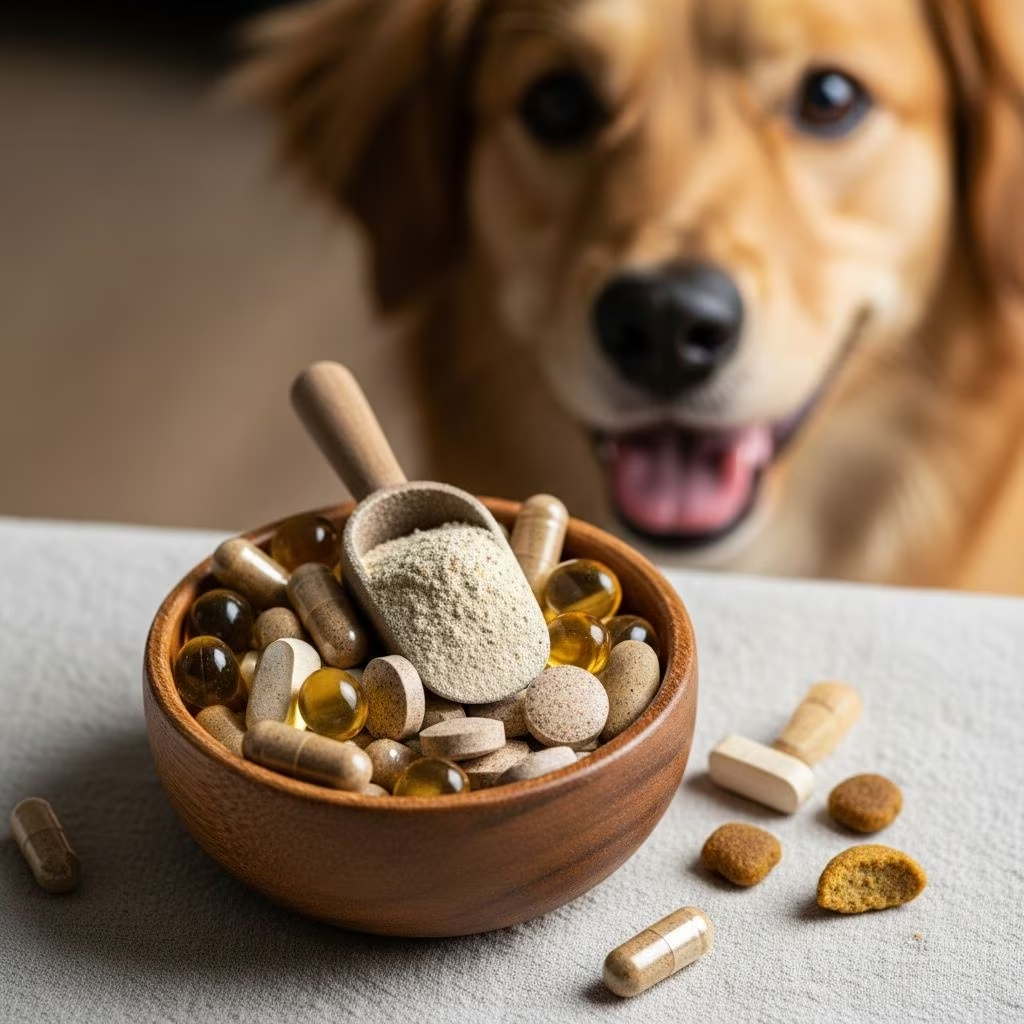
The gastrointestinal system of dogs plays a pivotal role in their overall health, influencing everything from nutrient absorption to immune defense. Prebiotics and probiotics serve as key allies in maintaining a thriving gut microbiome, which consists of trillions of microorganisms essential for canine well-being. These supplements can help restore balance after disruptions like antibiotics or poor diet, leading to noticeable improvements in vitality and resilience.
Understanding the Canine Gut Microbiome
Dogs possess a complex gut ecosystem far more extensive than that of humans, with microbial cells outnumbering human cells by a factor of ten in relative terms. This microbiome aids in breaking down food, synthesizing vitamins, and forming a barrier against harmful pathogens. Disruptions from stress, illness, or medications can shift this balance, resulting in issues like diarrhea, weakened immunity, or even obesity. Research highlights how targeted interventions can recalibrate this system for optimal function.
- Diversity of bacteria: Healthy guts feature a mix of beneficial strains like Lactobacillus and Bifidobacterium.
- Role in immunity: Up to 70% of a dog’s immune cells reside in the gut, making microbial harmony crucial.
- Impact on metabolism: Balanced flora supports efficient energy use and weight management.
What Are Probiotics and How Do They Benefit Dogs?
Probiotics are live beneficial bacteria introduced to the gut to colonize and outcompete harmful microbes. Common strains include Lactobacillus, Bifidobacterium, and Enterococcus, which have demonstrated efficacy in canine studies. These microbes produce short-chain fatty acids that nourish gut cells, modulate pH to deter pathogens, and enhance mucus production for intestinal protection.
Studies show probiotics increase fecal levels of IgA and plasma IgG, bolstering immune responses. In healthy dogs, supplementation with multi-strain formulas reduced Clostridium perfringens while elevating Bifidobacterium and Lactobacillus counts. For dogs recovering from antibiotics, probiotics accelerate microbiota restoration, minimizing side effects like loose stools.
| Strain | Key Benefits | Supported Conditions |
|---|---|---|
| Lactobacillus reuteri | Alters microbiota composition, reduces Turicibacter | General gut health, inflammation |
| Bifidobacterium spp. | Increases IgA, decreases pathogens | Immunity boost, diarrhea prevention |
| Multi-strain (e.g., Slab51) | Improves fecal quality, suppresses fermentation products | Digestive disorders, obesity |
The Role of Prebiotics in Canine Nutrition
Prebiotics are non-digestible fibers that selectively feed beneficial bacteria, promoting their growth without nourishing pathogens. Sources like inulin, fructooligosaccharides (FOS), and galactooligosaccharides (GOS) ferment in the colon to produce energy for gut cells and maintain barrier integrity. This synergy with probiotics—known as synbiotics—amplifies effects, as seen in trials where combinations outperformed single agents in restoring microbiota post-disruption.
Prebiotics enhance intestinal motility, reducing constipation and bloating while improving nutrient uptake. They also heal gut lining, curbing inflammation linked to allergies or sensitivities. In older dogs, prebiotic-postbiotic blends mitigated immunosenescence, preserving vaccine efficacy.
- Fiber fermentation: Produces butyrate for colonocyte fuel.
- pH regulation: Lowers colon pH to inhibit bad bacteria.
- Metabolic perks: Improves glucose handling and cholesterol profiles.
Synergistic Power: Combining Prebiotics and Probiotics
When paired, prebiotics provide sustenance for probiotics, creating a robust synbiotic effect. Research confirms this duo excels in modulating inflammation, enhancing immunity, and protecting against enteropathogens in dogs. One study found combinations more effective than isolates in promoting bifidobacteria/lactobacilli proliferation and elevating immunoglobulins.
Beyond digestion, synbiotics influence systemic health. They lower serum triglycerides and cholesterol in beagles, hinting at obesity prevention. Oral health benefits emerge too, with pre/probiotics stabilizing plaque microbiota and curbing periodontitis progression via immune modulation. For pets with diabetes or allergies, emerging data suggests stabilized cholesterol and reduced sensitivities.
Common Health Issues Addressed by Gut Supplements
Digestive Disorders
Probiotics normalize intestinal conditions, aiding recovery from acute diarrhea or chronic issues like irritable bowel. Recommended products like FortiFlora show proven efficacy in firming stools and inhibiting Salmonella growth through nutrient competition.
Immune Support
By fostering beneficial flora, these supplements prime the gut-associated lymphoid tissue, reducing infection risks. Dogs on probiotics exhibit fewer respiratory and urinary issues.
Weight Management and Metabolism
Modulating microbiota curbs fat storage and improves insulin sensitivity. Postbiotic-enriched diets reduced obesity markers in trials.
Oral and Systemic Health
Incorporating into dental routines promotes oral microbial equilibrium, complementing brushing for plaque control.
Natural and Supplemental Sources for Dogs
Incorporate prebiotics via foods like chicory root, bananas, oats, and apples. Probiotics thrive in yogurt (plain, live-culture), kefir, sauerkraut, or specialized pet chews. For precision, vet-recommended supplements deliver 1-10 billion CFUs daily, tailored to size and needs.
- Prebiotic-rich foods: Pumpkin, sweet potatoes, green beans.
- Probiotic treats: Fermented veggies, bone broths.
- Commercial options: Strain-specific powders or capsules, disguised in meals for picky eaters.
Practical Guidelines for Supplementation
Start with vet consultation, especially for pups, seniors, or those with conditions. Dosages vary: 1-5 billion CFUs for small breeds, up to 10 billion for large. Introduce gradually to avoid gas, and store properly (refrigerate live cultures). Monitor for 1-2 weeks; improvements in stool consistency signal success.
Puppies benefit from early introduction for lifelong microbiome priming. Seniors gain from immunosenescence countermeasures. Post-antibiotic use demands immediate support to rebuild flora.
Potential Risks and When to Avoid
Generally safe, but immunocompromised dogs may risk overgrowth—consult vets. Over-supplementation causes mild bloating. Choose dog-specific strains for host compatibility, avoiding human products with unsuitable bacteria.
FAQs
Can all dogs benefit from prebiotics and probiotics?
Yes, particularly those with digestive upset, on antibiotics, or prone to allergies. Healthy dogs maintain balance via diet.
How long until I see results?
Typically 3-7 days for stool improvements; immune benefits accrue over weeks.
Are there side effects?
Rare; transient gas or softer stools. Discontinue if persistent.
What’s the best time to give supplements?
With meals to enhance survival through stomach acid.
Do I need both prebiotics and probiotics?
Synbiotics offer superior results, but either aids alone.
Expert Insights from Veterinary Research
Veterinarians like Dr. Joseph Wakshlag endorse targeted probiotics for GI therapy, citing colony-forming units as efficacy metrics. Peer-reviewed trials underscore strain-specific benefits, urging evidence-based choices over generics.
References
- Evaluating the safety and functionality of a novel compound — PMC/NCBI. 2024. https://pmc.ncbi.nlm.nih.gov/articles/PMC12184448/
- Gut Probiotics and Health of Dogs and Cats: Benefits, Applications — PMC/NCBI. 2023. https://pmc.ncbi.nlm.nih.gov/articles/PMC10609632/
- The power of probiotics — Cornell University College of Veterinary Medicine. 2023. https://www.vet.cornell.edu/departments-centers-and-institutes/riney-canine-health-center/canine-health-topics/power-probiotics
- Benefits of pre- and pro-biotics on oral care in companion animals — Journal of Animal Science/Oxford Academic. 2024. https://academic.oup.com/jas/article/102/Supplement_3/125/7757324
- Use of prebiotics and probiotics in the management of intestinal disorders in dogs — RSD Journal. 2025. https://rsdjournal.org/rsd/article/view/50008
- Prebiotics for dogs – How can they help your pet? — Ontario Veterinary College, University of Guelph. 2025. https://ovcpetnutrition.uoguelph.ca/2025/07/30/prebiotics-for-dogs-what-are-they-and-how-can-they-help-your-pet/
- Are prebiotics good for dogs and cats? — International Scientific Association for Probiotics and Prebiotics. 2023. https://isappscience.org/are-prebiotics-good-for-dogs-and-cats-an-animal-gut-health-expert-explains/



