

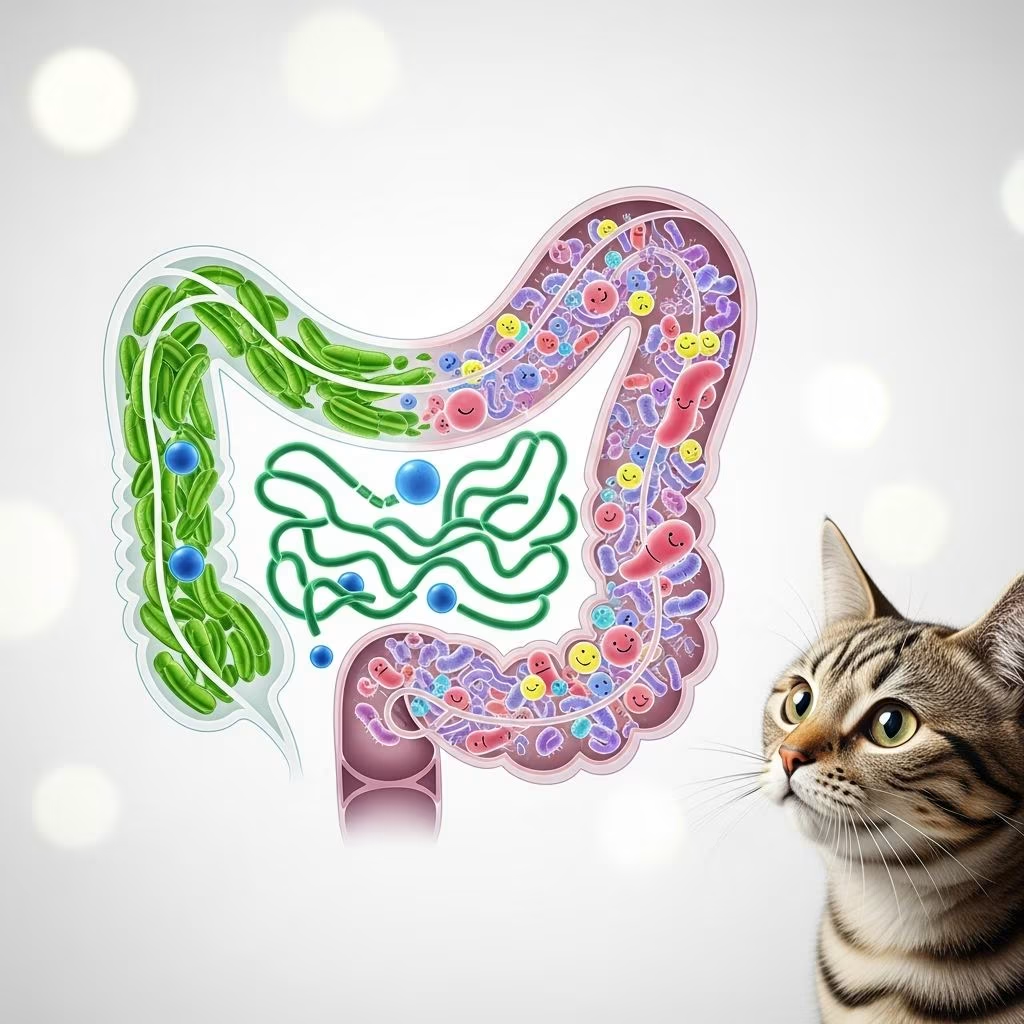
Feline digestive health plays a pivotal role in overall vitality, influencing everything from nutrient absorption to immune function. Prebiotics and probiotics emerge as key allies in nurturing a balanced gut microbiome, helping cats combat issues like diarrhea, inconsistent stools, and antibiotic side effects. These natural supplements foster beneficial bacteria, promoting smoother digestion and resilience against pathogens.
Understanding the Feline Gut Microbiome
The gut of a cat hosts trillions of microorganisms that form the microbiome, a dynamic ecosystem essential for breaking down food, synthesizing vitamins, and defending against harmful invaders. Disruptions from stress, poor diet, or medications can lead to imbalances, manifesting as loose stools or weakened defenses. Research indicates that maintaining microbial diversity correlates with better health outcomes in felines.
Young kittens and senior cats often face heightened vulnerability due to developing or declining microbiomes. Shelter environments, with their stress factors, exacerbate these risks, making gut support particularly valuable in such settings.
What Are Probiotics and How Do They Benefit Cats?
Probiotics consist of live beneficial bacteria, such as Lactobacillus and Bifidobacterium species, introduced to reinforce the gut’s natural flora. In cats, they help restore balance post-antibiotic use, which often wipes out good bacteria alongside bad ones.
- Diarrhea Reduction: Multiple trials show probiotics shortening acute diarrhea episodes, especially in high-stress environments like shelters.
- Stool Improvement: Five out of seven probiotic studies reported positive changes in fecal consistency scores.
- Immune Enhancement: They modulate immune profiles in young cats, reducing Bacillota/Actinomycetota ratios for a healthier microbial state.
- Metabolite Boost: Increased butyric acid production supports intestinal cell energy.
Specific strains like SF68 have demonstrated fewer diarrhea days in supplemented cats compared to controls. Composite probiotics further reduce Escherichia coli counts while elevating Lactobacillus, enhancing protein digestibility by up to 10%.
Prebiotics: Fueling the Good Bacteria
Unlike probiotics, prebiotics are non-digestible fibers that serve as nourishment for existing beneficial microbes. Soluble fibers like fructooligosaccharides dissolve in the gut, fermenting into short-chain fatty acids (SCFAs) that energize colon cells.
- Digestion Aid: They firm up stools and mitigate diarrhea from bacterial overgrowth by slowing transit time.
- Immunity Support: With 70% of a cat’s immune system in the GI tract, prebiotics curb pathogens and boost species like Bifidobacterium.
- Weight Management: Improved glucose metabolism and insulin sensitivity aid metabolic health.
Prebiotics create an optimal environment, amplifying probiotic effects when combined.
Synbiotics and Postbiotics: Advanced Gut Support Options
Synbiotics pair prebiotics with probiotics for synergistic action, enhancing bacterial survival and colonization. Studies in cats show limited but promising results in reducing antibiotic-induced vomiting, though evidence certainty remains low.
Postbiotics, derived from microbial fermentation products, focus on functional benefits without live cells. They alter microbiome function rather than composition, offering stability in processed foods.
| Type | Composition | Key Benefits for Cats | Evidence Level |
|---|---|---|---|
| Probiotics | Live bacteria (e.g., Lactobacillus) | Diarrhea relief, immune boost | Moderate (vote counting positive) |
| Prebiotics | Fibers (e.g., inulin) | Stool consistency, immunity | Supportive |
| Synbiotics | Pro + Pre | Enhanced colonization, vomiting reduction | Low certainty |
| Postbiotics | Metabolites/SCFAs | Functional gut modulation | Emerging |
When to Use Gut Supplements for Your Cat
Incorporate these for preventive care in healthy cats or therapeutic aid in sick ones. Ideal scenarios include:
- Post-antibiotic recovery to rebuild flora.
- Acute gastroenteropathies like diarrhea or vomiting.
- Stressful transitions, such as shelter stays or new homes.
- Chronic issues like idiopathic megacolon, where strains like SLAB51™ alleviate symptoms.
Kittens benefit from immune profile improvements, while adults see metabolic gains.
Choosing Quality Supplements and Integrating into Diet
Select products with clinically tested strains, viable counts (CFUs), and third-party testing. Look for vet-recommended formulas tailored to cats, avoiding human products due to pH differences.
Commercial cat foods increasingly fortify with these; check labels for guaranteed levels. Start with small doses to monitor tolerance, aiming for daily inclusion via food toppers or treats.
Potential Risks and Veterinary Guidance
While generally safe, immunocompromised cats may need vet oversight. Overuse lacks proven extra benefits, and evidence gaps call for targeted research in at-risk groups. Always consult a veterinarian before starting, especially for underlying conditions.
Real-World Applications and Emerging Research
Beyond ingestion, probiotics in litter inhibit harmful bacteria, improving odor control and clumping. Ongoing studies explore obesity prevention and oral health, with probiotics showing anti-inflammatory potential.
Meta-analyses underscore probiotics’ role in healthy cats’ butyric acid levels and young ones’ immunity, urging more trials for definitive guidelines.
Frequently Asked Questions (FAQs)
Can all cats benefit from prebiotics and probiotics?
Most can, particularly those with digestive upset or stress, but healthy cats gain preventive advantages too.
How long until I see results?
Improvements in stool quality may appear within days, while immune effects build over weeks.
Are they safe with medications?
They often counteract antibiotic side effects but discuss with a vet for interactions.
What’s the difference between prebiotics and probiotics?
Probiotics add live good bacteria; prebiotics feed them.
Do kittens need them?
Yes, for microbiome establishment and immune support.
References
- Efficacy of probiotic, prebiotic, synbiotic and postbiotic … – PMC – NIH — PMC. 2024-08-02. https://pmc.ncbi.nlm.nih.gov/articles/PMC12000713/
- Probiotics and Cat Health: A Review of Progress and Prospects – PMC — PMC. 2024. https://pmc.ncbi.nlm.nih.gov/articles/PMC11205573/
- Cat Prebiotics: What Are They & How Do They Differ From Probiotics? — Purina. Recent. https://www.purina.com/articles/cat/health/digestion/cat-prebiotics
- Are prebiotics good for dogs and cats? An animal gut health expert explains — ISAPP. Recent. https://isappscience.org/are-prebiotics-good-for-dogs-and-cats-an-animal-gut-health-expert-explains/
- Probiotics in cats and dogs Fact Sheet — Davies Veterinary Specialists. Recent. https://www.vetspecialists.co.uk/fact-sheets-post/probiotics-use-in-cats-and-dogs-fact-sheet/
- Prebiotics and Probiotics for Dogs and Cats — Today’s Veterinary Nurse. Recent. https://todaysveterinarynurse.com/nutrition/prebiotics-and-probiotics-for-dogs-and-cats/
- Prebiotics, probiotics and postbiotics for pets—what’s the difference? — Alltech. Recent. https://www.alltech.com/blog/prebiotics-probiotics-and-postbiotics-pets-whats-difference



