

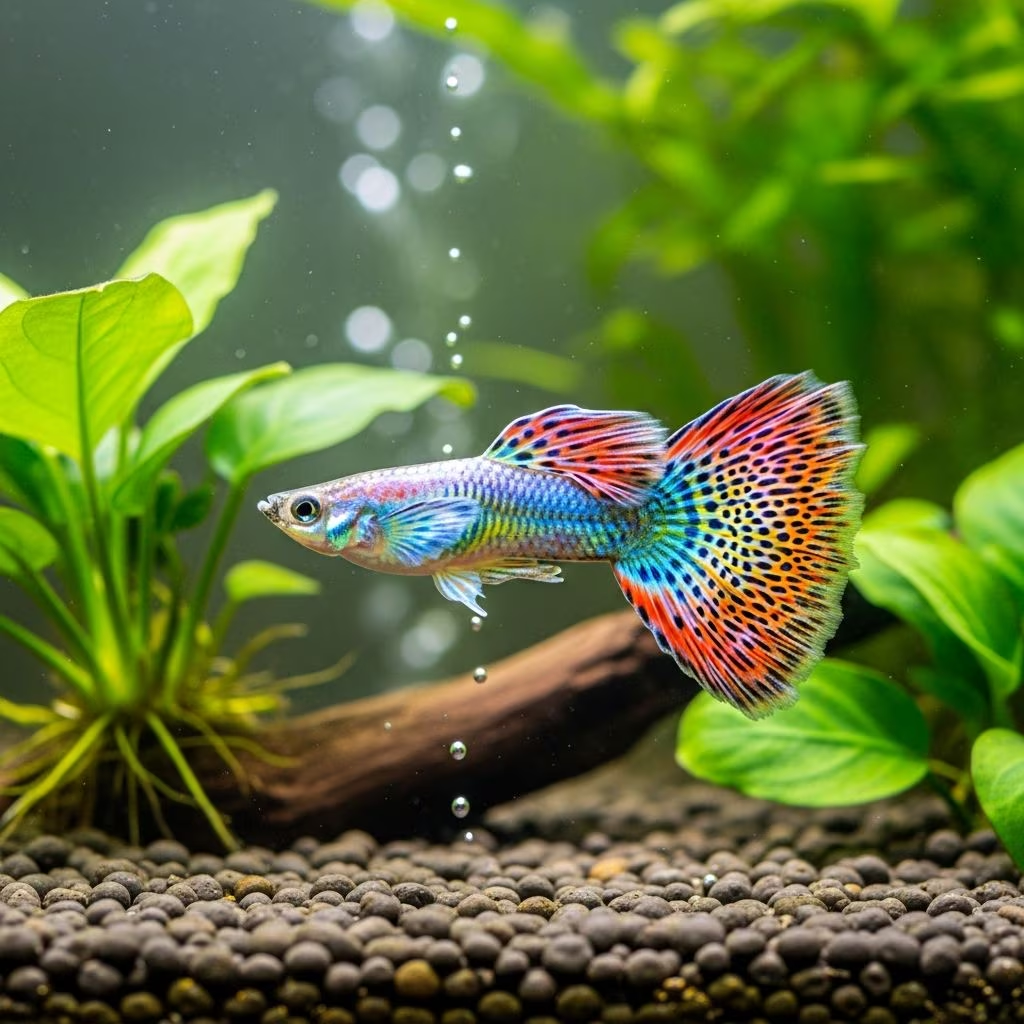
Guppy Fish Care Sheet: Complete Guide for Beginners
Guppies (Poecilia reticulata) are among the most popular freshwater fish in the aquarium hobby, and for good reason. These vibrant, peaceful, and easy-to-care-for fish are perfect for both beginners and experienced aquarists. With their stunning colors and relatively simple care requirements, guppies make an excellent choice for anyone looking to start or expand their aquarium collection. This comprehensive care sheet will guide you through everything you need to know about maintaining healthy, happy guppies in your tank.
Guppy Fish Characteristics at a Glance
| Characteristic | Details |
|---|---|
| Difficulty of Care | Beginner |
| Average Lifespan | 2–3 years with proper care |
| Average Adult Size | Up to 2 inches long |
| Diet | Omnivorous |
| Minimum Tank Size | 5+ gallons |
| Water Temperature | 72–82°F |
| pH Range | 6.8–7.8 |
| Water Hardness | 12–18 °N (214–321 ppm) |
Tank Requirements and Setup
Providing the right tank environment is crucial for your guppies’ health and happiness. A single adult guppy should be housed in at least a 5-gallon aquarium, with an additional 2 gallons of space for each extra guppy. This ensures adequate space for swimming and reduces stress among tank inhabitants. When selecting your tank, consider a longer, wider aquarium rather than a tall one, as guppies benefit from horizontal swimming space.
Substrate and Decorations
Choose an appropriate substrate that supports the growth of live plants, such as sand or specialized aquarium gravel. Live plants not only enhance the aesthetic appeal of your tank but also provide essential oxygen and create safe hiding places for fry. Decorate your tank with caves, plant pots, or model caves to offer shelter and reduce stress. Avoid decorations with sharp or rough edges that could damage your guppies’ delicate fins.
Filtration Systems
A suitable filtration system is essential for maintaining optimal water quality by eliminating toxins and impurities while promoting beneficial bacteria growth. Hang-on-back filters and sponge filters are excellent choices for guppy tanks, as they provide effective biological and mechanical filtration without creating excessive water flow that could stress these small fish.
Aeration and Lighting
Guppies require a well-oxygenated environment, which can be achieved through proper aeration enabled via an air pump or sponge filter. Additionally, maintain a natural day-night lighting cycle by providing 8–12 hours of aquarium lighting daily. This photoperiod supports their natural circadian rhythms and encourages healthy behavior and coloration.
Water Parameters and Quality
Maintaining stable water parameters is critical for guppy health and longevity. Guppies thrive in warm freshwater environments with specific chemical properties that must be monitored regularly.
Temperature Control
Guppies prefer water temperatures between 72–82°F. A quality aquarium heater ensures your tank maintains this optimal temperature range consistently. Sudden temperature fluctuations can stress your fish and make them susceptible to illness.
pH and Hardness
Maintain a stable pH level between 6.8–7.8, ideally staying closer to neutral or slightly alkaline conditions. Water hardness should be maintained at 12–18 °N (214–321 ppm or 4.29–6.43 mEq). While guppies are adaptable and will tolerate slightly softer water, staying within this range ensures long-term health and vibrant coloration. If your water is too soft or acidic, add small amounts of coral sand or crushed coral to the substrate or filter, as these materials dissolve slowly and act as natural buffers to stabilize pH and hardness.
Water Treatment
Always treat tap water to remove chlorine and chloramine before adding it to your aquarium. Use a quality water conditioner or let treated water sit for 24 hours before introducing it to your tank. Perform regular partial water changes of about 25% every 1–2 weeks to maintain water quality and reduce accumulation of harmful compounds.
Freshwater Salt Addition
Many guppy species benefit from the addition of freshwater salt to their aquarium. If you choose to add freshwater salt, maintain the water’s specific gravity at 1.004, ensuring it does not change more than ±0.001 in 24 hours. Use a hydrometer or refractometer to measure salt concentration accurately. Research your specific guppy species’ needs before adding salt to the habitat.
Enriching Your Guppy’s Environment
Beyond basic tank setup, creating a stimulating and comfortable environment significantly improves your guppies’ well-being and behavior.
Live Plants
Live plants are strongly recommended for guppy tanks. Excellent plant choices include Vallisneria spiralis, Echinodorus amazonicus, and Cabomba furcata. These species help oxygenate the water, enhance the aesthetic appeal of your aquarium, and provide safe hiding places, especially for newborn fry. Live plants also absorb excess nutrients that could otherwise promote algae growth.
Shelter and Hiding Spots
Providing appropriate hiding spots allows guppies to feel secure and reduces stress. Incorporate caves, plant pots, and dense vegetation throughout your tank to create ample refuge areas. A well-decorated tank with multiple hiding spots encourages natural behavior and promotes longer lifespans.
Water Current
Guppies, especially those with long, flowing fins, benefit from a gentle water current. Ensure your filtration system creates mild flow without creating excessive turbulence that could stress these small fish.
Feeding Your Guppy Fish
Proper nutrition is vital for maintaining your guppies’ health, vibrant coloration, and overall well-being. As omnivores, guppies require a varied diet to meet all their nutritional needs.
Base Diet
A high-quality, specially formulated guppy fish food should form the foundation of their diet. Choose either flakes or pellets designed specifically for guppies or small freshwater fish. These formulations contain essential nutrients, vitamins, and minerals necessary for optimal health and color development.
Supplemental Foods
Incorporate occasional live or frozen foods to further enrich your guppies’ diet and provide nutritional variety. Excellent treats include brine shrimp, daphnia, and bloodworms. These supplemental foods provide essential vitamins and minerals while promoting guppies’ natural hunting instincts, encouraging active behavior and mental stimulation.
Feeding Frequency and Portions
Feed your guppies small portions once to three times per day, depending on their size and age. Provide only the amount they can consume within one to two minutes. Overfeeding leads to uneaten food decomposing in the tank, polluting water and creating harmful ammonia spikes. Remove any uneaten food daily using a fine mesh net.
Fry Nutrition
Newborn guppies require a high-quality, nutritious diet to ensure proper development. Feed them crushed guppy flakes or specialized fry food several times daily. Supplement with live baby brine shrimp for optimal growth. Clean water and frequent small feedings are essential during their first weeks of life.
Tank Maintenance and Cleaning
Regular maintenance keeps your guppy tank clean, healthy, and stable. Establish a consistent maintenance routine to prevent water quality issues.
Partial Water Changes
Perform partial water changes of 10–25% of the aquarium’s total water volume every 1–2 weeks. This practice removes accumulated waste, excess nutrients, and harmful compounds while replenishing essential minerals and nutrients. Always treat replacement water to remove chlorine and chloramine before adding it to your tank.
Filter Maintenance
Clean your filter regularly according to manufacturer instructions. Rinse filter media in old tank water (never tap water) to preserve beneficial bacteria colonies. Replace filter media as needed to maintain optimal filtration efficiency.
Substrate and Decoration Cleaning
Use an aquarium vacuum to remove debris from the substrate during water changes. Clean decorations as needed, carefully disposing of any soiled substrate, water, or decorations so that non-native organisms do not enter natural watercourses.
Introducing New Guppies to Your Tank
Proper acclimation reduces stress and helps new guppies adjust to their new home. Float the transport bag in your tank for 15–20 minutes to match water temperature. Gradually add small amounts of tank water into the bag over another 20–30 minutes. Once acclimation is complete, carefully release the fish into the aquarium, introducing as little bag water as possible. Monitor new fish carefully for the first week, paying particular attention to water quality and behavior.
Guppy Breeding and Fry Care
Guppies are prolific breeders, making population management important when housing males and females together. To ensure healthy, genetically diverse populations, avoid inbreeding by not repeatedly breeding siblings or closely related fish. Inbreeding can cause deformities, weak immunity, and poor fertility. Always introduce unrelated guppies from other sources to strengthen genetics in your tank.
When fry are born, provide dense vegetation or a breeding box to protect them from being eaten by adults. Feed newly born fry crushed flakes, infusoria, or baby brine shrimp several times daily, maintaining clean water through frequent small water changes.
Common Health Issues and Prevention
Observing your guppies daily helps identify health problems early. Watch for loss of appetite, clamped fins, or erratic swimming, as these are warning signs of illness. Prevent diseases by maintaining water free from ammonia, chlorine, and chloramine, keeping a stable pH of at least 7, ensuring appropriate hardness and temperature, and performing regular partial water changes. Catching problems early makes treatment easier and more effective.
Frequently Asked Questions
Q: What is the minimum tank size for guppies?
A: A single adult guppy should be housed in at least a 5-gallon aquarium, with an additional 2 gallons for each extra guppy. Larger tanks provide better water quality stability and more swimming space.
Q: How often should I change the water in my guppy tank?
A: Perform partial water changes of 10–25% every 1–2 weeks. This maintains water quality and removes accumulated waste and harmful compounds.
Q: How many times per day should I feed my guppies?
A: Feed guppies once to three times daily, depending on their size and age. Provide only the amount they can consume within 1–2 minutes to avoid overfeeding and water pollution.
Q: Can I keep guppies with other fish species?
A: Yes, but choose compatible tankmates carefully. Avoid aggressive or predatory fish that might harm guppies. Peaceful community fish make good companions.
Q: What is the lifespan of guppies?
A: With proper care, guppies typically live 2–3 years. Maintaining stable water parameters, providing quality nutrition, and performing regular tank maintenance can help maximize their lifespan.
Q: Why is my guppy’s color fading?
A: Fading color often indicates poor water quality, inadequate nutrition, or stress. Ensure your water parameters are stable, feed a varied high-quality diet, and provide appropriate hiding spaces and tankmates.
Q: Do guppies need a heater?
A: Yes, a heater is essential to maintain the optimal temperature range of 72–82°F. Without proper heating, guppies may become stressed or susceptible to illness.
Conclusion
Caring for guppies successfully requires attention to tank setup, water parameters, nutrition, and maintenance. By following this comprehensive care sheet and maintaining stable conditions, you’ll create a thriving environment where your guppies can display their vibrant colors and natural behaviors. Whether you’re a beginner or an experienced aquarist, these colorful livebeaters will reward your dedication with years of beauty and enjoyment.
References
- Guppy Fish Care Sheet — PetMD. 2024. https://www.petmd.com/fish/guppy-fish-care-sheet
- The Guppy Fish – Ultimate Guide on Breeding, Diet, Sexing, and Care — Aqua Fish. 2024. https://en.aqua-fish.net/articles/guppy-fish-guide-breeding-diet-sexing-care-forum
- Tropical Freshwater Fish How to care for guppies & mollies — Ornamental Aquatic Trade Association. 2023. https://ornamentalfish.org/wp-content/uploads/Guppies-and-mollies.pdf
- The Ultimate Guide to Guppy Fish Care for Beginners — Splashy Fish Store. 2024. https://splashyfishstore.com/blogs/all-thing-aquarium-related-blog/guide-to-guppy-fish-care-for-beginners
- Care Guide for Guppies – The Most Popular and Colorful Livebearer — Aquarium Coop. 2024. https://www.aquariumcoop.com/blogs/aquarium/guppy-care-guide



