

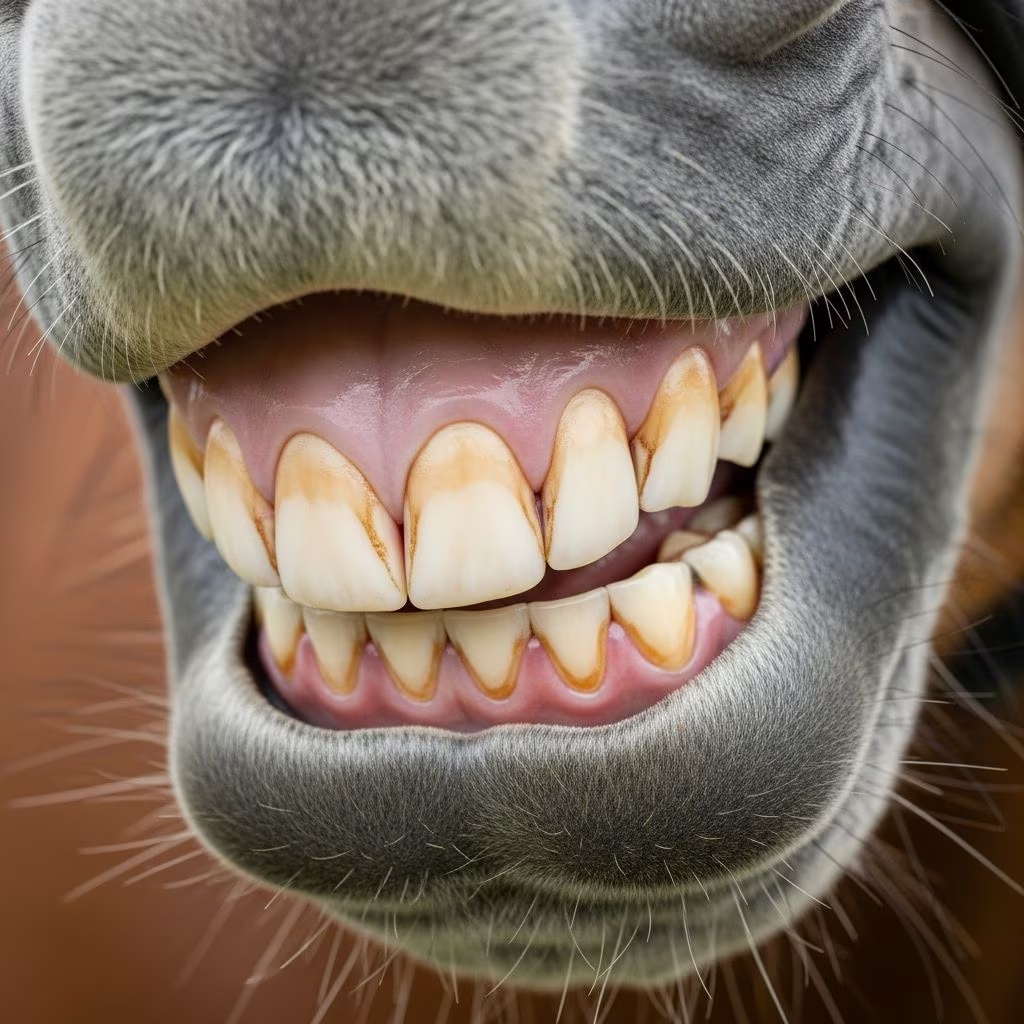
Periodontal disease affects the gums and supporting structures around a horse’s teeth, often starting subtly but leading to serious issues like pain, poor nutrition, and tooth loss. This condition arises primarily from food trapped between teeth, fostering bacterial growth and inflammation that can compromise overall equine health.
Why Horses Develop Gum Problems
Horses chew extensively on fibrous feeds, creating unique dental challenges. Their hypsodont teeth continuously erupt, but gaps called diastemas allow feed particles to pack between cheek teeth, initiating gum irritation. Breeds like Arabians face higher risks due to crowded teeth, while aging changes tooth alignment, worsening spacing. Plaque buildup on canines in geldings and fractures from trauma further contribute by harboring bacteria.
The periodontal ligament, vital for anchoring teeth and absorbing chewing forces, inflames under these stresses. In young horses, this ligament is flexible, allowing quicker damage spread; in seniors, it thickens, complicating recovery. Untreated, this progresses from mild gingivitis to bone loss and mobility.
Recognizing the Signs of Trouble
Early detection hinges on observing behavioral shifts. Horses may eat slowly, drop feed, or show undigested particles in manure, signaling discomfort during mastication. Foul breath, drooling, or blood-tinged saliva often accompany swelling around the jaw or face.
- Behavioral cues: Head tossing, bit resistance, tongue protrusion, or crankiness when saddled.
- Physical indicators: Weight loss, poor coat, quidding (chewed feed balls dropped from mouth), or unilateral muscle wasting.
- Advanced symptoms: Nasal discharge, sinus issues from root infections, or loose teeth visible during exams.
Owners frequently miss mild cases until colic or severe emaciation emerges, as horses mask pain adeptly.
Risks Across Age Groups and Breeds
Moderate gum disease is widespread, especially in older horses where wear patterns create larger gaps. EOTRH, targeting incisors in seniors, causes root resorption and brittle teeth, often with bulbous enlargements. Smaller breeds suffer from congenital crowding, amplifying impaction risks. Males develop plaque on canines, adding to incidence.
| Factor | High-Risk Groups | Key Issues |
|---|---|---|
| Age | Older horses (>15 years) | Tooth drift, EOTRH, fibrotic ligaments |
| Breed | Arabians, ponies | Crowding, displaced teeth |
| Sex | Geldings/studs | Canine plaque buildup |
| Diet | High-fiber hays | Increased impaction |
Diagnosing Hidden Dental Damage
Veterinarians use sedation, speculums, bright lights, and mirrors for thorough exams, probing sulci for deepened pockets or food. Radiographs reveal bone loss, root issues, or fractures distinguishing primary causes like malocclusion from secondary impaction. Mobility grading assesses ligament health: grade 1 (slight) to grade 3 (severe drift). Early subtle signs like gingival color shifts or rolled margins signal intervention needs.
Treatment Strategies for Gum Health
Management scales with severity. Stage 1 involves flushing diastemas with water or antiseptics to remove debris, often repeatedly. Motorized brushes or curettes clear plaque and infected tissue.
For advanced cases:
- Antibiotics: Target infections, paired with flushing.
- Extractions: Necessary for loose teeth; easier in youth due to ligament flexibility.
- Occlusal adjustments: Reduce sharp points preventing repacking.
Owners aid recovery by soaking hay, offering mashes, and monitoring intake. Pain relief improves comfort during healing.
Preventing Progression Through Routine Care
Annual professional floats combat sharp edges and early packing. Owners should note irregularities like odor or slow eating, prompting checks. Balanced diets minimize large-particle feeds; supplements support enamel if prone to decay.
Table of prevention tips:
| Action | Frequency | Benefit |
|---|---|---|
| Dental exams | 6-12 months | Detects early impaction |
| Feed inspection | Daily | Spots quidding |
| Radiographs | Annually for at-risk | Monitors bone health |
| Hay soaking | As needed | Eases chewing |
Complications if Ignored
Chronic inflammation erodes bone, causes tooth drift, and triggers endodontic spread. This cascades to malocclusion, sinusitis, or colic from poor digestion. Performance drops with pain-induced resistance; weight loss weakens immunity.
FAQs on Equine Gum Disease
What triggers food trapping in horse mouths?
Diastemas between cheek teeth, exacerbated by uneven wear or crowding.
Can young horses get this condition?
Less commonly, but trauma or plaque can initiate it; ligaments recover better if treated promptly.
How often should I schedule dental visits?
Every 6-12 months, more for seniors or symptomatic horses.
Is bad breath always gum disease?
Often yes, but abscesses or decay also cause it—vet exam confirms.
What home remedies help?
Observe symptoms, soften feeds; professional treatment is essential.
Long-Term Management for Healthy Smiles
Sustained vigilance ensures horses maintain efficient chewing, vital for nutrition. Integrating exams into wellness plans prevents escalation, preserving performance and longevity. Collaborate with equine dentists versed in periodontal probing for optimal outcomes.
References
- Periodontal Disease in Horses — NEDP. Accessed 2026. https://nedp.com.au/articles/periodontal-disease-horses
- Bad Horse Teeth: Symptoms & Treatment — Meadow Vista Vet. 2024-07-30. https://www.meadowvistavet.com/site/blog/2024/07/30/bad-horse-teeth
- Equine Periodontal Ligament Disease — The Equine Practice Company. Accessed 2026. https://www.theequinepracticecompany.com/equine-periodontal-ligament-disease-the-hidden-cause-of-tooth-loss-and-occlusal-collapse/
- Equine Periodontics — Garden State Equine. Accessed 2026. https://gardenstateequine.com/periodontics/
- Common Dental Problems in Horses — Red Hills Vet. 2023-09-17. https://www.redhillsvet.com/site/blog/2023/09/17/horse-dental-problems



