

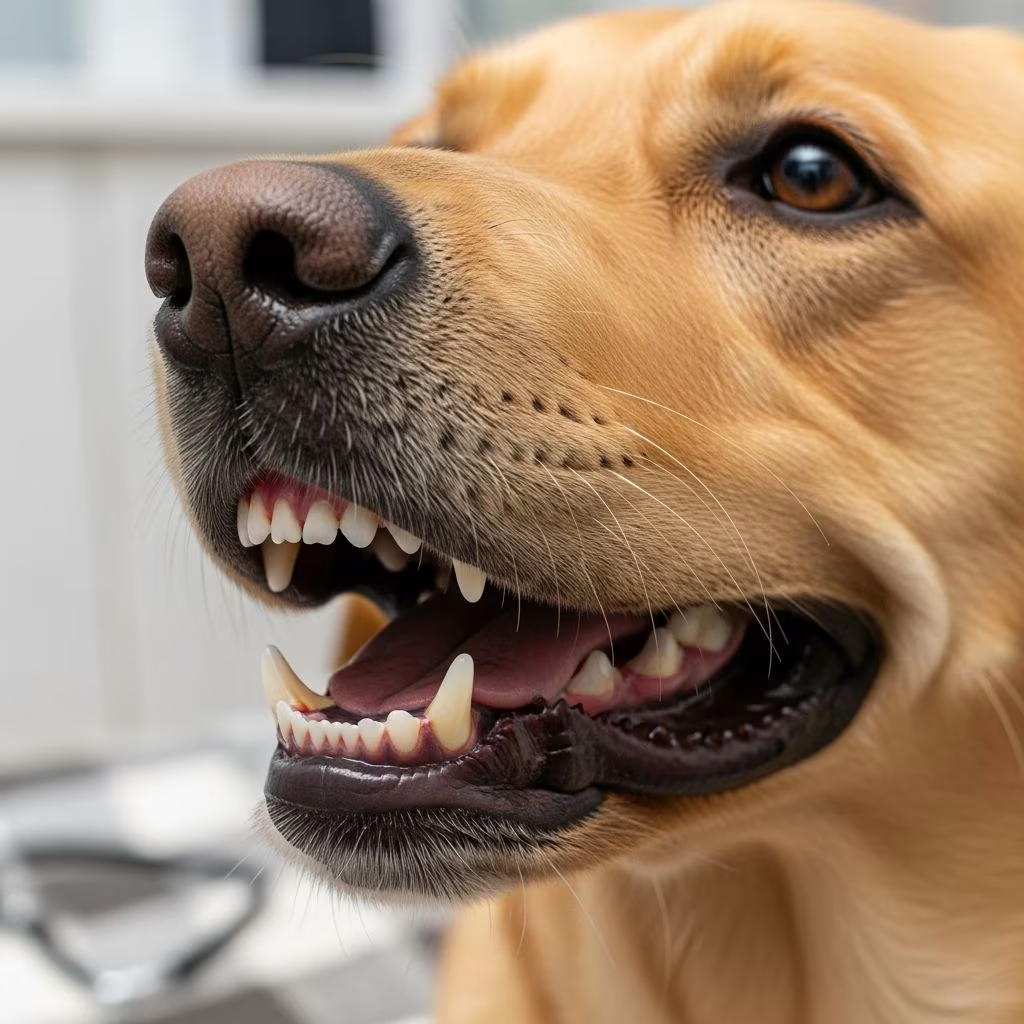
Periodontal disease, commonly known as gum disease, affects a significant number of dogs, often progressing unnoticed until severe damage occurs. This condition arises from bacterial accumulation in the mouth, leading to plaque formation, inflammation, and potential tooth loss. Understanding its impact is crucial for pet owners aiming to maintain their dog’s overall well-being.
Understanding the Basics of Canine Oral Health
Dogs rely on healthy teeth and gums for eating, playing, and grooming. Unlike humans, canine mouths are designed for tearing and crunching, but they are equally susceptible to bacterial invasions. Plaque, a sticky film of bacteria, forms on teeth shortly after eating. If not removed, it mineralizes into tartar within days, harboring more bacteria and triggering immune responses that inflame the gums.
This process not only causes local pain but can also allow bacteria to enter the bloodstream, potentially affecting distant organs like the heart and kidneys. Early detection through routine checks can prevent these complications, emphasizing the need for vigilant oral care.
Key Signs Your Dog May Have Gum Problems
Recognizing symptoms early can make a world of difference. Many owners overlook subtle changes, but consistent observation reveals the issue. Common indicators include:
- Persistent bad breath: Halitosis often signals bacterial overgrowth.
- Visible tartar: Yellow or brown buildup on teeth, especially at the gumline.
- Gum changes: Redness, swelling, or bleeding, particularly during chewing.
- Behavioral shifts: Drooling excessively, pawing at the mouth, or reluctance to eat hard foods.
- Physical evidence: Loose or missing teeth, blood on toys, or facial swelling.
Advanced cases may show weight loss, irritability, or difficulty keeping food in the mouth, as the pain intensifies.
Factors That Increase Risk in Dogs
Not all dogs develop gum disease at the same rate. Certain predispositions accelerate its onset:
- Breed tendencies: Small breeds like Chihuahuas and brachycephalic dogs (e.g., Pugs) face higher risks due to crowded teeth and compact jaws.
- Age factor: Older dogs accumulate more plaque over time.
- Dietary influences: Soft foods promote bacterial growth without mechanical cleaning.
- Structural issues: Malocclusions or enamel defects trap debris.
Environmental contributors, such as infrequent brushing or unclean toys, compound these risks. Genetics play a role, but proactive care can mitigate them significantly.
Progression: From Mild to Severe Stages
Gum disease advances through distinct phases, each worsening the damage:
| Stage | Description | Key Features |
|---|---|---|
| Stage 1: Gingivitis | Reversible inflammation from plaque. | Red gums, no bone loss. |
| Stage 2: Early Periodontitis | Pockets form between teeth and gums. | Attachment loss up to 25%, bleeding common. |
| Stage 3: Moderate | Deeper pockets, bone resorption begins. | 50% attachment loss, visible roots. |
| Stage 4: Advanced | Severe destruction, tooth mobility. | Bone loss >50%, abscesses, systemic spread. |
Without intervention, Stage 1 can escalate rapidly, leading to chronic pain and organ threats.
Health Risks Beyond the Mouth
The implications extend far past dental issues. Bacteria from infected gums can disseminate systemically, contributing to:
- Heart conditions via bloodstream invasion.
- Kidney damage from filtered toxins.
- Liver strain and immune suppression.
In toy breeds, advanced disease risks jaw fractures. Pain leads to reduced eating, malnutrition, and behavioral changes, underscoring the need for prompt action.
Diagnosis: What Vets Look For
Veterinarians assess gum disease via physical exams and probing under anesthesia for accuracy. X-rays reveal bone loss invisible externally. Staging guides treatment, from scaling to extractions. Regular dental checkups, ideally annually, catch issues early.
Treatment Options for Affected Dogs
Treatment varies by stage:
- Non-surgical: Professional cleaning removes tartar above and below the gumline.
- Antibiotics: Target infections in pockets.
- Surgical: Flap surgery, bone grafts, or extractions for severe cases.
- Supportive care: Pain meds and special diets post-procedure.
Full-mouth extractions may be necessary in end-stage disease, but dogs adapt well with proper follow-up. Costs range widely, but prevention saves expenses long-term.
Daily Prevention Strategies for Optimal Oral Health
Prevention is straightforward and effective:
- Brushing routine: Use enzymatic toothpaste 3-4 times weekly, targeting outer surfaces.
- Dental chews: VOHC-approved products reduce plaque mechanically.
- Diet choices: Kibble that scrubs teeth or prescription dental diets.
- Water additives: Antimicrobial rinses control bacteria.
- Regular vet visits: Professional cleanings every 6-12 months.
Incorporate toys and routines to make care enjoyable, fostering lifelong habits.
Nutrition’s Role in Fighting Gum Disease
A balanced diet supports oral health. Foods rich in omega-3s reduce inflammation, while crunchier textures abrade plaque. Avoid sugary treats that feed bacteria. Prescription diets with controlled minerals limit tartar formation, proven effective in clinical settings.
Breed-Specific Considerations
Tailor care to anatomy:
| Breed Type | Challenges | Recommendations |
|---|---|---|
| Small/Toys | Crowded teeth, rapid buildup. | Daily brushing, frequent vet checks. |
| Brachycephalic | Short jaws, poor alignment. | Soft chews, professional cleanings. |
| Large Breeds | Slower progression. | Large dental chews, routine exams. |
Custom approaches ensure equity in care.
FAQs on Dog Gum Disease
What is the most common cause of gum disease in dogs?
Plaque buildup from bacteria, hardening into tartar.
Can gum disease be cured completely?
Early stages reverse with cleaning; advanced requires management.
How often should I brush my dog’s teeth?
Ideally daily, minimum 3 times weekly.
Is bad breath always a sign of gum issues?
Often yes, but diet or GI problems can contribute—vet check advised.
Do dental treats really work?
VOHC-approved ones reduce plaque by up to 70% with consistent use.
Long-Term Monitoring and Maintenance
Post-treatment, maintain vigilance. Home checks monthly for tartar or gum changes. Adjust care as your dog ages, since risks rise. Educate family on signs, ensuring collective responsibility. With diligence, most dogs enjoy pain-free mouths into seniority.
Integrating these practices transforms oral health from reactive to proactive, enhancing quality of life.
References
- Periodontal Disease in Dogs – PetMD — PetMD. 2023. https://www.petmd.com/dog/conditions/mouth/periodontal-disease-dogs
- Periodontal Disease in Dogs: Symptoms, Causes & Treatment — LakeCross Veterinary Hospital. 2020-07-22. https://www.lakecross.com/site/blog-huntersville-vet/2020/07/22/periodontal-disease-dogs-symptoms-treatment
- Periodontal Disease in Dogs: Symptoms, Causes & Treatment — Guilford Jamestown Veterinary Hospital. 2020-08-13. https://www.guilfordjamestownvet.com/site/blog-greensboro-vet/2020/08/13/periodontal-disease-dogs-symptoms-causes-treatment
- Periodontal Disease in Dogs: Symptoms, Causes & Treatment — Mamaroneck Veterinary Hospital. 2022-07-30. https://www.mamaroneckvet.com/site/blog/2022/07/30/periodontal-disease-in-dogs-symptoms-causes–treatment
- Periodontal Disease in Dogs: How to Stop and Prevent It — Mahopac Veterinary Hospital. 2023-02-15. https://www.mahopacvet.com/site/blog/2023/02/15/periodontal-disease-dogs-prevent



