

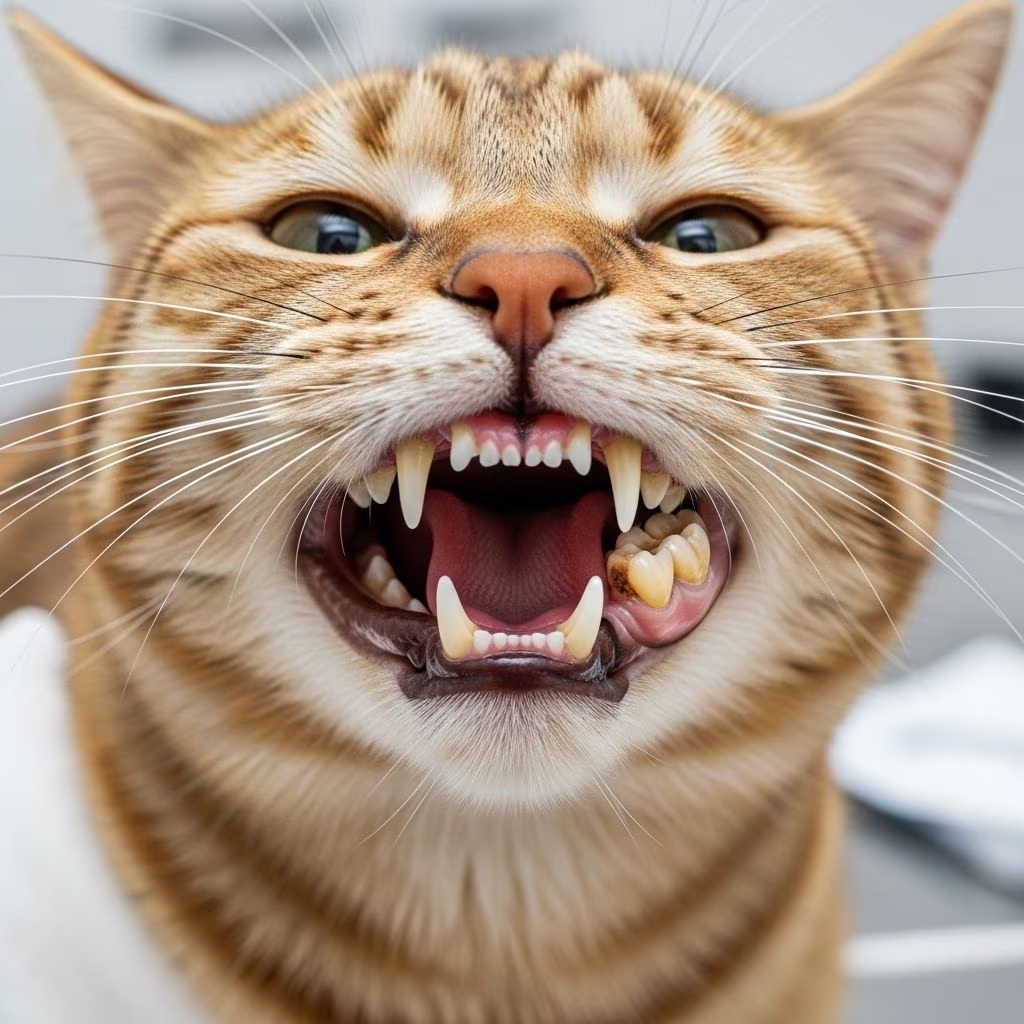
Gum disease in cats, also known as periodontal disease or gingivitis, is one of the most common health issues affecting felines, impacting up to 70% of cats by age three. This progressive condition starts with inflammation of the gums and can lead to tooth loss, chronic pain, and systemic health complications if untreated. Early detection and intervention are crucial for maintaining your cat’s oral health and overall well-being.
What Is Gum Disease in Cats?
Gum disease encompasses a range of conditions affecting the tissues surrounding a cat’s teeth, primarily gingivitis and periodontitis. **Gingivitis** is the inflammation of the gums (gingiva) caused by plaque buildup, which is a sticky film of bacteria, food debris, and saliva that adheres to teeth. If untreated, it progresses to **periodontitis**, where bacteria invade deeper tissues, destroying the bone and ligaments supporting the teeth, leading to mobility, pain, and eventual tooth loss.
In severe cases, cats may develop **stomatitis**, a painful inflammation of the entire mouth, often requiring extensive interventions. Unlike humans, cats cannot effectively self-clean their teeth due to their grooming habits and diet, making professional care essential. The condition is reversible in early stages but becomes irreversible as it advances.
Symptoms of Gum Disease in Cats
Recognizing symptoms early can prevent progression. Common signs include:
- Red, swollen, or bleeding gums, particularly along the gumline or inner cheek areas
- Bad breath (halitosis), often the first noticeable sign
- Drooling excessively or pawing at the mouth
- Difficulty eating, chewing, or dropping food, leading to weight loss
- Plaque and tartar buildup on teeth surfaces, appearing yellow-brown
- Tooth mobility or loss in advanced stages
- Behavioral changes like irritability, reduced grooming, or unkempt coat due to pain
Cats are stoic animals and may hide pain, so subtle signs like selective eating (preferring soft foods) or reluctance to play warrant a vet visit.
Causes of Gum Disease in Cats
The primary cause is **plaque accumulation** from poor oral hygiene, exacerbated by diet and genetics. Bacteria in plaque produce toxins that irritate gums, triggering inflammation. Key risk factors include:
- Age: Prevalence increases with age; most cats over three have some degree
- Diet: Soft or canned foods promote plaque as they don’t scrape teeth like dry kibble
- Poor dental care: Lack of brushing or professional cleanings
- Genetic factors: Crowded teeth or breed predispositions (e.g., some purebreds)
- Underlying conditions: Feline Leukemia Virus (FeLV), calicivirus, kidney disease, diabetes, or autoimmune disorders weaken immunity
Juvenile gingivitis in kittens may stem from weaning stress or viral infections, progressing if ignored.
Stages of Gum Disease in Cats
Gum disease advances through stages, each requiring different management:
| Stage | Description | Reversibility |
|---|---|---|
| Stage 1: Gingivitis | Gum inflammation without bone loss; red/swollen gums | Fully reversible with cleaning |
| Stage 2: Early Periodontitis | Pocket formation (1-2mm); slight attachment loss | Partially reversible |
| Stage 3: Moderate Periodontitis | Pockets 3-6mm; 25-50% bone loss | Irreversible; manage progression |
| Stage 4: Advanced Periodontitis | Pockets >6mm; >50% bone loss, tooth loss | Irreversible; extractions needed |
Staging is determined via dental probing and X-rays under anesthesia. Early gingivitis can heal completely, but advanced stages risk bacterial spread to heart, liver, or kidneys.
Diagnosis of Gum Disease in Cats
Veterinarians diagnose via:
- Visual exam: Checking for redness, plaque, tartar
- Dental probing: Measuring gum pockets
- X-rays: Assessing bone loss (requires anesthesia)
- Bloodwork: Ruling out systemic issues like FeLV
A full oral evaluation under general anesthesia is standard for accurate assessment, including scaling and polishing.
Treatment for Gum Disease in Cats
Treatment varies by stage but focuses on removing plaque/tartar and addressing infection:
- Professional cleaning: Ultrasonic scaling above/below gumline, polishing, and fluoride application under anesthesia
- Antibiotics/anti-inflammatories: For infection control; not standalone
- Tooth extractions: For loose, diseased, or stomatitis-affected teeth; resolves 80-90% of stomatitis cases
- Follow-up care: Pain meds, chlorhexidine rinses
For stomatitis, full-mouth extractions may be needed, allowing cats to eat soft food comfortably without teeth. Post-treatment, home care prevents recurrence.
Home Care and Prevention
Preventive strategies reduce disease risk by 50%:
- Daily brushing: Use cat-specific enzymatic toothpaste; start slowly
- Dental diets/toys: Abrasive kibble, treats, or chews to reduce plaque
- Water additives/rinses: Chlorhexidine or antiseptics
- Regular vet checkups: Annual cleanings for at-risk cats
Gingivitis won’t resolve without intervention; consistent home care is vital.
Prognosis and Complications
Early treatment yields excellent outcomes; cats often live toothlessly but happily. Untreated disease leads to chronic pain, anorexia, and organ damage via bacteremia. Monitor for recurrence, especially in seniors or immunocompromised cats.
Frequently Asked Questions (FAQs)
What causes bad breath in my cat?
Halitosis is often the first sign of gum disease from bacterial plaque.
Can cat gum disease be cured?
Early gingivitis yes, via cleaning; advanced stages managed but not cured.
Do cats need teeth to eat?
No, post-extraction cats thrive on soft foods.
How often should cats get dental cleanings?
Annually or as recommended, based on exam.
Is gingivitis painful for cats?
Yes, causing eating difficulties and discomfort.
References
- Gingivitis in Cats – Symptoms, Causes & Treatments — Gluckstadt Animal Hospital. 2023-10-15. https://www.gluckstadtanimalhospital.com/site/blog/2023/10/15/gingivitis-cats–symptoms-causes-treatments
- Gingivitis in Cats – Symptoms, Causes & Treatments — Maury County Vet. 2022-12-15. https://www.maurycountyvet.com/site/blog/2022/12/15/gingivitis-cats–symptoms-causes-treatments
- Gum Disease in Cats — PetMD. N/A. https://www.petmd.com/cat/conditions/mouth/gum-disease-in-cats
- Can Cat Gingivitis Heal on Its Own? — Dogwood Trails Animal Hospital. N/A. https://www.dogwoodtrailsah.com/can-cat-gingivitis-heal-on-its-own/
- Feline Gum Disease – Kitten Gingivitis — Burwood Vet Clinic. N/A. https://www.localvet.com.au/burwoodvetclinic/Felinegumdisease-kittengingivitis.aspx
- Gingivitis and Stomatitis in Cats — VCA Animal Hospitals. N/A. https://vcahospitals.com/know-your-pet/gingivitis-and-stomatitis-in-cats
- Feline Dental Disease — Cornell University College of Veterinary Medicine. N/A. https://www.vet.cornell.edu/departments-centers-and-institutes/cornell-feline-health-center/health-information/feline-health-topics/feline-dental-disease



