Guinea Pigs: Essential Care Guide For Pets And Research
Comprehensive guide to biology, care, housing, nutrition, health, and reproduction of guinea pigs as pets and research animals.
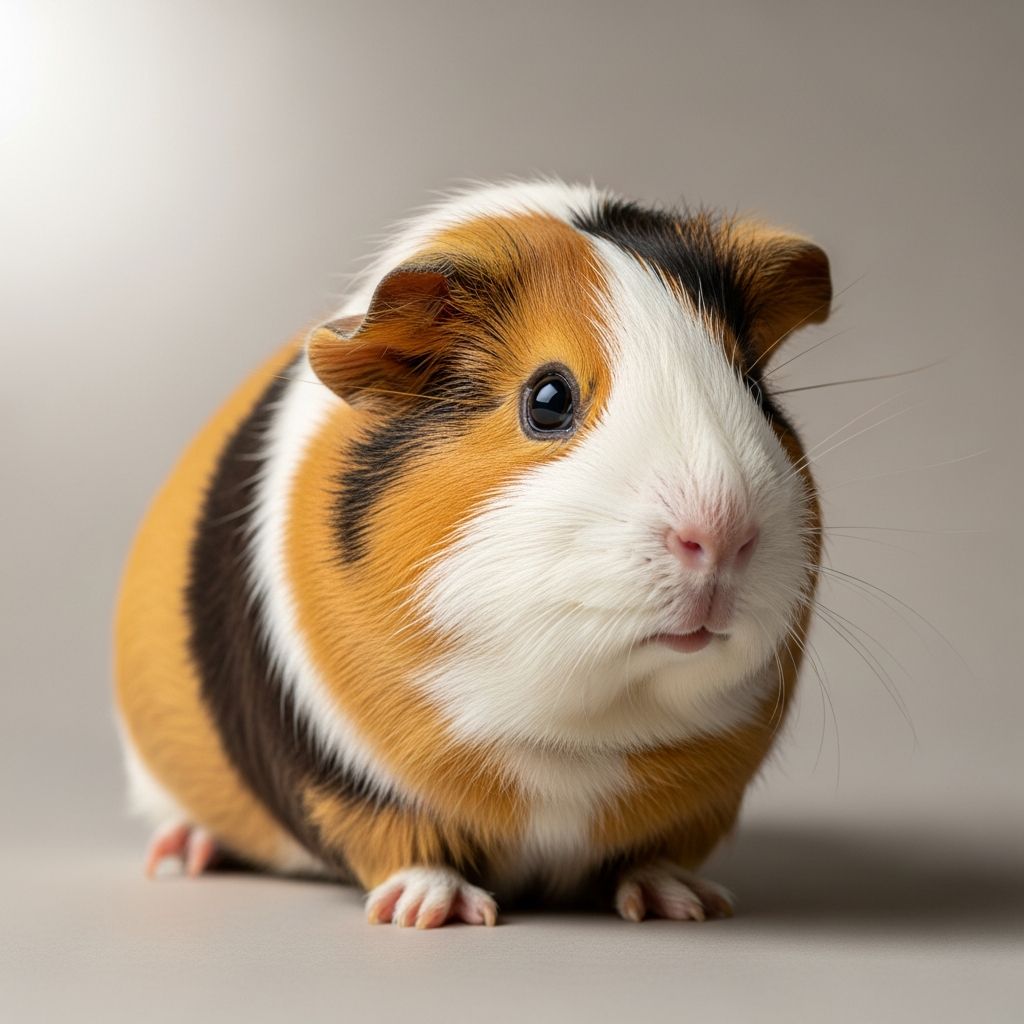
Guinea pigs, scientifically known as Cavia porcellus, originate from South American Andean regions and have become popular as companion animals and laboratory subjects due to their docile nature and physiological similarities to humans. These herbivores thrive in social groups and require specific environmental and dietary conditions to maintain health and longevity, typically spanning 5-8 years with proper oversight.
Biology and Behavioral Traits
Adult guinea pigs weigh between 700 grams for females and up to 1,200 grams for males, measuring 20-25 cm in length without tails. Their compact bodies feature short limbs, rounded ears, and continuously growing incisors adapted for a grinding diet. Distinctive vocalizations like wheeking, purring, and chattering communicate hunger, contentment, or aggression among herd members.
- Social Structure: Naturally colonial, they form hierarchies with dominant individuals leading foraging and grooming activities.
- Activity Patterns: Crepuscular, most active at dawn and dusk, preferring to hide during bright light.
- Sensory Capabilities: Excellent hearing and smell; poor vision limits threat detection from afar.
Understanding these traits informs enclosure design and handling to minimize stress-induced conditions like gastric stasis.
Optimal Housing Environments
Adequate space prevents obesity and boredom-related behaviors. Minimum enclosure dimensions for one guinea pig are 120 cm x 60 cm x 45 cm, doubling for pairs. Solid flooring with absorbent bedding like fleece liners or paper-based substrates reduces pododermatitis risk compared to wire floors.
| Group Size | Minimum Floor Area | Height | Key Features |
|---|---|---|---|
| 1 adult | 0.7 m² | 45 cm | Hideouts, hay rack, wheel-free zone |
| 2 adults | 1.4 m² | 45 cm | Multiple hides, tunnels, litter area |
| 3+ adults | 2+ m² | 60 cm | Modular expansions, enrichment rotations |
Locate habitats in quiet, draft-free rooms at 18-24°C with 40-60% humidity. Provide daily supervised floor time for exercise, incorporating tunnels and chew toys to wear down teeth.
Nutrition Fundamentals
Guinea pigs mandate unlimited timothy or meadow hay (80% of diet), supporting dental health and digestion. Daily pellets (1/8 cup per 500g body weight) must be vitamin C-fortified, as these animals cannot synthesize ascorbic acid, risking scurvy without 10-20 mg/kg intake.
- Vegetables (10-15%): 50-100g daily of bell peppers, kale, or parsley; avoid high-calcium greens like spinach to prevent stones.
- Forbidden Foods: Dairy, seeds, sugary fruits; these cause obesity and diarrhea.
- Water: Fresh via sipper bottles, changed twice daily.
Juveniles under 6 months benefit from alfalfa hay for calcium, transitioning post-weaning. Monitor weight weekly; fluctuations signal dietary imbalances.
Grooming and Hygiene Protocols
Varied coat types demand tailored maintenance. Short-haired breeds need weekly brushing; long-haired varieties like Peruvians require daily sessions to avert matting.
- Brushing: Use soft slicker brushes to remove debris and stimulate sebaceous glands.
- Nail Trimming: Monthly, clipping translucent tips while avoiding the vascular quick; styptic powder for mishaps.
- Bathing: Rare, only for severe soiling with small animal shampoo; dry thoroughly to prevent chills.
Spot-clean enclosures daily, fully disinfect weekly with vinegar solutions. This curbs ammonia buildup, a respiratory irritant.
Health Monitoring and Common Disorders
Regular veterinary exams by exotic specialists detect subclinical issues. Key signs of distress include lethargy, anorexia, diarrhea, or respiratory wheezes.
| Condition | Symptoms | Prevention/Treatment |
|---|---|---|
| Respiratory Infection | Sneezing, nasal discharge | Clean habitat, antibiotics |
| Urinary Calculi | Straining, hematuria | Low-calcium diet, hydration |
| Dental Overgrowth | Drooling, weight loss | Hay provision, trimming |
| Bumblefoot | Foot ulcers | Soft flooring, hygiene |
Vaccinations unnecessary, but quarantine newcomers for 30 days. Parasites like mites manifest as alopecia; topical ivermectin resolves most cases.
Reproductive Considerations
Females (sows) reach puberty at 4-6 weeks, males (boars) at 3-4 weeks. Pregnancy lasts 59-72 days, yielding 1-6 pups. Postpartum mating risks maternal exhaustion; separate sexes post-weaning.
- Breeding Setup: Nest boxes with ample hay for sows.
- Neonatal Care: Precocial young nurse 2-3 weeks; provide creep feed.
- Spaying/Neutering: Recommended for pets to curb tumors, though surgical risks exist.
Laboratory protocols emphasize genetic standardization and humane endpoints for welfare.
Socialization and Handling Techniques
Pair or group housing fosters natural behaviors, reducing cortisol levels. Introduce via neutral territory to avert fights. Handle gently supporting body and hindquarters, limiting sessions to 15 minutes daily initially.
Enrichment includes puzzle feeders, cardboard chew boxes, and companion play to combat stereotypic pacing.
Laboratory Applications and Ethical Standards
In research, guinea pigs model tuberculosis, anaphylaxis, and pregnancy toxemia due to comparable immune responses. IACUC guidelines mandate enriched caging, pain assessments, and alternatives evaluation per 3Rs principles.
Frequently Asked Questions (FAQs)
Can guinea pigs live alone?
No, they are highly social; solitary housing increases stress and shortens lifespan. Same-sex pairs ideal post-introduction.
How often should I clean the cage?
Daily spot cleans, weekly full changes, monthly deep sanitization.
What is the best hay type?
Timothy for adults; first-cut orchard or meadow for variety.
Do guinea pigs need vitamin C supplements?
Dietary sources suffice; oral liquids for ill individuals under vet guidance.
Are guinea pigs good for children?
Yes, with supervision; their calm demeanor suits gentle handling.
Daily Care Schedule
| Time | Activity |
|---|---|
| Morning | Hay/pellet refresh, water check, health scan |
| Afternoon | Enrichment swap, floor time |
| Evening | Veg serving, spot clean, bonding |
| Weekly | Full clean, nail/groom, weigh-in |
References
- Guinea Pig Care Guide — Penny & Wild. 2024. https://pennyandwild.org/resources/guinea-pig-care-guide/
- How to Care for Your Guinea Pig: A Guide for Pet Parents — PetMD. 2024. https://www.petmd.com/exotic/how-to-care-for-your-guinea-pig
- Caring for your GUINEA PIG — Oxbow Animal Health. 2024-03. https://oxbowanimalhealth.com/wp-content/uploads/2024/03/Guinea-Pig-Care-Guide-Feb-2024.pdf
- Guinea Pigs Love a Routine — Omlet. 2024. https://www.omlet.us/guide/guinea_pigs/guinea_pig_care/daily/
- Guinea Pigs 101: Care Resource Guide — Small Pet Select. 2024. https://shop.smallpetselect.com/blogs/care-resources/guinea-pigs-101-care-resource-guide
Similar Articles








Read full bio of medha deb