Guinea Pigs As Pets: 10 Pros And Cons Explained
Discover if guinea pigs suit your lifestyle with insights on care needs, social requirements, and long-term commitment for joyful pet ownership.
Guinea Pigs as Pets: Ideal Choice?
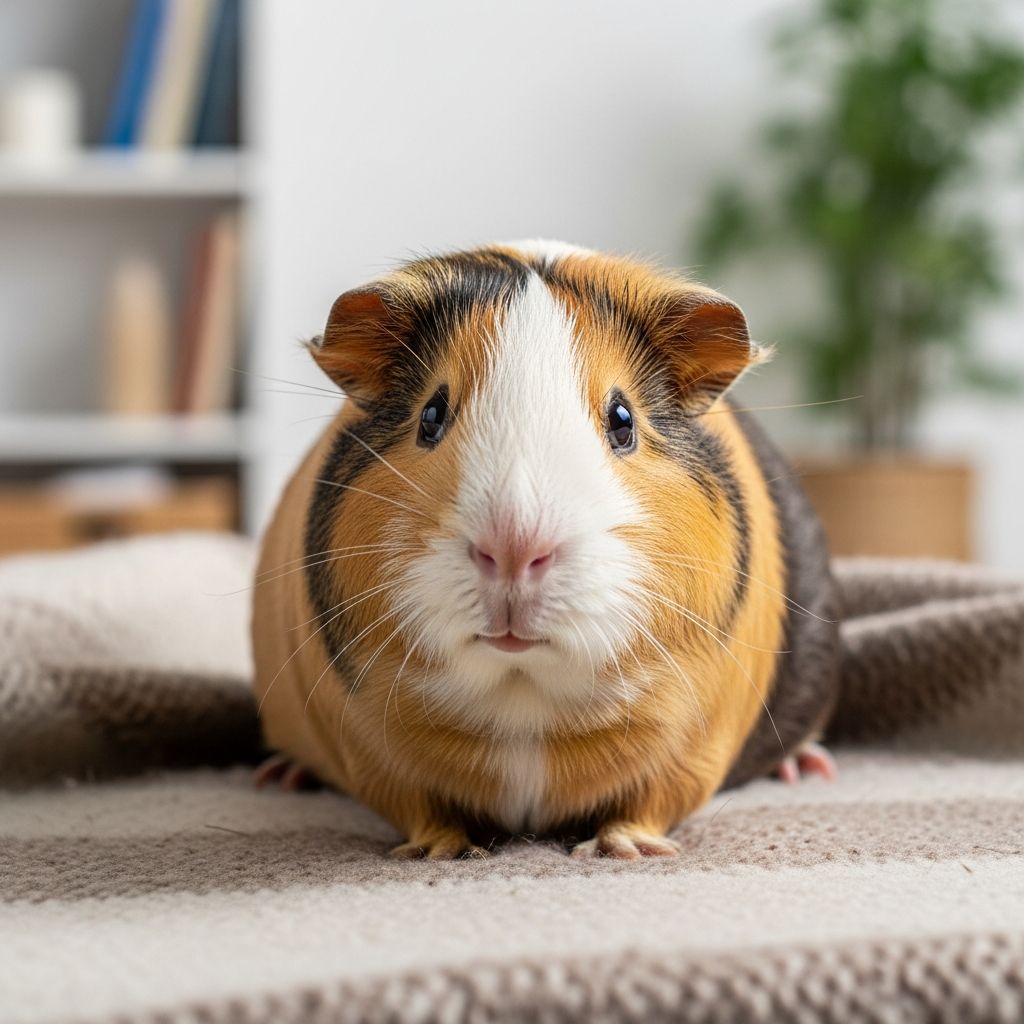
Guinea pigs charm many with their gentle wheeks, soft fur, and playful pops. These small rodents often attract families seeking low-maintenance companions. However, their needs extend beyond basic feeding, demanding dedicated space, social interaction, and vigilant health checks. Understanding these aspects helps determine if they fit your home.
Understanding Guinea Pig Biology and Behavior
Native to South American grasslands, guinea pigs thrive in herds, exhibiting herd dynamics even in captivity. As prey animals, they instinctively mask illness, complicating early detection. Their sensitive hearing detects frequencies up to 50,000 Hz, making loud environments stressful. Daily routines build trust, as they gradually associate humans with safety rather than threat.
Behaviorally, they communicate through varied vocalizations: wheeking signals excitement for food, purring indicates contentment, and chattering warns of aggression. Observing these cues fosters bonding, though patience is key since initial fear of overhead handling mimics predator attacks.
Essential Housing Requirements
Guinea pigs require expansive enclosures to mimic natural roaming. Minimum standards suggest 7.5 square feet per pig, expanding to 10.5 for pairs, with solid flooring to prevent bumblefoot—a painful foot infection from wire bottoms.
- Cage Size: Avoid pet store cages; opt for custom C&C grids or large hutches allowing popcorning—joyful leaps signaling happiness.
- Bedding: Fleece liners or paper-based substrates absorb moisture, reducing ammonia buildup that causes respiratory issues.
- Enrichment: Tunnels, hideouts, chew toys, and wheels (supervised) prevent boredom and dental wear.
Placement matters: quiet rooms away from drafts, direct sun, or predators like dogs. Multi-level setups enhance activity, promoting heart health and longevity up to 8 years.
Dietary Needs for Optimal Health
Unlike rodents, guinea pigs are herbivores unable to synthesize vitamin C, necessitating daily supplementation to prevent scurvy—symptoms include lethargy and joint pain. A cornerstone is unlimited timothy hay (80% of diet), promoting digestion and teeth grinding.
| Food Type | Daily Amount | Purpose |
|---|---|---|
| Hay (timothy/orchard) | Unlimited | Digestion, dental health |
| Pellets (oxbow brand) | 1/8 cup per pig | Balanced nutrients |
| Veggies (bell peppers, kale) | 1 cup per pig | Vitamin C source |
| Fruits (sparingly) | 1 tbsp | Treats, avoid sugar highs |
Water must be fresh daily via bottles, not bowls, to avoid contamination. Treats like dandelion greens delight but overfeeding leads to obesity.
The Imperative of Social Companionship
Solitary guinea pigs suffer depression, weight loss, and shortened lifespans; Swiss law mandates pairs. Same-sex pairs minimize breeding risks, though neutering males enables mixed pairs after a 6-week wait.
- Pairing Tips: Introduce neutered adults gradually in neutral territory to establish hierarchy without fights.
- Benefits: Companions groom, cuddle, and vocalize together, reducing stress.
- Exceptions: Rare cases of aggression require separation, but singles need 2-4 hours daily human interaction.
Owners report bonded pairs live more vibrantly, popping and zooming in tandem.
Health Monitoring and Common Issues
Hypervigilance defines guinea pig care. Weigh weekly; drops signal trouble. Prey instincts hide symptoms until advanced stages like pneumonia.
Frequent Conditions:
- Respiratory Infections: From ammonia or drafts; symptoms: sneezing, labored breathing.
- Urinary Crystals: Painful due to diet; increase water, low-calcium greens.
- Dental Overgrowth: Hay prevents; malocclusion needs vet trimming.
- Ear Infections/Mites: Head tilting, scratching.
- Bumblefoot: Red sores from poor flooring.
Annual vet exams by exotic specialists cost $50-100, with treatments escalating quickly. Children often overlook subtle signs, relying on adults.
Daily and Weekly Care Routines
Commit to 30-60 minutes daily: hay refresh, veggie chop, floor vacuum (hay scatters everywhere). Spot-clean daily; full bedding change weekly combats odors.
- Morning: Fresh hay/pellets/water, veggie handout.
- Afternoon: Floor time in playpen for exercise.
- Evening: Social time, health checks (eyes, fur, poop).
- Weekly: Weigh, nail trim, cage deep clean.
Bathing is rare—monthly if soiled—with guinea pig shampoo to avoid stress.
Financial Realities of Ownership
Initial setup: $200-400 (cage, supplies). Monthly: $30-50 (hay, pellets, veggies). Vet bills dominate: $100+ visits, $500+ emergencies.
| Expense Category | One-Time Cost | Ongoing Cost |
|---|---|---|
| Housing & Accessories | $150-300 | $10/month |
| Food & Bedding | $50 | $40/month |
| Vet Care (annual) | – | $200-500 |
| Neutering (per pig) | $100 | – |
Hay alone runs $20/bale monthly for pairs. Budget for longevity; impulsive buys lead to rehoming.
Are They Suitable for Children and Families?
Guinea pigs suit patient teens/adults, not young kids craving cuddly playmates. Bonding takes months; rough handling scares them. Supervision prevents drops/injuries. Families thrive with routines, teaching responsibility.
Pros for families: Quiet, non-allergenic fur, educational on empathy. Cons: Messy poop (100+ daily), vet dependency.
Pros and Cons at a Glance
| Pros | Cons |
|---|---|
| Affectionate once bonded | High maintenance cleaning |
| Low exercise needs | Expensive vet bills |
| Long lifespan (5-8 years) | Hide illnesses |
| Entertaining behaviors | Messy (hay/poop everywhere) |
| Quiet pets | Need pairs/space |
Finding and Adopting Responsibly
Shelters/rescues offer pairs cheaply, health-checked. Avoid breeders; overbreeding fuels neglect. Quarantine new pigs 30 days.
Frequently Asked Questions
Do guinea pigs need baths?
Rarely; dust baths suffice for boars. Water baths stress them unless necessary.
Can one guinea pig be happy alone?
No; they need companions to avoid loneliness.
How much space do they really need?
Minimum 7.5 sq ft per pig, more ideal for activity.
Are they good with other pets?
Supervise; cats/dogs stress them as prey.
What if my guinea pig stops eating?
Emergency; vet immediately—GI stasis is fatal.
Long-Term Commitment and Joy
Guinea pigs reward dedication with wheek-filled mornings and lap naps. Success hinges on preparation: spacious homes, informed diets, paired living. Misconceptions as ‘easy’ pets lead to surrenders; research ensures thriving herds. Families embracing realities gain empathetic, vocal companions enriching daily life.
References
- Guinea Pigs: Why They’re Not Starter Pets — PETA. 2023. https://www.peta.org/features/guinea-pigs-starter-pets-kids/
- Pros VS Cons Of Owning Guinea Pigs — YouTube (Pet owner video). 2022-10-15. https://www.youtube.com/watch?v=aln-BaXr92w
- The PROS & CONS of OWNING GUINEA PIGS — YouTube (Alyssa Nicole). 2023. https://www.youtube.com/watch?v=LKwetb-ts_E
- Keeping Guinea Pigs As Pets — RSPCA. 2024-05-20. https://www.rspca.org.uk/adviceandwelfare/pets/rodents/guineapigs
- Pros & Cons of Pet Guinea Pigs — Howcast. 2015. https://howcast.com/videos/492749-pros-cons-of-pet-guinea-pigs-small-pets/
Similar Articles








Read full bio of medha deb