Guinea Pigs: Anatomy, Traits & Care Essentials
Discover the unique physical features, behaviors, and care needs of guinea pigs to ensure your pet thrives happily.
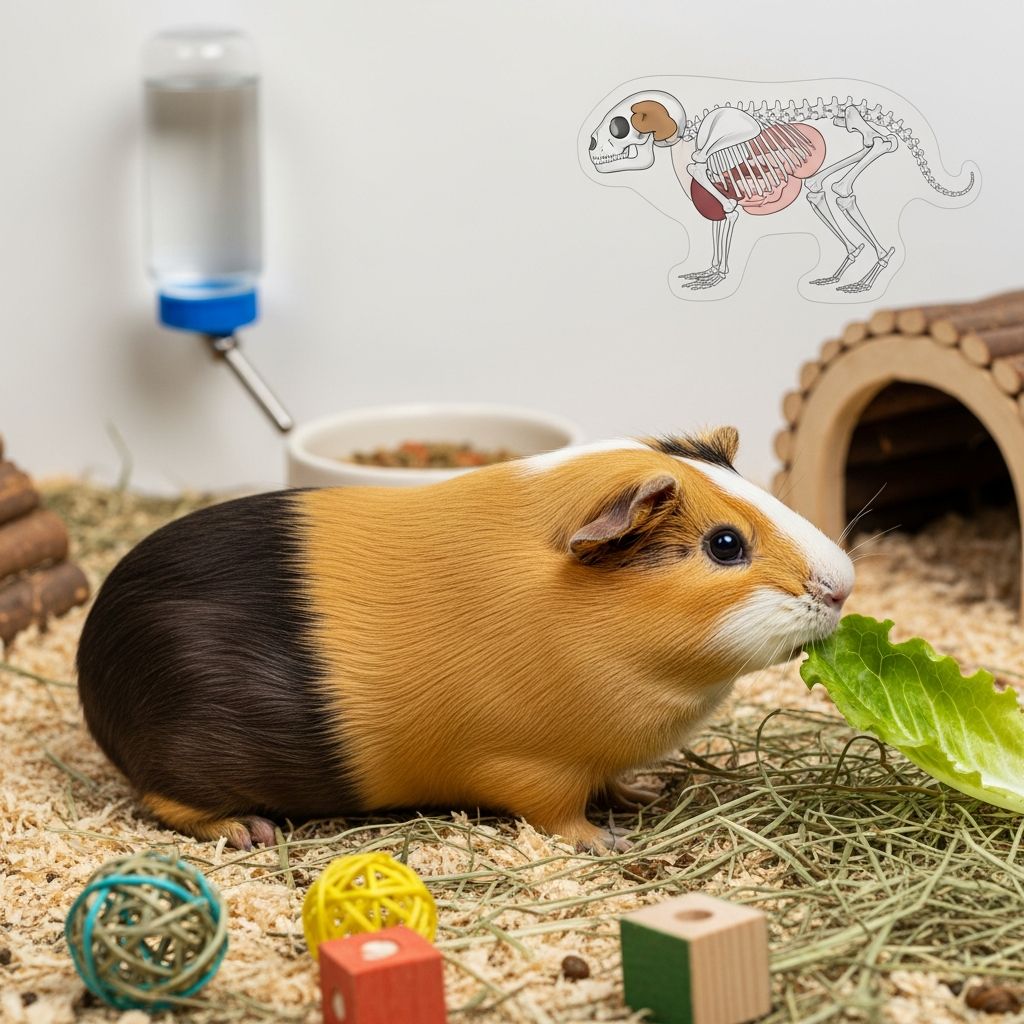
Guinea pigs, also known as cavies, are charming rodents prized for their gentle temperament and engaging personalities. Native to South America, these domesticated pets feature robust builds and distinctive traits that make them ideal companions. Understanding their physical makeup, behavioral patterns, and care requirements is crucial for fostering a healthy environment.
Physical Build and Size Variations
These animals possess a compact, cylindrical body shape supported by relatively short limbs, enabling efficient movement across ground-level terrains. Adults typically measure between 20 and 50 cm in length, with weights ranging from 700 to 1,200 grams, though males tend to be marginally larger than females. Their body temperature hovers around 37.5–39.5°C, reflecting their sensitivity to environmental changes.
A defining feature is the complete absence of a tail, distinguishing them from many rodent relatives. Limbs are adapted for terrestrial life: forelimbs bear four digits each, while hindlimbs have three, all equipped with sharp claws for traction and digging. The skull exhibits subtle sexual dimorphism, with geometric morphometric analyses revealing shape differences between sexes.
| Measurement | Range | Notes |
|---|---|---|
| Length | 20–50 cm | Includes head and body |
| Weight | 700–1,200 g | Males slightly heavier |
| Lifespan | 5–8 years | With proper care |
| Body Temp | 37.5–39.5°C | Monitor for fluctuations |
Diverse Coat Types and Colors
Fur in guinea pigs varies widely, from short and sleek to long and flowing, influencing grooming needs. Common hues include solid tan, brown, white, or black, alongside roan, tortoiseshell, and multi-patterned coats. Specialized breeds like the hairless “skinny pig” retain minimal fuzz on the face and paws, requiring moisturizing to prevent skin dryness.
- Short-haired breeds: Low-maintenance, smooth coats ideal for beginners.
- Long-haired varieties: Need regular brushing to avoid matting.
- Hairless types: Susceptible to temperature extremes; provide warmth.
- Patterned coats: Agouti ticking aids camouflage in wild ancestors.
Eye placement on the sides of the head grants a panoramic view for predator detection, though close-range vision is limited. Blunt muzzles house continuously growing incisors, necessitating chew toys to manage overgrowth.
Understanding Vocalizations and Communication
Guinea pigs are highly vocal, employing a repertoire of sounds to convey emotions and intentions. High-pitched squeaks signal excitement or hunger, while tooth chattering indicates irritation or threat. A deep rumble often denotes dominance or courtship, accompanied by swaying motions known as rumblestrutting.
Other noises include chirps for contentment, purrs during relaxation, and shrill wheeks for urgent attention. These auditory cues, combined with body language, facilitate social bonding in herds.
Social Dynamics and Group Interactions
As herd animals, guinea pigs flourish in pairs or small groups, displaying grooming, close contact sitting, and playful chases. Hierarchies form through subtle displays like piloerection, mounting, or ear-nibbling, establishing order without frequent violence. Boars may mark territory with anal gland secretions.
Solitary confinement leads to stress, manifesting as bar-chewing or self-barbering. Optimal setups include same-sex groups or neutered mixed pairs to minimize conflicts.
Daily Activity Patterns and Movement
Primarily diurnal, guinea pigs align their active periods with human schedules, foraging and exploring during daylight. Crepuscular tendencies emerge in some, with peak activity at dawn and dusk. They exhibit terricolous habits, preferring ground-level navigation over climbing, though they manage short jumps and swims reluctantly.
Enrichment through tunnels, wheels, and toys prevents boredom. Popcorning—joyful hops and twists—signals happiness and exercise.
Predator Evasion Strategies
Evolved as prey species, guinea pigs employ freezing upon detecting threats, blending via camouflage or darting to cover. Group stampedes confuse predators, while vigilance calls alert the herd. Standing on hind legs aids scent and visual scouting.
Handling Techniques for Bonding
Gentle handling from youth builds trust; support the body fully to avoid injury. They rarely bite if approached calmly, responding positively to pets under the chin. Stress signs include hiding, appetite loss, or diarrhea.
- Use both hands: one under chest, one under rump.
- Avoid sudden grabs or loud noises.
- Provide hiding spots in enclosures for security.
Reproductive Biology and Development
Females reach maturity quickly, with precocial pups born furred, eyed, and mobile, capable of solid food soon after. Polygynous in wild settings, males court via nuzzling and purring. Postpartum re-breeding risks health; allow recovery periods. Sexing involves gentle palpation: males show scrotal swellings.
Care Tips for Physical Health
Maintain spacious habitats with hiding areas, soft bedding, and vitamin C-rich diets to prevent deficiencies. Monitor nails, teeth, and skin; consult vets for issues like dystrophy or calcification.
Frequently Asked Questions
Are guinea pigs good for beginners?
Yes, their docile nature and daytime activity make them suitable, but they require social companionship and specific nutrition.
How do I know if my guinea pig is happy?
Look for popcorning, relaxed grooming, and exploratory behavior; avoid prolonged freezing or aggression.
Can guinea pigs live alone?
No, they are social and suffer in isolation; pair with compatible companions.
What is the best diet for guinea pigs?
Unlimited hay, pellets, and fresh veggies high in vitamin C; avoid sudden changes.
How often should I handle my guinea pig?
Daily short sessions build bonds, respecting their comfort cues.
References
- Cavia (cavies and Guinea pigs) — Animal Diversity Web. Accessed 2026. https://animaldiversity.org/accounts/Cavia/
- Guinea pig — Wikipedia. Accessed 2026. https://en.wikipedia.org/wiki/Guinea_pig
- Description and Physical Characteristics of Guinea Pigs — MSD Veterinary Manual. Accessed 2026. https://www.msdvetmanual.com/all-other-pets/guinea-pigs/description-and-physical-characteristics-of-guinea-pigs
- 10 Common Guinea Pig Behaviors Explained — Chewy. Accessed 2026. https://www.chewy.com/education/small-pet/guinea-pig/guinea-pig-behavior
- Understanding Guinea Pig Behaviour — Millpledge Veterinary. Accessed 2026. https://millpledge.com/blog/understanding-guinea-pig-behaviour
Similar Articles








Read full bio of medha deb