

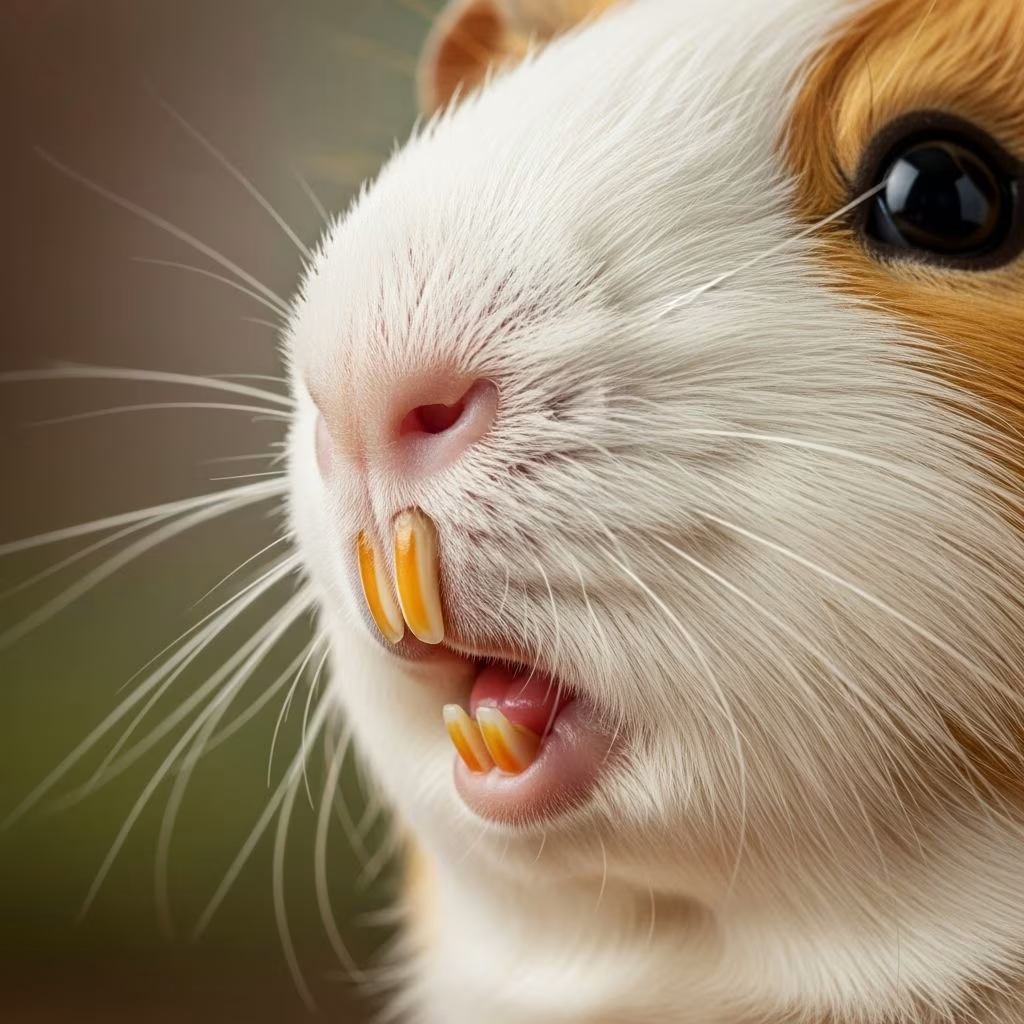
Understanding Guinea Pig Teeth
Guinea pigs possess a unique dental structure that sets them apart from many other small pets. Unlike humans whose teeth stop growing after reaching maturity, guinea pigs have continuously growing teeth throughout their entire lives. This remarkable biological feature means that proper dental care and maintenance are essential components of responsible guinea pig ownership.
Guinea pigs have three distinct types of teeth that work together to process their fibrous diet. The incisors are the narrow, sharp teeth located at the front of the mouth that are visible when your guinea pig eats or plays. Behind these front teeth are the premolars and molars, which are often hidden from view due to the fat pads in their cheeks. Many pet owners don’t realize their guinea pigs have these back teeth until a veterinarian performs a thorough examination.
The incisors are particularly distinctive in their structure. They are very long, curved, and typically white in color. The enamel has a special design: it is thicker on the front surface and thinner on the back surface, creating a natural chisel shape that continuously sharpens itself as the guinea pig chews. This self-sharpening mechanism is nature’s way of keeping these front teeth functional despite their constant growth.
How Guinea Pig Teeth Grow
The continuous growth of guinea pig teeth is an evolutionary adaptation to their natural diet of tough, fibrous grasses and vegetation. In the wild, guinea pigs spend much of their day grazing on long grasses, which naturally wears down their teeth through constant chewing and grinding. When guinea pigs chew on grass, their upper and lower incisors grind against each other, which keeps both sets trimmed to an appropriate length.
This natural grinding process is critical for maintaining dental health. As the guinea pig chews, the teeth wear down at approximately the same rate they grow, maintaining a perfect balance. Without adequate opportunities to chew on appropriate materials, guinea pig teeth can become overgrown, leading to serious health complications.
The rate of tooth growth varies slightly among individual guinea pigs, and age can play a factor in dental health. Older guinea pigs sometimes experience more dental challenges because they may not wear down their front teeth as regularly as younger, more active pigs. This is why regular dental checks become increasingly important as your guinea pig ages.
The Importance of Diet for Dental Health
The foundation of good guinea pig dental health is a proper diet. Diet is the primary factor determining whether your guinea pig will experience dental problems. Guinea pigs require a low-calorie, high-fiber diet centered on quality hay and fresh vegetables. This dietary approach naturally promotes the chewing and grinding action necessary to maintain healthy teeth.
High-quality hay should be the cornerstone of your guinea pig’s diet. Guinea pigs should have unlimited access to hay, which they can gnaw on throughout the day. This constant chewing action keeps their teeth worn down to an appropriate length while also providing essential fiber for their digestive system. The combination of these benefits makes hay an indispensable component of guinea pig care.
Fresh vegetables also play an important role in maintaining dental health. Offering your guinea pig a variety of fresh, crunchy vegetables encourages natural chewing behavior. Additionally, guinea pigs require adequate vitamin C in their diet, as deficiency can lead to dental problems by affecting the integrity of connective tissues that hold teeth in place, resulting in loose and misaligned teeth.
Some guinea pigs may benefit from gnawing on wooden accessories, salt licks, or mineral blocks. These items encourage natural chewing behavior that helps grind down teeth. However, you should always consult with your veterinarian before introducing new items to ensure they are appropriate and safe for your specific pet.
Signs of Healthy Guinea Pig Teeth
Knowing what healthy guinea pig teeth look like is the first step in identifying potential problems. Healthy guinea pig incisors should be:
- Pearly white in color
- Even in length with the lower incisors fitting under the upper incisors
- Sharp and properly aligned
- Free from visible damage or discoloration
If your guinea pig’s teeth appear yellow or discolored, this may indicate a dental problem that requires veterinary attention. Healthy teeth are a reliable indicator that your guinea pig’s diet is appropriate and that they are receiving all necessary nutrients.
Common Guinea Pig Dental Problems
Despite your best efforts, guinea pigs can develop dental issues. Understanding these problems helps you recognize warning signs early and seek treatment promptly.
Overgrown Teeth
Overgrown teeth are among the most common dental problems in guinea pigs. This typically occurs when guinea pigs don’t have adequate opportunities to chew or when their diet lacks sufficient fiber. Overgrown incisors can cause discomfort and make eating difficult. If you notice your guinea pig’s teeth are growing too long, a visit to the veterinarian is necessary for professional trimming.
Malocclusion
Malocclusion is a condition where teeth do not meet properly and therefore do not wear down evenly. This misalignment can result from congenital issues or from inadequate nutrition. Malocclusion typically affects the back molars more severely than the front incisors. Veterinary treatment often involves grinding and filing the teeth, usually under anesthesia, and may require repeated visits every few weeks until the problem is resolved.
Broken or Fractured Teeth
Guinea pigs sometimes break their teeth by chewing too hard on their cage or other inappropriate materials. A broken tooth, especially if sharp or ragged, requires veterinary attention to prevent mouth injuries. If a tooth is broken close to the root, you should flush the area with a saltwater solution to prevent infection.
Dental Abscesses
Dental infections can lead to abscess formation, which can be painful and serious if left untreated. These infections may require surgical removal of the abscess along with appropriate antibiotic therapy.
Checking Your Guinea Pig’s Teeth at Home
Regular home examinations help you catch dental problems early. Performing a weekly health check is ideal and allows your guinea pig to become accustomed to the handling. Here’s a simple step-by-step guide:
- Wash your hands thoroughly before handling
- Ask someone to hold your guinea pig securely in their lap for stability
- Sit in front of your pet at a comfortable position
- Use your forefinger and thumb to gently open your guinea pig’s mouth
- Check that the incisors are even, white, and properly aligned
- Verify that the lower set fits correctly under the upper set
- Look for visible sores, injuries, or signs of inflammation in the mouth
The more frequently you perform these checks, the more comfortable your guinea pig becomes with the process. A strong bond and a guinea pig who is accustomed to handling will make future dental examinations easier.
Professional Dental Care and Trimming
While home care prevents most dental problems, sometimes professional intervention is necessary. If you notice that your guinea pig’s teeth are starting to grow too long or have become damaged, a veterinarian can provide professional trimming.
Veterinarians use high-speed dental drills for tooth trimming rather than cutting tools, which can cause fractures. The goal of dental treatment is to restore the normal length and shape of teeth while promoting proper occlusion (bite alignment). Trimming frequency depends on the individual guinea pig, with most needing treatment every 3 to 6 months, while others may require more frequent trims every 4 to 8 weeks.
In cases of severe dental disease, tooth extraction may be necessary. Diseased teeth or those causing significant problems can be extracted by a veterinarian, often accompanied by appropriate antibiotic therapy if infection is present.
Brushing Your Guinea Pig’s Teeth
While brushing seems like a logical dental care practice, it is not actually necessary for guinea pigs. Guinea pigs do not require tooth brushing to maintain dental health, as long as they are eating a proper diet and experiencing no dental problems. Additionally, the presence of molars in the back of the mouth makes thorough brushing impractical.
However, if you wish to brush your guinea pig’s teeth as an optional supplementary care measure, it can be done safely. Use only a soft-bristled brush specifically designed for small animals. Apply a toothpaste formulated for guinea pigs, never human toothpaste. Gently insert the brush into your guinea pig’s mouth using circular motions to scrub the teeth. After brushing, provide your guinea pig with fresh water to drink.
Brushing should only be attempted if your guinea pig is comfortable with the handling and tolerates the procedure well. Most guinea pig owners find that proper diet eliminates the need for brushing entirely.
When to Contact Your Veterinarian
Certain warning signs indicate that immediate veterinary attention is necessary. Contact your veterinarian if your guinea pig:
- Stops eating or shows a significant decrease in appetite
- Has teeth that appear overgrown or misaligned
- Shows visible broken, cracked, or damaged teeth
- Has sharp or serrated edges on teeth that could injure the mouth
- Displays swelling or discharge around the mouth area
- Exhibits behavioral changes related to eating
- Has visible sores or injuries inside the mouth
Changes in eating habits are particularly important to monitor. Anorexia or reduced food intake can indicate dental pain or other serious health issues. Early intervention prevents minor problems from becoming serious complications.
Prevention: The Best Strategy
The best approach to guinea pig dental health is prevention through proper diet and regular monitoring. Since most dental problems in guinea pigs relate to diet, client education is crucial for preventing dental issues. By providing your guinea pig with unlimited high-quality hay, fresh vegetables, appropriate vitamin C, and safe chewing materials, you establish the foundation for a lifetime of healthy teeth.
Regular weekly health checks allow you to identify any emerging problems before they become serious. Combined with a proper diet, these preventive measures keep the vast majority of guinea pigs free from dental disease.
Frequently Asked Questions
Q: How often should guinea pig teeth be trimmed?
A: With a proper diet and chewing opportunities, guinea pig teeth should rarely need trimming. Most guinea pigs requiring professional trimming need it every 3 to 6 months, though some may need more frequent trims every 4 to 8 weeks depending on individual circumstances.
Q: Can guinea pig teeth stop growing?
A: No, guinea pig teeth grow continuously throughout their entire lives. This is a natural adaptation to their grazing lifestyle. The key is ensuring adequate chewing opportunities to wear them down at the same rate they grow.
Q: What should I feed my guinea pig to maintain healthy teeth?
A: Guinea pigs need unlimited access to high-quality hay, fresh vegetables, and a diet rich in vitamin C. This combination naturally promotes chewing and grinding that maintains healthy teeth.
Q: Do guinea pigs really have back teeth?
A: Yes, guinea pigs have molars and premolars in addition to their visible incisors. These back teeth are often hidden by fat pads in the cheeks, which is why many owners don’t realize they exist.
Q: Is tooth brushing necessary for guinea pigs?
A: No, brushing is not necessary for guinea pigs. A proper diet with adequate hay and chewing materials naturally maintains dental health.
Q: What does it mean if my guinea pig’s teeth are yellow?
A: While some rodent species naturally have yellow teeth, guinea pig teeth should be pearly white. Yellow discoloration may indicate a dental problem requiring veterinary attention.
References
- The Complete Guide to Guinea Pig Teeth — GuineaDad. 2025. https://www.guineadad.com/blogs/news/the-complete-guide-to-guinea-pig-teeth
- The Ultimate Guide to Guinea Pig Teeth — Kavee. 2025. https://kavee.com/blogs/the-piggy-blog/guinea-pig-teeth
- Essential Guide to Guinea Pig Dental Care and what to do — New Vet Equipment. 2024. https://newvetequipment.com/blog/dental-care-in-guinea-pigs
- A Guide to Guinea Pig Teeth — PBS Pet Travel. 2024. https://www.pbspettravel.co.uk/blog/a-guide-to-guinea-pig-teeth/
- Dental Care For Rabbits & Guinea Pigs — Petbarn. 2024. https://www.petbarn.com.au/petspot/small-animal/care-and-maintenance-small-animal/dental-care-rabbits-guinea-pigs/
- Guinea pig teeth – how to keep them healthy — Supreme Petfoods. 2025. https://supremepetfoods.com/blog/guinea-pig-teeth-how-to-keep-them-healthy/
- Vet Guide 2025: Guinea Pig Teeth Trimming Frequency – Expert Advice by Dr. Duncan Houston — AskAVet. 2025. https://askavet.com/blogs/news/vet-guide-2025-guinea-pig-teeth-trimming-frequency-expert-advice-by-dr-duncan-houston



