

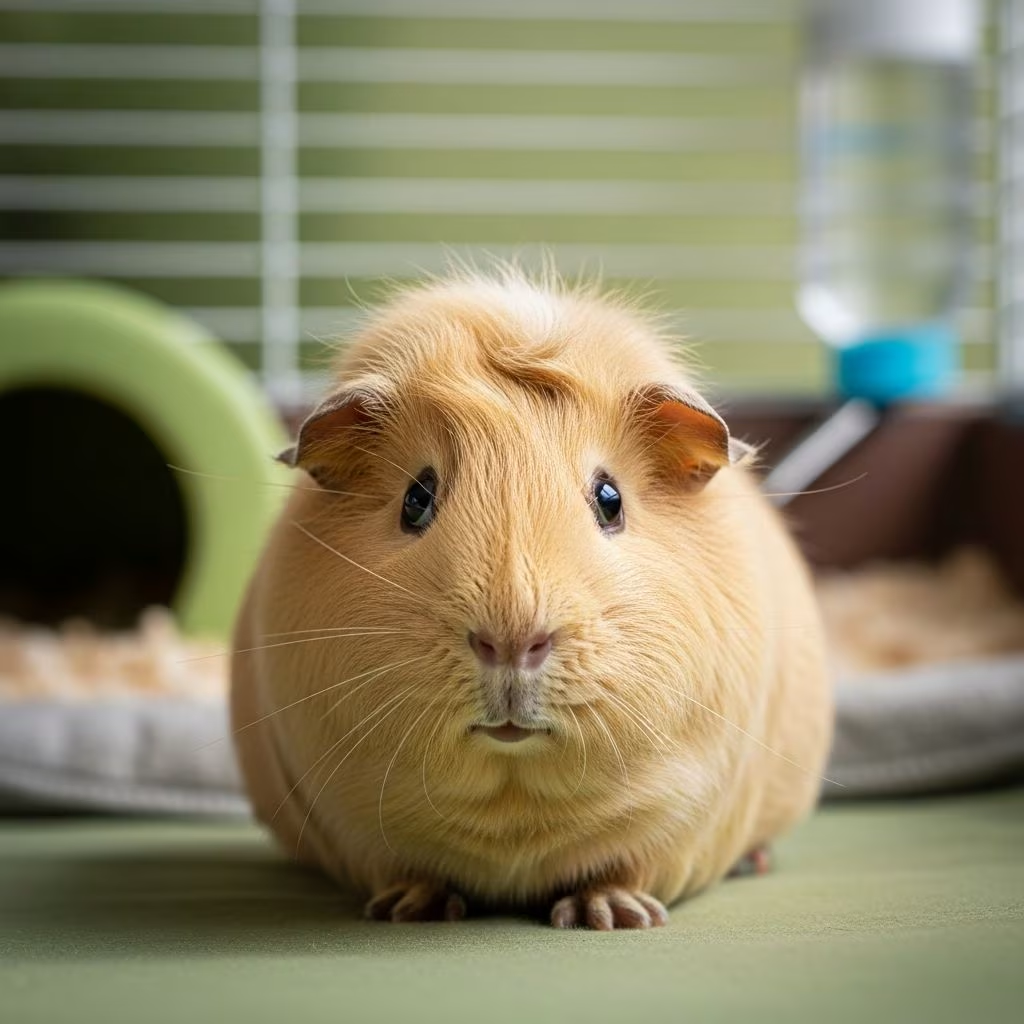
Understanding Guinea Pig Stress Signs
Guinea pigs are naturally cautious and easily frightened animals. As prey animals in the wild, they have evolved to be alert to potential dangers. However, when confined to a cage, they cannot escape from stressors the way they would in their natural habitat. This creates a challenging situation where prolonged exposure to stress can significantly impact their physical and mental health. Understanding the signs of stress is essential for any guinea pig owner who wants to provide their pet with a comfortable and secure living environment.
Recognizing stress in your guinea pig requires careful observation of their behavior and physical condition. According to veterinary experts, stress signs can range from aggressive behavior such as head tossing or teeth baring to depression, lethargy, and loss of appetite. The good news is that your guinea pig’s behavior provides the best indicator of how they are feeling. By learning what to look for, you can intervene early and help your pet feel safer and more secure.
Behavioral Stress Indicators
When guinea pigs experience stress, they often display distinct behavioral changes that serve as warning signs to attentive owners. These behavioral indicators are typically the first clues that something is causing your pet anxiety or discomfort.
Hiding and Seclusion
One of the most common signs of stress is when your guinea pig hides excessively and refuses to come out of their nest box. A stressed guinea pig may retreat to their favorite hiding spot and remain there for extended periods, avoiding interaction and social contact. This withdrawal behavior indicates that your pet feels unsafe or threatened in their environment.
Sleep Patterns and Activity Changes
Excessive sleeping and reluctance to move are classic signs of stress in guinea pigs. While guinea pigs do sleep a considerable amount normally, a sudden increase in sleep duration or a notable decrease in activity levels suggests something is wrong. Additionally, stressed guinea pigs may appear lethargic and unmotivated to engage in their normal activities like foraging, playing, or interacting with cage mates.
Nervousness and Freezing
A nervous guinea pig will appear constantly alert and almost never lies down when someone is in the room. They may freeze in place when startled, remaining motionless as a defensive mechanism. This behavior reflects their prey animal instincts, where staying still helps them avoid detection by potential predators.
Unwillingness to Be Handled
Stressed guinea pigs often resist being held or cuddled, actively avoiding human contact. If your normally affectionate guinea pig suddenly refuses to be picked up or pulls away when you try to pet them, this change in behavior warrants attention. This reluctance to be handled is their way of expressing discomfort or fear.
Aggression and Irritability
Stress can manifest as aggression toward you or other guinea pigs in the cage. Your guinea pig may display head tossing, baring teeth, hissing, or chattering as aggressive displays. Teeth chattering can also indicate that your guinea pig feels unsure, impatient, or threatened by something in their environment.
Cage Chewing and Destructive Behaviors
Stressed guinea pigs may chew on their cage bars or hutch excessively, a behavior that often stems from anxiety and frustration. This destructive behavior, combined with other stress indicators, suggests your guinea pig needs environmental modifications or stress reduction interventions.
Repetitive and Abnormal Behaviors
Watch for repeatedly circling the enclosure, sitting hunched in corners, or other repetitive behaviors that deviate from your guinea pig’s normal routine. These compulsive behaviors often indicate chronic stress that requires immediate attention.
Physical and Appetite-Related Stress Signs
Stress doesn’t only affect guinea pig behavior—it also manifests through physical symptoms and changes in eating and elimination patterns. These physical indicators are often among the most concerning signs of prolonged stress.
Poor Appetite and Weight Loss
A loss of appetite is often one of the first signs of illness, but it can also indicate stress, especially in newly arrived guinea pigs. Guinea pigs are typically very hungry animals, so a piggy that only eats very little is cause for concern. Weight loss exceeding 50 grams may signal that your guinea pig is either sick or severely stressed. When observing your guinea pig eating, try to keep some distance and avoid startling them, as this may exacerbate their stress-related appetite loss.
Hair Loss and Over-Grooming
Stress can trigger excessive grooming behaviors, leading to hair loss or bald patches. When guinea pigs are stressed, they may obsessively groom themselves or engage in over-grooming that damages their coat and skin. This self-directed behavior can result in visible bald spots and a disheveled appearance.
Changes in Feeding and Toileting Habits
Stressed guinea pigs may alter their normal feeding and toileting routines. These changes in bathroom habits can include diarrhea and digestive upset, which stress can trigger. Monitoring your guinea pig’s waste output and consistency can provide valuable clues about their stress levels.
Vocal Stress Signals
Guinea pigs communicate through various vocalizations, and certain sounds specifically indicate stress or fear. Learning to distinguish between normal guinea pig sounds and stress-related vocalizations helps you respond appropriately to your pet’s needs.
Chirping Sounds
Guinea pig chirping is a relatively rare and mysterious sound. Intermittent chirps or consistent chirping from your guinea pig implies that they’re feeling uneasy and their alert systems have been raised. While they’re not in full-blown panic mode yet, chirping indicates your guinea pig senses something threatening in their environment. Speaking in a calm voice and removing or demystifying any perceived threat is the way to de-escalate your guinea pig’s concerns.
Purring and Grumbling
Unlike cats, when a guinea pig purrs, it sounds more like a low grumble, and this usually means they’re afraid. Calmly reassuring your guinea pig and allowing them a quiet, private space to regroup is the best approach when you hear these stress vocalizations.
Shrieking and Panic Sounds
Shrieking occurs when your guinea pig feels terrified, indicating a perceived life-or-death situation from their perspective. Their little bodies are pumping out adrenaline to help them escape to safety. This is the most urgent stress vocalization and requires immediate intervention to remove or neutralize the threatening stimulus.
Common Stress Triggers for Guinea Pigs
Understanding what causes stress in guinea pigs is crucial for prevention. By identifying and eliminating common stressors, you can significantly improve your pet’s wellbeing and reduce anxiety-related health problems.
Environmental Stressors
Guinea pigs should be housed in a quiet area away from other pets or activity. Common environmental stressors include:
- Loud or scary sounds like growls or sudden noises
- Strong smells that overwhelm their sensitive olfactory system
- Signs of predators or aggressive animals nearby
- Dirty cages that create unsanitary living conditions
- Inadequate space for exercise and natural behaviors
Social and Handling Stressors
Guinea pigs have specific preferences about how they want to be handled and who handles them. Common social stressors include being touched in wrong spots or at wrong times, being handled recklessly or against their will, and conflicts with other guinea pigs in the cage. Additionally, being chased or annoyed by cage mates can create significant stress.
Routine and Environmental Changes
Guinea pigs are creatures of habit, and deviations from their established routines can cause stress. Other stressors include temperature changes, traveling, unexpected movements and being startled, and even activities like nail clipping or bathing.
Health Consequences of Chronic Stress
When guinea pigs experience prolonged stress without adequate recovery time, serious health consequences can develop. Understanding these potential outcomes emphasizes the importance of stress management for your pet’s wellbeing.
Chronic stress can cause increased risk for disease, digestive upset resulting in diarrhea and weight loss, irritability and aggression often leading to unwanted behaviors like ear nibbling and hair pulling, and depression with decreased activity. The mechanism behind these health impacts is significant: without the de-stressing effect of a threat being neutralized, guinea pig bodies consistently use up their stores of adrenaline, leaving them exhausted. An overly excited autonomic nervous system continues scanning for threats, interrupting sleep, spiking cortisol levels, and making recovery nearly impossible. Over time, the body’s pH scale shifts toward acidic, inflammation ensues, and diseases may follow.
Recognizing Stress in Different Guinea Pig Personality Types
Just as humans have different personality types, so do guinea pigs. Some guinea pigs are naturally more anxious, while others are more laid-back. Recognizing stress in your particular guinea pig requires understanding their individual baseline behavior and temperament.
Certain health concerns arise particularly when guinea pigs are unable to flee or hide when they feel afraid or in danger, when scary or startling situations become frequent or unrelenting, and when guinea pigs are unable to rest and appropriately recover from frightening or traumatic situations. Individual personality traits influence how each guinea pig displays stress, so careful observation of your specific pet’s normal behavior patterns is essential for accurate stress recognition.
Creating a Stress-Free Environment
The best approach to managing guinea pig stress is prevention through environmental modification. By implementing these strategies, you can significantly reduce stress triggers and create a secure, comfortable home for your pet.
Enclosure Size and Space
Guinea pigs are incredibly active and spend a large portion of their day foraging for food, playing with one another, and exercising. If their hutch is too small and they don’t have enough space for these activities, they will become stressed. Providing adequate space is fundamental to stress prevention.
Proper Nutrition and Feeding Practices
Ensure your guinea pig receives appropriate nutrition to support their health. When observing stressed guinea pigs while eating, maintain some distance to avoid startling them, as this can worsen their stress-related appetite loss.
Quiet and Safe Housing Location
House guinea pigs in a quiet area away from other pets or high-activity zones. Avoid placing their cage near televisions, loud appliances, or areas where children play roughly. A calm, secluded location helps your guinea pig feel secure and reduces stress from environmental stimuli.
What to Do When You Notice Stress Signs
If you observe stress indicators in your guinea pig, take these steps to address the situation:
- Remove or neutralize any obvious stressors in the environment
- Provide a quiet, private space where your guinea pig can retreat and recover
- Maintain a calm demeanor and speak in soothing tones
- Check for signs of illness, as stress and illness often occur together
- Consult a veterinarian if stress signs persist or are accompanied by health symptoms
- Evaluate cage conditions, including size, cleanliness, and environmental enrichment
- Review your handling practices and adjust to be gentler and less frequent if needed
Frequently Asked Questions About Guinea Pig Stress
Q: Is it normal for guinea pigs to be nervous?
A: Yes, guinea pigs are naturally nervous animals as prey species. However, if your guinea pig is always easily startled and doesn’t seem to calm down, you might be stressing them, and intervention is necessary to help them feel more secure.
Q: How can I tell if my guinea pig’s poor appetite is from stress or illness?
A: Poor appetite can indicate either stress or illness. If your guinea pig is newly arrived or exposed to recent environmental changes, stress is likely the cause. However, if accompanied by other symptoms like diarrhea or weight loss, consult a veterinarian to rule out illness.
Q: What does it mean when my guinea pig chatters its teeth?
A: Teeth chattering can indicate stress, fear, or discomfort. When a guinea pig feels unsure, impatient, or threatened, it often chatters its teeth. This vocalization is a stress signal that warrants investigation into environmental or social stressors.
Q: How much space does my guinea pig need to avoid stress?
A: Guinea pigs need substantial space for foraging, playing, and exercising. A larger enclosure reduces stress and allows natural behaviors. Research current guidelines for minimum enclosure sizes and provide enrichment items to encourage activity.
Q: Can stress cause serious health problems in guinea pigs?
A: Yes, chronic stress can lead to increased disease risk, digestive upset, hair loss, depression, and decreased activity. Prolonged stress weakens the immune system, making guinea pigs more susceptible to infections and illness.
Q: What should I do if I notice my guinea pig is stressed?
A: First, identify and remove stressors. Provide a quiet, safe space for your guinea pig to recover. Maintain calm interactions, evaluate your cage setup, and consult a veterinarian if stress signs persist or are accompanied by health problems.
Q: Is head tossing always a sign of stress?
A: Head tossing can indicate stress or aggression, but it can also be a normal behavior. If accompanied by other stress signs like teeth baring, hiding, or appetite loss, it likely indicates stress. Assess the overall behavioral context.
Q: How long does it take for a stressed guinea pig to recover?
A: Recovery time varies depending on the severity and duration of stress. With stressor removal and appropriate environmental changes, some guinea pigs recover quickly, while others may need weeks to return to normal. Patience and consistency are essential.
References
- Guinea Pig Stress Signs — Chewy. 2024. https://www.chewy.com/education/small-pet/guinea-pig/guinea-pig-stress-signs
- Stressed Guinea Pig? How to Spot the Signs — Home and Roost. 2024. https://homeandroost.co.uk/blogs/guinea-pigs/stressed-guinea-pig
- Guinea Pig Chirping and Other Signs of Stress — GuineaDad. 2024. https://www.guineadad.com/blogs/news/guinea-pig-chirping-and-other-signs-of-stress
- 6 Signs You’re Stressing Your Guinea Pig — YouTube. 2024. https://www.youtube.com/watch?v=nXEkVrtdeWk
- AC Aids: Guinea Pigs – Stress — USDA APHIS. 2020. https://www.aphis.usda.gov/sites/default/files/acaid-guinea-pig-stress.pdf



