

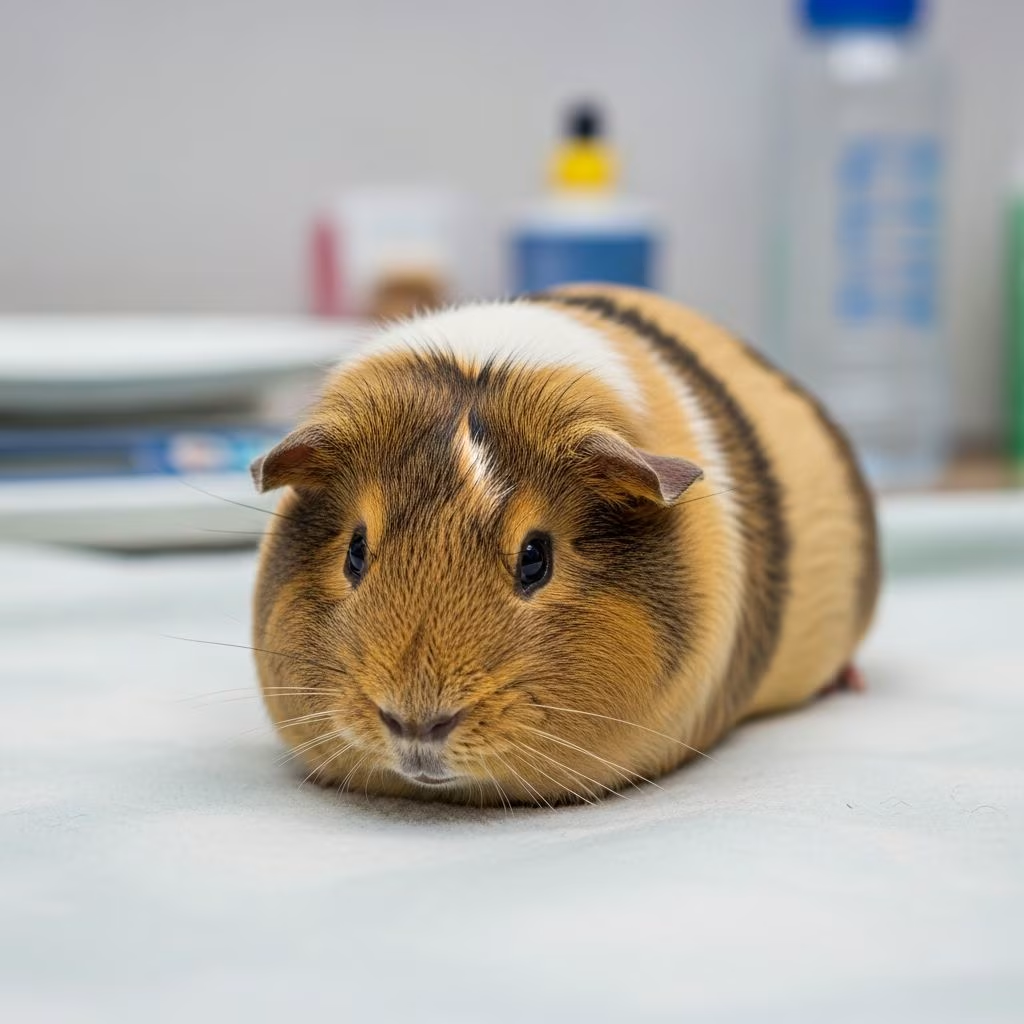
Understanding Guinea Pig Appetite Loss and Reduced Activity
When your guinea pig stops eating or shows a significant decrease in movement, these signs demand immediate attention. Loss of appetite and lethargy are non-specific but urgent indicators of distress that can be linked to a wide range of conditions affecting your small pet. Guinea pigs are prey animals by nature, which means they instinctively hide signs of illness until they become severely unwell. By the time you notice your guinea pig refusing food or sitting motionless in a corner, the underlying problem may already be advanced.
The combination of reduced eating and reduced movement is particularly concerning because guinea pigs can deteriorate rapidly once they stop consuming food. A guinea pig that does not eat for an extended period can develop serious complications, including liver problems and even death. This is why seeking veterinary care immediately is critical whenever you observe these warning signs in your pet.
Common Causes of Appetite Loss and Immobility in Guinea Pigs
Dental Disease
Dental problems are among the most common reasons guinea pigs stop eating. Guinea pigs’ teeth grow continuously throughout their lives, and misalignment of upper and lower teeth—a condition called malocclusion—can cause tooth overgrowth and sharp edges that make chewing painful. When teeth become misaligned, your guinea pig may experience significant discomfort while attempting to eat, leading to a gradual reduction in food intake.
Dental disease can develop due to poor genetics, insufficient chewing (often from not enough hay consumption), or vitamin C deficiency. The problem is particularly insidious because the molars at the back of the mouth frequently cause problems even when the front teeth appear normal to the naked eye. If your guinea pig drools, stops eating, or shows signs of mouth pain, veterinary examination with possible skull x-rays is necessary to assess the extent of dental disease.
Digestive and Gastrointestinal Issues
Digestive problems are extremely common in guinea pigs and usually stem from inappropriate diets or infections. Signs of digestive upset include diarrhea, small stools, weight loss, low energy, lack of appetite, and dehydration. Some guinea pigs may decline rapidly and die suddenly, while others show rough fur, staining around the rear end, hunched posture, dull eyes, stomach pain, and weakness.
Sudden dietary changes are a primary trigger for stomach upset in guinea pigs. The guinea pig digestive system relies on a delicate balance of gut bacteria, which can be disrupted when diet changes abruptly. Additionally, insufficient hay intake can lead to diarrhea, painful gas, bloating, and loss of appetite. Hay provides essential dietary fiber that maintains normal gut bacteria responsible for proper digestion. A lack of hay or too many pellets (which are high in carbohydrates) can compromise digestive health significantly.
Respiratory Infections and Pneumonia
Respiratory disease is fairly common in guinea pigs and can progress quickly, often leading to complete loss of appetite and reduced activity. Pneumonia is a leading cause of death, especially in young guinea pigs, and is usually caused by bacteria. Signs of respiratory disease include nasal or eye discharge or redness, sneezing, difficulty breathing, weight loss, weakness, and loss of appetite. Breathing problems in guinea pigs can also be caused by other issues such as heart problems, stress, or heat stroke.
If your guinea pig is having difficulty breathing, this constitutes a medical emergency requiring immediate veterinary attention. The combination of breathing problems and refusal to eat indicates the infection has progressed significantly and requires urgent care.
Stress and Environmental Factors
Stress is a significant contributor to appetite loss in guinea pigs. Environmental changes, such as moving to a new cage, introduction of new pets, loud noises, or changes in routine, can trigger stress-related appetite loss. Additionally, exposure to extreme temperatures—whether too hot or too cold—can cause guinea pigs to stop eating and become lethargic. Insufficient access to fresh water can also lead to dehydration and loss of appetite.
Heat stroke is particularly dangerous in guinea pigs and can occur when temperatures become too high. Heat-related distress can lead to severe breathing problems and can be fatal, making temperature control essential for guinea pig health and safety.
Infections and Metabolic Conditions
Various infections, including bacterial, viral, and parasitic infections, commonly cause loss of appetite in guinea pigs. Metabolic conditions such as ketosis—in which the liver produces excess amounts of digestive byproducts—can also trigger appetite loss. Ear infections often affect the middle or inner ear and can occur with respiratory disease, causing decreased appetite from pain when chewing. Eye infections (conjunctivitis) in guinea pigs cause watering, crusting, and redness and are often linked to the bacteria that cause respiratory infections.
Warning Signs and Symptoms to Watch For
Understanding the warning signs of serious health problems in guinea pigs allows you to seek help quickly. The main symptoms to watch for include:
- Eating less or not eating at all
- Signs of pain such as grinding teeth, not wanting to be touched, or squeaking loudly
- Significant weight loss or weight gain, especially over a short time period
- Swellings, lumps, and bumps anywhere on the body
- Fast, noisy, or heavy breathing
- Diarrhea or loose droppings
- Increased drinking or urination
- Lack of energy or sleeping more than usual
- Skin rashes, flaky skin, or hair loss
- Limping or difficulty moving
- Bleeding or finding blood in the cage
- Visible wounds
- Runny eye or nose, especially if eyes are red or discharge is thick
- Overgrown or misaligned teeth
- Drooling or “slobbers”
Recognizing Immediate Medical Emergencies
Certain conditions require emergency veterinary care without delay. If your guinea pig is having difficulty breathing or showing signs of respiratory distress, contact your veterinarian immediately. Severe diarrhea combined with complete refusal to eat also constitutes an emergency, as dehydration and nutrient loss can become critical very quickly. Additionally, if you observe bleeding, severe injuries, or signs of extreme pain, emergency care is necessary.
When a guinea pig stops eating and stops moving simultaneously, this combination is particularly serious. This presentation can indicate advanced disease, stress-related stasis (where the digestive system stops functioning), or acute infection. The longer your guinea pig goes without eating, the more likely it is to develop secondary complications.
What to Do If Your Guinea Pig Stops Eating or Moving
Immediate Steps
If you notice your guinea pig has stopped eating or is barely moving, take action immediately. First, isolate your guinea pig in a quiet, stress-free environment away from other animals. This reduces additional stress that might exacerbate the condition. Ensure your guinea pig has access to fresh water and soft foods such as vegetables or hay if it can still eat.
Check your guinea pig’s living environment. Verify that the temperature is appropriate (between 65-75°F is ideal), that the cage is clean, and that your pet is not being exposed to drafts or excessive heat. Remove any potential stressors if possible.
Monitor your guinea pig closely for changes in condition. Keep track of any food or water consumption, activity level, and bowel movements. This information will be valuable when you speak with your veterinarian.
Veterinary Care
Schedule a veterinary appointment as soon as possible. If your regular veterinarian cannot see your guinea pig immediately and the condition appears severe, seek emergency veterinary care. When you contact your vet, describe all symptoms you’ve observed, including when the appetite loss began, what your guinea pig’s diet has been, any recent changes in the environment, and any other health concerns.
Your veterinarian will conduct a thorough physical examination and may recommend laboratory tests to identify infectious-causing factors. X-rays may be necessary to assess dental health or identify other internal issues. The veterinarian will work to diagnose the underlying cause and develop an appropriate treatment plan.
Supportive Care
During recovery, your guinea pig may need special nutritional support. Your veterinarian may recommend commercial hand-feeding formulas, ground-up pelleted chow, or vegetable baby foods to ensure adequate nutrition. Vitamin C supplements are sometimes necessary, particularly if dental disease or malnutrition is involved.
If your guinea pig refuses to eat despite treatment of the underlying condition, your veterinarian may recommend force-feeding or assisted feeding to maintain nutrition and prevent further deterioration. This should only be done under professional guidance to avoid injury or aspiration.
Treatment Based on Underlying Causes
Treatment depends entirely on the underlying cause of appetite loss and reduced activity. For dental disease, your veterinarian may need to clip or file teeth to restore proper alignment and reduce pain. Chronic dental cases may require regular, repeated dental trimming every month or more frequently.
If digestive upset is the cause, treatment typically involves dietary modifications. Increasing hay intake and reducing pellet consumption can help restore normal gut bacteria. Your veterinarian may prescribe probiotics to restore beneficial digestive bacteria. Infections are treated with appropriate antibiotics or antiparasitic medications as needed.
For respiratory infections, antibiotics are typically prescribed, though treatment should always follow the veterinarian’s instructions carefully. Always monitor your guinea pig for reactions to medications, such as decreased appetite or diarrhea, and report these to your vet immediately.
Prevention Strategies
While various causes of appetite loss exist, several prevention strategies can help reduce the likelihood of this serious condition:
- Provide a well-balanced, healthy diet with unlimited timothy hay, appropriate pellets, and fresh vegetables daily
- Maintain a clean, stress-free living environment at appropriate temperatures
- Ensure constant access to fresh, clean water
- Avoid sudden dietary changes; introduce new foods gradually over several days
- Provide adequate vitamin C through proper diet or supplementation
- Schedule regular veterinary check-ups to catch health problems early
- Ensure your guinea pigs have adequate space and social interaction if they live with other guinea pigs
- Protect your guinea pigs from extreme temperatures and drafts
Frequently Asked Questions
Q: How long can a guinea pig survive without eating?
A: Guinea pigs can only survive a few days without food. If a guinea pig does not eat for a long period, its condition may worsen quickly, resulting in liver problems and even death. This is why immediate veterinary attention is crucial.
Q: Is loss of appetite always an emergency in guinea pigs?
A: Yes, any significant loss of appetite in guinea pigs should be treated as urgent. Even partial appetite loss (inappetence) can indicate serious underlying health problems that require veterinary evaluation.
Q: Can stress alone cause my guinea pig to stop eating?
A: Yes, stress from environmental changes, loud noises, new pets, or routine disruptions can cause guinea pigs to lose appetite. However, other conditions should be ruled out through veterinary examination.
Q: What should I feed a guinea pig that won’t eat regular food?
A: If your guinea pig won’t eat regular food, try offering soft vegetables, ground-up pellets, or vegetable baby food. However, you must also address the underlying cause of appetite loss with veterinary help.
Q: How can I tell if my guinea pig has dental problems?
A: Signs of dental problems include drooling, reluctance to eat, weight loss, mouth bleeding, and visibly overgrown or misaligned teeth. If you notice any of these signs, seek veterinary care immediately.
Q: What is guinea pig stasis and why is it dangerous?
A: Stasis occurs when the guinea pig’s digestive system stops functioning, often triggered by lack of food intake, stress, or dehydration. It is dangerous because it can lead to rapid decline and death if not treated promptly.
Q: Should I try home remedies before seeing a vet?
A: No. When your guinea pig stops eating or moving, professional veterinary care should not be delayed. Home remedies may waste critical time and allow the condition to worsen.
References
- Guinea Pig Health — People’s Dispensary for Sick Animals (PDSA). Accessed 2025. https://www.pdsa.org.uk/pet-help-and-advice/looking-after-your-pet/small-pets/guinea-pig-health
- Loss of Appetite in Guinea Pigs — PetMD. Accessed 2025. https://www.petmd.com/exotic/conditions/digestive/c_ex_gp_appetite_loss
- Common Health Problems of Guinea Pigs — Merck Veterinary Manual. Accessed 2025. https://www.merckvetmanual.com/all-other-pets/guinea-pigs/common-health-problems-of-guinea-pigs
- Guinea Pig Stops Eating or Moving — Whiskers Paws Love. Accessed 2025. https://whiskerspawslove.org/article/guinea-pig-stops-eating-or-moving/



