

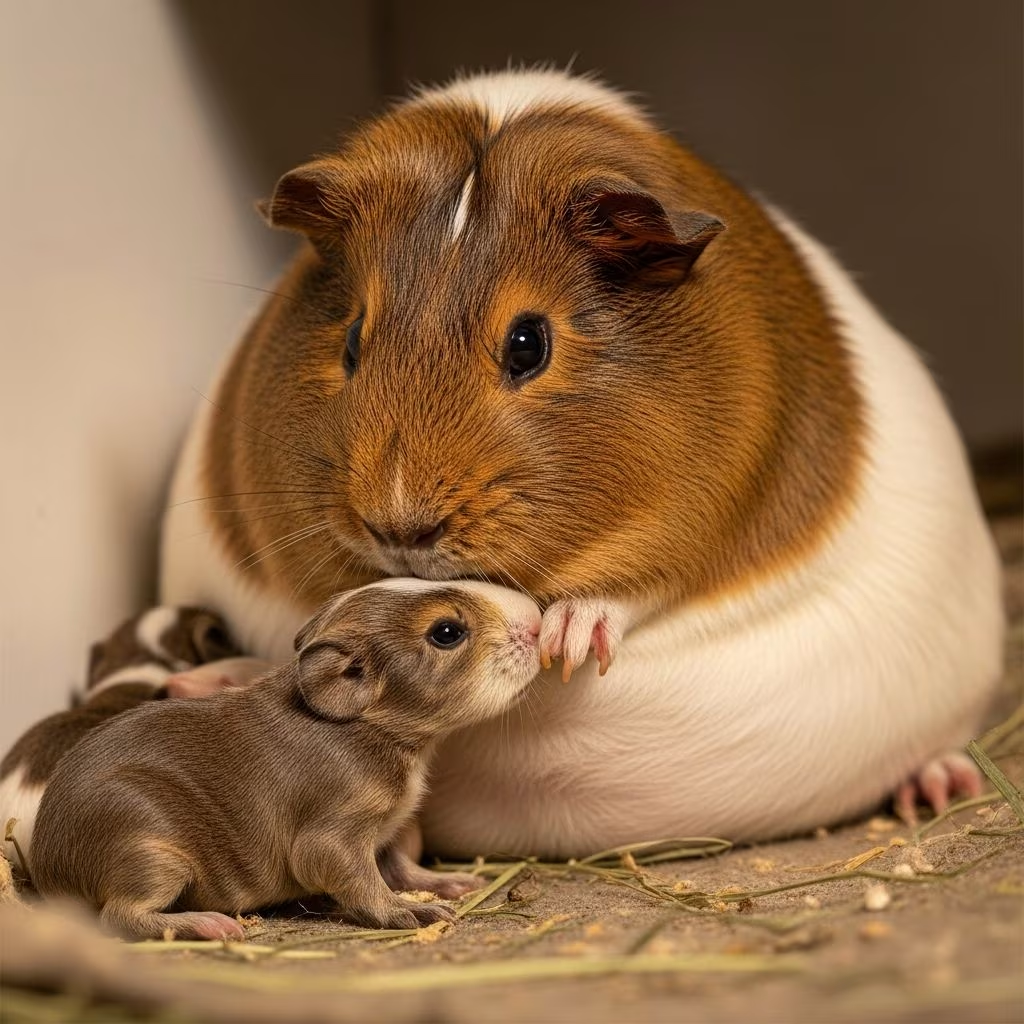
Pregnancy in Guinea Pigs: Everything You Need to Know
Guinea pig pregnancy is an exciting time for pet owners, but it requires careful attention and preparation to ensure the health and safety of both the mother and her pups. Understanding the basics of guinea pig gestation, proper nutrition, monitoring, and labor care is essential for a successful pregnancy and delivery. This comprehensive guide covers everything you need to know about caring for your pregnant guinea pig.
Understanding Guinea Pig Pregnancy Basics
Guinea pig pregnancies typically last between 60 to 70 days, making them relatively long compared to other small rodents. During this time, significant changes occur in the mother’s body as she prepares to deliver her litter. A typical guinea pig litter consists of one to six babies, though larger litters are possible. It’s important to recognize early signs of pregnancy so you can begin adjusting care immediately.
Early detection is challenging since guinea pigs often show minimal physical signs during the first few weeks of gestation. The most reliable way to confirm pregnancy is through veterinary examination, which may include palpation, X-rays, or ultrasound to assess fetal development and ensure the mother’s health.
Visiting Your Veterinarian
One of the most critical steps in managing guinea pig pregnancy is scheduling a veterinary appointment with a veterinarian experienced in exotic pets or small animal medicine. Your vet will perform a thorough examination to assess the pregnancy’s progress and identify any potential complications early. During the visit, your veterinarian will gently palpate the mother’s belly and pelvis and may take X-rays to evaluate the size and number of fetuses and assess the mother’s pelvic canal structure.
Ultrasound may also be performed to confirm that fetuses are alive and developing properly. This early intervention is particularly important for high-risk pregnancies, such as those in very young or older guinea pigs, obese females, or those with existing health conditions. Your vet can also provide guidance specific to your guinea pig’s health profile and answer any questions about the upcoming delivery.
Feed a Healthy Diet
Proper nutrition is fundamental to a healthy guinea pig pregnancy. The recommended diet for pregnant guinea pigs includes high-quality, vitamin C-enriched pellets formulated specifically for guinea pigs, supplemented with fresh hay and vegetables. However, it’s crucial to avoid overfeeding pellets, as excessive pellet consumption can cause fetuses to grow too large, potentially complicating delivery.
Essential Nutritional Components
During pregnancy, a guinea pig’s nutritional requirements increase dramatically. The mother’s need for vitamin C doubles to approximately 20 milligrams daily, compared to the standard 10 milligrams for non-pregnant guinea pigs. Fresh fruits and vegetables rich in vitamin C should be provided daily, as vitamin C degrades quickly after cutting or refrigeration.
Calcium requirements also increase significantly during late pregnancy, as the developing fetuses draw calcium from the mother’s body for bone development. Providing adequate dietary calcium through calcium-rich vegetables and alfalfa hay helps prevent calcium deficiency and related complications. Alfalfa or lucerne hay is particularly beneficial during pregnancy due to its higher protein and calcium content, though it should be supplemented with regular grass hay.
The pregnant sow’s overall food consumption may triple during late pregnancy, and her weight can double. To accommodate this increased demand, provide unlimited hay and ensure constant access to fresh, clean water. Fresh vegetables should be offered daily in generous portions, including leafy greens like kale, spinach, and bell peppers.
Recommended Daily Diet
A balanced daily diet for a pregnant guinea pig should include:
- Unlimited grass hay or grass hay supplemented with alfalfa
- Limited high-quality commercial pellets (approximately one-quarter cup per guinea pig daily)
- Fresh, green leafy vegetables
- Bite-sized chunks of fruit rich in vitamin C
- Constant supply of fresh, clean drinking water
It’s vital that all guinea pigs receive adequate vitamin C supplementation throughout their lives, regardless of pregnancy status, since guinea pigs cannot synthesize their own vitamin C. Check pellet packaging to ensure vitamin C enrichment, and provide supplemental vitamin C through fresh produce.
Provide Proper Bedding
Although no special bedding is required for pregnant guinea pigs, selecting appropriate bedding is important for health and comfort. Non-toxic bedding is essential, as pregnant guinea pigs may consume bedding material, particularly if they experience stress or nutritional deficiencies. Paper-based bedding is an excellent choice because it is non-toxic if ingested and provides a comfortable substrate for burrowing and nesting behavior.
Maintaining clean bedding throughout pregnancy is critical, as ammonia fumes from wet or soiled bedding can damage developing fetuses and harm the mother’s respiratory system. Spot-clean the cage daily by removing soiled bedding and uneaten food, and perform complete bedding changes at least twice weekly or more frequently if needed. As the delivery date approaches, avoid major housing or cage rearrangements, as these changes can cause stress that may trigger pregnancy complications.
Monitoring Your Pregnant Guinea Pig
Close monitoring of the pregnant guinea pig is essential throughout gestation, particularly during the final weeks before delivery. Regularly observe your sow’s appetite, behavior, activity level, and waste elimination patterns. Check on her every 3 to 4 hours to detect any changes that might indicate illness or complications.
What to Monitor
- Appetite and food consumption patterns
- Water intake and hydration status
- Activity level and mobility
- Waste elimination frequency and consistency
- Attitude and responsiveness
- Abdominal distension and weight gain
- Signs of discharge or bleeding
As pregnancy progresses, the mother’s abdomen will become increasingly distended as fetuses develop. In late pregnancy, the sow may have difficulty moving around due to her enlarged belly. Ensure easy access to food and water by placing these items close to her resting area so she doesn’t have to travel far to eat or drink.
Warning Signs Requiring Veterinary Attention
Contact your veterinarian immediately if you observe any of the following signs during pregnancy:
- Loss of appetite or refusal to eat
- Lethargy or unusual behavior changes
- Vaginal discharge or bleeding
- Difficulty moving or signs of pain
- Respiratory distress or labored breathing
- Diarrhea or constipation
- Fever or signs of infection
Managing Exercise and Stress
Maintaining appropriate exercise levels and minimizing stress are crucial for preventing pregnancy complications like toxemia, which is a serious and often fatal condition that can occur during late pregnancy. Provide adequate space and encourage gentle movement, but avoid forcing excessive activity. Pregnant guinea pigs will naturally limit their own activity as pregnancy progresses.
Stress can trigger serious health complications in pregnant guinea pigs, so minimize environmental stressors by keeping the cage in a quiet area away from high-traffic zones, loud noises, and other pets. While it may be tempting to provide extra handling and lap time, it’s more compassionate to allow the pregnant sow to rest undisturbed. You can still offer gentle petting and reassuring vocalizations without causing stress.
Never make changes to diet, housing, or routine during late pregnancy, as these disruptions can cause significant stress and trigger complications. If housing changes are necessary, make them well in advance of the expected delivery date.
Preparing for Labor and Delivery
As delivery approaches, the pregnant guinea pig’s maternal instincts will become more pronounced. During the week before expected birth, create a safe, comfortable space where the sow feels secure. Place a soft fleece blanket in her sleeping area and drape a towel over this corner to create a den-like environment that reduces stress and promotes nesting behavior.
Perform gentle spot-cleaning of the cage during this period without disturbing or moving the mother, as disturbance can cause stress. Ensure fresh food and water remain readily accessible nearby so she can eat and drink without leaving her nest.
Recognizing Labor Signs
Labor in guinea pigs typically progresses quickly, usually taking about 30 minutes from the first contractions to delivery of all pups. Individual pups are usually born approximately 3 to 5 minutes apart. Signs that labor is imminent include restlessness, frequent repositioning, and possible loss of appetite in the hours before delivery begins.
Once labor begins, the mother will experience abdominal contractions. An uncomplicated delivery proceeds smoothly with pups being born in succession. After each pup is born, the mother will lick the newborn to clean it and may leave pups unattended until the final pup arrives. The placenta is expelled after the last pup is born, and it’s normal for the mother and any cage mates to consume the placenta for its nutritional value.
When to Seek Emergency Veterinary Care
Contact your veterinarian immediately if you observe any complications during labor, including:
- Signs of exhaustion or inability to continue contractions
- Persistent abdominal contractions without delivery of a pup for more than 20 minutes
- Excessive vaginal bleeding
- Green or ink-like vaginal discharge (indicating fetal distress or death)
- Incomplete delivery of placenta
Postpartum Care for Mother and Pups
After successful delivery, continue providing excellent care for both the mother and her newborns. The nursing period typically lasts several weeks, though pups often begin exploring solid foods by day two of life. Ensure the mother has unlimited access to high-quality hay, fresh vegetables rich in vitamin C, and adequate pellets to support milk production.
Newborn guinea pig pups require warmth and should be kept in an environment with stable temperature between 65 and 75 degrees Fahrenheit. Unlike many rodent species, guinea pig pups are born relatively mature with open eyes, fur, and some ability to eat solid food immediately after birth.
Nursing and Supplementation
Guinea pig mothers typically nurse their pups effectively, but in cases of large litters or if pups aren’t nursing properly, supplementation may be necessary. Hand-feeding formulas specifically designed for guinea pigs can be obtained from your veterinarian and should be used if nursing problems are suspected. Monitor pup weight gain to ensure they’re receiving adequate nutrition. Pups should gain weight steadily from birth and typically weigh approximately 100 grams at birth.
Pups can begin nibbling on solid foods alongside nursing, so provide fresh hay, quality pellets, and a variety of fresh vegetables starting on day two. This early exposure to varied foods helps develop their digestive system and prepares them for eventual weaning.
Weaning Timeline and Separation
Guinea pig pups are typically weaned at 21 days of age, though the range is typically 15 to 28 days, or when they reach a body weight of 150 to 200 grams. If orphaned early, pups can be weaned as early as day 5 with proper supplementation, though allowing nursing for the full three weeks whenever possible is recommended.
If the litter is large, separate male pups first into a separate cage, followed by female pups 2 to 3 days later to prevent udder infection from overproduction of milk. Male pups must be separated from littermates by four weeks of age or earlier to prevent breeding among littermates.
Preventing Common Pregnancy Complications
Prevention is significantly more successful than treatment for pregnancy-related diseases in guinea pigs. Reduce the risk of complications by preventing maternal obesity through careful feeding, offering high-fiber foods, and encouraging appropriate exercise.
Pregnancy toxemia is the most serious pregnancy-related condition and can be fatal if not treated promptly. This condition typically occurs during late pregnancy and is more common in obese or stressed guinea pigs. Prevention through proper diet, exercise, and stress reduction is essential, as treatment success rates are poor.
Frequently Asked Questions About Guinea Pig Pregnancy
Q: How long is a guinea pig pregnancy?
A: Guinea pig pregnancies typically last 60 to 70 days, which is relatively long for small rodents. Proper prenatal care during this entire period is important for successful outcomes.
Q: How many pups does a guinea pig typically have?
A: Most guinea pigs have between one and six pups per litter, though larger litters can occasionally occur. Litter size depends on the breed and maternal health.
Q: What should I feed my pregnant guinea pig?
A: Provide unlimited hay supplemented with alfalfa, limited vitamin C-enriched pellets (about one-quarter cup daily), fresh leafy vegetables daily, and constant access to clean water. Vitamin C intake should double during pregnancy.
Q: How can I tell if my guinea pig is pregnant?
A: Early pregnancy signs are minimal, so veterinary confirmation through palpation, X-rays, or ultrasound is recommended. Your vet can provide definitive confirmation and assess pregnancy health.
Q: What bedding is safe for pregnant guinea pigs?
A: Paper-based bedding is ideal for pregnant guinea pigs as it’s non-toxic if ingested and comfortable for burrowing. Avoid cedar and pine bedding, which can damage respiratory systems.
Q: How long does guinea pig labor typically last?
A: Most uncomplicated guinea pig deliveries take about 30 minutes total, with individual pups born approximately 3 to 5 minutes apart.
Q: When should newborn pups start eating solid food?
A: Guinea pig pups often begin nibbling on solid foods by day two of life. Provide hay, pellets, and fresh vegetables alongside nursing to support their development.
Q: At what age can guinea pig pups be weaned?
A: Pups are typically weaned at 21 days of age or at a body weight of 150 to 200 grams, though the weaning range can be 15 to 28 days depending on individual development.
Q: What should I do if newborn pups aren’t nursing?
A: If pups aren’t nursing or if you have a runt in the litter, hand-feeding formulas designed for guinea pigs can be obtained from your veterinarian. These formulas provide necessary nutrition until pups can nurse successfully.
References
- Care of the Pregnant Guinea Pig — LaFeber Company Veterinary Resources. 2014-11-17. https://lafeber.com/vet/care-of-the-pregnant-guinea-pig/
- The Guide to Guinea Pig Pregnancy — Kavee. 2025. https://kavee.com/blogs/the-piggy-blog/guinea-pigs-pregnancy
- Care of Pregnant Guinea Pigs — New Plymouth Vet Group. 2019-12-18. https://www.npvet.co.nz/pets/animal-info-pets/bird-rabbit-turtle-articles/care-pregnant-guinea-pigs/
- Pregnancy in Guinea Pigs: Everything You Need to Know — Chewy Education. 2025. https://www.chewy.com/education/small-pet/guinea-pig/pregnant-guinea-pig-faq
- From Pregnant To Pigtastic: Guinea Pig Birth And Care — Guinea Queen. 2025. https://guineaqueen.com/from-pregnant-to-pigtastic-guinea-pig-birth-and-care/



