

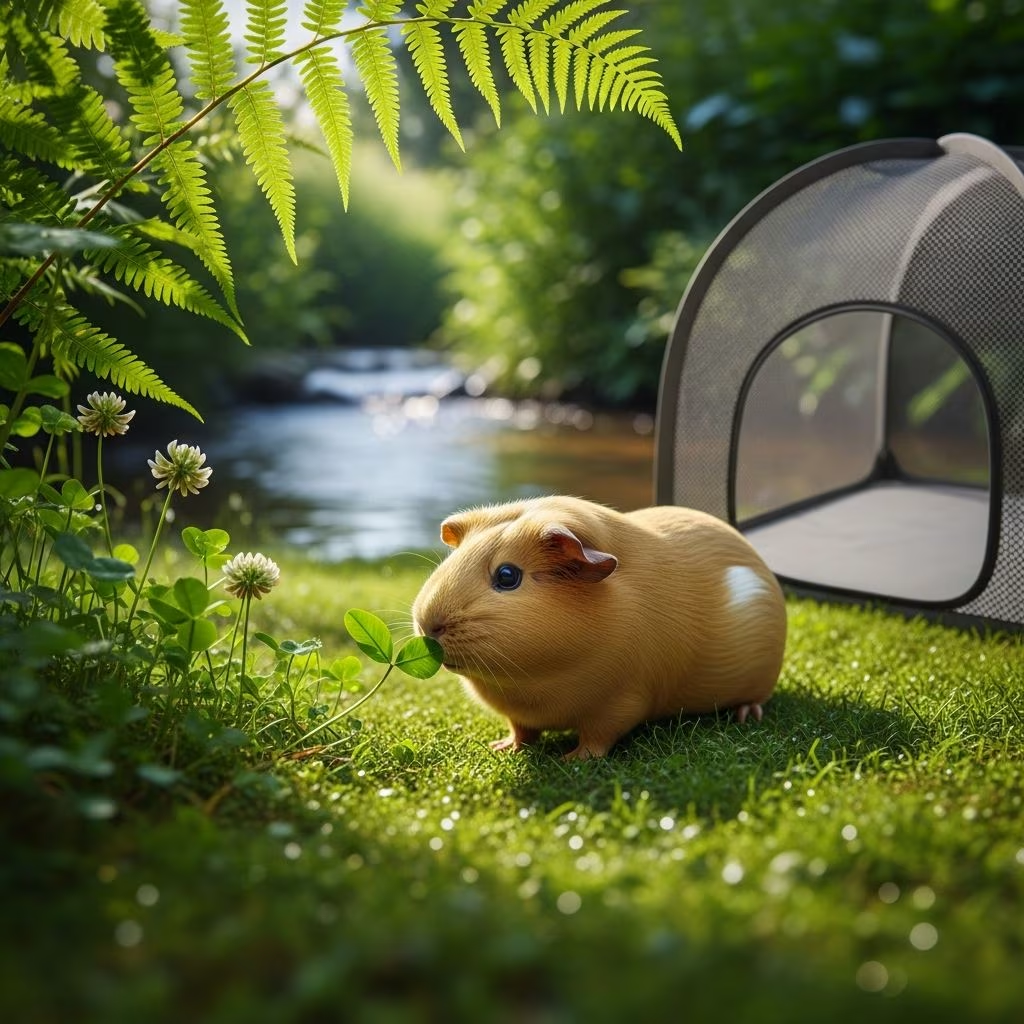
Is It Safe to Take Your Guinea Pig Outside?
Yes, it can be safe—and even enriching—for guinea pigs to spend time outside. However, taking your guinea pig outside requires careful planning and consideration. You cannot simply set your guinea pig in the grass and walk away. To safely take your guinea pig outside, you need to consider the weather, protect them from predators, and avoid exposure to chemicals such as pesticides and herbicides. A secure setup and close supervision are essential to keep them safe while they explore.
According to experts in exotic animal medicine, all healthy guinea pigs can enjoy the outdoors, including hairless varieties known as skinny pigs. However, skinny pigs require special consideration because they are sensitive to temperature changes and sun exposure. These delicate animals should always be kept in full shade when outside. While it might seem like a good idea, sunscreen—even pet-safe versions—can irritate their delicate skin, and human products are toxic if ingested.
Benefits of Taking Your Guinea Pig Outdoors
Allowing your guinea pig outdoor time provides numerous physical and mental health benefits that contribute to their overall well-being and quality of life.
Mental Health and Enrichment
Being outside is a full-on sensory experience for guinea pigs. They are exposed to new sights, smells, and sounds, all of which provide mental stimulation and contribute to a better quality of life. This environmental enrichment helps prevent boredom and behavioral issues that can develop from prolonged indoor confinement.
Physical Activity
A safely enclosed outdoor space gives your guinea pig more room to explore and move around. This encourages natural behaviors like walking, hopping, and even short bursts of running, which supports overall mobility and can help your guinea pig maintain a healthy weight. Regular exercise is crucial for preventing obesity and associated health complications.
Reduced Cage Aggression and Boredom Behaviors
Regular outdoor enrichment can help reduce unwanted behaviors like excessive chewing on cage bars, pacing, or vocalizing—all signs of boredom or frustration. Giving your guinea pig new environments to safely explore can lead to a calmer, more content pet overall. This behavioral improvement often carries over into their indoor environment as well.
Risks of Taking Your Guinea Pig Outside
While outdoor time offers significant benefits, it also presents several risks that responsible guinea pig owners must understand and mitigate.
Extreme Temperatures
Guinea pigs are extremely sensitive to temperature fluctuations. Temperatures higher than 80°F can put them at risk for heatstroke, while temperatures below 65°F may cause them to become chilled or stressed. Guinea pigs also don’t tolerate significant temperature changes, so the outside temperature shouldn’t be much different than the inside temperature. The ideal humidity range for guinea pigs to be comfortable outside is between 40 and 70 percent.
Direct Sunlight and Heat Exposure
Direct sun can quickly cause guinea pigs to overheat, especially since they cannot sweat to cool down. Shade is essential to help prevent dehydration and heat exhaustion. Even brief periods in direct sunlight on warm days can lead to life-threatening heat stroke in guinea pigs.
Predator Threats
Guinea pigs have plenty of outdoor predators. You’ll need to watch out for predators on land, such as cats, dogs, foxes, and coyotes, as well as predators in the sky, such as hawks, falcons, and owls. These predators are quick and stealthy by design, making constant vigilance essential.
Chemical Exposure
Pesticides, herbicides, fertilizers, and other lawn chemicals pose serious health risks to guinea pigs. Additionally, certain plants and mushrooms can be toxic if ingested.
8 Tips for Safely Taking Your Guinea Pig Outside
1. Provide Constant Supervision
Always watch your guinea pig closely when they spend time outdoors. Keep an eye out for predators and any abnormal behavior, and be prepared to take quick action to keep your guinea pig safe. Never leave your guinea pig unattended, even for short periods. An animal could break in or unexpected dangers could arise at any moment.
2. Watch the Temperature and Humidity
Guinea pigs are sensitive to heat and cold. Avoid taking them out if it’s hotter than 80°F or colder than 65°F. The ideal humidity range for them to be comfortable outside is 40–70 percent. Ensure they always have shade and cool water available. Heatstroke can set in quickly, especially in direct sun. Consider providing freezable bottles and cool mats next to them so they can get instant relief from the heat whenever needed.
3. Provide Secure Shelter
Guinea pigs shouldn’t be allowed to run free. Instead, give them secure shelter in the form of an outdoor run or playpen. C&C playpens are an excellent option as they are designed with a secure lid and small grid gaps, so that predators are kept outside while guinea pigs stay safely inside. Experts recommend using an enclosure with a metal or mesh top to give them room to play and explore, as well as protect them from predators. Ensure all doors, panels, and hutch roofs are fixed safely, securely, and well. Check the size gaps of the grids are suitable, especially compared to baby guinea pigs, as their heads can easily get stuck.
4. Choose an Appropriate Location
Set the enclosure close to your house so that you can easily reach them as needed. Place the outdoor run for guinea pigs half in sunshine and half in shade for optimum temperature regulation. Choose a patch of grass that has not been mown, since mowing creates a blend of all sorts of plants, some potentially toxic. Avoid loud noises and stressors—outdoor environments can be noisy and unpredictable. Try to keep your guinea pig away from barking dogs, lawnmowers, and busy streets, as these sounds can stress them out or even cause them to panic and injure themselves.
5. Keep Your Guinea Pig Away from Pesticides and Toxic Plants
If you’re set up in a grassy area, make sure it’s free from pesticides, herbicides, and chemicals. Pick a spot away from toxic plants or mushrooms. If you don’t know whether an area has been treated with chemicals, steer clear. Never let your guinea pig drink water from puddles or other outdoor water sources that could contain parasites or contaminants.
6. Protect from Predators
Be aware of birds of prey—they will take guinea pigs if they see them, so be particularly cautious. Get a sturdy lid on your guinea pig outdoor run to keep other animals away, but always remain nearby to keep an eye on your guinea pigs. While the outdoor run stops guinea pigs from exploring somewhere unsafe, it doesn’t prevent predators from approaching. Ensure all doors on the sides of the enclosure are checked and closed securely.
7. Avoid Loud Noises and Stressors
Outdoor environments can be noisy and unpredictable. Try to keep your guinea pig away from barking dogs, lawnmowers, and busy streets. These sounds can stress them out or even cause them to panic and injure themselves. Create a calm, peaceful outdoor environment for your guinea pig.
8. Limit Time Outside
Even with proper shelter and supervision, don’t leave them out too long. Experts recommend limiting outdoor time to about 30 minutes, even in mild weather. Some sources suggest 10-15 minutes of guinea pig outdoor play is plenty as a starting point. Always bring your guinea pig back in if they seem stressed or lethargic. Monitor their behavior closely and adjust outdoor time accordingly.
Essential Setup Considerations
Provide Comforts of Home
Place food, a hideaway, and a water bottle in the outdoor enclosure so your guinea pig has the comforts of home. Fresh water is especially important during outdoor time to help prevent dehydration. Ensure your guinea pig has access to shade at all times.
Test Ground Conditions
Outdoors, the surface where paws meet the ground is uncontrolled. The temperature and texture of what your guinea pig walks on is quite different from what’s found indoors. Always feel the surface with your bare hand to test whether it’s appropriate for your furry friend. Be aware of surface dangers such as whether pesticides, herbicides, or fertilizers have been used in an area.
Enclosure Selection
An outdoor run is a must-have whenever your guinea pigs leave their cage to venture outside. C&C playpens are a great option to keep your guinea pigs safe during outdoor time. These outdoor runs for guinea pigs are designed with a secure lid and small grid gaps so that predators are kept outside while guinea pigs stay safely inside. However, always supervise guinea pigs when they go outside, even if you’re using a lid on your outdoor cage.
Frequently Asked Questions
Q: Can skinny pigs (hairless guinea pigs) go outside?
A: Yes, skinny pigs can go outside, but they require special consideration. Because they are sensitive to temperature changes and sun exposure, they should always be kept in full shade. Sunscreen should not be used as it can irritate their delicate skin or be toxic if ingested.
Q: What is the ideal outdoor temperature for guinea pigs?
A: The ideal temperature range for guinea pigs outside is between 65°F and 80°F, with humidity between 40 and 70 percent. Temperatures above 80°F can cause heatstroke, while temperatures below 65°F can cause them to become chilled or stressed.
Q: How long should guinea pigs stay outside?
A: Experts recommend limiting outdoor time to about 30 minutes, even in mild weather. Some suggest starting with 10-15 minutes. Always bring your guinea pig back in if they seem stressed or lethargic.
Q: What predators should I be aware of?
A: Ground predators include cats, dogs, foxes, and coyotes. Aerial predators include hawks, falcons, and owls. Always supervise and use a secure enclosure with a top cover.
Q: Can I use sunscreen on my guinea pig?
A: No, sunscreen is not recommended for guinea pigs. Even pet-safe versions can irritate their delicate skin, and human products are toxic if ingested. Instead, provide adequate shade and use shade covers.
Q: What should I do if my guinea pig seems stressed outdoors?
A: If your guinea pig shows signs of stress or lethargy, bring them back inside immediately. Signs of stress include excessive vocalization, pacing, or attempts to escape. Each guinea pig has different tolerance levels for outdoor activities.
Q: Is it necessary to supervise if my outdoor run has a lid?
A: Yes, supervision is always recommended even with a secure lid. While the lid provides protection from predators, your presence allows you to monitor your guinea pig’s health, behavior, and comfort level in real-time.
References
- Safety Tips for Taking Your Guinea Pig Outside — Chewy. 2025. https://www.chewy.com/education/small-pet/guinea-pig/safety-tips-for-taking-guinea-pig-outside
- The Ultimate Guide to Taking Your Guinea Pigs Outside — Kavee. 2025. https://kavee.com/blogs/the-piggy-blog/guinea-pig-outdoor-time-guide
- Creating a Good Home for Guinea Pigs — RSPCA. 2025. https://www.rspca.org.uk/adviceandwelfare/pets/rodents/guineapigs/environment
- Outdoor Safety For Rabbits, Guinea Pigs, And Other Small Mammals On Outings — Lafeber Company. 2025. https://lafeber.com/mammals/outdoor-safety-for-rabbits-guinea-pigs-and-other-small-mammals-on-outings/
- Outdoor Time for Small Pets — All Critters Veterinary Hospital. 2025. https://www.allcrittersvet.com/blog/outdoor-time-for-small-pets/
- Keeping Outdoor Guinea Pigs Safe In Hutches/Runs — The Guinea Pig Forum. 2025. https://www.theguineapigforum.co.uk/threads/keeping-outdoor-guinea-pigs-safe-in-hutches-runs.128244/



