Guinea Pig Nutrition: Essential Diet Guide For Healthy Cavies
Master the essentials of feeding guinea pigs for optimal health, vitality, and longevity with science-backed dietary advice.
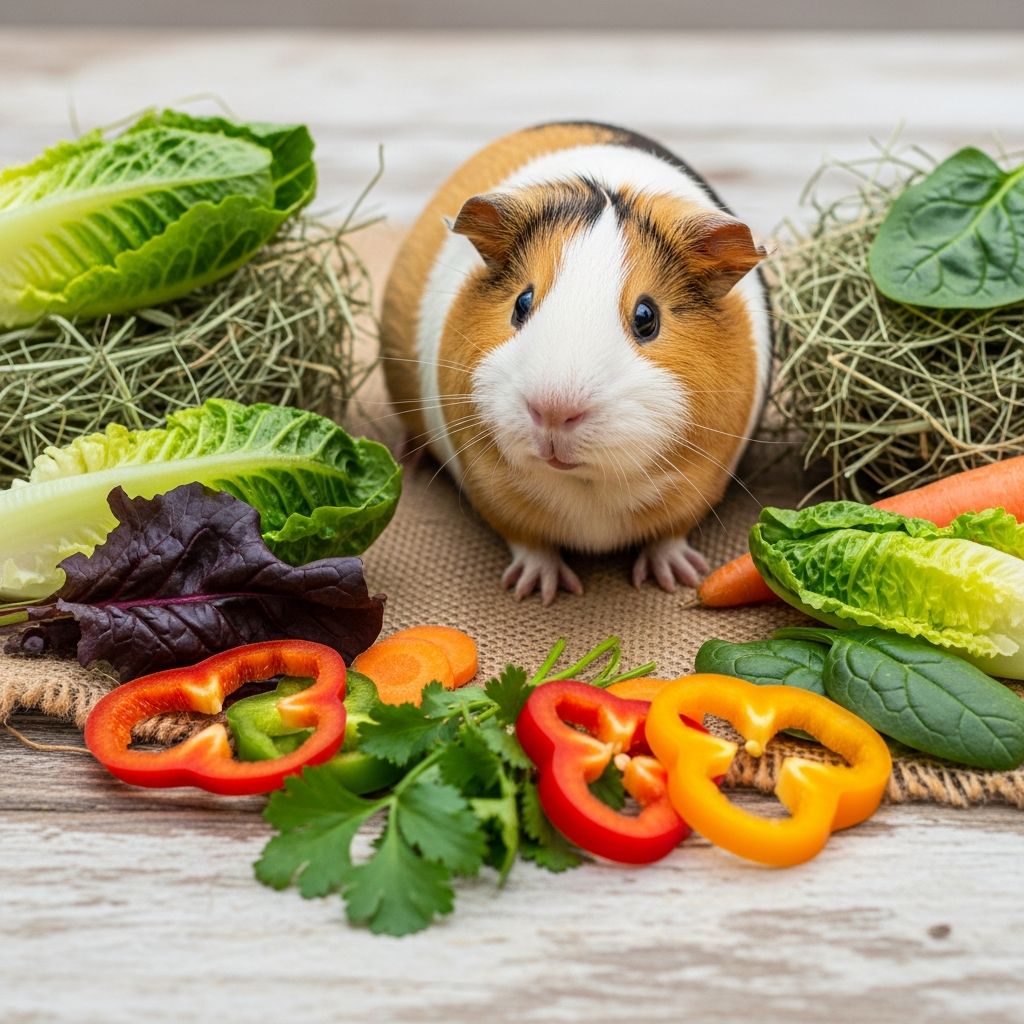
Guinea pigs, also known as cavies, require a specialized diet to stay healthy due to their unique nutritional needs, particularly their inability to produce vitamin C. A proper feeding regimen centered on high-fiber hay, fortified pellets, and fresh produce supports digestion, dental health, and overall vitality.
Core Components of a Balanced Diet
The foundation of guinea pig nutrition is a high-fiber, low-calcium diet mimicking their natural foraging habits. Unlimited access to hay forms 80-90% of their daily intake, promoting continuous chewing that wears down ever-growing teeth and aids gut motility.
- Hay Essentials: Opt for timothy, meadow, or orchard grass hay for adults; alfalfa suits younger pigs under six months for added calcium during growth. Avoid dusty or moldy batches to prevent respiratory issues.
- Pellets: Provide 1/8 cup per adult daily of vitamin C-fortified, grass-hay-based nuggets without seeds, nuts, or colorful bits that lack nutrition.
- Vegetables and Fruits: Supply 1 cup of fresh, washed greens per pig daily, prioritizing vitamin C sources like bell peppers and parsley.
Critical Role of Vitamin C
Unlike most animals, guinea pigs cannot synthesize vitamin C, making daily supplementation vital to avoid scurvy, characterized by lethargy, joint pain, and poor wound healing. Adults need 25-50mg daily, achievable through diet rather than pills unless advised by a vet.
| Food Item | Vitamin C (mg/100g) | Serving Suggestion |
|---|---|---|
| Red Bell Pepper | 128 | 1/4 pepper daily |
| Kale | 93 | Handful, 2-3x/week |
| Parsley | 133 | Small sprig daily |
| Strawberries | 59 | 1-2 berries, occasional |
| Broccoli | 89 | Small floret daily |
Incorporate a variety to ensure broad nutrient coverage while rotating to prevent oxalate buildup, which risks bladder stones.
Daily Feeding Schedule
Consistency prevents digestive upset. Morning routines should include hay refresh, pellet portioning, and veggie introduction; evenings repeat veggies for grazing simulation.
- Unlimited hay refill upon waking.
- Measured pellets in a heavy ceramic bowl to avoid tipping.
- Mid-morning: Leafy greens like romaine or cilantro.
- Afternoon: Vitamin C veggies such as peppers or tomatoes (flesh only).
- Evening: Repeat variety; monitor uneaten portions for spoilage.
Fresh water via sipper bottle, changed daily, completes hydration needs.
Hazards to Avoid in Their Diet
Certain foods spell trouble: high-sugar fruits in excess lead to obesity; dairy, meat, or onions cause toxicity; icebergs lack nutrition and induce diarrhea. Bedding like pine or cedar shavings irritates airways, favoring paper-based or fleece alternatives.
- No-Go Foods: Potatoes, beans, rhubarb, chocolate, and anything processed.
- Treats Limit: Commercial snacks sparingly; prioritize hay-based chews.
Understanding Digestive Health
Guinea pigs’ hindgut fermentation demands constant fiber. Hay-centric diets prevent stasis, where gut slowdown invites bacteria overgrowth and fatal bloat. Signs like reduced feces or bloating warrant immediate vet attention.
Introduce new foods gradually over a week to allow microbiome adaptation, reducing diarrhea risk.
Housing and Nutrition Synergy
Diet intersects with environment: spacious enclosures (minimum 7.5 sq ft per pig) with hay racks prevent contamination. Multi-level setups with solid floors avoid foot injuries like bumblefoot from wire.
Daily spot-cleans remove soiled hay; weekly full bedding changes maintain hygiene, indirectly supporting appetite.
Monitoring Weight and Body Condition
Weekly weigh-ins track health; adults should gain no more than 50g monthly. Palpate hips and spine for ideal fat cover—neither protruding bones nor bulging sides.
Daily health checks include observing eating habits, fecal output (firm pellets), and urine clarity.
Special Nutritional Needs by Life Stage
Young and Growing Pigs
Pups under 6 months thrive on alfalfa hay and mother’s milk initially, transitioning to pellets at weaning. Extra calcium bolsters bone development.
Pregnant or Nursing Sows
Increase pellets by 25% and vitamin C to 75mg daily; provide quiet nesting areas.
Seniors Over 5 Years
Softer veggies ease chewing; monitor for arthritis impacting foraging.
Enrichment Through Food
Scatter-feeding veggies in hideouts or tunnels mimics wild behavior, reducing boredom and obesity. Hay balls and chew toys satisfy gnawing instincts.
Veterinary and Supplementation Advice
Annual exotic vet exams catch deficiencies early. Blood tests confirm vitamin C status if symptoms arise. Avoid over-supplementation to prevent kidney strain.
Frequently Asked Questions
How much hay does a guinea pig need daily?
Unlimited; they should consume hay equivalent to their body size daily for dental and digestive health.
Can guinea pigs eat fruit?
Occasionally in small amounts (e.g., apple slice weekly) due to sugar content; prioritize veggies.
What if my guinea pig refuses veggies?
Offer favorites like peppers; consult vet for underlying issues like dental overgrowth.
Is tap water safe for guinea pigs?
Yes, if low in chlorine; filtered preferred. Change daily.
How to transition to a new diet?
Mix old and new over 7-10 days, monitoring droppings.
Conclusion
Mastering guinea pig nutrition demands diligence but rewards with vibrant companions living 5-8 years. Prioritize hay, vitamin C, and variety for thriving pets.
References
- A Complete Guide to Guinea Pig Care Tips from the Vet Experts — Killarney Animal Hospital. 2024. https://killarneyanimalhospital.com/a-complete-guide-to-guinea-pig-care-tips-from-the-vet-experts/
- Guinea Pig Care Guide — PetSmart. 2024. https://www.petsmart.ca/learning-center/small-pet-care/guinea-pig-care-guide
- How to Care for Your Guinea Pig: A Guide for Pet Parents — PetMD. 2024. https://www.petmd.com/exotic/how-to-care-for-your-guinea-pig
- A Guide to Guinea Pigs — Guinea Pig Alliance. 2024-09. https://guineapigalliance.com/wp-content/uploads/2023/09/GPAW-Care-Guide-2024.pdf
- Caring for your Guinea Pig — Oxbow Animal Health. 2024-03. https://oxbowanimalhealth.com/wp-content/uploads/2024/03/Guinea-Pig-Care-Guide-Feb-2024.pdf
- Guinea Pigs Care Guide — BC SPCA. 2024. https://spca.bc.ca/wp-content/uploads/guinea-pig-care-guide.pdf
- Guinea Pig Care Guide — Guinea Lynx. 2024. https://www.guinealynx.info/healthycavy.html
Similar Articles








Read full bio of Sneha Tete