

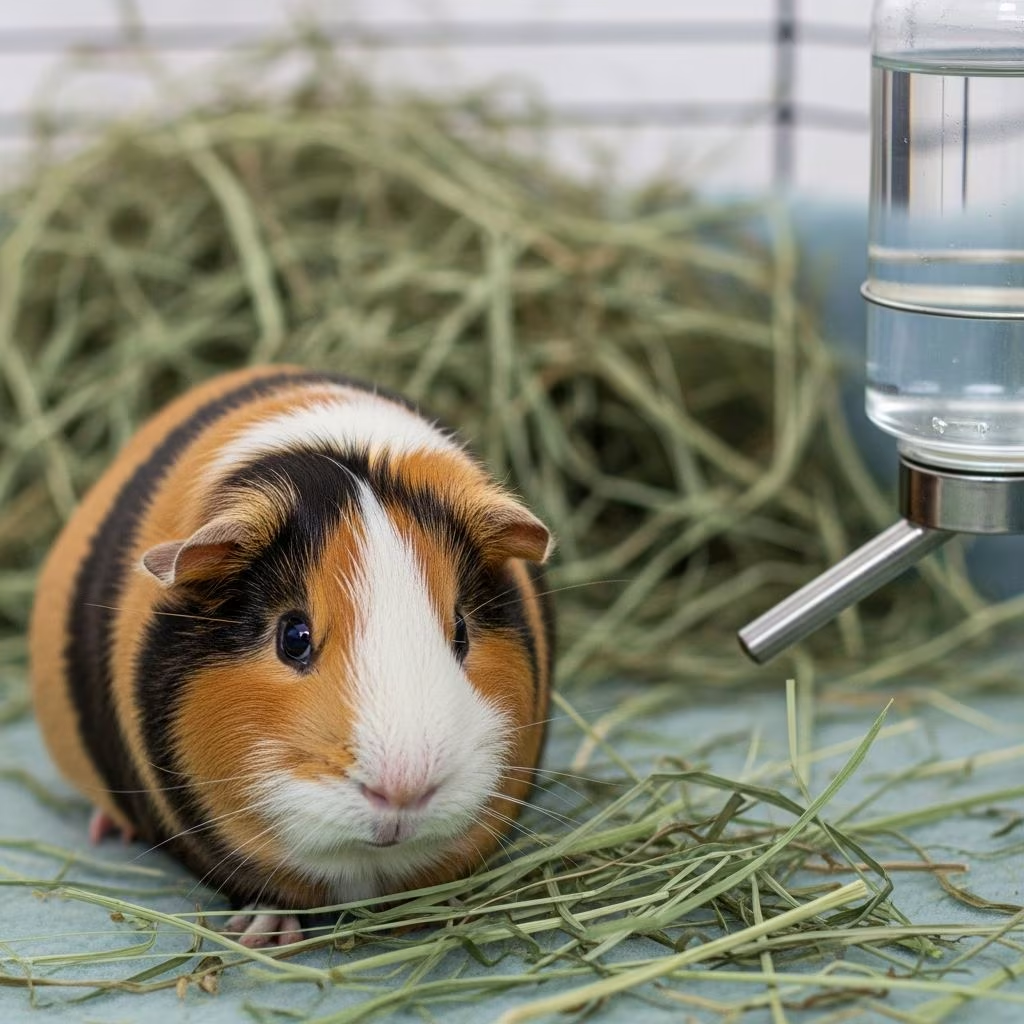
Guinea Pig Not Eating or Drinking: A Serious Health Concern
When your guinea pig stops eating or drinking, it’s not just a minor concern—it’s a red flag that demands immediate attention. Guinea pigs are herbivorous creatures that naturally graze throughout the day, consuming food almost constantly to maintain proper digestive function. When they suddenly refuse food or water, something is seriously wrong. Unlike other pets that might skip a meal without consequence, guinea pigs can deteriorate rapidly when they stop eating, making prompt action essential for their survival.
Your guinea pig is showing classic signs of illness. No matter what the underlying condition might be—whether it’s a kidney infection, abnormal tooth growth, liver disease, or an abscess—the primary symptom is often the same: refusal to eat or drink. This seemingly simple symptom masks potentially serious health problems that require professional veterinary diagnosis and treatment.
Understanding the Seriousness of Appetite Loss
When a guinea pig stops eating, the consequences cascade quickly through their system. Guinea pigs have specialized digestive systems that require constant movement and food intake. When eating stops, their digestive system essentially shuts down—a condition known as gastrointestinal (GI) stasis. This isn’t just uncomfortable; it can be fatal if not addressed immediately.
The longer your guinea pig goes without food, the more their condition deteriorates. Weight loss follows quickly, followed by lethargy, depression, and deteriorating physical appearance. Their eyes may appear dull and watery, their fur becomes rough and unkempt, and they lose the elasticity in their skin. But the real danger lies internally: without proper nutrition, the liver begins to fail, and toxins accumulate in their system. What starts as simple appetite loss can transform into a life-threatening emergency within hours or days.
Common Causes of Appetite Loss in Guinea Pigs
Understanding why your guinea pig stopped eating is crucial, though the exact cause often requires professional diagnosis. Several factors can trigger appetite loss:
Medical Conditions
Infections are among the most common culprits. Bacterial, viral, or parasitic infections can cause guinea pigs to refuse food entirely. Kidney infections, in particular, frequently manifest as appetite loss with few other obvious symptoms. Dental problems, including malocclusion (misaligned teeth) or abnormal tooth growth, make eating painful or impossible. Guinea pigs’ teeth grow continuously throughout their lives, and when they don’t align properly, chewing becomes difficult or impossible.
Liver disease and ketosis (a condition where the liver produces excess digestive byproducts) are serious conditions that typically present with appetite loss. Abscesses—pockets of infection—anywhere in the body can also suppress appetite. Post-surgical recovery frequently includes temporary appetite loss, which is why hand-feeding may be necessary during this period.
Environmental and Dietary Factors
Sometimes the cause is more straightforward but equally important to address. Environmental stress—loud noises, sudden changes in habitat, introduction of new pets, or even changes in routine—can suppress appetite. Dietary changes made too quickly can also cause refusal to eat, as guinea pigs are creatures of habit and their digestive systems need time to adjust to new foods.
Insufficient fresh water is a surprisingly common problem. If water bottles become clogged or water isn’t changed daily, guinea pigs may refuse to drink contaminated or stale water. Extreme temperatures—whether excessive heat or cold—stress guinea pigs and reduce their appetite. Ideally, guinea pigs should be kept in environments between 65-75°F.
Recognizing the Warning Signs
Early recognition of appetite loss allows for faster intervention. Watch for these warning signs:
Physical indicators: Weight loss is often the first noticeable sign. Look at your guinea pig’s body condition—their ribs should be easily felt but not prominently visible. Lethargy and depression manifest as reduced activity, hunching in corners, and disinterest in interaction. Changes in appearance include rough, unkempt fur, loss of skin elasticity (pinch the skin and it should snap back; if it doesn’t, dehydration is occurring), and dull, watery eyes with discharge around them.
Behavioral changes: Food and water bowls remain untouched despite being fresh and available. Your normally active guinea pig becomes withdrawn and quiet. Secondary symptoms depend on the underlying cause—if infection is present, you may notice diarrhea or fever; dental problems may cause drooling or difficulty chewing.
The Danger of GI Stasis
When a guinea pig isn’t eating, things start to slow down. When their digestive system stops moving altogether, it’s called GI stasis. This is a medical emergency that requires immediate intervention. In healthy guinea pigs, food is constantly working through their digestive system, exactly as nature intended. When eating stops, the entire system grinds to a halt.
GI stasis can progress from bad to worse incredibly quickly if not acted upon immediately. The situation can deteriorate from manageable to life-threatening within 24-48 hours. This is why keeping recovery food on hand is essential for any guinea pig owner, and why prompt veterinary care is non-negotiable when appetite loss occurs.
When to Seek Veterinary Care Immediately
Unfortunately, there are no home remedies that can help your guinea pig if offering favorite foods and water don’t help them start eating again. If your guinea pig refuses to eat for more than a few hours, or shows any of the warning signs mentioned above, seek veterinary care immediately from a veterinarian familiar with guinea pig medicine.
Your veterinarian will perform a thorough physical examination and medical history to identify the underlying cause. They may need to run laboratory tests—blood work, cultures, or fecal analysis—to identify infectious causes. Only with a proper diagnosis can treatment begin. What works for one condition will fail for another, so professional diagnosis is absolutely essential.
Emergency Care and Recovery Feeding
If your guinea pig won’t eat on their own, recovery feeding becomes necessary. This involves using a syringe to hand-feed specially formulated liquid nutrition directly into your guinea pig’s mouth. This intervention can mean the difference between life and death by keeping the digestive system moving and providing essential nutrition.
Recovery Food Options
Commercial recovery food formulas designed for guinea pigs are ideal and should be kept on hand for emergencies. If commercial products aren’t available, create homemade alternatives by soaking regular guinea pig pellets in water and mixing them into a soupy consistency. Baby food—organic varieties containing only fruits, vegetables, and water—can also work. Avoid baby foods with yogurt or high sugar content.
How to Hand-Feed Your Guinea Pig
Proper technique is crucial to prevent aspiration pneumonia, a fatal condition where food enters the lungs:
Mix recovery food according to veterinary instructions, typically 1 part recovery food to 2 parts warm water. Place your guinea pig on a blanket with all four feet firmly planted on the ground—never hold them on their back while feeding. Fill a syringe with the mixture and gently introduce it into their mouth. Feed slowly, allowing time for chewing and swallowing. If your guinea pig shows any discomfort—squeaking, coughing, or spluttering—stop immediately.
Feed your guinea pig every 3-4 hours, depending on veterinary recommendations. Monitor their weight daily at the same time each day. If weight continues dropping despite regular feeding, increase the amount or frequency of recovery food.
Treatment and Management Strategy
Once your veterinarian has diagnosed the underlying cause, treatment becomes specific. Your veterinarian will likely recommend:
Special foods: Commercial hand-feeding formulas, ground-up pelleted chow, and vegetable baby foods help maintain nutrition. Vitamin C supplements are sometimes necessary, especially if the guinea pig is stressed or recovering from illness. Environmental modifications: If your guinea pig normally lives with other animals, isolate them in a separate, stress-free environment during recovery. Quiet, calm surroundings promote healing.
Forced feeding: Your veterinarian or you may need to hand-feed the guinea pig using recovery food if they refuse to eat on their own. This critical intervention prevents GI stasis and maintains nutrition during recovery.
Prevention: The Best Medicine
Because appetite loss has so many potential causes, prevention requires a multi-faceted approach. Feed your guinea pig a well-balanced diet of quality timothy hay (the foundation of their diet), guinea pig pellets, and fresh vegetables daily. Ensure fresh, clean water is always available—check water bottles daily to ensure they’re working properly and water hasn’t become contaminated.
Maintain a stress-free environment with stable temperatures between 65-75°F. Avoid sudden dietary changes, introducing new foods gradually over a week or more. Regular veterinary check-ups allow your veterinarian to catch potential problems early. Finally, keep recovery food on hand at all times as an emergency precaution.
Frequently Asked Questions
Q: How long can a guinea pig survive without eating?
A: Guinea pigs can deteriorate rapidly without food, developing potentially fatal GI stasis within hours or days. Immediate veterinary care is essential if your guinea pig refuses to eat.
Q: Can stress really cause my guinea pig to stop eating?
A: Yes, stress from environmental changes, loud noises, or habitat disruptions can suppress appetite. Maintaining a calm, stable environment helps prevent stress-related appetite loss.
Q: What’s the difference between partial appetite loss and complete refusal to eat?
A: Partial appetite loss (inappetence) means your guinea pig eats less than normal, while complete refusal (anorexia) means they won’t eat at all. Both require veterinary attention, though anorexia is usually associated with more serious infections or conditions.
Q: Is hand-feeding my guinea pig safe?
A: Hand-feeding with proper technique is safe and often life-saving. The key is keeping all four feet on the ground, feeding slowly, and stopping immediately if any discomfort signs appear.
Q: Should I try home remedies before seeing a veterinarian?
A: No. While offering favorite foods is worth trying, if your guinea pig won’t eat within a few hours, professional veterinary diagnosis and treatment are essential. Home remedies alone cannot address serious underlying conditions.
References
- Loss of Appetite in Guinea Pigs — PetMD. 2025. https://www.petmd.com/exotic/conditions/digestive/c_ex_gp_appetite_loss
- Guinea Pig Not Eating Or Drinking — Chewy. 2025. https://www.chewy.com/education/small-pet/guinea-pig/guinea-pig-not-eating-or-drinking
- The Ultimate Guide to Recovery Food for Guinea Pigs — Kavee UK. 2025. https://uk.kavee.com/blogs/the-piggy-blog/recovery-food-guinea-pigs



