Guinea Pig Health Risks: 7 Key Signs And Prevention
Essential insights into preventing and managing the most frequent illnesses in guinea pigs for happier, healthier pets.
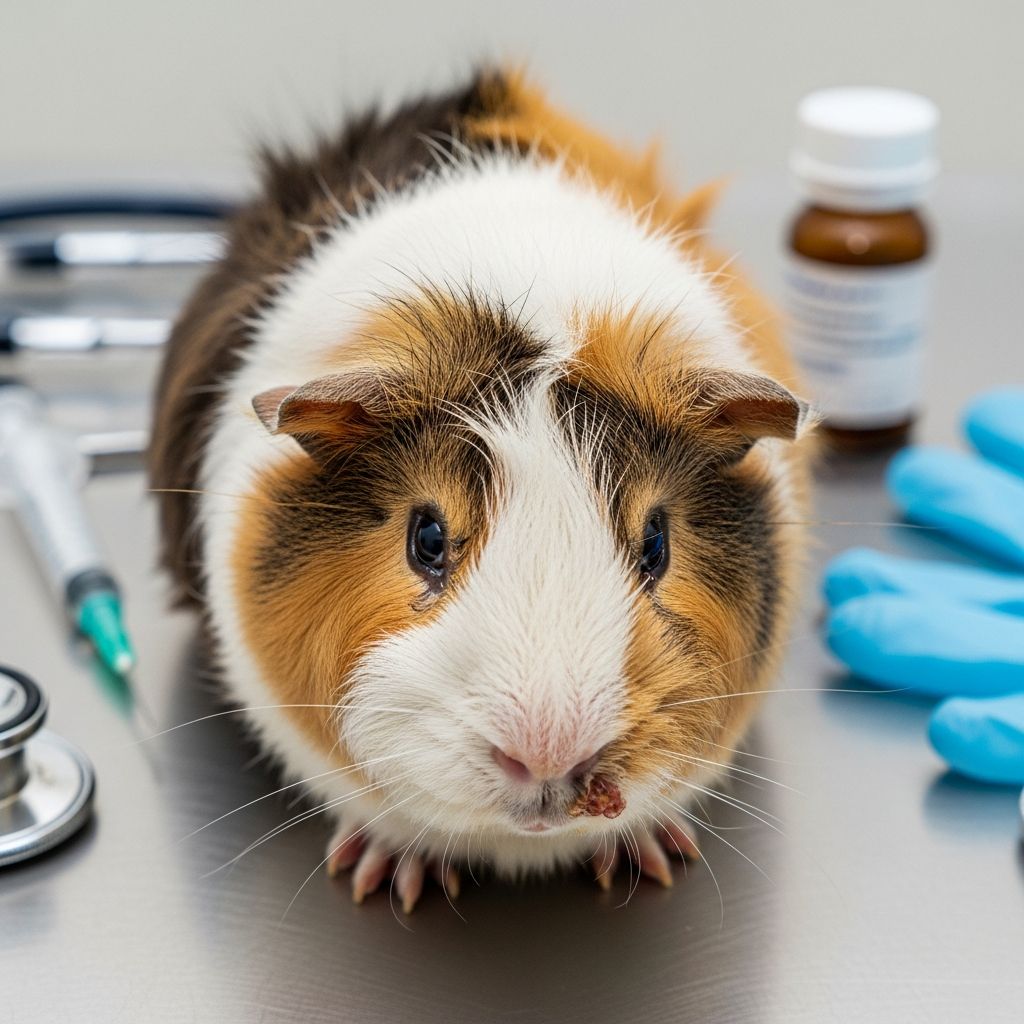
Guinea pigs, beloved for their gentle nature and social personalities, face several health challenges that owners must recognize early for effective intervention. Respiratory infections top the list of concerns, often progressing rapidly if untreated, while nutritional deficiencies like scurvy pose ongoing risks due to their unique dietary needs. Dental overgrowth, gastrointestinal stasis, skin parasites, and ear issues round out the primary threats, each demanding vigilant care and prompt veterinary attention.
Breathing Difficulties in Guinea Pigs
Respiratory infections represent one of the leading causes of illness and mortality in guinea pigs, frequently triggered by bacteria such as Streptococcus or Bordetella that reside harmlessly until stress, poor hygiene, or weakened immunity allows them to proliferate. These conditions manifest through sneezing, nasal discharge, labored breathing, coughing, wheezing, lethargy, appetite loss, and fever, potentially escalating to pneumonia with symptoms like weight loss and rapid deterioration.
Diagnosis relies on clinical exams, sometimes supplemented by chest X-rays or lab tests, though stress from handling limits invasive procedures in fragile patients. Treatment demands immediate antibiotics tailored to avoid gut flora disruption, alongside fluids, vitamin C boosts, syringe feeding, and oxygen in severe cases; isolation and cage disinfection prevent spread, as asymptomatic carriers can transmit via sneezes. Preventive measures include dust-free bedding like paper or fleece, regular enclosure cleaning, optimal nutrition, and quarantine for new arrivals.
Dental Overgrowth and Malocclusion Challenges
Malocclusion, or misaligned teeth, arises from overgrown incisors or molars that fail to wear down naturally, causing pain, inability to eat, drooling, weight loss, and selective feeding. Genetic factors contribute, so affected pigs should not breed to avoid hereditary transmission. Owners might notice selective hay avoidance or facial swelling as early signs.
Veterinary assessment involves physical exams and skull X-rays to confirm elongation or spurs; management under anesthesia includes trimming or filing, followed by pain relief, antibiotics if infected, anti-inflammatories, and assisted feeding. Long-term care requires frequent trims, softened diets, and monitoring, as regrowth persists without cure. Prevention emphasizes unlimited timothy hay, chew toys, and routine dental checks during wellness visits.
Nutritional Shortfalls: Scurvy and Beyond
Unlike most animals, guinea pigs cannot synthesize vitamin C, making daily intake critical for collagen production, immune function, joint health, and wound healing; deficiency, or scurvy, emerges within weeks of inadequate supply. Indicators include lethargy, rough coat, diarrhea, loose teeth, gum bleeding, joint swelling, lameness, poor appetite, and heightened infection risk, hitting young or growing pigs hardest.
Treatment reverses symptoms via injections, oral supplements, and diet overhaul with fresh produce like bell peppers, kale, and oranges alongside pellets; full recovery demands consistency to prevent relapse. Owners should provide 10-30mg vitamin C per 100g body weight daily, avoiding heat-destroyed or expired sources. Pairing with balanced hay-pellet diets fortifies overall health.
Gut Stasis and Digestive Emergencies
Gastrointestinal stasis occurs when gut motility halts, often from pain, dehydration, dietary shifts, or dental issues, leading to no stool, bloating, hunched posture, teeth grinding, dehydration, and collapse. This emergency stems from their herbivorous hindgut fermentation reliance, disrupted by stress or blockages.
Immediate vet care involves X-rays for obstructions, fluid therapy, pain meds, prokinetics to stimulate contractions, and force-feeding critical care formulas; prognosis improves with rapid action. Prevention hinges on constant hay access (80% diet), gradual feed changes, hydration sources, exercise, and companion housing to reduce stress.
Skin and Parasite Troubles
Skin conditions plague guinea pigs via mites, lice, ringworm, or bacterial abscesses, causing intense itching, hair loss, crusts, scabs, red flaky patches, and secondary infections. Mites provoke seizure-like scratching, while ringworm—fungal and zoonotic—targets head and ears, spreading to humans. Jaw abscesses from hay injuries leak pus, demanding drainage or surgery.
| Condition | Symptoms | Treatment |
|---|---|---|
| Mites/Lice | Intense itch, crusty skin, hair loss | Topical/oral antiparasitics, antibiotics for secondsaries |
| Ringworm | Circular bald patches, scabs | Antifungals, isolation, hand hygiene |
| Abscesses | Painful lumps, pus drainage | Antibiotics, surgical lancing |
Cleanliness with mite-free hay/bedding, health inspections, and vet-prescribed meds control outbreaks; ringworm requires handwashing to protect households. Pododermatitis (bumblefoot) from wire floors causes foot sores, treated via soft substrates, baths, and meds.
Ear and Eye Irritations
Inner ear infections, common in guinea pigs, cause head tilts, circling, weight loss, and appetite refusal from fluid buildup in the tympanic bulla. Skull X-rays confirm; weeks of antibiotics/anti-inflammatories suffice mildly, but surgery drains pus in extremes. Eye issues like conjunctivitis link to respiratory bacteria, showing redness, crusts, and tears, resolving with targeted antibiotics.
Prevent drafts, allergens, and overcrowding; annual exams catch subclinical carriers.
Reproductive and Urinary Concerns
Females risk dystocia from large pups or small pelvises, with symptoms like straining and lethargy necessitating C-sections. Urinary calculi cause straining, blood in urine, and pain, managed surgically with diet tweaks. Tumors and lumps appear with age, requiring biopsies.
Spay/neuter mitigates cancers and infections; single-sex groups or early pairing prevent issues.
Prevention Blueprint for Optimal Health
- Diet: Unlimited timothy hay, vitamin C-rich veggies, quality pellets; no seeds/guinea pig mixes.
- Housing: Spacious multi-level cages, dust-free bedding, hiding spots, 75-80°F temps.
- Social: Pairs/groups of same sex; monitor hierarchies.
- Hygiene: Daily spot-clean, weekly full cleans; fresh water.
- Vet Care: Annual exams, nail trims, weight tracking; exotic vet specialist.
Frequently Asked Questions
How do I spot early illness in my guinea pig?
Watch for appetite drops, water intake changes, stool variations, lethargy, posture shifts, respiratory noises, or coat dullness—consult a vet promptly.
Can guinea pigs catch colds from humans?
No, but bacterial sharing occurs; isolate sick pigs and prioritize hygiene.
Is vitamin C water sufficient?
Unreliable due to degradation; opt for fresh produce and stabilized supplements.
What bedding avoids respiratory risks?
Avoid wood shavings; choose paper, aspen, or fleece.
How often should I weigh my guinea pig?
Weekly for adults, more for young/pregnant; steady weight signals health.
References
- Three Common Illnesses in Guinea Pigs — Patton Veterinary Hospital. Accessed 2026. https://pattonvethospital.com/blog/1170733-three-common-illnesses-in-guinea-pigs
- Guinea Pig Disease Guide — Winter Park Veterinary Hospital. Accessed 2026. https://wpvet.com/guinea-pigs-care-guides/guinea-pig-diseases/
- 5 Common Medical Conditions Affecting Guinea Pigs — Healthy Pet Vet Blog. Accessed 2026. https://www.healthy-pet.com/blogs/healthy-pet-vet-blog/5-common-medical-conditions-affecting-guinea-pigs
- Common Health Problems of Guinea Pigs — Merck Veterinary Manual. Accessed 2026. https://www.merckvetmanual.com/all-other-pets/guinea-pigs/common-health-problems-of-guinea-pigs
- Health Problems in Guinea Pigs — VCA Animal Hospitals. Accessed 2026. https://vcahospitals.com/know-your-pet/guinea-pigs-problems
- Five common health problems in guinea pigs — PDSA. Accessed 2026. https://www.pdsa.org.uk/what-we-do/blog/five-common-health-problems-in-guinea-pigs-and-how-to-prevent-them
Similar Articles








Read full bio of medha deb