Guinea Pig Feeding Guide: Diet, Nutrition & Care
Complete guide to feeding guinea pigs: essential nutrients, food portions, and dietary best practices.
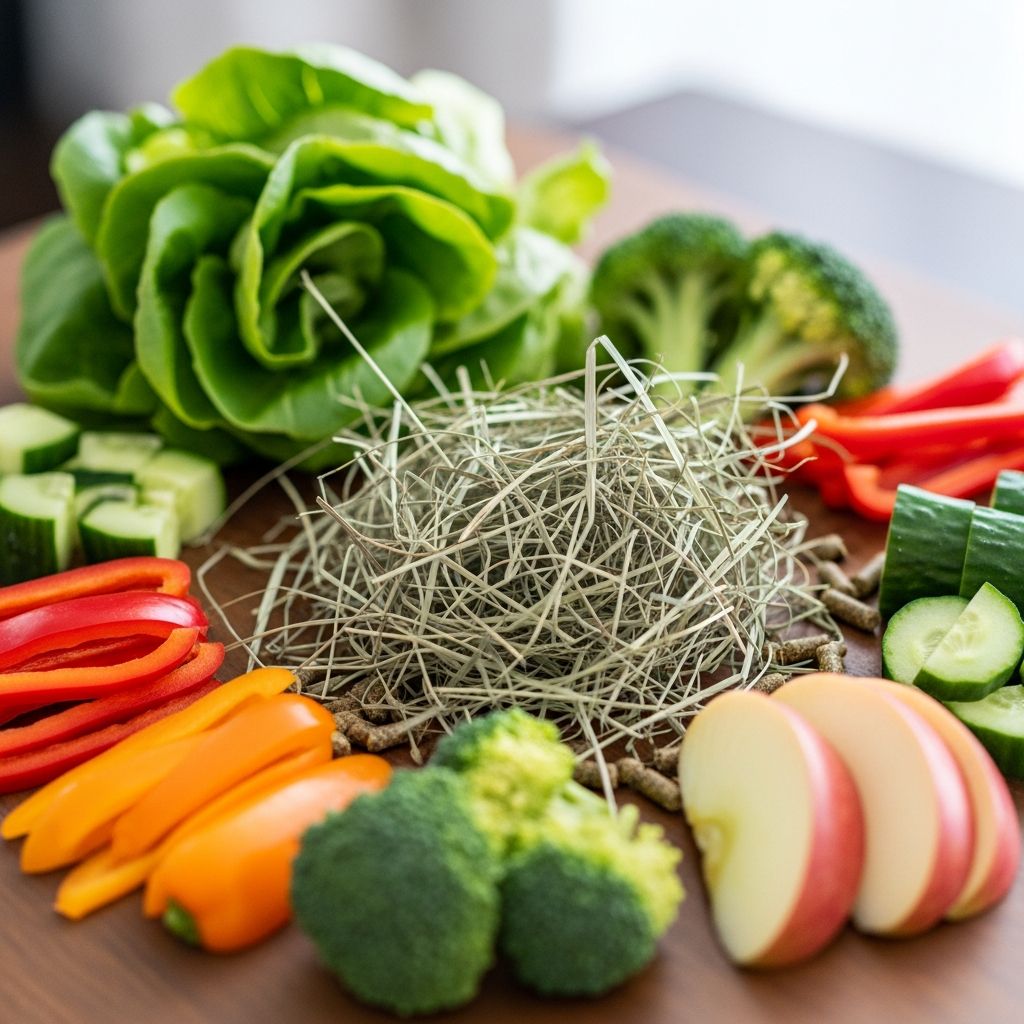
Guinea Pig Feeding Guide: Essential Nutrition for Your Pet
Providing your guinea pig with proper nutrition is one of the most important aspects of pet ownership. Guinea pigs have specific dietary requirements that differ from other small rodents, and understanding these needs is crucial for maintaining their health and longevity. Unlike many animals, guinea pigs cannot synthesize their own vitamin C, making dietary supplementation essential to prevent serious health complications. A well-balanced diet should include hay as the primary component, supplemented with high-quality pellets, fresh vegetables, and occasional fruits. This comprehensive feeding guide will help you understand exactly what your guinea pig needs to thrive.
Understanding Your Guinea Pig’s Dietary Needs
Guinea pigs are herbivorous animals with unique nutritional requirements that must be carefully met to prevent health problems. One of the most critical aspects of guinea pig nutrition is vitamin C, as these animals cannot produce this essential nutrient on their own. A deficiency in vitamin C can lead to scurvy, a serious condition characterized by a weakened immune system, abnormal bone and tooth development, delayed wound healing, and other health complications. Beyond vitamin C, guinea pigs also require adequate fiber for digestive health, calcium for bone development, and various other micronutrients to maintain optimal wellness.
Guinea pigs are generally not prone to overeating, which simplifies feeding management compared to some other pets. However, this does not mean you can be careless with portions. An inadequate or imbalanced diet can lead to serious health issues including obesity, dental disease, bladder stones, and gastrointestinal problems. The key to success is providing the proper balance of hay, pellets, and fresh vegetables in appropriate quantities.
Hay: The Foundation of a Healthy Guinea Pig Diet
Hay should form the cornerstone of your guinea pig’s diet, comprising approximately 80% of their daily food intake. Guinea pigs should have unlimited access to fresh grass hay throughout the day and night. This constant availability is essential because hay serves multiple critical functions in your guinea pig’s health. First, it provides the necessary fiber to maintain proper digestive function and prevent gastrointestinal issues. Second, the act of chewing hay continuously helps wear down your guinea pig’s teeth, which grow throughout their lifetime. Without adequate hay, teeth can become overgrown, leading to dental disease and eating difficulties.
Types of Hay for Different Ages: The type of hay you provide should depend on your guinea pig’s age. For guinea pigs over one year of age, timothy hay or orchard hay are the preferred options. Young guinea pigs under one year old benefit from alfalfa hay, which provides additional calcium necessary for growing bones and skeletal development. Ensure that the hay is fresh, free from mold, and of high quality. Poor-quality hay with excessive dust or mold can cause respiratory issues and other health problems.
Always check that your guinea pig has access to hay at all times. Many owners find it helpful to use hay racks or bins to keep the hay clean and organized while minimizing waste. Remove any uneaten hay after 24 hours to prevent spoilage and the growth of harmful bacteria.
Commercial Pellets: Supplementing a Balanced Diet
While hay forms the foundation of your guinea pig’s diet, commercial pellets provide important supplementary nutrition and are the most practical way to ensure your pet receives adequate vitamin C. Choose timothy-based pellets specifically formulated for guinea pigs, and ensure they are fortified with vitamin C. Avoid pellets that contain seeds, dried fruits, or other unnecessary additives, as these can contribute to obesity and nutritional imbalances.
Appropriate Pellet Portions: Adult guinea pigs should receive approximately 1/8 cup of pellets once daily. Young guinea pigs under six months of age can be given unlimited pellets until they reach this age, after which portions should be restricted to prevent overfeeding. The pellets you choose should contain 16-18% fiber to support digestive health.
Important Vitamin C Consideration: Vitamin C degrades rapidly once a pellet bag is opened, particularly when exposed to air and light. This means that the vitamin C content decreases over time, even before the expiration date. To maximize the vitamin C content, purchase pellets in smaller quantities that your guinea pig can consume within a reasonable timeframe. Store pellets in a cool, dry location away from direct sunlight. Additionally, replace pellets daily in your guinea pig’s food bowl, as they may become contaminated with bedding material or droppings, and stale pellets will have little to no vitamin C remaining.
Fresh Vegetables: Daily Nutrition and Variety
Fresh vegetables are an essential component of your guinea pig’s diet, providing vital nutrients, fiber, and particularly important, natural sources of vitamin C. Fresh vegetables should be offered once daily and should total between 1/2 to 1 cup per guinea pig per day. Some sources recommend up to 1.5 cups daily, so adjust portions based on your individual guinea pig’s size and needs.
Leafy Greens as Primary Vegetables: Leafy green vegetables should comprise the bulk of your guinea pig’s fresh produce intake. Safe leafy greens include romaine lettuce, red and green leaf lettuces, mustard greens, turnip greens, cabbage, kale, cilantro, and parsley. These greens provide essential nutrients and fiber without excessive calories. It is highly beneficial to provide variety by rotating different greens throughout the week, which ensures your guinea pig receives diverse nutrients and prevents dietary boredom.
Vitamin C-Rich Vegetables: Certain vegetables are particularly valuable because of their high vitamin C content. Red and green bell peppers are excellent choices, as are broccoli and other cruciferous vegetables. These can be offered daily as part of your guinea pig’s regular vegetable portion.
Additional Vegetables for Variety: Carrots, zucchini, tomatoes, and sweet potatoes can be included in your guinea pig’s diet 1-2 times per week. These provide valuable nutrients but should not form the primary basis of their vegetable intake due to their higher sugar or starch content. Other safe vegetables include celery, green beans, cucumber, and various types of chard.
Introduction Guidelines: When introducing new fruits and vegetables to your guinea pig’s diet, do so gradually over several days. Sudden dietary changes can cause digestive upset and diarrhea. If your guinea pig develops loose stools after introducing new produce, reduce the quantity for several days before gradually reintroducing smaller portions.
Fruits: Occasional Treats Only
While fruits can be a nutritious addition to your guinea pig’s diet, they should be offered as occasional treats rather than regular dietary staples. Fruits are naturally high in sugar, which can contribute to obesity, dental problems, and digestive issues if consumed in excessive quantities. Offer fruit once daily or several times per week, keeping portion sizes small.
Vitamin C-Rich Fruits: Some fruits are particularly valuable because of their vitamin C content. Kiwis, strawberries, and citrus fruits (oranges, lemons, grapefruits) are excellent choices that provide concentrated vitamin C. However, the portion size should remain minimal—a small wedge of orange, a few blueberries, or a thin slice of banana constitutes an appropriate serving.
Other Suitable Fruits: Additional safe fruits include mango, melon varieties, peach, pear, plum, and raspberry. Always remove any seeds or pits before offering fruit to your guinea pig. Introduce fruits gradually, just as you would with vegetables, to avoid digestive upset.
Foods to Avoid: Toxic and Unsafe Options
Certain foods are toxic to guinea pigs and should never be fed under any circumstances. These include onions, garlic, rhubarb, buttercup, and avocado. Additionally, avoid foods high in fat or sugar, including nuts, seeds, and processed human foods. Iceberg lettuce should be avoided as it contains minimal nutritional value and is mostly water. Do not feed the leaves or stems of tomato plants, as these contain toxic compounds, although the tomato fruit itself is safe. Dairy products, meat, and grains are not appropriate for guinea pigs and can cause serious digestive problems.
Essential Feeding Guidelines and Best Practices
Water Requirements: Fresh, clean water should be available at all times. Use a water bottle with a sipper tube or a water bowl, ensuring the water is changed daily and the bottle or bowl is cleaned regularly to prevent bacterial growth.
Food Bowl Management: Guinea pigs often kick bedding material and droppings into their food bowls, contaminating the food. Check food bowls approximately one hour after offering pellets and fresh vegetables, removing any uneaten or contaminated portions. This prevents spoilage and the growth of harmful bacteria. Replace pellets daily to ensure your guinea pig receives the maximum vitamin C content.
Perishable Food Removal: Remove uneaten fresh fruits, vegetables, and other perishable foods promptly to prevent spoilage. Most perishables should be removed within a few hours if not consumed. This is particularly important in warm environments where bacterial growth accelerates.
Consistent Feeding Schedule: Establishing a consistent feeding schedule helps your guinea pig anticipate meal times and can strengthen your bond. Guinea pigs begin to associate regular feeding times with positive human interaction, enhancing their trust and affection. This consistency also helps with monitoring your guinea pig’s appetite and identifying potential health issues.
Vitamin C Supplementation: Beyond Fresh Foods
While fresh vegetables and pellets provide some vitamin C, many veterinarians recommend additional supplementation to ensure adequate intake. Options include commercial vitamin C supplements designed for guinea pigs, which come in liquid, tablet, or powder forms. Some pet owners use vitamin C cookies or fortified treats specifically formulated for guinea pigs. If you choose to supplement, follow product instructions carefully or consult with your veterinarian regarding appropriate dosages.
The importance of vitamin C cannot be overstated. This nutrient supports immune function, promotes healthy bone development, aids in wound healing, and prevents serious deficiency diseases. By combining a varied diet of vitamin C-rich vegetables with quality pellets and targeted supplementation when appropriate, you can ensure your guinea pig receives adequate vitamin C throughout their life.
Common Feeding Mistakes to Avoid
One common mistake is providing insufficient hay or hay of poor quality. Remember that hay should comprise approximately 80% of your guinea pig’s diet and should be available continuously. Another frequent error is overfeeding pellets, which can lead to obesity and nutritional imbalances. Additionally, some owners fail to provide adequate dietary variety, which can result in nutritional deficiencies and behavioral issues. Finally, introducing new foods too quickly without a gradual transition period often causes digestive upset and diarrhea.
Frequently Asked Questions About Guinea Pig Feeding
Q: How often should I feed my guinea pig?
A: Guinea pigs should have unlimited access to hay at all times. Pellets should be offered once daily in a portion of approximately 1/8 cup for adults. Fresh vegetables should be provided once daily. Fruits should be offered as occasional treats, 1-3 times per week in small portions.
Q: Can I feed my guinea pig table scraps?
A: No, guinea pigs should not eat processed human foods, seasonings, or table scraps. Stick to whole, fresh foods specifically appropriate for guinea pigs as outlined in this guide.
Q: What should I do if my guinea pig develops diarrhea after dietary changes?
A: Reduce the amount of fresh produce for several days and ensure adequate hay intake. Then gradually reintroduce vegetables in smaller portions. If diarrhea persists beyond a few days, consult your veterinarian as it may indicate a more serious condition.
Q: How can I ensure my guinea pig gets enough vitamin C?
A: Provide daily vitamin C-rich vegetables like bell peppers and broccoli, use quality pellets fortified with vitamin C, purchase pellets in smaller quantities to minimize degradation, and consider supplements recommended by your veterinarian.
Q: Is alfalfa hay safe for adult guinea pigs?
A: Alfalfa hay is suitable for young guinea pigs under one year old due to its high calcium content, which supports growing bones. Adult guinea pigs should transition to timothy or orchard hay to prevent excessive calcium intake, which can contribute to bladder stones.
Q: How much hay does a guinea pig eat daily?
A: Guinea pigs typically consume a daily amount of hay approximately equal to their body size. They should have unlimited access to ensure they can eat according to their needs throughout the day and night.
References
- Guinea Pig Feeding: Essential Nutrition and Care — Humane World. 2024. https://www.humaneworld.org/en/resources/guinea-pig-feeding
- Guinea Pig Care: Ultimate Feeding & Diet Guide — GuineaDad. 2024. https://www.guineadad.com/blogs/news/guinea-pig-feeding-guide
- Feeding Your Guinea Pig — Royal Veterinary College. December 2022. https://www.rvc.ac.uk
- Guide to a Balanced Diet for Guinea Pigs — Kavee. 2024. https://kavee.com/blogs/the-piggy-blog/balanced-diet-for-guinea-pigs
- Small Animal Feeding Guide — Star Milling Co. 2024. https://starmilling.com/small-animal-feeding-guide/
- Caring for Your Guinea Pig — Oxbow Animal Health. February 2024. https://oxbowanimalhealth.com
Similar Articles






Read full bio of Sneha Tete