Guinea Pig Eye Issues: Spotting and Solving
Discover how to identify, prevent, and treat common eye problems in guinea pigs for a healthier, happier pet.
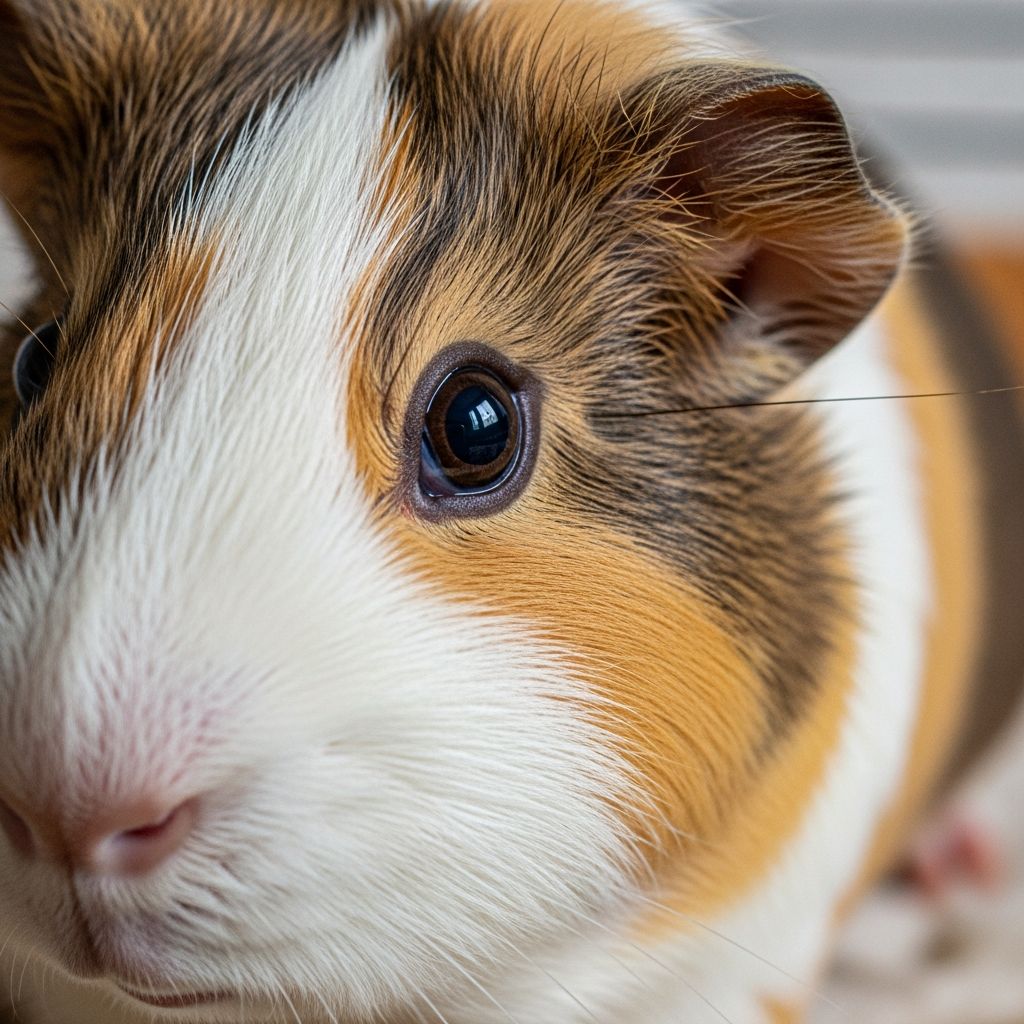
Guinea pigs, beloved for their expressive faces and curious nature, rely heavily on their keen eyesight for navigating their world. However, these small rodents are susceptible to various eye conditions that can cause discomfort, impair vision, and signal broader health concerns. Early detection is crucial, as untreated issues can lead to pain, blindness, or life-threatening complications. This guide explores the most frequent eye problems in guinea pigs, detailing symptoms, underlying causes, effective treatments, and proactive prevention measures to keep your pet’s eyes bright and healthy.
Recognizing Trouble: Key Signs of Eye Distress
Guinea pigs naturally produce a mild, milky discharge from their eyes as part of their self-cleaning process. This is harmless and helps keep their eyes lubricated. However, deviations from this norm warrant attention. Owners should perform daily visual checks during handling or cage cleaning to catch issues early.
- Excessive tearing or watery eyes: Indicates irritation, allergies, or blockages.
- Thick, colored discharge: Yellow, green, or crusty buildup suggests infection.
- Redness or inflammation: Swollen lids or bloodshot appearance points to conjunctivitis or trauma.
- Cloudiness or haze: A bluish or milky film over the cornea signals ulcers or cataracts.
- Squinting, pawing, or rubbing: Behaviors showing pain, often from injuries or foreign objects.
- Eye protrusion or bulging: Known as exophthalmos, this can stem from abscesses or infections behind the eye.
- Closed or partially shut eyes: A response to pain, light sensitivity, or severe swelling.
These symptoms often appear in one or both eyes and may accompany general signs like lethargy, sneezing, or appetite loss, hinting at systemic problems.
Bacterial Infections: The Primary Culprits
Bacterial agents top the list of eye troublemakers in guinea pigs. Conjunctivitis, or “pink eye,” tops this category, caused by pathogens like Chlamydia caviae, Bordetella, Streptococcus, Listeria, or Salmonella. These bacteria inflame the conjunctiva—the thin membrane covering the eye and inner eyelids—leading to redness, discharge, and swelling.
Poor enclosure hygiene exacerbates risks, as dust from low-quality hay or bedding harbors bacteria. Vitamin C deficiency, common since guinea pigs can’t produce this nutrient, weakens immunity and invites infections, mimicking scurvy symptoms. Allergic reactions to environmental irritants like ammonia from soiled bedding can also trigger similar inflammation.
Upper respiratory infections (URIs) frequently involve the eyes, with crusty discharge, sneezing, nasal runoff, and fatigue. Prompt intervention prevents spread to healthy cage mates, as these are highly contagious.
Injuries and Trauma: Everyday Hazards
Guinea pigs’ active lifestyles expose their prominent eyes to scratches and pokes. Corneal ulcers—painful abrasions on the eye’s clear surface—are frequent from hay strands, sharp bedding, cage fights, or overzealous grooming by companions.
Symptoms escalate quickly: intense pawing, squinting, cloudiness, and reluctance to eat due to pain. Deep ulcers risk secondary infections or scarring, potentially causing permanent vision loss. Foreign bodies like dust or fibers lodge easily, causing chronic irritation if ignored.
Entropion, where eyelids roll inward, rubs hairs against the cornea, worsening ulcers. This genetic or conformational issue often requires surgical correction for lasting relief.
Systemic Links: When Eyes Reflect Deeper Issues
Eye symptoms often mirror internal problems. Dental malocclusion, where overgrown teeth roots press on tear ducts, causes watery or cloudy discharge, drooling, weight loss, and appetite decline. Untreated, it leads to ileus—a deadly gut slowdown.
Cataracts cloud the lens, more prevalent in seniors or diabetics, impairing light entry and causing blindness. Congenital forms appear young in certain breeds. “Cherry eye” sees the tear gland prolapse as a red mass, from infection or strain, needing repositioning.
Exophthalmos bulges eyes outward, drying the surface as lids fail to cover fully. Abscesses, tumors, or retrobulbar infections behind the eye cause this emergency.
Diagnosis: Veterinary Expertise Essential
Home observation guides initial action, but professional diagnosis confirms causes. Vets use fluorescein dye to reveal ulcers glowing green under blue light, swab cultures for bacteria, and measure intraocular pressure. Blood tests check vitamin C levels or diabetes; dental X-rays uncover root issues.
Separate affected pigs immediately to curb contagion, maintaining quarantine with separate food/water.
Treatment Strategies: Tailored and Timely
Treatments vary by diagnosis but prioritize pain relief and infection control.
| Condition | Common Treatments | Duration |
|---|---|---|
| Conjunctivitis | Antibiotic drops/ointment (e.g., for Chlamydia), saline flushes, vitamin C boost | 7-14 days |
| Corneal Ulcer | Protective ointment, antibiotics, pain meds, e-collar if pawing | 5-10 days, recheck |
| URI-Related | Systemic antibiotics, supportive care, nebulization | 2-4 weeks |
| Dental Issues | Tooth trimming/filing, pain relief, fluids | Ongoing management |
| Cataracts | Monitor if non-painful; surgery rare | Lifelong adaptation |
Administer meds gently: Wrap in a towel, use cotton swabs for ointments, and follow dosing precisely. Never use human products without vet approval.
Prevention: Building a Eye-Friendly Habitat
Proactive care minimizes risks. Provide unlimited fresh vitamin C-rich veggies (bell peppers, kale) or supplements daily—25mg/100g body weight.
- Bedding and hay: Opt for dust-free, green hay; avoid dusty or moldy batches. Use soft fleece liners or paper bedding.
- Cage setup: Spacious (7.5+ sq ft per pig), with hiding spots, chew toys for dental health, and daily spot-cleaning.
- Hygiene: Full clean weekly; disinfect toys/water bottles. Monitor for ammonia buildup.
- Social dynamics: Introduce companions slowly; watch for bullying. Neutering reduces aggression.
- Regular checkups: Annual vet visits, especially for seniors or multiples.
Quarantine new pigs for 3 weeks.
Home Care Tips for Mild Issues
For minor irritation, gently clean eyes with sterile saline (boiled/cooled water + pinch salt) using a soft cloth. Wipe outward from inner corner. Warm chamomile tea compresses (cooled) soothe swelling—test temperature first. Improve diet immediately if deficiency suspected. Escalate to vet if no improvement in 24-48 hours.
FAQs: Common Guinea Pig Eye Concerns
Is milky eye discharge normal?
Yes, a thin milky film is typical for cleaning. Thick, colored, or excessive discharge is not.
Can I treat eye infections at home?
No—antibiotics require prescription. Home cleaning aids but doesn’t cure infections.
Why does my guinea pig have one cloudy eye?
Likely ulcer or trauma; bilateral cloudiness suggests cataracts.
How do I prevent hay pokes?
Feed hay in racks above bedding; trim sharp ends.
Are eye problems breed-specific?
Some lines prone to entropion or congenital cataracts.
Long-Term Outlook and When to Worry
Most eye issues resolve with swift care, preserving vision. Chronic cases like cataracts or entropion may need adaptation—enrich environments with scent/tactile cues. Blind guinea pigs thrive with consistent setups. Seek emergency care for protrusion, non-healing ulcers, or appetite loss, as these signal abscesses or systemic disease.
By staying vigilant, optimizing husbandry, and partnering with vets, you ensure your guinea pig’s eyes—and overall well-being—remain in top form. Regular bonding sessions let you spot subtle changes early, fostering a joyful companionship.
References
- Guinea Pig Eye Infections — Home & Roost. 2023. https://homeandroost.co.uk/blogs/guinea-pigs/guinea-pig-eye-infections
- What to do if rabbit/guinea pig has eye problems — Lort Smith Animal Hospital. 2024. https://lortsmith.com/need-help-now/other/rabbit-guinea-pig-eye-problems/
- Pink Eye in Guinea Pigs — PetMD. 2025-02-10. https://www.petmd.com/exotic/conditions/eyes/c_ex_gp_conjunctivitis
- Understanding Guinea Pig Eye Conditions — The Guinea Pig Vet. 2024. https://www.theguineapigvet.co.uk/post/guinea-pig-eye-health
- Common Eye Issues in Rabbits, Guinea Pigs, and Ferrets — Veterinary Vision Center. 2023. https://veterinaryvisioncenter.com/common-eye-issues-in-rabbits-guinea-pigs-and-ferrets/
- Guinea Pig Eye Health — USDA APHIS. 2022. https://www.aphis.usda.gov/sites/default/files/fs-guinea-pig-eye-health.pdf
Similar Articles








Read full bio of Sneha Tete