Vital Role of Physical Activity in Guinea Pig Wellness
Discover how daily exercise boosts your guinea pig's health, prevents obesity, and enhances mental well-being for a longer, happier life.
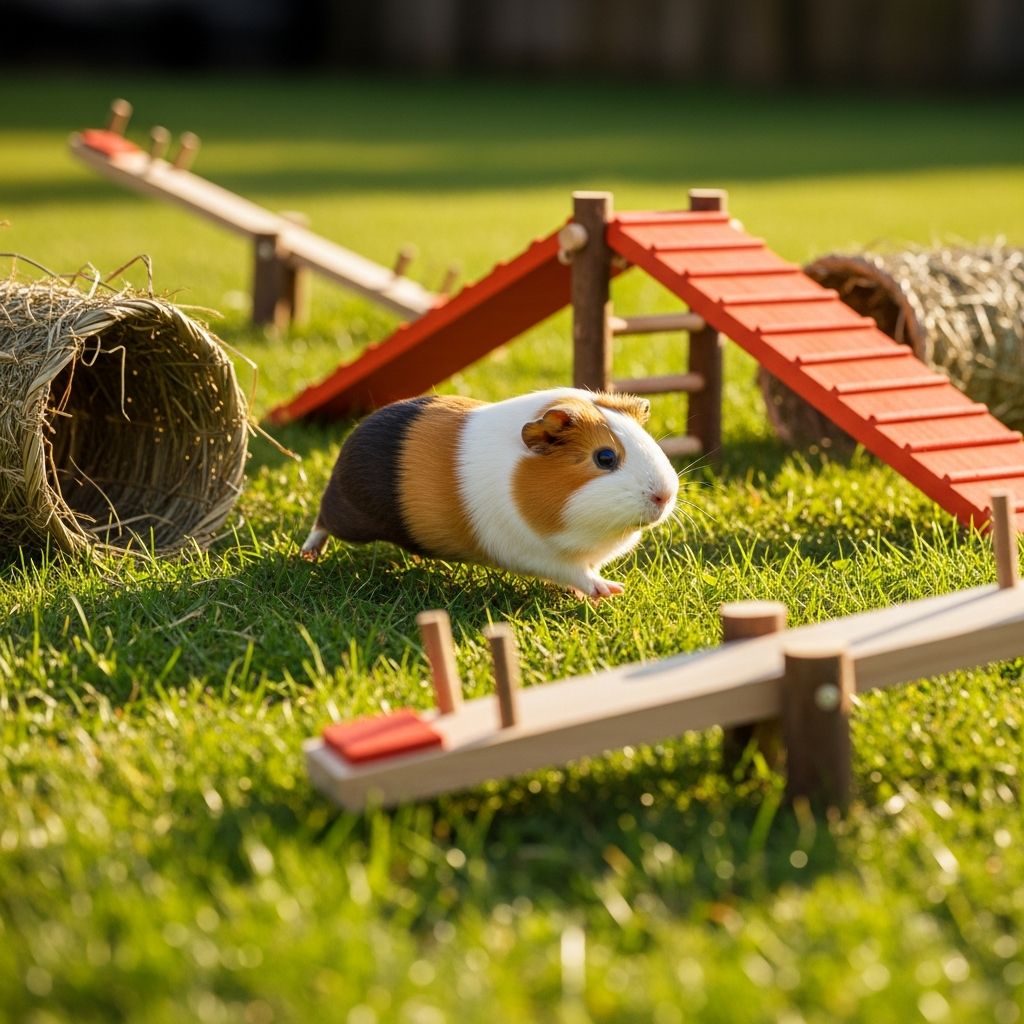
Guinea pigs thrive on regular physical activity, which supports their cardiovascular system, aids digestion, and wards off obesity-related conditions like arthritis and diabetes. Daily exercise mimics their natural foraging behaviors, promoting overall vitality and extending lifespan.
Understanding Guinea Pig Physiology and Activity Needs
In the wild, guinea pigs roam extensively to forage and escape predators, burning energy through constant movement. Domestic setups often limit this, leading to weight gain and health decline without intervention. Research shows enriched environments increase activity levels and social interactions without elevating stress hormones like cortisol.
These rodents require at least 1-4 hours of out-of-cage time daily, depending on enclosure size, to maintain muscle tone and joint flexibility. Insufficient activity contributes to lethargy, poor circulation, and digestive stasis, underscoring the need for structured routines.
Health Advantages of Consistent Exercise Routines
- Weight Control: Prevents obesity, a common issue from sedentary lifestyles and high-calorie diets.
- Cardiovascular Boost: Enhances heart function and respiration for better endurance.
- Digestive Support: Promotes gut motility, reducing bloat and constipation risks.
- Mental Health: Alleviates boredom-induced stress, depression, and anxiety through stimulation.
- Social Enrichment: Encourages herd interactions, vital for emotional stability.
Studies confirm open-field access elevates movement and play without cortisol spikes, proving exercise enriches life quality. Paired housing further amplifies benefits by spurring natural activity.
Designing Safe Exercise Environments
Create guinea pig-proof zones free of wires, small gaps, and toxins. Use playpens or barricaded rooms with soft flooring to prevent slips. Ideal setups span 140 cm x 70 cm for groups, lined with safe materials like coroplast.
| Environment Type | Key Features | Duration Recommendation |
|---|---|---|
| In-Cage Toys | Wheels, tunnels, ramps | Daily, ongoing |
| Floor Time | Enclosed playpen, hides | 1-4 hours |
| Supervised Room | Guinea-proofed space | 30-60 minutes sessions |
Familiarize pets gradually to novel areas to minimize stress, as seen in lab protocols with month-long habituation.
Practical Exercise Activities for Daily Engagement
- Free Roaming: Allow supervised exploration in safe areas; scatter hay to encourage foraging.
- Toy Interactions: Provide tunnels, balls, and chew toys for popping and rolling fun.
- Obstacle Courses: Arrange boxes, cardboard mazes, and low hurdles for agility training.
- Treat Hunts: Hide veggie pieces to stimulate natural scavenging instincts.
- Social Play: Group sessions for chasing and mounting behaviors, boosting bonds.
Hand-feeding greens during sessions builds trust while prompting movement. Avoid overexertion in hot weather; opt for cooler times.
Nutrition Synergy with Physical Activity
Exercise pairs with a high-fiber diet of unlimited hay, pellets, and vitamin C-rich veggies to optimize results. Guinea pigs cannot synthesize vitamin C, so daily supplements prevent scurvy, which hampers mobility. Limit fruits to weekly treats to avoid sugar overload.
Obese pigs benefit from vet-guided weight loss via increased activity and portion control, ensuring sustainable health.
Recognizing Exercise Readiness and Warning Signs
Healthy guinea pigs popcorn (joyful jumps) and explore eagerly during play. Monitor for reluctance, labored breathing, or limping, signaling overexertion or illness—consult vets promptly.
- Vital signs of adequate activity: Shiny coat, alert eyes, steady weight.
- Red flags: Sudden lethargy, hair loss, diarrhea—may indicate deficiency or obesity.
Enrichment Beyond Exercise for Holistic Care
Combine physical play with mental challenges like puzzle feeders and rotating toys to combat boredom. Companionship is key; solitary pigs often become inactive and depressed. RSPCA guidelines emphasize enrichment for psychological welfare.
Frequently Asked Questions
How many hours of exercise do guinea pigs need daily?
Aim for 1-4 hours outside the cage, split into sessions, even in large habitats.
Can guinea pigs use exercise wheels?
Yes, but select wide, solid wheels to avoid back injuries; supervise initially.
What if my guinea pig refuses to exercise?
Tempt with treats, ensure companionship, and check for health issues via vet exam.
Is outdoor exercise safe?
Possible in secure runs during mild weather, avoiding predators and pesticides.
Does exercise help with behavioral problems?
Absolutely—it reduces chewing, aggression, and anxiety through energy release.
Long-Term Wellness Through Routine Monitoring
Track weight bi-weekly and adjust play based on age and condition. Seniors need gentler activities like short roams. Consistent routines yield toned muscles, vibrant energy, and disease resistance.
Integrating exercise fosters not just physical prowess but profound joy, mirroring wild freedoms in home settings.
References
- Exercise Ideas for Guinea Pigs — Pet Depot. Accessed 2026. https://www.petdepotmd.com/exercise-ideas-for-guinea-pigs/
- Enriched Open Field Facilitates Exercise and Social Interaction in 2 Strains of Guinea Pigs — PMC (PubMed Central). 2014-07-15. https://pmc.ncbi.nlm.nih.gov/articles/PMC4113233/
- Top Tips for a Happy Guinea Pig: Playtime and Health — GuineaDad. Accessed 2026. https://www.guineadad.com/blogs/news/guinea-pig-playtime-tips
- How Much Exercise Does a Guinea Pig Need? — Home & Roost. Accessed 2026. https://homeandroost.co.uk/blogs/guinea-pigs/how-much-exercise-does-a-guinea-pig-need
- Does my guinea pig need exercise? — Ontario SPCA. Accessed 2026. https://ontariospca.ca/blog/does-my-guinea-pig-need-exercise/
- Guinea Pig Health and Wellness — Anti-Cruelty. Accessed 2026. https://anticruelty.org/pet-library/guinea-pig-health-and-wellness
- Does My Small Animal Need Exercise? (Yes!) — Kaytee. Accessed 2026. https://www.kaytee.com/learn-care/small-animals/does-my-small-animal-need-exercise
Similar Articles








Read full bio of Sneha Tete