

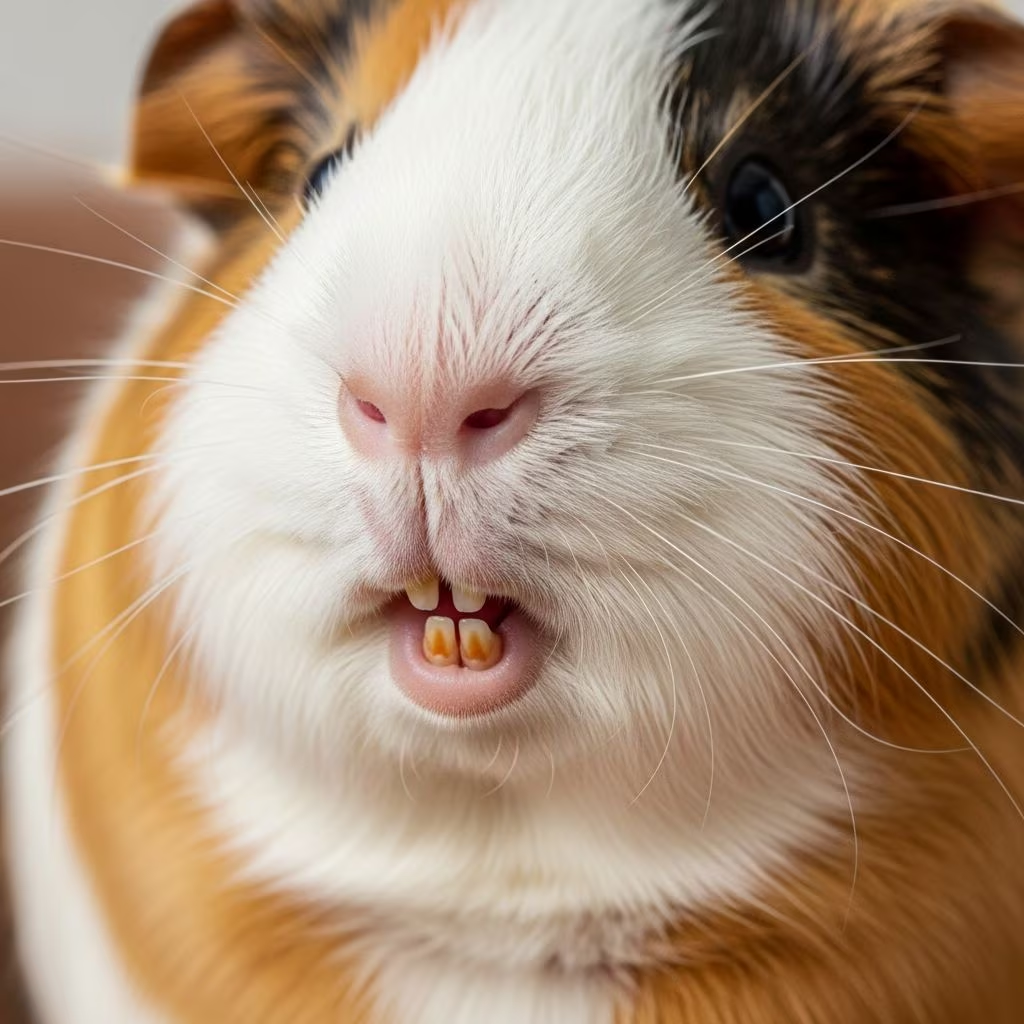
Understanding Guinea Pig Dental Problems
Dental disease represents one of the most prevalent health concerns affecting guinea pigs, making it essential for pet owners to understand the complexities of maintaining their cavies’ oral health. Unlike humans, guinea pig teeth continuously grow throughout their entire lifespan, a phenomenon that requires constant management through proper diet and chewing habits. When guinea pigs do not receive adequate opportunities to wear down their teeth through chewing on hay and grass, serious dental complications can develop that may significantly impact their quality of life and overall health.
How Guinea Pig Teeth Grow
The unique dental anatomy of guinea pigs differs substantially from other household pets. Guinea pig teeth are continuously erupting and growing, necessitating constant attrition through natural chewing behaviors. The mandibular, or bottom jaw, cheek teeth are particularly prone to overgrowth and are often the most severely affected by dental disease. When these teeth grow unchecked, they can elongate to such an extent that they trap the tongue, preventing normal tongue movement and severely compromising the guinea pig’s ability to consume food properly. This condition can develop gradually, making early detection critical for preventing serious complications.
Common Types of Guinea Pig Dental Problems
Guinea pigs can experience several distinct types of dental issues, each requiring different management approaches. Understanding these various conditions helps pet owners recognize when veterinary intervention becomes necessary.
Overgrown Cheek Teeth
The most prevalent form of dental disease in guinea pigs involves the elongation of cheek teeth. Lower jaw cheek teeth frequently develop spurs that can grow inward toward the tongue, while upper cheek teeth typically develop spurs that project outward toward the cheeks. In severe cases, spurs from both sides of the lower jaw can extend so far that they meet in the center above the tongue, forming what veterinarians call a “spur bridge” that completely traps the tongue and prevents normal chewing and swallowing.
Malocclusion and Misalignment
Malocclusion refers to improper alignment of the teeth and jaw. When back teeth become overgrown, the incisors may subsequently overgrow and become misaligned as the dental structure attempts to compensate. This misalignment perpetuates a cycle of dental problems, as the misaligned teeth wear unevenly and continue to create additional complications.
Tooth Root Abscesses and Infections
Dental infections and abscesses represent serious complications that can develop from untreated dental disease. These bacterial infections can form at the tooth roots and may become visible as facial or jaw swelling. Abscesses are painful and can lead to systemic infections if left untreated, potentially affecting other body systems.
Sharp Spurs and Ulcerations
The presence of sharp edges and spurs on teeth can create ulcers and sores inside the mouth. These sharp projections may lacerate the delicate tissues of the cheeks and tongue, causing pain, infection, and difficulty eating. The resulting ulcers can become infected, compounding the initial dental problem.
Additional Dental Complications
Guinea pigs may also experience broken teeth, loose teeth, plaque buildup, and teeth that grow too rapidly. Each of these conditions can compromise dental function and overall health if not properly addressed.
Warning Signs Your Guinea Pig Has Dental Problems
Recognizing the early symptoms of dental disease is crucial for prompt intervention. Many guinea pigs display subtle signs that owners may easily overlook, allowing the condition to progress significantly before treatment begins. Pet owners should maintain vigilant observation and contact their veterinarian if they notice any of the following indicators:
Eating-Related Symptoms
Changes in eating behavior often represent the first noticeable sign of dental problems. Guinea pigs with dental disease frequently exhibit reduced appetite, dropping food from their mouths while chewing, or refusing to eat altogether despite showing interest in food. Some guinea pigs develop a marked preference for softer foods, avoiding hay and harder pellets that would normally wear down their teeth. Pain when eating may cause them to cry out, grind their teeth, or consume only small amounts before stopping.
Oral and Facial Symptoms
Physical signs visible around the mouth and face include excessive drooling, which often mats the guinea pig’s fur around the mouth and down the front of their body in a condition known as “slobbers.” Facial swelling or abscesses on the face and lower jaw may be present, particularly if infections have developed. Discharge from the eyes or nose can occur as infections spread, and bleeding from the mouth may indicate severe ulceration or trauma.
General Health Indicators
Systemic symptoms reflect the overall impact of untreated dental disease on the guinea pig’s wellbeing. Weight loss becomes apparent as the guinea pig’s spine, pelvic bones, and ribs become increasingly prominent. Poor grooming habits result in unkempt, wet fur as the guinea pig lacks the energy or ability to maintain normal hygiene. Lethargy and decreased activity levels indicate pain and discomfort.
Digestive Changes
Because affected guinea pigs cannot consume adequate amounts of hay and fiber, digestive disturbances frequently occur. These may include decreased fecal production, smaller stools, or diarrhea. Some guinea pigs may stop passing fecal pellets altogether, indicating severe digestive compromise.
Observable Dental Signs
Direct observation of the teeth may reveal loose teeth, visible trauma to tooth surfaces, or obvious misalignment. However, examining the back teeth remains extremely difficult for owners due to the natural buccal pads, or cheek pads, that obstruct the view, making professional dental evaluation essential for diagnosing cheek tooth problems.
Root Causes of Dental Disease in Guinea Pigs
Understanding what causes dental problems enables owners to implement effective prevention strategies. Multiple factors can contribute to the development of dental disease in guinea pigs.
Inadequate Diet
The most common cause of dental disease in guinea pigs is an improper diet lacking sufficient high-fiber content. Guinea pigs require large quantities of hay to continuously wear down their ever-growing teeth. A diet deficient in hay and fresh vegetables fails to provide the necessary chewing action to maintain appropriate tooth length and wear patterns. Additionally, inadequate vitamin C intake contributes to dental problems, as guinea pigs cannot synthesize their own vitamin C and depend entirely on dietary sources. Foods rich in vitamin C, including bell peppers, broccoli, tomatoes, and citrus fruits, are essential dietary components. Fresh leafy greens and herbs such as parsley, spinach, carrot tops, celery, and Asian vegetables provide both fiber and vital nutrients.
Genetic Predisposition
Some guinea pigs inherit a genetic tendency toward dental problems that may develop despite appropriate diet and care. These individuals may require regular dental maintenance throughout their lives, including professional filing of spurs and monitoring for complications. Genetic dental abnormalities cannot be prevented but can be effectively managed with consistent veterinary care.
Age-Related Factors
As guinea pigs age, tooth fractures and loss become increasingly common problems. The aging process naturally affects dental integrity, making older guinea pigs more susceptible to various dental complications.
Previous Infections or Trauma
Prior tooth infections, abscesses, or physical trauma to the teeth can initiate a cascade of dental problems. These initial insults may disrupt normal tooth growth patterns and lead to misalignment and subsequent complications.
Prevention Strategies for Dental Health
Proactive prevention forms the foundation of maintaining optimal guinea pig dental health. While some dental problems cannot be entirely prevented, particularly those with genetic origins, careful management can minimize risk and delay onset of problems.
Optimize Dietary Intake
Provide unlimited access to high-quality timothy hay, which should constitute the bulk of the guinea pig’s diet. Supplement with a variety of fresh vegetables daily, ensuring adequate vitamin C intake through foods like bell peppers, kale, and broccoli. Offer species-appropriate pellets in measured quantities to prevent obesity while ensuring complete nutrition. Limit treats and avoid commercial products high in sugar or lacking nutritional value.
Encourage Natural Chewing Behaviors
Provide safe objects for chewing, such as untreated wood, willow branches, and commercial wooden chew toys designed for small animals. These items promote natural wear of the teeth while providing enrichment and mental stimulation. Rotate chew toys regularly to maintain interest and variety.
Regular Veterinary Monitoring
Schedule annual veterinary examinations, with more frequent visits for older guinea pigs or those with known genetic predispositions to dental problems. Professional dental assessment can identify early problems before they become severe. Some guinea pigs may require dental evaluation every few months if they have a history of dental complications.
Environmental Enrichment
Maintain an engaging environment that encourages natural foraging and chewing behaviors. Provide appropriate space for exercise and exploration, as mental and physical stimulation support overall health, including dental health.
Treatment Options and Veterinary Care
When dental problems develop despite prevention efforts, professional veterinary treatment becomes necessary. Treatment options vary depending on the specific problem and its severity.
Professional Tooth Trimming and Filing
Veterinarians can trim and file overgrown teeth under anesthesia, removing sharp spurs and restoring appropriate tooth length. This procedure may need to be repeated periodically if the guinea pig has a genetic predisposition to tooth overgrowth or if underlying issues prevent normal wear.
Abscess Treatment
Tooth root abscesses may require drainage and antibiotic therapy. In some cases, extraction of the affected tooth may be necessary to resolve the infection and prevent systemic spread.
Extraction of Severely Damaged Teeth
Teeth that are severely fractured, loose, or damaged beyond repair may need extraction to prevent ongoing pain and complications. Modern veterinary techniques allow guinea pigs to continue eating normally even with missing teeth, as long as adequate opposing teeth remain.
Pain Management
Appropriate pain relief is essential during treatment and recovery. Veterinarians may prescribe pain medications to ensure the guinea pig’s comfort while healing occurs and underlying conditions resolve.
Frequently Asked Questions About Guinea Pig Dental Problems
Q: How often should I have my guinea pig’s teeth examined?
A: Most healthy adult guinea pigs should have annual dental examinations during their regular veterinary checkups. Older guinea pigs, those with a history of dental problems, or breeds predisposed to dental disease may require examinations every six months or more frequently as recommended by your veterinarian.
Q: Can dental disease be prevented entirely?
A: While you cannot completely prevent dental disease in all guinea pigs, particularly those with genetic predispositions, proper diet and care can significantly reduce the risk and delay onset. Providing unlimited hay, fresh vegetables, and appropriate chew toys creates optimal conditions for dental health.
Q: What should I feed my guinea pig to maintain dental health?
A: Feed unlimited high-quality timothy hay as the primary food, supplemented with daily fresh vegetables including vitamin C-rich options like bell peppers and broccoli. Provide measured portions of guinea pig pellets and limited treats. Avoid foods high in sugar or lacking nutritional value.
Q: Is anesthesia safe for guinea pigs undergoing dental procedures?
A: Modern anesthesia protocols used by experienced veterinarians are generally safe for guinea pigs when necessary for dental procedures. Discuss anesthesia concerns with your veterinarian, who can explain the specific approach they use and address any health considerations specific to your pet.
Q: Can guinea pigs eat normally if they lose teeth?
A: Yes, guinea pigs can often continue eating normally even after losing teeth, provided they retain adequate opposing teeth for grinding food. However, their diet may need adjustment to include softer vegetables and hay pellets alongside regular hay to ensure adequate nutrition.
Q: What is the prognosis for guinea pigs with dental disease?
A: With appropriate veterinary treatment and management, many guinea pigs with dental disease can maintain good quality of life. Early intervention produces the best outcomes. Guinea pigs with genetic dental problems typically require ongoing monitoring and periodic treatment but can live comfortably with their condition managed.
References
- Guinea Pig Dental Disease – Signs, Causes & Treatment — Unusual Pet Vets Australia. Accessed November 28, 2025. https://www.unusualpetvets.com.au/guinea-pig-dental-disease/
- Guinea Pig Teeth: Common Problems and Care Tips — Chewy Education. Accessed November 28, 2025. https://www.chewy.com/education/small-pet/guinea-pig/guinea-pig-teeth
- Dental Disease in Guinea Pigs — Vet Central Singapore. Accessed November 28, 2025. https://vetcentral.com.sg/blogs/news/dental-disease-in-guinea-pigs
- What Dental Problems Do Guinea Pigs Get? — RSPCA Knowledgebase. Accessed November 28, 2025. https://kb.rspca.org.au/knowledge-base/what-dental-problems-do-guinea-pigs-get/
- Guinea Pigs: Overgrown Teeth — Mount Pleasant Veterinary Group Singapore. Accessed November 28, 2025. https://www.mountpleasant.com.sg/education/guinea-pigs-overgrown-teeth/



