

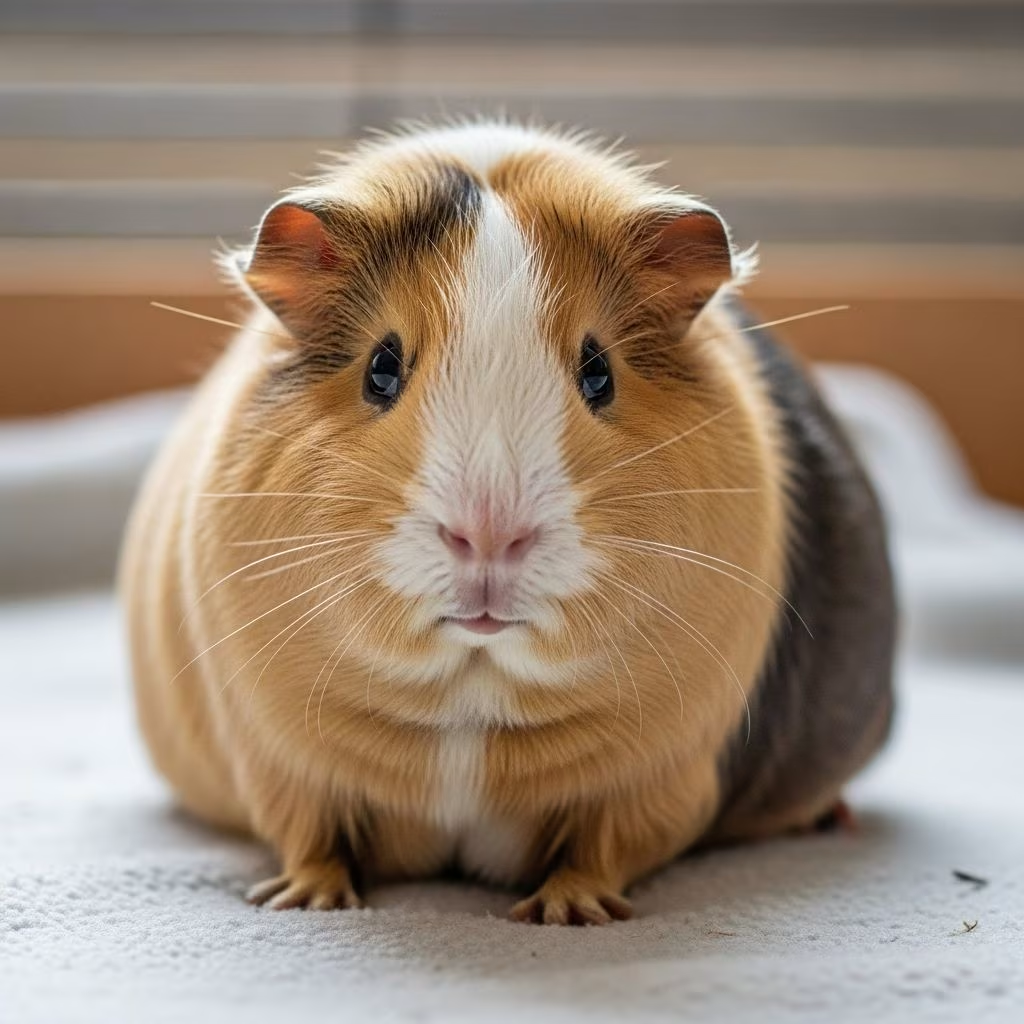
What is Guinea Pig Bloat?
Guinea pig bloat is a serious and potentially life-threatening condition that occurs when gas accumulates in your pet’s gastrointestinal tract. Unlike humans and many other animals, guinea pigs have a unique physiological limitation: they are unable to pass gas through their intestines effectively. This means that when gas builds up, it becomes trapped, causing severe abdominal distension and intense pain.
According to Dr. Lori Hageman, DVM, owner of Ark Pet Hospital in Antioch, California, “Guinea pigs are not able to pass gas through their intestines, so the gas just stays in the intestines and produces severe pain. Guinea pig bloat can be fatal if untreated because their intestines have stopped moving, and they stop eating.” This condition can escalate rapidly, and in severe cases, guinea pigs may die within 30 minutes if the bloat is not promptly treated.
Bloat in guinea pigs is also known as gastric dilatation-volvulus (GDV), which describes the condition where the stomach becomes distended with gas and may twist, cutting off blood supply to vital organs. The expanded stomach compresses blood flow through veins draining the stomach and can cut off the arterial blood supply to the stomach and spleen, resulting in tissue death (necrosis).
Recognizing the Signs: Symptoms of Guinea Pig Bloat
Early recognition of bloat symptoms is crucial for saving your guinea pig’s life. Understanding what to look for can help you seek immediate veterinary care when needed.
Physical Symptoms
- Enlarged or hard, swollen abdomen that feels tight or distended
- Damp or matted hair coat around the affected area
- Visible discomfort or pain, particularly around the abdominal region
- Painful spasms occurring on one or both sides of the body
- Restlessness and unusual positioning (hunching or stretching)
Behavioral Symptoms
- Lethargy and decreased activity levels
- Loss of appetite or refusal to eat
- Unusual vocalizations or squeaking indicating pain
- Reluctance to move or exercise
- Shallow or labored breathing
If you notice any combination of these symptoms, it is essential to treat your guinea pig for shock first by providing a calm, relaxed resting space. You can offer a small amount of pre-made sugar solution using an eyedropper or syringe to help with shock symptoms. However, this is only a temporary measure, and you must take your guinea pig to a veterinarian as soon as possible.
Understanding the Root Causes of Guinea Pig Bloat
Multiple factors can contribute to the development of bloat in guinea pigs. Understanding these causes can help you implement prevention strategies and reduce the risk of this dangerous condition affecting your pet.
Dietary Issues: The Primary Culprit
Diet is one of the most common and significant contributors to guinea pig bloat. Several dietary factors can disrupt your pet’s digestive system:
- High-Carbohydrate and Sugary Foods: Feeding guinea pigs excessive starchy or sugary foods disrupts the balance of gut bacteria. This includes fruits like carrots, which are high in natural sugars, and commercial treats loaded with added sugars.
- Gas-Producing Vegetables: Certain fresh vegetables can cause excessive gas production in the digestive tract. These include broccoli, cauliflower, green beans, cabbage, Brussels sprouts, collard greens, and other members of the cabbage family. While these vegetables contain valuable nutrients, they should be offered sparingly and in small quantities.
- Fermentable Foods: Excess amounts of fermentable vegetables and sweet herbs can cause rapid gas buildup in the stomach.
- Low Fiber Intake: A diet lacking in hay and fiber slows down gut motility, allowing food to remain in the digestive tract longer and ferment, producing gas.
- Sudden Diet Changes: Introducing new foods too quickly without a gradual transition period can cause significant digestive upset and bloat.
- Rapid Eating: Some guinea pigs eat too quickly, swallowing air that cannot be expelled, contributing to gas accumulation.
Non-Dietary Risk Factors
Beyond diet, several other factors increase the risk of bloat:
- Stress: Environmental changes, handling stress, or alterations in social dynamics can negatively affect digestion and trigger bloat episodes.
- Lack of Exercise: Insufficient physical activity slows down the digestive process and can contribute to gas buildup.
- Underlying Illness or Pain: Dental problems, infections, and other health issues can lead to decreased appetite and impaired gut motility.
- Previous Bloat History: Guinea pigs that have experienced bloat once are at higher risk for recurrence.
- Obesity: Excess weight puts additional pressure on the digestive system.
- Ingestion of Foreign Matter: Lawn clippings and other inappropriate foods can rapidly trigger bloat symptoms.
While several theories exist regarding bloat causation—including hairball impaction, gut adhesions from previous surgeries, bacterial or parasitic infections, and viral causes—veterinarians emphasize that diet remains the most commonly identified culprit.
How Bloat Affects Your Guinea Pig’s Health
The physiological impact of bloat on guinea pigs is severe and can quickly become life-threatening. When gas accumulates in the stomach, it causes rapid expansion of the stomach wall. This expansion increases internal pressure, which compresses blood flow through the veins draining the stomach. More critically, this pressure can cut off the arterial blood supply to the stomach and spleen, leading to rapid tissue death (necrosis).
In severe cases of gastric volvulus, the stomach may actually twist, further compromising blood flow and oxygenation to vital organs. Without immediate intervention, guinea pigs can deteriorate and die within 30 minutes. Even less severe cases, classified as episodic gastric dilatation, may cause chronic recurring episodes if not properly managed, significantly impacting your guinea pig’s quality of life and overall health.
Treatment Options for Guinea Pig Bloat
Medical Treatment Approaches
Treatment for guinea pig bloat varies depending on the severity of the condition and your veterinarian’s assessment. Common medical interventions include:
- Anti-Gas Medications: These medications help reduce gas accumulation and provide relief from bloating symptoms.
- Gut Stimulants: Medications such as metoclopramide (Reglan) or cisapride work to stimulate intestinal contractions and help move gas through the digestive tract.
- Pain Management: Pain medications are essential for keeping your guinea pig comfortable during recovery and encouraging them to eat and move.
- Antibiotics: If bacterial infection is suspected or confirmed, antibiotics may be prescribed to restore normal gastrointestinal function.
- Probiotics: Beneficial bacteria formulas administered via syringe help restore the balance of healthy gut flora, which may have been disrupted by illness or antibiotics.
- Fluid Therapy: Intravenous or subcutaneous fluids prevent dehydration and support organ function. Veterinarians typically administer 15-20 ml of fluid subcutaneously to maintain hydration.
- Nutritional Support: Critical care feeding formulas maintain nutrition when guinea pigs are unable or unwilling to eat on their own.
Surgical Intervention
If medical therapy proves ineffective or if the bloat is severe with suspected gastric volvulus, your veterinarian may recommend surgery. Surgical treatment involves gastrotomy (surgical opening of the stomach) to allow gas and fluid removal directly from the stomach’s lumen. During surgery, the veterinarian examines the stomach tissue for necrosis. Damaged tissue must be removed through debridement, and in cases of extensive damage, portions of the stomach may require amputation.
It’s important to note that decompression via stomach tube has proven ineffective in guinea pigs when used as a standalone treatment, making surgery the definitive option for severe cases.
Prognosis and Long-Term Outlook
The prognosis for guinea pigs with bloat is always guarded. Dr. Hageman explains, “There are many theories on the disease, but nothing has been definitely proven.” Once a guinea pig has experienced bloat, the condition is likely to recur, requiring long-term dietary management and close monitoring. Recovery depends on the severity of the initial episode, how quickly treatment was initiated, and whether permanent damage to the digestive organs has occurred.
Prevention Strategies: Keeping Your Guinea Pig Healthy
Optimal Diet Guidelines
- Feed high-fiber guinea pig pellets containing 18-20% crude fiber
- Provide unlimited access to quality hay, which forms the foundation of a healthy diet
- Introduce new foods gradually over several days to allow digestive adaptation
- Offer fresh vegetables in controlled portions, avoiding gas-producing varieties
- Feed guinea pigs multiple small meals throughout the day rather than one or two large feedings to reduce gas production
- Ensure guinea pigs can consume food within 15 minutes of presentation
- Maintain constant access to fresh water at all times
- Avoid high-sugar fruits, treats, and commercial snack foods
- Prevent access to lawn clippings and other inappropriate vegetation
Lifestyle and Environmental Factors
- Provide regular daily exercise through supervised floor time and spacious cage environments
- Minimize stress by maintaining a stable, calm environment with consistent routines
- Avoid sudden environmental changes or excessive handling
- Maintain appropriate social groupings to prevent stress-related conflicts
- Ensure proper temperature control (keep guinea pigs between 65-75°F)
- Monitor weight and maintain a healthy body condition to prevent obesity
When to Seek Emergency Veterinary Care
Bloat is always an emergency requiring immediate veterinary attention. Seek emergency care if your guinea pig displays any of the following:
- Hard, swollen, or distended abdomen
- Signs of pain or distress
- Loss of appetite or refusal to eat
- Lethargy or unusual inactivity
- Difficulty breathing or labored respiration
- Unusual vocalizations or squeaking
Time is critical with bloat. The faster your guinea pig receives professional veterinary treatment, the better the chances of recovery and survival. Do not delay seeking care hoping the condition will resolve on its own.
Frequently Asked Questions About Guinea Pig Bloat
Q: Can guinea pig bloat be prevented entirely?
A: While you cannot guarantee prevention, following proper dietary guidelines, minimizing stress, providing regular exercise, and avoiding known risk factors significantly reduce the likelihood of bloat occurring.
Q: Is bloat fatal in all guinea pigs?
A: Bloat can be fatal, especially without prompt treatment, but many guinea pigs survive with immediate veterinary intervention. Recovery depends on severity, speed of treatment, and whether permanent organ damage has occurred.
Q: What vegetables are safe for guinea pigs if I want to avoid bloat?
A: Safe vegetables include bell peppers, cucumbers, romaine lettuce, and leafy greens like parsley and cilantro. Always introduce new vegetables gradually and in small quantities.
Q: How often should guinea pigs be fed fresh vegetables?
A: Guinea pigs should receive fresh vegetables daily, but in controlled portions—typically about one cup per guinea pig per day, adjusted for individual tolerance.
Q: If my guinea pig has bloat once, will it always suffer from it?
A: Not necessarily, but recurrence is common. Strict dietary management, stress reduction, and regular monitoring can help prevent future episodes.
Q: Can home remedies treat guinea pig bloat?
A: Home remedies like gentle massage and warm environments can provide temporary comfort, but professional veterinary treatment is essential. Bloat is an emergency that requires medical intervention.
References
- Guinea Pig Bloat Symptoms and Solutions — Chewy. 2024. https://www.chewy.com/education/small-pet/guinea-pig/beware-of-guinea-pig-bloat
- Bloat in Guinea Pigs — Guinea Pigs Australia. 2024. https://guineapigsaustralia.com.au/pages/bloat
- Bloat in Guinea Pigs – Goodna Vet — Goodna Veterinary Clinic. 2024. https://www.goodnavet.com.au/post/bloat-in-guinea-pigs
- Do Guinea Pigs Fart? All about bloating — Kavee Blog. 2024. https://uk.kavee.com/blogs/the-piggy-blog/do-guinea-pigs-fart-what-you-need-to-know-about-guinea-pig-bloat
- Bloating In Guinea Pigs? Causes And Signs — The Guinea Pig Forum. 2024. https://www.theguineapigforum.co.uk/threads/bloating-in-guinea-pigs-causes-and-signs.151324/



