

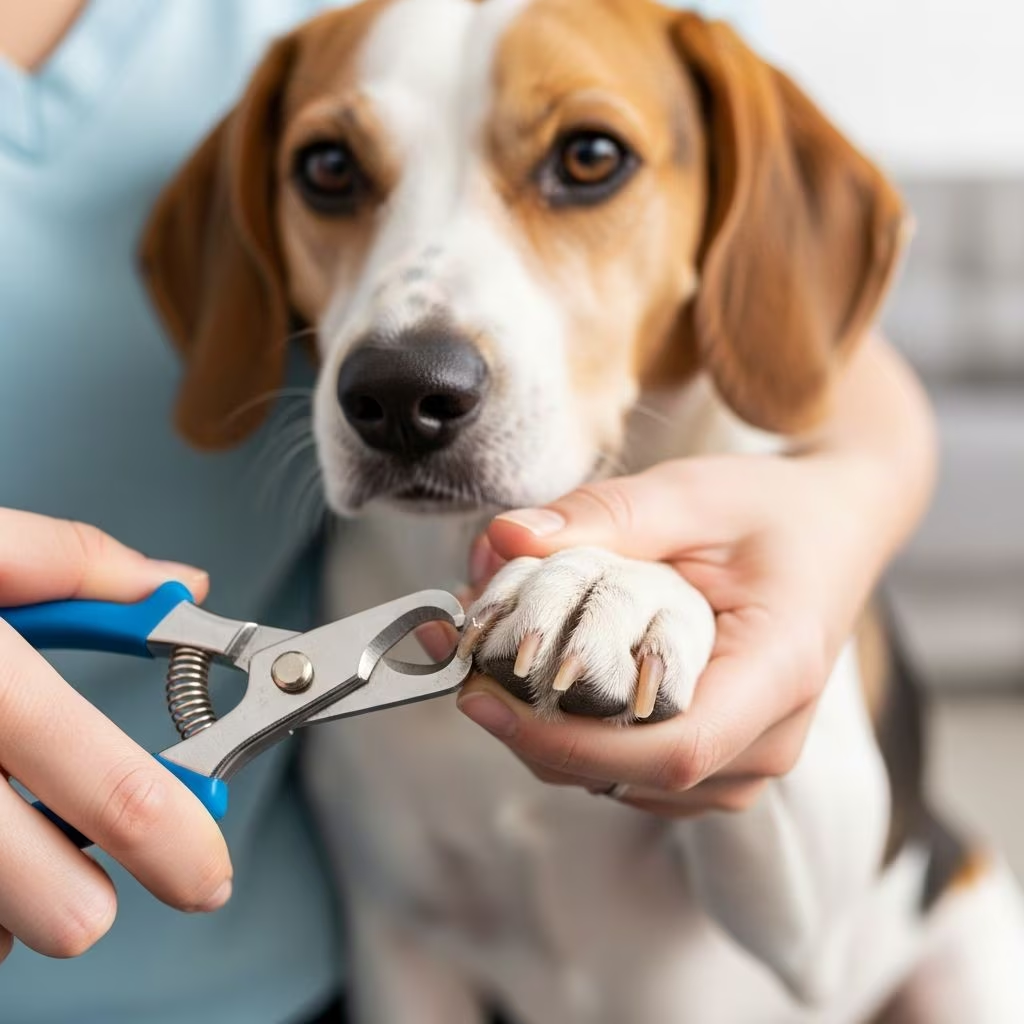
Guide to Trimming Your Dog’s Nails: Safe & Easy Steps
Keeping your dog’s nails trimmed is an essential part of pet grooming and overall health maintenance. Regular nail trimming prevents overgrowth, reduces the risk of painful splits and infections, and helps maintain proper posture and joint health. Whether you’re a first-time pet owner or an experienced groomer, understanding the fundamentals of dog nail trimming will help you perform this important task with confidence and care. This comprehensive guide covers everything you need to know about trimming your dog’s nails safely and effectively.
Understanding Dog Nail Anatomy
Before you begin trimming your dog’s nails, it’s crucial to understand the basic anatomy of a dog’s nail. Each nail consists of the outer hard shell and an inner structure containing blood vessels and nerves called the “quick.” The quick is sensitive and will bleed if cut, causing pain to your dog. Identifying the quick is the most important skill you’ll develop as a pet groomer.
Dog nails vary in color and appearance, which affects how easily you can identify the quick. Clear or light-colored nails make it easier to see the pink quick inside the nail, appearing as a triangle shape. Dark or black nails present a greater challenge because the quick is hidden, requiring a more cautious approach. Some dogs have mixed-colored nails, combining both light and dark sections, which allows you to use the light nails as a reference guide for the darker ones.
Dog Nail Care Toolkit: Essential Tools and Supplies
Having the right equipment is fundamental to successful and stress-free nail trimming. Investing in quality tools not only makes the process easier but also ensures your dog’s safety and comfort throughout the procedure.
Nail Trimmers and Clippers
Choosing the correct nail trimmer is your first decision. Never use human nail clippers on your dog’s nails, as they can crush or split the nail and cause pain. There are two primary types of dog nail clippers:
Scissor-Style Clippers: These work similarly to scissors and are ideal for small to medium-sized dogs with softer nails. They provide excellent control and precision, allowing for clean cuts. The consistent blade alignment reduces the risk of crushing or splitting the nail, making them user-friendly for beginners.
Plier-Style Clippers: Also called guillotine clippers, these are better suited for medium to large dogs with harder nails. They provide more cutting power and require less hand strength to operate effectively. The cutting action is quick and decisive, making them efficient for dogs with thicker nails.
Additional Essential Supplies
Beyond clippers, several other tools and supplies are important to have on hand:
Styptic Powder or Cornstarch: This is crucial for controlling bleeding if you accidentally cut into the quick. Styptic powder is specifically formulated to stop bleeding quickly, while cornstarch is a common household alternative. Always have this readily available before you begin trimming.
High-Value Treats: Positive reinforcement is essential for creating a positive association with nail trimming. Select treats your dog loves and find irresistible to reward calm behavior throughout the process.
Good Lighting: Proper lighting is critical for accurate nail trimming, especially when identifying the quick. Natural daylight or a bright lamp helps you see the nail clearly and make precise cuts.
Non-Slip Mat: Placing your dog on a non-slip mat prevents them from sliding and provides stability, reducing anxiety during the trimming process.
Nail Grinder: While optional, a nail grinder can provide a smoother finish and offers an alternative to clippers. Some dogs respond better to grinding, and it allows for more controlled removal of nail length.
Identifying the Quick in Different Nail Colors
Successfully identifying the quick is the cornerstone of safe nail trimming. The appearance of the quick varies depending on your dog’s nail color, requiring different identification strategies.
Light-Colored Nails
Light or clear nails are the easiest to work with because the quick is clearly visible. Look for a pink triangle inside the nail when you view it from the bottom. This pink area represents the quick, and you should trim well clear of it. Generally, aim to remove only the sharp, curved tip of the nail, leaving plenty of clearance from the quick.
Dark or Black Nails
Dark nails present a greater challenge because the quick is hidden from view. In these cases, you must use a different technique. Look for a small black dot in the center of the nail as you make small cuts. This black dot indicates you’re approaching the quick, and it’s your signal to stop cutting. Start with tiny amounts and work your way down carefully, watching for this indicator.
Mixed-Colored Nails
If your dog has both light and dark nails, use the light nails as a length guide for the darker ones. The position of the quick in the light nails helps you estimate where the quick ends in the dark nails, allowing for more confident trimming.
Step-by-Step Nail Trimming Process
Step 1: Secure Position and Isolate the Nail
Begin by holding your dog’s paw firmly but gently. Use your non-dominant hand to extend the paw and move fur away from the nail so you have a clear view. Your grip should be confident and steady, as hesitation creates anxiety in your dog. Never squeeze the paw or nail itself; apply only gentle, steady pressure to extend the nail naturally. Ensure your dog is in a comfortable position and remains calm before proceeding.
Step 2: Identify the Quick
Take a moment to carefully examine the nail and identify the quick. For light nails, look for the pink triangle inside the nail and stay well clear of it. For dark nails, start with tiny cuts and watch for the small black dot in the center. If you’re uncertain about where the quick is located, err on the side of caution and cut less rather than more. You can always trim again, but you cannot undo cutting into the quick.
Step 3: Make the Cut
Position your clippers at a 45-degree angle to the nail, cutting from top to bottom. Make one swift, confident cut rather than hesitating or sawing back and forth, which can cause splitting or crushing. Remove only the sharp, curved tip of the nail. Most dogs need only 1-2mm removed on small dogs and 3-4mm on larger dogs. Avoid the temptation to remove too much length in one cut.
Step 4: Smooth the Nail (Optional)
Once you become more comfortable with trimming, you can make two additional angled cuts above and below the main cut to smooth the nail’s edges. This step is optional but can provide a more finished appearance and reduce the risk of sharp edges catching on fabric or skin.
Managing Bleeding and Complications
Despite your best efforts, you may accidentally cut into the quick. Knowing how to manage this situation quickly and calmly is important.
If Bleeding Occurs: Apply styptic powder directly to the bleeding nail and hold gentle pressure for several seconds using a cotton ball or gauze. If styptic powder isn’t available, cornstarch serves as an effective alternative. Apply the cornstarch to a slightly damp cotton ball and maintain pressure until the bleeding stops. Most minor bleeds stop within a few minutes.
If Your Dog Shows Extreme Stress: If your dog becomes extremely stressed or frightened during trimming, complete the current nail and end the session on a positive note. It’s better to trim fewer nails and maintain your dog’s trust than to force them through a full session and create negative associations with nail trimming.
Trimming Frequency and Maintenance Schedule
The frequency of nail trimming depends on your dog’s lifestyle, nail growth rate, and activity level. Most dogs require nail maintenance every 3-4 weeks for optimal health. However, the appropriate frequency for your specific dog may vary:
Active Dogs: Dogs that spend significant time on concrete and hard surfaces naturally wear down their nails and may require less frequent trimming.
Sedentary Dogs: Indoor dogs with limited outdoor activity may require more frequent trimming, potentially weekly attention, as their nails don’t experience natural wear.
Managing Overgrown Nails
| Overgrowth Level | Approach | Timeline to Normal |
|---|---|---|
| Mild (touching ground) | Regular trimming every 2 weeks | 4-6 weeks |
| Moderate (curving inward) | Small weekly trims | 8-12 weeks |
| Severe (growing into pads) | Professional groomer or veterinary intervention | 3-6 months with possible sedation |
The key principle in managing overgrowth is performing frequent small trims that encourage the quick to recede naturally. Patience and consistency beat aggressive trimming every time.
Conditioning Your Dog for Stress-Free Nail Trimming
Creating a positive association with nail trimming is essential for long-term success. Proper conditioning makes the entire process easier for both you and your dog.
Early Conditioning for Puppies
Start nail handling from day one of bringing your puppy home. Make paw handling part of daily interaction rather than a special event that creates anxiety. Follow this progression:
Daily Paw Handling: Touch, hold, and gently manipulate your puppy’s paws during calm moments throughout the day. This familiarizes them with paw contact and builds trust.
Tool Introduction: Let your puppy see, smell, and hear the clippers without any pressure to actually trim. Reward calm behavior with treats.
First Trims at 8-10 Weeks: Begin with very short sessions, removing only the sharp needle tips from one or two nails.
Frequent, Brief Sessions: Opt for weekly trims of 1-2 nails rather than monthly full sessions. This approach builds confidence and keeps your puppy comfortable with the process.
Conditioning Older Dogs
Even if your dog is older, you can still condition them to be calm during nail trimming. Progress through these steps at your dog’s pace:
– Touch shoulder = treat
– Touch shoulder, glide to elbow = treat
– Touch shoulder, glide to wrist = treat
– Touch shoulder, glide to paw = treat
– Touch shoulder, support paw and one toe = treat
– Pick up nail trimmers in your other hand and repeat the above steps
– Progressively approach the nail in 1-inch increments until you can place clippers against the toenail tip
– Tap the toenail lightly = treat
– Use clippers to trim a cocktail straw or toothpick near your dog’s paw to familiarize them with the sound
Special Considerations: Dewclaws and Toe Positioning
Don’t forget about your dog’s dewclaws, which are the small “thumb” toes located on the inside of the front legs and sometimes the back legs. These don’t touch the ground and don’t wear down naturally, so they require regular trimming. Overgrown dewclaws can curl and grow into the paw pad, causing pain and infection. Include dewclaws in your regular trimming routine.
When to Seek Professional Help
While home nail trimming is manageable for most dogs, certain situations warrant professional grooming or veterinary assistance. If your dog has severely overgrown nails that have curved inward or grown into the paw pads, consult your veterinarian. Similarly, if your dog is extremely anxious or aggressive during nail trimming, or if you’re uncomfortable performing the task, a professional groomer can handle the job safely and efficiently.
Frequently Asked Questions (FAQs)
Q: How often should I trim my dog’s nails?
A: Most dogs need nail trims every 3-4 weeks. Active dogs on hard surfaces may need less frequent trims, while sedentary dogs may need weekly attention.
Q: What should I do if I accidentally cut the quick?
A: Apply styptic powder or cornstarch to the bleeding nail and hold gentle pressure for several seconds. The bleeding will typically stop within a few minutes.
Q: Can I use human nail clippers on my dog?
A: No, never use human nail clippers. Dog-specific clippers are designed to handle the toughness of dog nails and provide better control.
Q: My dog has black nails and I can’t see the quick. What should I do?
A: Make very small cuts and watch for a black dot in the center of the nail. This dot indicates you’re approaching the quick and it’s time to stop.
Q: How can I help my anxious dog relax during nail trimming?
A: Gradually condition your dog to nail trimming by handling their paws daily, introducing clippers slowly, and using high-value treats for positive reinforcement. Start with just one or two nails per session.
Q: Is it better to trim nails or use a nail grinder?
A: Both methods are effective. Clippers are faster and more traditional, while grinders provide a smoother finish and may be less intimidating for some dogs. Choose based on your comfort level and your dog’s preference.
References
- Dog Nail Care 2025: Complete Guide — Devil Dog Pet Co. Accessed 2025. https://devildogpetco.com/blogs/the-devil-dog-blog/dog-nails
- 4 Steps to Easily Trim Your Dog’s Nails – Do-It-Yourself — McCann Dogs. Accessed 2025. https://www.mccanndogs.com/blogs/articles/4-steps-to-easily-trim-your-dogs-nails-do-it-yourself
- How to Clip Dog Nails — Dr. Chuck Books. Accessed 2025. https://drchuckbooks.com/pet-information-sheets/how-to-clip-dog-nails
- Taking the Stress out of Nail Trimming for Dogs — VCA Animal Hospitals. Accessed 2025. https://vcahospitals.com/know-your-pet/taking-the-stress-out-of-nail-trimming-for-dogs
- Pain Free Dog Nail Trimming: A Complete Guide — West Concord Animal Clinic. Accessed 2025. https://westconcordanimalclinic.net/dog-nail-trimming-a-complete-guide/
- Conditioning Your Dog to Nail Trims: A Stress-Free Guide — Express Vet Kennesaw. Accessed 2025. https://www.expressvetskennesaw.com/blog/conditioning-your-dog-to-nail-trims-a-stress-free-guide



