

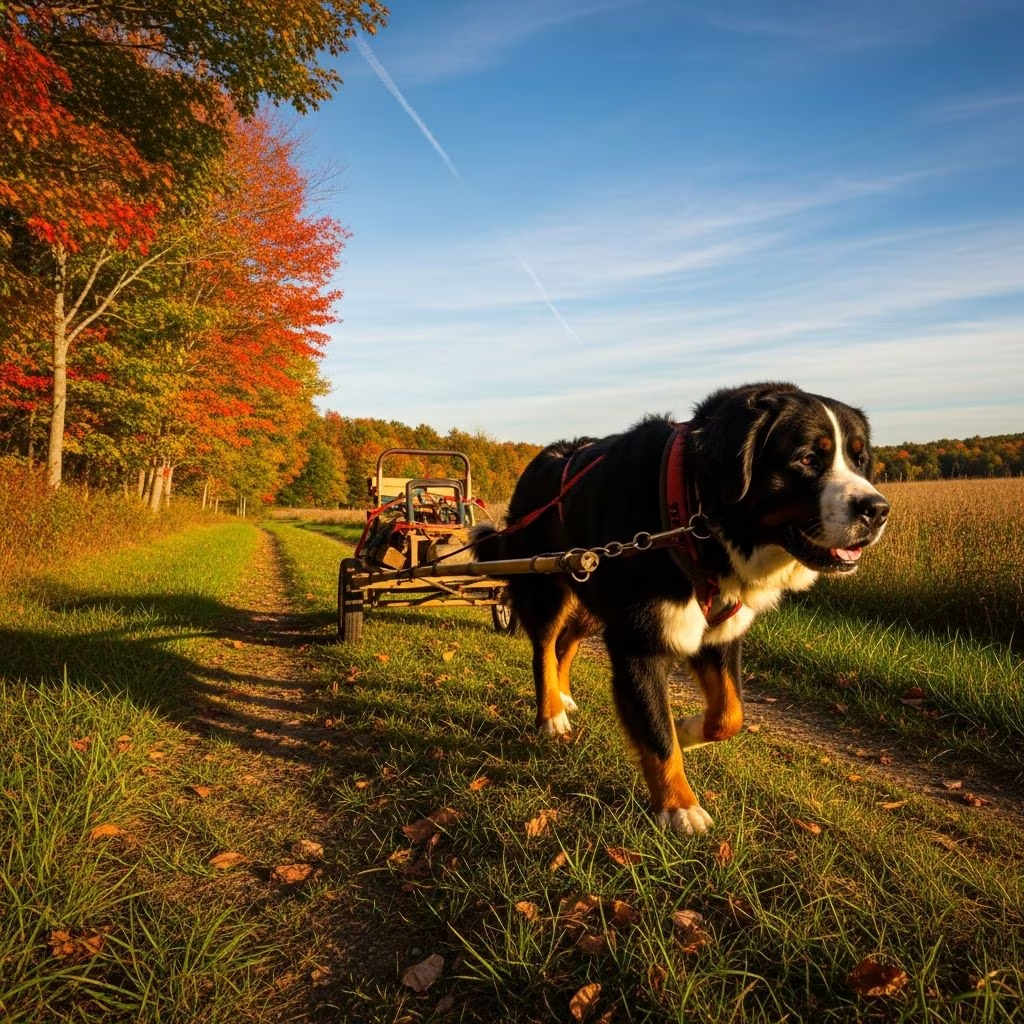
Draft training, commonly known as carting, represents a specialized discipline that channels a dog’s natural pulling instinct into a controlled, purposeful activity. This form of training encompasses teaching dogs to pull weighted carts or wagons while responding precisely to handler commands. The practice combines physical conditioning with behavioral training, creating a partnership between handler and canine that requires patience, consistency, and a deep understanding of motivational techniques.
Understanding the Foundation: Why Dogs Excel at Pulling
Certain dog breeds possess inherent physical and psychological traits that make them well-suited for draft work. These dogs have been selectively bred for generations to develop strong bodies, focused work ethics, and the ability to maintain consistent effort over extended periods. The inclination to pull is not necessarily a behavioral problem but rather an expression of their genetic heritage. Channeling this natural drive through structured training allows dogs to engage in meaningful work while remaining under complete handler control.
The relationship between dog and handler in draft work differs significantly from other canine sports. Rather than performing predetermined sequences of movements, draft dogs must interpret and respond to real-time directional commands while managing the variable weight and resistance of their load. This dynamic interaction requires both parties to develop keen communication skills and mutual trust.
Essential Equipment Selection and Fitting
Selecting appropriate equipment forms the cornerstone of safe and effective draft training. Unlike standard pet harnesses, draft equipment distributes weight and force across the dog’s body in ways specifically designed to optimize pulling efficiency while minimizing injury risk.
Three Primary Harness Types
- Parade Harness: Features padded straps that cross the chest and encircle the shoulders, providing a decorative appearance often used for ceremonial activities rather than heavy work
- Draft Harness: Incorporates a padded neck collar that preserves shoulder and leg mobility, with a belly strap connecting to the cart shafts and traces running from the collar to the wagon
- Specialized Competition Harness: Engineered for specific trial requirements, with reinforced attachment points and ergonomic designs that accommodate various cart styles
Proper harness fitting cannot be overstated. An ill-fitting harness creates discomfort, restricts movement, and can inflict injury during pulling activities. The harness should sit snugly without binding or shifting during movement. Most handlers benefit from having an experienced draft trainer evaluate the fit before beginning serious training.
Progressive Skill Development: The Training Sequence
Successful draft training follows a logical progression that builds competence incrementally. Rushing through these stages or skipping foundational work frequently results in confusion, loss of confidence, and potential safety risks.
Stage One: Harness Acclimation
The initial phase focuses entirely on familiarizing the dog with the sensory experience of wearing draft equipment. Many dogs find the harness foreign and potentially threatening, particularly if accustomed only to lightweight pet harnesses. This stage may require weeks or even months depending on individual temperament and prior experience.
During this period, the handler should allow the dog to wear the harness during positive experiences—playtime, treats, praise, and short walks. The objective is creating a strong positive association between the harness and rewarding outcomes. Some dogs may initially resist or attempt to escape the harness, necessitating patience and continued positive reinforcement rather than correction.
Stage Two: Directional Cue Establishment
Before introducing any pulling component, the dog must develop reliable responses to verbal commands that will govern their movement. These foundational cues include:
- Forward motion initiation
- Speed acceleration
- Pace reduction
- Directional changes (right and left)
- Backward movement
- Complete halt with automatic stay
Training these commands initially occurs on-leash in neutral environments with minimal distractions. Once the dog demonstrates consistent response, training progresses to off-leash scenarios and gradually introduces environmental obstacles that simulate eventual carting conditions. For example, handlers might position themselves on opposite sides of a low barrier, creating distance while practicing commands as though separated by a cart.
Stage Three: Introduction to Weight and Resistance
The transition to pulling resistance occurs gradually through a carefully orchestrated process. An assistant handler proves invaluable during this stage, helping manage safety and providing encouragement. Initially, the traces—the lines connecting harness to cart—are attached without any load. The assistant applies minimal, intermittent pressure while the handler rewards forward movement.
As the dog demonstrates comfort with trace pressure, light objects such as small water bottles or milk jugs containing sand are affixed to the traces. An assistant following alongside remains prepared to manage the traces should the dog become frightened. Over successive training sessions, weight gradually increases and objects transition from simple bottles to actual training carts or wagons. This methodical approach builds confidence systematically while preventing negative experiences that could create lasting aversion to pulling.
Stage Four: Cart Integration and Position Training
Once the dog confidently pulls weighted objects, the transition to actual cart pulling begins. Several methodologies exist for teaching the dog to position correctly relative to the cart and accept hitching. Clicker training offers particular advantages during this phase, allowing trainers to mark precise positioning before providing rewards. Alternatively, luring techniques using high-value treats guide the dog into proper stance.
Dogs who genuinely enjoy draft work often develop enthusiasm for cart work, actively approaching carts and backing into position in anticipation of pulling. This demonstrates the profound impact of positive training methodology and intrinsic motivation. Initial cart sessions should occur with an assistant present for safety, gradually increasing session duration and introducing environmental variables.
Advanced Skills and Challenge Exercises
Beyond basic cart pulling, competitive draft training requires mastery of several technically demanding skills that challenge both dog and handler.
The Crossover Technique for Turns
One of the most critical advanced skills involves teaching dogs to navigate tight turns. Because cart shafts restrict body rotation, dogs must learn to cross their legs over themselves to change direction while remaining positioned between the shafts. This crossover movement represents a significant departure from natural movement patterns and requires dedicated training.
Training begins with the slip lead and high-value food lures, positioning the dog to step over their own legs in controlled increments. Through repetition and reward, this initially forced movement becomes a reliable behavioral response. Once the dog understands the crossover mechanism, they can navigate figure-eight patterns and circular turns required in formal competitions.
Straight Line Pulling and Backing
Maintaining a perfectly straight path while pulling heavy weight challenges even experienced draft dogs. Similarly, backing up with a cart requires precise control and understanding of handler cues. These exercises involve halting the dog completely, executing repositioning movements with minimal cart shifting, and maintaining alignment with directional indicators.
The Narrows Exercise
Competition draft tests frequently include a narrows exercise requiring the dog and handler to guide the cart through a narrow passage without contact with barriers. This exercise combines turning ability, spatial awareness, halt precision, and responsiveness to subtle handler signals. Success demands exceptional teamwork and clear communication between handler and dog.
Training Methodology: The Positive Reinforcement Paradigm
Effective draft training relies fundamentally on positive reinforcement methodologies that build enthusiasm and mutual respect. Dogs trained through positive methods display markedly different attitudes compared to those trained through corrections or force. A positively trained draft dog approaches work with genuine enthusiasm, maintains clear engagement with the handler, and demonstrates confidence even in challenging scenarios.
Conversely, dogs trained through harsh methods often exhibit confusion, reluctance, and diminished performance. Handler tension, unclear cues, and frustration translate directly into canine anxiety and reduced effectiveness. The difference becomes unmistakably apparent during competitions where positively trained dogs display energetic engagement while negatively trained dogs work with lowered heads and diminished enthusiasm.
Common Training Challenges and Solutions
Most handlers encounter predictable obstacles during draft training progression. Recognizing these challenges and implementing appropriate solutions prevents frustration and maintains forward momentum.
- Distraction Sensitivity: Dogs often respond reliably to cues in quiet training environments but falter when environmental distractions increase. Gradual exposure to increasingly complex environments builds generalization skills
- Uncontrolled Pulling: An out-of-control dog with a cart creates genuine safety hazards. Returning to foundational command work and reducing cart weight often resolves this issue
- Directional Confusion: Ambiguous handler signals create uncertainty. Developing clear, consistent verbal and visual cues with exaggerated movements initially helps the dog understand directional changes
- Pace Inconsistency: Dogs pulling at erratic speeds indicate either insufficient conditioning or unclear speed cues. Consistent practice and distinct markers for different speeds improve performance
Competitive Framework and Organizational Standards
Various kennel clubs and breed organizations have established formal draft dog titling programs with standardized requirements. The Bernese Mountain Dog Club, for example, offers multiple achievement levels acknowledging progressive skill development.
| Title Level | Requirements | Distance and Load |
|---|---|---|
| Novice Draft Dog (NDD) | On-leash exercises with basic control elements | Half-mile freight haul with 20 pounds |
| Draft Dog (DD) | Off-leash exercises with advanced control | Half-mile freight haul with dog’s body weight (rounded to nearest 10 pounds) |
| Champion Levels | Advanced skills including challenging terrain and complex maneuvers | Varies by organization and specific requirements |
Frequently Asked Questions
What size dogs can participate in draft training?
While larger breeds traditionally dominate the sport, smaller dogs can successfully participate in draft work scaled appropriately to their physical capabilities. Training methodology remains consistent regardless of size.
How long does draft training typically require?
Basic draft training can progress from start to first competition within 6-12 months for dogs with prior obedience training. However, reaching advanced competitive levels typically requires 18-24 months of consistent work.
Can dogs with no prior training participate?
Dogs beginning draft training without prior obedience foundation will require additional time developing directional cues and impulse control before introducing pulling. Preliminary obedience training is highly recommended.
What equipment does a beginning trainer need?
Essential items include an appropriately fitted draft harness, a training cart or wagon, traces, and assorted lightweight objects for initial pulling practice. Consulting experienced draft trainers regarding specific equipment choices prevents costly mistakes.
Ensuring Safety and Welfare Throughout Training
Draft training inherently involves physical exertion and potentially dangerous situations. Handlers must prioritize safety through appropriate conditioning, regular equipment inspection, and realistic assessment of their dog’s capabilities. Physical conditioning prevents injury, while proper equipment maintenance eliminates points of failure. Additionally, handlers should honestly evaluate whether their dog genuinely enjoys draft work or simply complies through training pressure. A dog displaying head lowering, tension, or reluctance indicates that draft work may not be appropriate, regardless of physical capability.
The decision to pursue draft training should ultimately reflect the dog’s intrinsic motivation and wellbeing rather than handler ambitions alone. Dogs trained with this philosophy become reliable, enthusiastic partners whose obvious enjoyment of the work justifies the considerable training investment required.
References
- Dog Carting and Draft Training — Whole Dog Journal. 2024. https://www.whole-dog-journal.com/training/dog-carting-and-draft-training/
- Tips on Doing Advanced Drafting Work With Your Dog — American Kennel Club. 2024. https://www.akc.org/expert-advice/training/doing-advanced-drafting-work/
- Carting With Your Dog: Positive Draft Training for Fun and Competition — DogWise. 2024. https://www.dogwise.com/carting-with-your-dog-positive-draft-training-for-fun-and-competition/



